
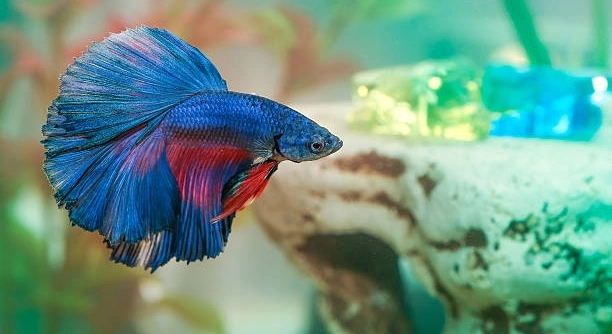
Betta fish are beautiful and lively pets, but like any animal, they can face health challenges. Understanding the common diseases they might encounter can help you keep them happy and thriving.
Betta fish are susceptible to various diseases such as fin rot, velvet disease, and dropsy. Early detection and proper treatment are crucial to managing these issues and ensuring your Betta’s recovery. Regular water changes and monitoring are essential.
By knowing the symptoms of these diseases, you can act quickly and improve your Betta’s chances of recovery. Proper care, treatment, and preventive measures will go a long way in keeping your Betta healthy.
Fin Rot
Fin rot is one of the most common diseases Betta fish face. It happens when the fish’s fins or tail start to decay, often caused by poor water quality or bacterial infection. Betta fish are particularly sensitive to changes in their environment, and when the water gets dirty, harmful bacteria can thrive. Symptoms of fin rot include ragged, discolored fins, and sometimes a noticeable black or brown edge along the fin. If untreated, fin rot can lead to severe damage, or even death, so it’s important to act quickly.
Keeping the water clean is essential to preventing fin rot. Regular water changes and making sure the tank is properly filtered can help stop bacteria from growing. You can treat fin rot with antibiotics or special aquarium medications that target the bacteria causing the problem. Adding aquarium salt can also be beneficial in mild cases.
It’s important to monitor your Betta closely for any signs of illness, and addressing fin rot quickly can prevent further harm. Providing a healthy environment and prompt treatment will help your Betta heal and stay happy.
Velvet Disease
Velvet disease causes a Betta’s skin to develop a golden or rusty dust-like appearance. The disease is caused by a parasite that attaches to the fish’s skin, leading to severe irritation. Symptoms often include scratching, rapid breathing, and loss of color.
Velvet disease is highly contagious, so it’s crucial to isolate the infected fish to prevent it from spreading. To treat velvet disease, you’ll need to use copper-based medications. It’s also important to raise the tank temperature slightly to speed up the parasite’s life cycle, allowing the medication to work more effectively.
Dropsy
Dropsy causes a Betta’s body to swell due to fluid retention. This condition can result from bacterial infections, poor water conditions, or internal organ failure. A bloated belly, raised scales, and lethargy are common symptoms.
Dropsy is a serious illness, often difficult to treat. First, isolate the Betta to prevent spreading any potential infection. Treatment generally involves antibiotics and adjusting the water temperature. Keep the water clean and maintain high-quality filtration to prevent dropsy from returning.
Unfortunately, dropsy can be fatal if left untreated, as it typically points to underlying health issues. Providing good nutrition and stress-free living conditions will help prevent the condition. Early detection is key to improving your Betta’s chances of recovery.
Ich (White Spot Disease)
Ich is caused by a parasitic infection that appears as small, white spots on your Betta’s body and fins. The parasite burrows into the skin, causing irritation and discomfort. Ich is highly contagious and can spread quickly to other fish.
Treatment for Ich involves using an aquarium medication specifically designed to target the parasite. Raising the water temperature to about 80°F can help speed up the life cycle of the parasite, making the medication more effective. During treatment, avoid stressing your Betta with too much handling.
Maintaining good water quality and adding aquarium salt can also help your Betta recover faster. If Ich is left untreated, it can lead to death due to organ damage or secondary infections. Early intervention is vital to successful treatment.
Swim Bladder Disorder
Swim bladder disorder affects a Betta’s ability to control its buoyancy, causing it to float uncontrollably or struggle to stay balanced. Symptoms include swimming sideways, floating at the surface, or sinking to the bottom.
This condition can be caused by overfeeding, constipation, or bacterial infections. It’s important to stop feeding for a few days to allow the Betta’s digestive system to reset. You can also try adding peas to its diet to help with constipation.
In some cases, medications or changes in water temperature may be needed. It’s best to monitor your Betta’s behavior and make adjustments to its diet and environment as needed.
Fin and Tail Fungus
Fungal infections can affect your Betta’s fins and tail, leading to white, cotton-like growths. This usually occurs when the Betta’s immune system is weakened due to poor water quality or injury.
Treatment includes isolating the infected Betta and using antifungal medications. It’s also crucial to keep the tank clean and monitor water parameters to prevent reoccurrence.
Hole in the Head Disease
Hole in the Head Disease causes lesions or pits to appear on the Betta’s head and face. It is often caused by poor water quality, a poor diet, or an infection. Symptoms include the appearance of holes on the skin, especially near the head.
Regular water changes, a balanced diet, and antibiotics can help treat this disease. It’s essential to improve the tank’s water quality and monitor the Betta’s diet to support a strong immune system.
FAQ
What causes Betta fish diseases?
Betta fish diseases are commonly caused by poor water quality, stress, and improper diet. Dirty water encourages bacteria and parasites to thrive, while stress can weaken your Betta’s immune system. Overfeeding or a lack of variety in their diet can also lead to health issues. Ensuring your Betta has a clean, stable environment is key to preventing many diseases. Regular water changes, maintaining proper water parameters, and feeding a balanced diet will help keep your Betta in good health.
How can I tell if my Betta is sick?
Signs that your Betta might be sick include changes in behavior, such as swimming erratically, scratching against objects, or staying at the bottom of the tank. You might also notice physical symptoms like swollen areas, discolored fins, or spots on the skin. A Betta that refuses to eat, has cloudy eyes, or shows rapid gill movement could be sick. It’s important to keep a close eye on your Betta and take action quickly if you notice any of these signs.
Can Betta fish recover from disease?
Yes, Betta fish can recover from many diseases, especially if detected early. Proper treatment, clean water, and a stress-free environment significantly increase their chances of recovery. For some diseases, like fin rot or mild Ich, Betta fish can make a full recovery with the right medication and care. However, more severe conditions like dropsy can be harder to treat, and recovery may depend on how quickly you act.
What is the best way to prevent diseases in Betta fish?
Preventing diseases in Betta fish starts with maintaining clean water. Perform regular water changes and monitor water quality with a good test kit. Ensure the tank has proper filtration and that the water temperature is suitable for your Betta. Avoid overcrowding and provide your Betta with a varied, nutritious diet. Also, make sure your Betta isn’t stressed by loud noises or tank mates that may not get along with it.
Should I quarantine a Betta fish before introducing it to a new tank?
Yes, it’s a good idea to quarantine new Betta fish before adding them to an established tank. This allows you to monitor the fish for signs of disease and ensures they don’t spread any potential infections to your other fish. A quarantine period of 2 to 4 weeks is recommended, during which you can observe the Betta closely and treat any issues before they reach your main tank.
What is the best food for a Betta fish to stay healthy?
Betta fish thrive on a balanced diet that includes high-quality pellets, frozen or live foods, and occasional treats like daphnia or bloodworms. A variety of food ensures they get the necessary nutrients. Avoid overfeeding, as it can lead to constipation and swim bladder issues. A healthy Betta should have a well-rounded diet, with 2 to 3 small meals per day.
How can I treat a Betta fish with fin rot?
To treat fin rot, start by removing your Betta from the main tank and placing it in a quarantine tank to prevent the disease from spreading. Perform a water change and make sure the water is clean and properly filtered. You can treat fin rot with aquarium-safe antibiotics or antifungal treatments, depending on the severity. Adding aquarium salt can also help promote healing. Keep the tank temperature slightly elevated to speed up recovery, and avoid overfeeding.
What should I do if my Betta fish has Ich?
If your Betta has Ich, it’s important to start treatment immediately. Isolate the infected Betta in a quarantine tank to prevent the disease from spreading. Increase the water temperature gradually to 80°F, which will speed up the parasite’s life cycle. Use copper-based medication or an anti-parasitic treatment. Be sure to follow the dosage instructions carefully. Clean the main tank thoroughly, and monitor your Betta for recovery.
Is it safe to add salt to my Betta’s tank?
Adding aquarium salt can be beneficial for treating certain conditions like fin rot and dropsy. It helps reduce stress, promotes healing, and can treat some external parasites. However, you should only add salt when necessary, as it’s not recommended for all Betta health issues. Always follow the correct dosage, and be cautious not to overuse salt, as it can irritate your Betta’s skin and gills if the concentration is too high.
How do I prevent my Betta fish from getting stressed?
Stress in Betta fish can lead to weakened immune systems and make them more prone to diseases. To prevent stress, avoid overcrowding the tank, and make sure it has plenty of hiding spots and plants. Keep the tank away from loud noises and avoid placing it in areas with heavy foot traffic. Additionally, Betta fish are territorial and may get stressed if kept with other aggressive fish. Providing a peaceful, stable environment is essential for their well-being.
Can Betta fish live with other fish?
Betta fish can live with other fish, but it depends on the tankmates. Male Bettas are territorial and may attack other males or aggressive species. It’s best to keep them with peaceful, non-aggressive fish like snails or small tetras. Always research compatibility before introducing new fish to avoid conflicts. In some cases, a male Betta may do better in a tank by itself.
What should I do if my Betta fish stops eating?
If your Betta stops eating, it may be a sign of stress, illness, or water quality problems. Start by checking the water parameters, and make sure the temperature is within the ideal range (75-80°F). If the water is clean and the temperature is right, try offering a variety of foods to see if it shows interest. If it continues to refuse food, check for any other symptoms of illness. It’s best to isolate the Betta and treat it as needed. If no improvement is seen, consult a vet.
Final Thoughts
Taking care of a Betta fish can be a rewarding experience, but it also comes with its challenges. Understanding common Betta fish diseases and how to treat them is crucial for keeping your fish healthy. Regular water changes, proper diet, and keeping the tank environment stable are some of the best ways to prevent most illnesses. By paying attention to your Betta’s behavior and appearance, you can spot early signs of disease and take action before things get worse. Regular observation is key, as it helps you address problems quickly, ensuring your Betta stays healthy for as long as possible.
While diseases like fin rot, velvet disease, and dropsy can be concerning, many are treatable with the right care. When your Betta shows signs of illness, don’t panic. Isolate the fish if necessary and start treatment promptly. You can often treat mild cases with over-the-counter medications, improved water conditions, or a change in diet. However, it’s important to remember that not all diseases are easy to treat. In some cases, like with dropsy or severe infections, recovery may be more difficult, and prevention is always better than treatment. Keeping your Betta in a healthy, stable environment is the best way to ensure a long, happy life.
Lastly, Betta fish require consistent attention, but they are also relatively low-maintenance once their needs are met. A clean tank, proper water conditions, and a balanced diet go a long way in preventing diseases. As a pet owner, it’s your responsibility to create an environment that promotes health and reduces stress for your Betta. By keeping an eye on their behavior and health, you’ll be able to catch any issues early. Overall, understanding common Betta fish diseases and their treatments will make you feel more confident in providing the care your Betta needs. With the right care, Betta fish can live happy, healthy lives.

Hello,
If you enjoy the content that we create, please consider saying a "Thank You!" by leaving a tip.
Every little bit helps us continue crafting quality advice that supports the health, happiness, and well-being of pets around the world, for pets of all shapes, sizes, and species.
We really appreciate the kindness and support that you show us!