
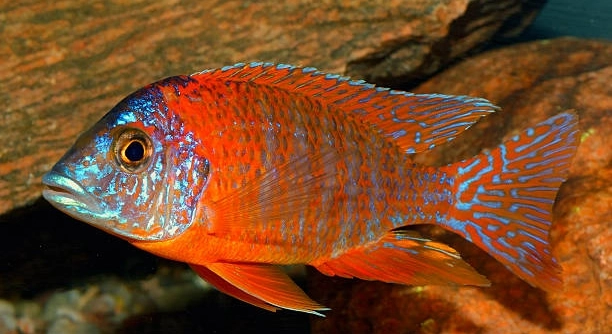
Watching your cichlids grow older can be a rewarding experience, but it also comes with noticing small changes in their behavior. These shifts are natural, and recognizing them helps maintain a healthy aquarium environment for your fish.
As cichlids age, they often display altered activity levels, feeding patterns, and social interactions. Common behavior shifts include increased territoriality, reduced swimming stamina, changes in aggression, modified mating behaviors, and heightened sensitivity to environmental stressors, all reflecting their natural aging process.
Being aware of these behaviors allows you to respond appropriately and ensure your older cichlids continue to thrive in your aquarium environment.
Reduced Activity and Slower Swimming
As cichlids grow older, you may notice they swim more slowly or rest in one spot longer than before. This change is a natural part of aging and is often accompanied by less energy for chasing food or exploring the tank. Older fish may prefer staying near hiding spots or along the bottom where movement is easier. Their stamina decreases, making sudden bursts of speed less frequent. You might see them resting after minor activity, which can seem unusual if they were more active as juveniles. Monitoring their tank environment for comfortable areas and ensuring easy access to food helps maintain their wellbeing. Changes in swimming patterns are not always a sign of illness, but consistent lethargy should be observed carefully. Creating a calm environment reduces stress, and keeping water conditions stable supports their slower metabolism. Adjusting tank companions’ behavior can also prevent older cichlids from being stressed by more active fish.
Reduced swimming activity in older cichlids results from a natural decline in energy and stamina, reflecting physiological aging. Maintaining stable water conditions and accessible food supports their continued health and reduces stress from faster tankmates.
Slower movement can affect feeding routines and social interactions in the tank. You may need to place food closer or adjust tank decorations to allow easier swimming paths. Older cichlids often avoid chasing aggressive fish, which helps prevent injury but may change social hierarchies. Observing these shifts carefully ensures you can respond to their needs. Small adjustments in feeding and tank layout make a noticeable difference in their comfort, allowing them to enjoy daily activities despite aging. Over time, accepting these slower routines can improve your care approach and help older cichlids thrive safely in your aquarium environment.
Increased Territorial Behavior
Older cichlids often become more territorial, especially during feeding or near preferred hiding spots. This behavior is linked to instincts for securing resources and protecting comfort areas in the tank.
Territoriality can lead to more frequent displays of dominance, chasing, or guarding behaviors, particularly toward younger or less dominant fish. These interactions are normal but require monitoring to prevent stress or injury. Older fish may claim favorite caves, corners, or substrate areas and react strongly when others encroach. Adjusting tank layout with multiple hiding spots or visual barriers can help reduce conflict. Feeding in separate zones or spreading food evenly can also minimize aggressive encounters.
Over time, understanding these behavioral changes allows you to manage your tank effectively, maintaining harmony while respecting older cichlids’ instincts. Observing their territorial patterns can reveal preferred areas and provide insight into their comfort levels. Planning the aquarium environment with multiple zones and hiding spots supports older fish, preventing undue stress. Providing adequate space for each fish and separating highly aggressive individuals if needed ensures all cichlids coexist safely. These adjustments enhance the quality of life for aging cichlids while preserving natural behaviors. Balancing social dynamics while maintaining proper care routines fosters a peaceful and healthy tank environment.
Changes in Feeding Habits
Older cichlids may eat less or show preferences for softer foods. They can become slower at competing for food, often waiting until others finish before approaching.
Reduced appetite in aging cichlids is common and linked to slower metabolism and dental wear. They may avoid hard pellets or large flakes, preferring smaller, softer options like finely crushed food or occasional live and frozen treats. Meal timing can also influence feeding; older fish often do better with calm, consistent schedules. Watching their behavior during feeding helps you provide food in ways that reduce stress and ensure proper nutrition. Avoid overfeeding tankmates to prevent food scarcity for older fish.
Adjusting feeding techniques supports their overall health. Placing food closer to resting areas or feeding separately from faster fish can encourage proper intake. Observation is key, as subtle changes in appetite may signal age-related adjustments rather than illness. Providing a variety of easily digestible options ensures older cichlids receive nutrients without struggle. Over time, small changes in diet and feeding routine can significantly improve comfort, energy levels, and longevity, allowing aging cichlids to maintain their strength and natural behavior patterns.
Increased Sensitivity to Stress
Older cichlids often react strongly to changes in water, lighting, or tankmates. Even small disturbances can cause visible stress responses, such as hiding or erratic swimming.
Stress sensitivity increases with age due to weaker immune responses and slower recovery. Environmental changes, including new tankmates, sudden temperature shifts, or water parameter fluctuations, can have a larger impact. Older cichlids may avoid certain areas or isolate themselves, preferring calmer zones. Maintaining stable water conditions, gentle lighting, and predictable routines helps reduce stress and supports their well-being. Observation of behavior and early intervention prevents long-term health issues linked to chronic stress.
Creating a low-stress environment involves careful tank management. Using gentle filtration, avoiding overcrowding, and providing adequate hiding spaces allow older cichlids to feel secure. Slow introductions of new fish and consistent feeding routines minimize disruptions. Monitoring water quality, including ammonia, nitrite, and nitrate levels, ensures optimal conditions. Adjusting decorations and flow patterns can reduce high-traffic areas that trigger anxiety. Over time, maintaining a calm environment prevents unnecessary stress, promotes proper feeding and activity, and helps older cichlids maintain natural behaviors while reducing susceptibility to illness or aggression-related injuries.
Changes in Social Interactions
Older cichlids may become less social, spending more time alone or away from active groups. They often avoid conflicts and allow younger fish to dominate spaces they once controlled.
Social withdrawal is common with age. Older cichlids may stop chasing or playing with others, focusing on resting and conserving energy. Their interactions are calmer, and they may tolerate behaviors they previously reacted to aggressively.
Altered Breeding Behavior
Aging cichlids often show reduced interest in mating or caring for eggs. Hormone changes and lower energy levels lead to less frequent spawning and simpler courtship behaviors. Breeding pairs may be less attentive, requiring careful observation to ensure eggs and fry remain safe.
Heightened Sensory Awareness
Older cichlids may respond more noticeably to subtle changes in their tank. Sounds, vibrations, or movements can startle them easily, reflecting heightened sensitivity linked to age-related adjustments in perception.
FAQ
How can I tell if my cichlid is aging normally or showing signs of illness?
Normal aging in cichlids includes slower swimming, reduced appetite, and changes in social behavior. Illness often shows as sudden lethargy, clamped fins, unusual spots, or rapid breathing. Monitoring water quality, observing feeding habits, and checking for physical changes help distinguish aging from disease.
What adjustments should I make to their diet as they age?
Older cichlids often prefer softer or smaller foods. Crushing pellets or offering frozen and live foods in moderation ensures they can eat comfortably. Feeding smaller amounts more frequently can support their slower metabolism and maintain proper nutrition without stressing their digestion.
How do I reduce stress for aging cichlids?
Stable water conditions are critical. Avoid sudden temperature changes, aggressive tankmates, or frequent rearrangements. Providing multiple hiding spots, calm lighting, and gentle filtration creates a safe environment. Observing reactions to changes lets you address stress before it affects health.
Should I separate older cichlids from younger, more active fish?
Separating is sometimes beneficial, especially if older cichlids are being chased or outcompeted for food. Using visual barriers or separate feeding areas can prevent stress and injuries. However, complete isolation is unnecessary unless aggression becomes severe. A balanced tank layout often suffices.
Why do older cichlids become more territorial?
Territorial behavior increases with age due to instinctual needs to protect resting areas and food resources. Older fish often claim preferred spots and may chase others away. Providing extra hiding spaces and dividing tank zones helps reduce conflicts without disrupting natural behavior.
How do I encourage older cichlids to eat?
Placing food near resting areas or feeding separately from faster fish improves access. Offering a variety of easy-to-eat options, including crushed pellets, flakes, or soft frozen foods, encourages feeding. Maintaining a calm environment during meals reduces anxiety and competition.
Do older cichlids need different tank conditions?
They thrive in stable conditions with consistent water parameters. Slightly lower water flow and calm lighting can make swimming easier. Frequent monitoring of ammonia, nitrites, and temperature ensures their slower metabolism isn’t affected by sudden changes.
Can older cichlids still breed?
Some can, but breeding frequency and care for eggs usually decline. Hormonal changes and lower energy levels make them less active in courtship. Observing behavior and providing safe nesting areas helps ensure successful spawning if it occurs.
How do I know if changes in behavior are permanent?
Behavioral changes like slower swimming, reduced aggression, or social withdrawal usually indicate natural aging. Persistent abnormal behaviors, like rapid lethargy or illness signs, require attention. Keeping notes on their daily activity helps track patterns and identify long-term changes.
What signs indicate my cichlid is stressed?
Stress often shows as hiding, erratic swimming, loss of appetite, or color changes. Older cichlids are more sensitive, so even minor disturbances can trigger reactions. Stabilizing the environment and reducing aggressive interactions helps minimize stress.
How can I make their daily life more comfortable?
Providing resting areas, soft substrate, and multiple hiding spots supports aging cichlids. Feeding near their preferred locations, maintaining consistent water quality, and minimizing rapid tank changes improve comfort. Simple adjustments can significantly enhance their quality of life.
Are there any medications or supplements recommended for older cichlids?
Supplements like vitamins or minerals can help if diet is insufficient. Medications should only be used under careful guidance, as older fish are sensitive to chemical changes. Preventive care through diet and environment is generally more effective than treatment.
How long can I expect my cichlids to live as they age?
Lifespan varies by species, genetics, and care. Proper diet, stable water, and low stress can maximize longevity. Many cichlids live well into double digits with careful attention, while neglect or illness can shorten life significantly.
Is it normal for older cichlids to interact less with tankmates?
Yes, reduced social interaction is typical. Older cichlids conserve energy and avoid conflicts. Ensuring they are not being harassed by younger fish helps maintain a safe and calm environment without forcing interaction.
Can environmental enrichment help older cichlids?
Yes, adding varied hiding spots, gentle currents, and visual barriers keeps them engaged without overexertion. Enrichment improves mental stimulation and reduces stress, supporting natural behaviors while accommodating slower activity.
Should I adjust the tank size for aging cichlids?
Adjusting tank size is usually unnecessary, but ensuring enough space and multiple zones reduces stress. Overcrowding can make older fish anxious or prone to injury. Proper layout matters more than size changes at this stage.
What are the most common mistakes with older cichlids?
Common errors include overfeeding, keeping aggressive tankmates, sudden environmental changes, and ignoring subtle behavior shifts. Monitoring daily activity, maintaining stable water, and adjusting care to their slower pace prevents health problems.
How often should I check water quality for older cichlids?
Frequent testing is important. Weekly checks for ammonia, nitrite, nitrate, pH, and temperature ensure stability. Older cichlids are less resilient, so even small fluctuations can impact health. Regular maintenance prevents stress-related issues and supports overall longevity.
Can older cichlids still enjoy interacting with their environment?
Yes, they remain curious and may explore slowly. Providing varied structures, hiding places, and gentle currents keeps them engaged. Observing how they use their environment allows adjustments to suit comfort and activity levels, keeping their daily life stimulating.
How do I balance care for older and younger cichlids together?
Separate feeding areas, multiple hiding spots, and visual barriers help maintain harmony. Ensuring older cichlids are not bullied or outcompeted for food supports health. Careful observation and minor tank adjustments create a safe environment for all ages.
Can stress or illness accelerate behavior changes in older cichlids?
Yes, stress or disease can exaggerate normal aging behaviors. Quick action, such as stabilizing water, separating aggressive tankmates, and addressing illness early, reduces additional strain and helps maintain natural behavior patterns.
How can I maintain a calm social structure in the tank?
Observe interactions and intervene if aggression becomes frequent. Multiple territories, hiding spaces, and slow introductions of new fish reduce conflict. Older cichlids benefit from a stable hierarchy, allowing them to rest and feed without constant stress.
Are there signs of cognitive decline in older cichlids?
Cognitive changes are subtle but may include slower responses to food, delayed recognition of tankmates, or forgetting preferred hiding spots. These are natural with aging, and adjusting care routines can compensate without causing stress.
How do I track long-term behavior changes?
Keeping a simple log of feeding habits, social interactions, swimming patterns, and stress responses helps monitor aging. Regular notes highlight gradual shifts, making it easier to identify concerning changes early. This proactive approach supports better long-term care.
Can older cichlids still learn new behaviors?
Yes, they can adapt slowly. Introducing feeding routines, enrichment objects, or gentle training works, but patience is needed. Repetition and low-stress methods encourage engagement without overwhelming them.
What’s the best way to support their immune system?
Balanced nutrition, stable water conditions, low stress, and minimal exposure to aggressive tankmates strengthen immunity. Avoid frequent chemical treatments unless necessary, as older fish are more sensitive to medications.
How do I make tank maintenance easier for aging cichlids?
Perform regular, gentle water changes, avoid sudden adjustments, and clean carefully to minimize stress. Maintaining calm routines during maintenance helps older cichlids remain comfortable and healthy.
Can environmental changes reverse some aging behavior shifts?
While aging is natural, improving tank layout, food access, and stress levels can make daily life easier. Older cichlids may become more active, eat better, and interact more comfortably when conditions support their slower pace.
How important is observation for older cichlids?
Observation is critical. Subtle changes often signal age-related adjustments or early illness. Daily monitoring of swimming, feeding, social behavior, and stress responses ensures timely interventions and helps maintain their quality of life.
What small changes make the biggest difference?
Placing food closer, adding hiding spots, stabilizing water, separating aggressive tankmates, and adjusting lighting or flow can significantly improve comfort. Simple, consistent changes often outweigh complex interventions for older cichlids.
How can I help older cichlids stay comfortable during illness or weakness?
Providing easy access to food, calm resting areas, gentle water flow, and minimizing disturbances supports recovery. Monitoring closely while maintaining familiar surroundings reduces stress and allows older cichlids to conserve energy.
Do older cichlids still recognize their tankmates?
Yes, though interactions may be slower. They may avoid conflicts, tolerate others, or seek familiar companions. Respecting their pace and providing safe areas supports social balance without forcing interaction.
Is it normal for older cichlids to spend more time resting?
Yes, resting is part of conserving energy and coping with slower metabolism. Ensuring comfortable resting spots and minimal disturbances helps maintain their health and reduces stress.
How often should I adjust care routines for older cichlids?
Regular observation guides adjustments. Changes in behavior, feeding, or stress responses indicate when care routines should adapt. Small, gradual changes prevent shock and support natural aging patterns.
Are older cichlids more prone to injury?
Yes, slower reflexes and less stamina increase risk during conflicts or aggressive interactions. Providing calm tankmates, hiding spots, and gentle feeding routines reduces the chance of injury.
Can enrichment prevent boredom in older cichlids?
Yes, simple enrichment like hiding spots, gentle currents, or visual interest keeps them engaged. Avoid overstimulation, focusing on comfortable exploration that suits slower movement and lower energy.
Do older cichlids need more frequent health checks?
Yes, subtle changes can indicate illness. Checking daily for appetite, color, swimming patterns, and interactions ensures early detection and intervention. Consistent monitoring supports longevity.
What is the key to happy aging in cichlids?
Stable water, calm tankmates, accessible food, comfortable hiding spots, and regular observation create a supportive environment. Respecting slower activity and adjusting care routines fosters natural behavior and maintains health.
How do I know when extra care is needed?
Significant changes in swimming, appetite, aggression, or stress levels signal the need for intervention. Early action, including diet adjustments, tank changes, or veterinary advice, supports overall well-being and reduces risks.
Can older cichlids still interact with new tankmates?
Yes, but slowly. Gentle introductions and visual separation prevent stress. Observing tolerance and intervening if aggression occurs helps maintain social stability while respecting their slower pace.
What are the subtle signs of aging in behavior?
Slower swimming, less chasing, reduced aggression, more resting, selective eating, and avoidance of stressful areas indicate gradual aging. Monitoring these signs helps differentiate natural changes from illness or stress.
How do I support mental stimulation in older cichlids?
Simple changes like rearranging decorations slowly, adding gentle currents, or providing varied feeding spots encourage exploration. Stimulation should match energy levels and avoid creating stress.
Are older cichlids more sensitive to water quality changes?
Yes, small fluctuations in ammonia, nitrite, nitrate, pH, or temperature can affect health more than in younger fish. Frequent monitoring and careful maintenance are essential.
How can I encourage exercise without stress?
Encourage gentle swimming through varied current patterns or placement of food at different spots. Avoid overcrowding and aggressive companions to maintain safe activity levels.
Can older cichlids recover from minor injuries easily?
Recovery is slower due to age. Minimizing stress, maintaining clean water, and monitoring behavior supports healing. Immediate intervention for aggressive encounters or environmental hazards reduces complications.
What’s the most important daily task for older cichlids?
Observation. Watching feeding, swimming, social behavior, and stress responses ensures early detection of problems. Consistent attention allows adjustments to support comfort and health.
How do I know if an older cichlid is happy?
Comfortable resting, consistent eating, calm interactions, and exploration indicate well-being. Minor adjustments in tank layout or feeding routine enhance contentment without forcing activity.
Can older cichlids adapt to minor tank changes?
Yes, if changes are gradual and predictable. Sudden alterations in water, layout, or lighting can trigger stress, so slow adjustments maintain stability and comfort.
How much attention should I give older cichlids compared to younger fish?
Older cichlids benefit from focused observation and care, particularly for feeding, social dynamics, and stress management. Balancing attention ensures all fish thrive, with special consideration for aging individuals.
Can I expect natural behavior changes to reverse?
No, aging is permanent, but supportive care can improve comfort, activity levels, and engagement. Adjustments enhance quality of life even if natural aging continues.
How do I prevent accidents for older cichlids?
Provide safe swimming spaces, gentle tankmates, hiding spots, and stable decorations. Avoid overcrowding and abrupt changes, minimizing the risk of collisions or stress-related incidents.
Are older cichlids more prone to disease?
Yes, slower metabolism and weaker immune responses increase vulnerability. Consistent water quality, proper nutrition, and low-stress environments reduce risks and support resilience.
Can older cichlids still show personality?
Absolutely. Individual preferences, territorial behavior, and interaction styles persist. Observing these traits helps tailor care to support comfort, health, and well-being.
How can I keep older cichlids engaged without exhausting them?
Provide low-energy enrichment like hiding spots, gentle currents, and feeding variety. Avoid forced activity or overstimulation to maintain comfort and prevent stress.
Do older cichlids need more light or less light?
They prefer stable, moderate lighting. Bright or fluctuating light can stress them. Consistency is more important than intensity for comfort and normal behavior.
How can I balance diet and aging needs?
Offer soft, nutrient-rich foods in manageable amounts. Frequent observation ensures they eat enough, and variety keeps nutrition balanced while accommodating slower feeding.
Are older cichlids more likely to fight?
Aggression may increase around territories or preferred areas, but overall activity is slower. Monitoring interactions and providing separate zones prevents injury and stress.
How do I manage multiple older cichlids together?
Provide adequate space, multiple hiding spots, and calm feeding routines. Observing hierarchy and separating overly aggressive fish preserves harmony. Stable conditions support peaceful coexistence.
Can I use supplements safely for older cichlids?
Yes, vitamins or minerals can help if diet is lacking, but avoid overuse. Older cichlids are sensitive, so moderation and careful selection prevent harm.
How important is tank decoration for older cichlids?
Very. Hiding spots, gentle flow areas, and rest zones support comfort and reduce stress. Decorations should be stable and easy to navigate.
Should older cichlids be given special treatment?
Yes, minor adjustments in feeding, tank layout, and stress management improve quality of life. Respecting slower pace supports health without unnecessary intervention.
How can I spot subtle signs of discomfort?
Look for reduced activity, color changes, avoidance of certain areas, or irregular feeding. Early detection allows timely adjustments and prevents more serious issues.
Do older cichlids need different tankmates?
Slower, calm, and non-aggressive tankmates reduce stress. Avoid highly active or territorial fish that can harass older individuals. Proper selection maintains peace.
Is regular observation enough to ensure their health?
Observation combined with water testing, proper diet, and stress management is essential. Daily attention helps detect subtle changes before they become serious problems.
Can older cichlids still enjoy exploring?
Yes, at a slower pace. Gentle currents, varied feeding spots, and accessible decorations encourage exploration without causing stress or overexertion.
How do I manage sudden behavior changes?
Check water quality, tankmates, and feeding routines. Sudden shifts may indicate stress, illness, or environmental changes. Early intervention protects their health and comfort.
What is the simplest way to support aging cichlids?
Maintain stable water, provide easy access to food and resting spots, minimize stress, and observe behavior daily. These steps ensure comfort, safety, and continued engagement.
Can older cichlids live as long as younger ones?
With proper care, yes. Stable conditions, low stress, and proper nutrition allow aging fish to reach or exceed typical lifespan while maintaining natural behavior.
How do I know when to seek professional advice?
If persistent lethargy, unusual spots, rapid breathing, or sudden aggression appear, consult a vet or experienced aquarist. Early intervention improves outcomes and supports longevity.
Are gradual changes better than sudden adjustments for older cichlids?
Always. Slow changes reduce stress, prevent illness, and support comfort. Older fish respond poorly to sudden alterations in environment, diet, or tankmates.
Can older cichlids still enjoy social interactions?
Yes, but selectively. They may interact with familiar companions and avoid conflicts. Respecting their pace maintains comfort and prevents stress-related issues.
How important is routine for older cichlids?
Routine is very important. Consistent feeding, lighting, water quality, and tank interactions create a predictable environment, minimizing stress and supporting health.
Do older cichlids benefit from specialized food?
Yes, soft, nutrient-rich options help accommodate slower feeding and digestion. Balanced diets support energy, health, and vitality in aging fish.
How do I adjust feeding with multiple age groups?
Separate feeding areas or staggered schedules prevent competition. Older cichlids eat at their pace, while younger fish remain active without causing stress.
Can older cichlids still maintain territories?
Yes, but they may tolerate others more and focus on preferred hiding areas. Multiple zones reduce conflicts and support natural behaviors.
How do I balance stimulation and rest?
Provide enrichment that encourages gentle activity while ensuring quiet resting areas. Older cichlids need both mental engagement and calm spaces to maintain comfort and health.
Are older cichlids more prone to skin or fin issues?
Yes, slower healing and weaker immune responses increase risk. Stable water, gentle tankmates, and careful observation prevent or address problems early.
Can I expect slower recovery from stress?
Yes, older cichlids take longer to recover. Minimized disturbances and consistent care speed recovery and prevent long-term health impacts.
How do I maintain energy levels in older cichlids?
Provide nutrient-rich, easy-to-e
Caring for older cichlids requires a little more attention than with younger fish, but it is very rewarding to see them continue to thrive. As they age, their energy levels naturally decrease, and their swimming becomes slower. They may spend more time resting and less time exploring the tank. These changes are a normal part of aging and should be expected rather than worrying signs. Observing these behaviors closely helps you understand what is natural and what may need intervention. Making small adjustments, like placing food closer to their favorite resting areas or providing gentle currents for swimming, can make a big difference in their comfort. Older cichlids may also become more selective about their social interactions, avoiding conflicts with younger, more active fish. Respecting their space and giving them calm zones ensures they feel safe and reduces stress. Understanding these shifts allows you to support them in a way that maintains their health and happiness without forcing changes or expecting them to behave as they once did.
Feeding older cichlids properly is another important aspect of care. Their appetite may decrease, and they may prefer softer or smaller food options that are easier to eat. Crushing pellets or offering finely chopped frozen or live foods can help ensure they are getting enough nutrition without causing stress. Feeding multiple times in smaller amounts may also support their slower metabolism. Consistency in feeding schedules helps maintain a routine they can rely on, which reduces anxiety and encourages them to eat more comfortably. Over time, these simple adjustments become a normal part of daily care and contribute to their overall well-being. Providing variety in their diet not only ensures proper nutrition but also keeps them engaged with their environment in a way that feels natural and safe.
Environmental stability is one of the most important factors for aging cichlids. Older fish are more sensitive to stress, whether from changes in water conditions, sudden movement in the tank, or aggressive tankmates. Maintaining clean, stable water with gentle filtration, consistent temperature, and safe hiding spots supports their health and helps prevent illness. Multiple territories and visual barriers reduce conflicts and allow them to feel secure while still interacting with other fish when they choose. Gradual adjustments in tank layout or feeding routines are far more effective than sudden changes, which can cause unnecessary stress. Paying attention to subtle behavior changes, like hiding more than usual or reduced activity, allows early intervention if needed. By combining proper diet, a calm environment, and patient observation, older cichlids can live comfortable, healthy lives. These small but meaningful efforts ensure they continue to thrive naturally, letting you enjoy watching their unique personalities and behaviors as they age gracefully in your care.

Hello,
If you enjoy the content that we create, please consider saying a "Thank You!" by leaving a tip.
Every little bit helps us continue crafting quality advice that supports the health, happiness, and well-being of pets around the world, for pets of all shapes, sizes, and species.
We really appreciate the kindness and support that you show us!