
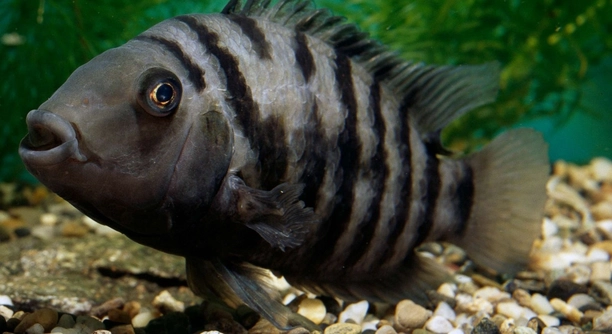
African cichlids are popular aquarium fish admired for their vibrant colors and interesting behaviors. Many fishkeepers enjoy them but also hear various stories about their care and habits. These stories often lead to confusion or wrong ideas about these fish.
This article clears up seven common myths about African cichlids by examining facts and research. Understanding these truths helps improve their care and environment. Misinformation can affect how fishkeepers manage their aquariums and the well-being of the cichlids.
Learning the truth behind these myths will help keep your cichlids healthier and happier. It also supports better decisions for anyone interested in these fascinating fish.
Myth 1: African Cichlids Are Aggressive by Nature
African cichlids are often labeled as aggressive fish, but this is an oversimplification. While some species can show territorial behavior, much depends on their environment and tank setup. Overcrowding or improper tank mates can increase aggression. In a well-planned aquarium with enough space and hiding spots, aggression is usually reduced. Understanding species-specific behavior is important because not all African cichlids behave the same way. Properly balancing the community helps create a peaceful aquarium. Many fishkeepers who provide a suitable environment notice that their cichlids can coexist without constant fighting.
Aggression levels vary widely among different African cichlid species. Some are naturally more peaceful and adaptable in community tanks. Choosing the right species combination is key.
Recognizing that aggression is influenced by external factors rather than being a fixed trait helps improve aquarium management. Creating a balanced environment with appropriate tank size, decorations, and compatible species reduces stress and conflict, leading to healthier fish. This knowledge also helps avoid unnecessary culling or tank disruptions due to misunderstandings about cichlid behavior.
Myth 2: African Cichlids Only Eat Meat
African cichlids are frequently thought to be strictly carnivores, but their diet is actually more varied. While many enjoy protein-rich foods like insects or small crustaceans, they also consume plant matter in the wild. This varied diet supports their health and coloration. Feeding them only meat-based foods can cause nutritional imbalances and health problems over time. Many species benefit from a mix of proteins and vegetable matter in their diets. Offering a variety of foods helps mimic their natural eating habits and improves their well-being.
Feeding African cichlids a balanced diet with both animal and plant-based foods is essential for their health.
Providing a diverse diet encourages natural feeding behaviors and prevents deficiencies. Many cichlids respond well to high-quality flakes or pellets designed specifically for them, combined with occasional live or frozen foods and vegetables like spirulina or blanched spinach. Overfeeding or sticking to a single food type can harm their digestive system and lead to diseases. Careful attention to diet ensures vibrant colors and active behavior, reflecting their optimal health. Understanding these dietary needs helps maintain the fish in a stable and thriving aquarium environment.
Myth 3: African Cichlids Need Very Hard Water
African cichlids are often said to require very hard water, but this depends on their natural habitat. Some species come from hard water environments, while others adapt well to moderately hard water.
Many African cichlids thrive in a range of water hardness levels, as long as pH remains stable. Sudden changes in water chemistry can cause stress or illness, so gradual adjustments are better. Testing water parameters regularly helps keep the tank stable. Mimicking their natural environment is important, but extreme hardness is not always necessary. Some fishkeepers successfully keep certain cichlid species in softer water with careful maintenance and monitoring.
Water quality matters more than just hardness. Factors like temperature, pH, and cleanliness play a large role in their health. Using proper filtration and regular water changes ensures a stable environment for the fish. It’s important to research the specific needs of the species you keep, since water requirements vary.
Myth 4: African Cichlids Can Live Peacefully with Any Fish
African cichlids are not compatible with all fish species. They can be territorial and may stress or harm more peaceful or smaller tank mates.
Choosing compatible species and managing tank size and decor reduces conflicts. Avoid mixing aggressive cichlids with timid fish. Providing hiding spots and visual barriers helps reduce stress and aggression. Compatibility depends on the temperament and size of all fish in the aquarium. Planning tank mates carefully is essential to maintain a peaceful environment.
Aggression can increase if the tank is overcrowded or lacks enough space. It’s best to keep cichlids with species of similar size and temperament. Community tanks with cichlids often require careful monitoring and management. Tank setup, species choice, and proper maintenance are key to minimizing aggression and keeping all fish healthy. Understanding these factors prevents unnecessary losses and promotes a balanced aquarium.
Myth 5: African Cichlids Require Constant Strong Lighting
Strong lighting is not a strict necessity for African cichlids. While good lighting can enhance their colors, too much light may cause stress or algae growth.
Moderate lighting that mimics their natural environment works best. Providing some shaded areas allows fish to find comfort when needed. Balancing light duration and intensity helps maintain healthy behavior and tank conditions.
Myth 6: African Cichlids Are Difficult to Breed in Captivity
Breeding African cichlids in captivity is achievable with the right conditions. Many species are actually prolific breeders when provided suitable water quality, diet, and tank environment. Maintaining stable water parameters and offering proper nutrition encourages spawning. Providing hiding places or caves helps females feel secure during breeding. Monitoring the fish closely allows timely intervention if aggression arises during breeding. With patience and proper care, breeding African cichlids can be a rewarding experience even for those new to fish breeding.
Myth 7: African Cichlids Are Low-Maintenance Fish
African cichlids require regular care, including water changes and monitoring water quality. They are not simply “set it and forget it” fish.
FAQ
How often should I change the water in my African cichlid tank?
Regular water changes are essential for keeping African cichlids healthy. Ideally, changing 20-30% of the water every one to two weeks helps maintain good water quality. This prevents buildup of harmful chemicals like ammonia and nitrates, which can stress the fish and cause disease. Consistent water changes also support stable pH and hardness levels. Using a gravel vacuum during changes removes waste and leftover food from the substrate. Always treat tap water to remove chlorine before adding it to the tank. Keeping a regular schedule for water changes is a key part of good cichlid care.
What is the best diet for African cichlids?
A balanced diet that includes both protein and plant matter is best. High-quality pellets or flakes designed for cichlids provide essential nutrients. Supplementing with frozen or live foods such as brine shrimp or bloodworms adds variety and encourages natural feeding behaviors. Including vegetable matter like spirulina flakes or blanched vegetables improves digestion and overall health. Avoid feeding only meat-based foods, as this can lead to nutritional imbalances. Feed small amounts 2-3 times daily, and remove uneaten food to prevent water pollution.
Can African cichlids live with other fish?
Compatibility depends on the species of cichlid and the other fish. Some cichlids are territorial and aggressive, while others are more peaceful. Avoid housing them with small, timid fish that may be stressed or attacked. Suitable tank mates are usually fish of similar size and temperament. Providing plenty of space and hiding places reduces conflicts. It is important to research the specific cichlid species and tank mates before combining them. Monitoring behavior regularly helps catch problems early.
What tank size do African cichlids need?
Tank size depends on the species and the number of fish. Most African cichlids need at least a 30-gallon tank for a small group. Larger species or groups require bigger tanks to reduce aggression and territorial disputes. More space allows for proper hiding spots and swimming areas. Overcrowding increases stress and aggression, harming fish health. Planning tank size carefully helps create a balanced environment where cichlids can thrive.
How do I control aggression in African cichlids?
Aggression can be reduced by providing enough space, hiding spots, and compatible tank mates. Adding rocks, caves, and plants helps break sight lines and create territories. Avoid overcrowding and mix species with similar aggression levels. Feeding regularly and avoiding sudden changes in the environment lowers stress that can trigger aggression. Observing fish behavior and separating overly aggressive individuals when needed helps maintain peace in the tank.
Do African cichlids need a special filter?
A good quality filter that provides strong biological and mechanical filtration is necessary. African cichlids produce a fair amount of waste, so efficient filtration keeps the water clean and clear. Canister filters or hang-on-back filters are common choices. The filter should provide steady water flow without creating too much current. Cleaning and maintaining the filter regularly prevents buildup of debris and ensures proper function.
What water temperature is best for African cichlids?
Most African cichlids do well in temperatures between 75°F and 82°F (24°C to 28°C). Keeping the temperature stable within this range supports their immune system and activity levels. Sudden temperature fluctuations can cause stress or illness. Using a reliable aquarium heater and thermometer helps maintain a consistent environment. Adjust temperature slightly based on the species’ natural habitat if known.
Are African cichlids hardy fish?
African cichlids are generally hardy if kept in proper conditions. They tolerate a range of water parameters but need stability. Good water quality, appropriate diet, and regular maintenance contribute to their resilience. Stress from poor conditions or aggression can reduce their hardiness and lead to disease. Early detection and treatment of health issues improve survival rates. Many fishkeepers find African cichlids rewarding because they respond well to good care.
How do I prevent diseases in African cichlids?
Preventing disease starts with maintaining clean water and a healthy environment. Quarantine new fish before adding them to the main tank to avoid introducing infections. Avoid overfeeding and remove uneaten food promptly. Monitor fish for signs of illness such as unusual behavior, spots, or discoloration. Early treatment is crucial. Keeping stress low through proper tank setup and compatible fish also reduces disease risk. Regular water testing and care routines support disease prevention.
Can African cichlids recognize their owners?
While not the same as pets that bond with humans, African cichlids can learn to recognize their owners’ presence. They may associate feeding time with specific people and react by swimming toward them. Their behavior shows curiosity and awareness, though it is limited compared to mammals. Building trust by consistent feeding and gentle interaction helps make cichlids more comfortable around people. This interaction adds enjoyment to fishkeeping.
African cichlids are fascinating fish with many unique traits. Understanding common myths about their behavior, diet, and care can improve how they are kept in aquariums. Misinformation often leads to unnecessary problems for both the fish and their keepers. By learning the facts, it becomes easier to provide a suitable environment where these fish can thrive. It is important to approach cichlid care with patience and attention to their specific needs.
Proper care involves more than just filling a tank and adding fish. Water quality, diet, tank size, and compatible tank mates all play important roles. Some myths suggest that cichlids are always aggressive or require very hard water, but the truth is more nuanced. Each species has different requirements and behaviors. Researching these details and making thoughtful choices supports the health and happiness of the fish. Many people find that African cichlids reward this care with vibrant colors and active, interesting behavior.
Keeping African cichlids can be a rewarding experience when myths are set aside and care is based on facts. Regular maintenance, a balanced diet, and attention to water parameters create a stable environment. Recognizing the importance of tank setup and social dynamics helps reduce aggression and stress. These efforts lead to a healthier aquarium and a better experience for both fish and keeper. With correct information and care, African cichlids can flourish and provide enjoyment for many years.

Hello,
If you enjoy the content that we create, please consider saying a "Thank You!" by leaving a tip.
Every little bit helps us continue crafting quality advice that supports the health, happiness, and well-being of pets around the world, for pets of all shapes, sizes, and species.
We really appreciate the kindness and support that you show us!