
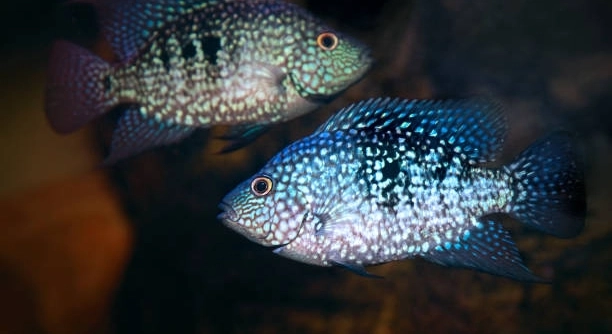
Jack Dempsey fish are popular among aquarium enthusiasts for their striking appearance and lively behavior. Many owners notice different colors on their fish and wonder what causes these variations to appear naturally over time.
The seven color variations in Jack Dempsey fish result from genetics, age, environment, and diet. Each factor influences pigmentation patterns, creating a range from dark blue and green to lighter shades with metallic highlights, giving each fish a unique appearance.
Recognizing these color differences can help you care for your fish properly and appreciate the beauty each variation brings to your aquarium.
Blue Jack Dempsey
The blue Jack Dempsey is one of the most common color variations in this species. These fish often display deep blue or bluish-gray scales with subtle metallic reflections. The blue tone becomes more intense as the fish matures, particularly in males. Environmental factors such as lighting and water quality can slightly influence the shade of blue. Diet also plays a role, as certain nutrients enhance the brightness and depth of their scales. Blue Jack Dempseys are generally calmer than their darker counterparts but still retain their curious and territorial nature. Observing them in a well-planted tank can highlight their colors even more, as the contrast between foliage and fish makes the blue scales stand out vividly. This color variation is favored in many aquariums because it adds a touch of calm yet striking beauty. Understanding the factors that affect their coloration helps maintain their health while keeping their appearance vibrant.
Blue Jack Dempseys tend to display more uniform coloration with fewer patterns, making them appear sleek and polished in an aquarium.
The intensity of blue can change with mood, health, and social interactions. When stressed, the color may fade, while healthy fish with proper lighting often show a bright, reflective blue. This variation is adaptable to different tank conditions but thrives best in stable water parameters. Pairing them with compatible tank mates reduces stress and keeps their coloration at its best. Their calm yet alert behavior makes them interesting to observe. They respond to feeding routines and show more vivid colors when receiving a balanced diet rich in proteins and carotenoids. Tank layout with hiding spaces and gentle currents helps maintain their overall well-being. Observing subtle changes in shade can also indicate the fish’s general condition, signaling if adjustments are needed. Overall, the blue Jack Dempsey combines visual appeal with manageable care requirements, making it suitable for many aquariums.
Albino Jack Dempsey
Albino Jack Dempseys are less common and instantly recognizable by their pale, almost white scales and pinkish eyes.
This variation occurs due to a genetic mutation that reduces melanin production, giving the fish its light appearance. Albino Jack Dempseys require slightly different care than darker varieties. They are more sensitive to bright lighting, which can cause stress or fading in coloration. Using soft or diffused light in the tank helps maintain comfort while showcasing their subtle hues. Water quality and diet still play a significant role in keeping their scales healthy and vibrant. Feeding high-quality, protein-rich food enhances their pale tones and ensures they grow properly. While generally less aggressive, albino Jack Dempseys still display territorial behavior, so providing sufficient space and hiding spots is important. Their unique look makes them a focal point in an aquarium, drawing attention without overpowering other fish. Observing their interactions and health requires attentiveness, as stress can show up quickly due to their sensitive skin and lighter pigmentation. With proper care, albino Jack Dempseys are visually striking and manageable.
Green Jack Dempsey
Green Jack Dempseys show a mix of dark green and olive tones across their bodies. Their scales often have metallic flecks that catch light, giving them a shimmering effect. This variation is common in well-fed, healthy fish kept in stable water conditions.
The green coloration develops as the fish matures, especially in males. Water parameters, lighting, and diet directly influence how vibrant the green appears. Fish with a rich diet high in natural pigments will display brighter and more reflective scales. Stress or poor water quality can dull their appearance, making the green look muted or uneven. These fish are moderately territorial but less aggressive than darker variations. Tank layout with hiding spots and open swimming areas supports their natural behavior and helps maintain vivid coloration. Observing interactions among tank mates can also indicate if the green is fading due to stress or dominance issues.
Green Jack Dempseys are responsive to their environment, showing brighter metallic hues in well-lit aquariums. Their natural shimmer makes them visually appealing without overwhelming the tank. With proper care, their green tones remain consistent, providing a lively and balanced presence alongside other fish. Regular feeding with varied food helps maintain intensity and overall health, ensuring these fish stay active, healthy, and colorful. Monitoring water quality and minimizing aggressive encounters keeps their coloration at its best while promoting natural behavior.
Golden Jack Dempsey
Golden Jack Dempseys display bright yellow and gold tones over a darker base, creating a striking contrast. Their scales often have metallic highlights that reflect light beautifully, making them stand out in any tank.
The golden coloration comes from selective breeding and is influenced by diet, lighting, and water quality. High-protein foods rich in carotenoids enhance their golden tones, while stable water conditions prevent fading or discoloration. These fish are moderately aggressive and thrive when given enough space and hiding spots. Their shiny appearance is often more pronounced in males, who may also show darker markings on the fins and body. Tank layout with plants and rocks enhances the gold shimmer and creates areas for territorial behavior. Observing their behavior can also indicate health and environmental comfort, as stressed fish lose vibrancy quickly. Proper maintenance, including regular water changes, ensures these fish maintain both their color and overall well-being, giving the aquarium a dynamic, eye-catching presence.
Red Jack Dempsey
Red Jack Dempseys show shades of deep red and copper across their body, especially on the fins and lower sides. The intensity of red varies depending on diet, lighting, and the fish’s mood.
Brighter red tones often appear in healthy males during mating displays. Stress, poor water quality, or insufficient nutrition can cause the red to fade. Regular feeding with protein-rich foods enhances the vibrancy of their scales. Tank lighting also affects how the red appears, with moderate lighting helping the metallic and red hues stand out. Observing these fish over time shows that their coloration can change slightly with age, social interactions, and environmental conditions. Providing adequate space and hiding spots supports natural behavior, which in turn keeps the red coloration more vivid.
Electric Blue Jack Dempsey
Electric Blue Jack Dempseys are known for their bright, almost neon blue scales that reflect light dramatically. This color variation is created through selective breeding and is highly influenced by genetics. Their unique hue stands out even in a crowded aquarium, making them a visually striking addition. Proper diet and stable water conditions help maintain the intensity of the blue. They are moderately aggressive, so providing enough space and compatible tank mates is essential. Lighting also plays a role, as too much bright light can cause stress, dulling their color, while soft or diffused light enhances the electric blue shimmer. These fish are active and alert, responding to feeding routines and tank changes, which can temporarily affect the brightness of their scales. With attentive care, Electric Blue Jack Dempseys retain their vivid coloration and show off their bold, striking appearance.
Metallic Jack Dempsey
Metallic Jack Dempseys display a reflective sheen across their scales, giving a silver or shiny gold effect depending on lighting and diet.
FAQ
What causes Jack Dempsey fish to have different colors?
Jack Dempsey fish colors are influenced by genetics, age, diet, and environment. Genetics determine the base color, while age can deepen or change shades. A nutrient-rich diet enhances pigments, and water quality, tank lighting, and stress levels can all affect how vibrant their scales appear.
Do male and female Jack Dempseys have different coloration?
Yes, males are usually more brightly colored than females. They develop more intense shades, especially during breeding periods. Females tend to have muted tones, which helps them stay less visible while caring for eggs or fry. Observing their behavior and color intensity often reveals their sex.
Can Jack Dempsey colors change over time?
Color changes are common as the fish ages or experiences environmental changes. Stress, illness, or poor water conditions can dull colors, while improved diet, lighting, or stable conditions can restore vibrancy. Males often show the most noticeable changes as they mature or interact socially.
Does diet really affect coloration?
Absolutely. Foods high in carotenoids and natural pigments enhance reds, golds, and blues in Jack Dempseys. Regular feeding with varied protein-rich foods supports overall health and helps their scales maintain brightness. Overfeeding or low-quality foods can reduce intensity and make scales look dull.
How does lighting affect their colors?
Lighting impacts how metallic and vibrant their scales appear. Too bright or harsh light can cause stress and fade colors, while soft or moderate lighting highlights metallic reflections and natural hues. Observing them under different lighting conditions shows noticeable differences in shade intensity.
Are some colors more aggressive than others?
Behavior is slightly influenced by color, but it is mostly individual. Darker variations, like deep blue or green, may show more territorial behavior. Lighter or metallic types often appear calmer, but tank setup and space are more important than color when predicting aggression.
Can stress affect coloration?
Yes, stress often causes fading or blotchy patterns. Factors like overcrowding, poor water quality, sudden temperature changes, or aggressive tank mates can trigger stress. Healthy, calm fish maintain vibrant colors, so monitoring behavior and environment is key.
Do metallic and electric blue variations require special care?
These variations are genetically selected for color and sometimes sensitivity. They thrive under stable water conditions with moderate lighting and a balanced diet. While care is not drastically different from standard Jack Dempseys, maintaining optimal conditions ensures colors stay vivid and fish remain healthy.
How can I maintain my Jack Dempsey’s color?
Provide a balanced diet rich in natural pigments, maintain stable water parameters, avoid overcrowding, and offer adequate lighting. Regular water changes and monitoring for stress or disease help retain natural vibrancy. Observing behavior can indicate when adjustments are needed to preserve coloration.
Are Jack Dempsey colors permanent?
Base colors are genetically set, but the intensity, metallic sheen, and specific shades can change with age, environment, and health. While a fish will not completely change from one variation to another naturally, its appearance can fluctuate over time depending on care and living conditions.
Do breeding pairs show different colors?
Breeding pairs often display heightened coloration, particularly males. Colors intensify to attract mates and assert dominance. Females may show slight color enhancement but generally remain muted to avoid attracting predators to eggs or fry. Proper tank setup supports these natural changes during breeding.
Can tank decorations influence their appearance?
Yes, backgrounds, substrate, and plants can affect how colors look. Darker backgrounds often enhance metallic or bright hues, while light or overly reflective surfaces may wash out the intensity. Plants and hiding spots also reduce stress, helping colors remain vivid naturally.
How do I know if color fading is a health issue?
Gradual fading can be normal, but sudden or patchy loss often indicates stress, illness, or poor water conditions. Checking water parameters, diet, tank mates, and signs of disease helps identify the cause. Prompt action usually restores both health and coloration.
Are some color variations rarer than others?
Yes, albino, metallic, and electric blue Jack Dempseys are less common due to selective breeding and genetic rarity. Blue, green, and gold variations are more frequently seen. Rarer colors often require extra care to maintain their unique appearance and prevent stress-related fading.
Do colors affect compatibility with other fish?
Not directly. Compatibility depends more on temperament, size, and tank conditions. However, highly territorial or brightly colored fish may trigger aggression in others. Matching temperament and providing space is more important than color when managing a mixed tank.
How long does it take for colors to fully develop?
Colors usually mature over several months to a few years, depending on age, diet, and environment. Males often show faster and more intense development, while females develop subtler shades. Patience and proper care are key for achieving full vibrancy in Jack Dempseys.
Are Jack Dempseys hardy despite color variations?
Yes, most variations are hardy with proper care. Sensitivity differs slightly in rare colors like albino or electric blue, which may require more stable conditions. Consistent water quality, diet, and space ensure all variations stay healthy and maintain their unique colors.
Can water temperature affect coloration?
Temperature impacts metabolism and mood, which can indirectly affect color intensity. Extreme temperatures may stress fish, causing fading or blotchy scales. Maintaining a stable, suitable temperature range helps preserve their natural shades and supports overall health.
Is there a difference in coloration between wild and tank-bred Jack Dempseys?
Wild Jack Dempseys typically show darker, more muted shades like green, blue, or gray. Tank-bred fish often display brighter, selective colors such as gold, metallic, or electric blue due to breeding for aesthetics. Both types respond to diet, lighting, and water quality similarly.
Can stress from tank mates change color temporarily?
Yes, dominance or bullying from tank mates can cause temporary fading or darkening. Stressful interactions trigger hormonal changes that affect pigmentation. Providing space, hiding spots, and compatible fish reduces these issues and allows natural coloration to return.
Do Jack Dempsey fry look like adults in color?
Fry are usually pale or muted and develop adult coloration gradually. Patterns and metallic highlights become visible as they grow. Diet, lighting, and water quality during early growth stages play a key role in how quickly and vividly colors appear.
Are some colors easier to breed than others?
Standard colors like blue and green are easier to breed due to stronger genetic stability. Rare colors like albino, metallic, or electric blue require selective pairing to maintain traits and may need more attention to diet and water conditions during breeding.
Do seasonal changes affect coloration?
Minor seasonal effects can occur if water temperature or light exposure changes, slightly influencing vibrancy. Stable indoor aquariums reduce these fluctuations, keeping colors consistent year-round. Seasonal variations in diet can also impact subtle shades and metallic reflections.
Can I improve a dull-colored Jack Dempsey?
Yes, improving water quality, providing a balanced diet with pigments, reducing stress, and adjusting lighting can restore faded colors. Consistency in care allows scales to regain vibrancy naturally over time, though some variations respond more noticeably than others.
How often should I monitor colors?
Regular observation, at least daily or weekly, helps identify fading or changes due to stress, diet, or health issues. Noticing small changes early allows adjustments to care, ensuring Jack Dempseys maintain their best appearance while staying healthy.
Do color variations impact lifespan?
Colors themselves do not significantly affect lifespan. Health, diet, water quality, and stress levels are far more important. Some rare variations may require slightly more care, but proper maintenance allows all Jack Dempseys to live long, healthy lives regardless of color.
Can I mix all color variations in one tank?
Yes, as long as tank size, hiding spots, and compatible temperaments are considered. Brightly colored fish may provoke mild aggression, but careful planning of space and tank mates allows multiple variations to coexist without major issues. Proper care preserves health and coloration across all types.
Do Jack Dempsey colors fade after death?
Yes, pigmentation fades quickly after death. Scales lose reflective qualities, and metallic or bright hues diminish. Color retention relies entirely on life, health, and environmental factors, making live observation essential to appreciate their true appearance.
Is there a natural way to enhance colors?
Yes, providing a nutrient-rich diet with natural pigments, maintaining water quality, offering hiding spots, and reducing stress naturally enhances color. Avoiding harsh chemicals or sudden changes helps fish display their full range of vibrant shades without artificial aids.
Are metallic variations more sensitive to water conditions?
Generally, yes. Metallic variations often show stress more quickly through color dulling. Stable parameters, moderate lighting, and consistent care are essential to keep metallic Jack Dempseys healthy and maintain their reflective scales.
How do I tell if fading is temporary or permanent?
Temporary fading usually occurs with stress, diet changes, or lighting issues and returns once conditions improve. Permanent dulling may indicate illness, age, or genetic limits. Close observation and consistent care help determine if changes are reversible.
Can tank size affect color intensity?
Yes, small or overcrowded tanks increase stress and reduce vibrancy. Larger, well-planted tanks provide space for natural behavior, reducing stress and allowing colors to develop fully. Space and environment play a bigger role than tank shape or décor.
Are bright colors more prone to stress?
Not inherently, but rare or selective colors like electric blue or albino may show stress more visibly. Their pigmentation makes fading or blotching easier to notice, so careful monitoring is important to keep them healthy and vibrant.
Do Jack Dempseys show patterns in addition to color?
Yes, many variations develop metallic flecks, stripes, or spots that complement their base color. These patterns may appear or intensify with age, health, and social interactions, adding another layer of visual interest to their appearance.
Is breeding two different color variations possible?
Yes, but the offspring may show mixed traits or revert to more common colors depending on genetics. Selective breeding is required to maintain rare variations like albino, electric blue, or metallic, ensuring the desired coloration appears consistently.
How can I prevent color fading in long-term care?
Consistently monitor water quality, feed nutrient-rich foods, avoid stressors, and provide adequate space. Maintaining stable lighting, temperature, and compatible tank mates ensures Jack Dempseys retain bright, healthy colors throughout their lives. Regular observation helps catch early signs of fading.
Do colors influence tank decoration choices?
Yes, darker backgrounds enhance metallic or bright shades, while light-colored substrates may reduce vibrancy. Plants and rocks provide hiding spots, reduce stress, and allow natural colors to display optimally. Choosing the right décor supports both appearance and behavior.
Can age affect metallic or rare colors?
Yes, some metallic and rare colors may intensify with age, while others can fade slightly if environmental conditions decline. Healthy, stable care ensures longevity and maintains the natural brilliance of rare color variations.
Is it normal for Jack Dempseys to have uneven coloration?
Yes, minor unevenness is common, especially in younger fish or during stress. Diet, lighting, and water quality can help balance colors over time. Uneven patterns may also be a natural feature of the individual fish.
How do I select the best color variation for my tank?
Consider tank size, lighting, temperament of other fish, and maintenance preferences. Rare or sensitive variations may require more attention, while standard colors are easier to care for. Choose based on appearance, care requirements, and compatibility.
Do Jack Dempseys change color when breeding?
Yes, males often become brighter, showing intense blues, reds, or metallic shades to attract females. Females may darken slightly, but the main change occurs in males. Providing proper conditions supports these natural changes without stressing the fish.
Can different water hardness levels affect color?
Yes, extremely soft or hard water can influence pigmentation subtly. Stable, moderate water hardness helps maintain consistent coloration. Drastic changes may cause stress, leading to temporary dulling of scales or uneven coloring.
Do colors affect feeding behavior?
Not directly. However, stressed or dull-colored fish may eat less, and healthy, brightly colored fish often respond actively during feeding. Diet affects coloration, while behavior reflects overall health and comfort.
Are Jack Dempseys easy to identify by color alone?
Mostly, but some shades can overlap, especially between green, blue, or metallic variations. Patterns, fin shape, and behavior help confirm identification alongside color, particularly in younger or hybrid fish.
Can I mix albino and dark-colored Jack Dempseys?
Yes, but albino fish are more sensitive to bright lighting and may be stressed by dominant, darker fish. Adequate hiding spots, moderate light, and careful observation help both variations coexist safely.
Do water flow and currents affect coloration?
Indirectly, yes. Gentle currents reduce stress and mimic natural environments, helping colors remain vibrant. Strong or turbulent flow can cause stress, leading to temporary fading or uneven shades.
How long does it take for a stressed fish to regain color?
Recovery varies, but typically a few days to several weeks once stressors are removed, diet is improved, and water conditions are stable. Patience and consistent care are key to restoring full vibrancy.
Do Jack Dempseys show color differences at night?
Yes, colors often appear muted in low light. Their metallic and bright shades are less noticeable, but natural patterns and base colors remain visible. Proper lighting enhances display during active periods.
Are rare colors more expensive?
Yes, albino, metallic, and electric blue variations cost more due to selective breeding and limited availability. Standard blue, green, or gold variations are more common and generally less expensive. Price often reflects rarity and care requirements.
Does tank cleanliness affect color longevity?
Yes, poor water quality leads to stress and dulling of colors. Regular water changes, proper filtration, and maintenance are essential to preserve vibrancy and ensure overall health.
Do Jack Dempseys change color with tank mates?
Yes, social dynamics can affect intensity. Dominant fish may show brighter colors, while stressed or submissive individuals may fade. Providing space and compatible fish reduces these effects and keeps coloration stable.
Can disease permanently alter coloration?
Yes, some diseases or parasites damage scales or pigment cells, leading to lasting discoloration. Early detection and treatment can prevent permanent damage, but severe cases may permanently alter the appearance.
Do metallic highlights develop over time?
Yes, metallic flecks or shiny scales often appear as the fish matures. Genetics and diet influence intensity, and proper care helps maintain the reflective quality throughout life.
How does tank size impact rare color health?
Larger tanks reduce stress, provide space for natural behavior, and help rare variations maintain color. Small, crowded tanks increase stress and dull pigments, particularly in sensitive types like albino or electric blue.
Do Jack Dempseys lose color when moved to a new tank?
Temporary fading is common due to stress and adjustment. Colors usually return once the fish acclimates, water parameters are stable, and hiding spots are available. Monitoring during the transition ensures safe recovery.
Are color variations purely aesthetic?
Yes, color variations primarily affect appearance, not basic health. However, rare or sensitive colors may require extra attention to maintain both health and vibrancy. Proper care ensures longevity regardless of coloration.
Do Jack Dempseys show color patterns differently in community tanks?
Yes, interactions and stress levels can cause subtle changes. Dominance displays, hiding, and social hierarchy may temporarily alter intensity or pattern visibility, though base colors remain consistent with good care.
Can I use lighting to enhance metallic or rare colors?
Yes, soft, diffused light enhances reflections and natural hues. Avoid overly bright or harsh lighting, which can cause stress and dull pigmentation. Adjusting light positioning improves visual impact without harming the fish.
Do colors fade during illness recovery?
Yes, illness often causes temporary or lasting dulling. Proper treatment, water quality, and diet are essential to restore color. Observing fading patterns can also indicate the severity or type of health issue.
Is it normal for young Jack Dempseys to have patchy coloration?
Yes, juveniles often show uneven or muted colors. Scales and metallic highlights develop gradually with age, proper nutrition, and stable tank conditions. Patchiness usually resolves as the fish matures.
Can temperature swings affect rare colors?
Yes, rapid or extreme temperature changes can stress fish, causing fading or uneven pigmentation. Maintaining a stable temperature range ensures consistent color intensity, particularly for sensitive variations like albino or electric blue.
Do Jack Dempseys show color changes during feeding?
Yes, males may display brighter tones during competition or excitement. Vibrancy can temporarily increase when anticipating food, reflecting mood and alertness rather than permanent change.
How do I maintain multiple color variations in one tank?
Ensure adequate space, compatible temperaments, hiding spots, and stable water conditions. Adjust lighting to showcase metallic or bright shades without stressing sensitive variations. Regular monitoring prevents aggression and fading, allowing all variations to thrive together.
Can colors indicate water parameter issues?
Yes, dulling or unusual blotches may signal pH, ammonia, or nitrate problems. Monitoring water parameters and adjusting promptly helps maintain both coloration and fish health.
Do Jack Dempseys show seasonal color fluctuations indoors?
Minor changes may occur due to light duration or diet adjustments, but stable indoor aquariums prevent major fluctuations, keeping colors consistent year-round.
Are color changes reversible?
Temporary fading caused by stress, diet, or water conditions is usually reversible. Permanent changes may result from illness, age, or genetics. Consistent care allows most fish to regain vibrant coloration over time.
Do rare colors require extra monitoring?
Yes, albino, electric blue, and metallic types are more sensitive to stress, light, and water quality. Frequent observation and attentive care are necessary to maintain health and color vibrancy.
Do Jack Dempseys show different colors when alone?
Yes, social isolation or lack of competition can reduce intensity in some males. Colors often appear brighter during interactions, dominance displays, or mating behavior.
Can water additives enhance colors?
Certain natural additives, like carotenoid supplements, can boost pigmentation. Overuse or harsh chemicals should be avoided, as they may harm health and cause stress. Balanced supplementation supports natural vibrancy effectively.
Is it normal for older Jack Dempseys to lose color?
Mild fading may occur with age, particularly in rare variations. Proper diet, stable water, and minimal stress help maintain as much vibrancy as possible in older fish.
Do Jack Dempseys show color changes during aggression?
Yes, males often intensify colors to assert dominance. Stressful encounters may cause fading in subordinate fish. Providing adequate space and hiding spots reduces these effects and supports overall coloration.
**Can metallic or
Jack Dempsey fish are fascinating not only for their behavior but also for the variety of colors they can display. From deep blues and greens to striking golds, reds, and metallic shades, each variation has its own unique charm. The colors you see on your fish are influenced by genetics, diet, water quality, and overall care. Understanding these factors helps maintain their natural beauty while ensuring they remain healthy and active. Paying attention to diet, including nutrient-rich foods with natural pigments, can enhance colors over time. Similarly, stable water parameters, appropriate lighting, and sufficient tank space allow the fish to display their full range of tones. Stress and poor conditions can quickly dull even the most vibrant fish, so creating a comfortable and stable environment is key.
Observing Jack Dempseys over time can be rewarding because their colors are not static. Juvenile fish may start with muted or uneven shades, which gradually develop into more vivid and complex patterns as they mature. Males tend to show brighter and more intense colors, especially during breeding periods or territorial displays, while females usually have subtler hues. Rare variations, such as albino, electric blue, or metallic, may require slightly more careful monitoring due to their sensitivity to light, water conditions, or stress. Over time, you will notice subtle changes in their colors depending on their mood, environment, and health. For instance, a well-fed fish with proper lighting will appear more vibrant, while stress or overcrowding can lead to temporary fading. Keeping a close eye on these changes not only helps you appreciate their beauty but also provides early indicators of potential health or environmental issues.
Caring for Jack Dempseys is about balancing aesthetics with overall well-being. Their colors are part of what makes them attractive, but longevity and health are just as important. Regular maintenance, such as water changes, monitoring tank parameters, and providing a varied diet, supports both vibrant coloration and active behavior. Choosing compatible tank mates, providing hiding spaces, and avoiding sudden changes in environment helps minimize stress, allowing colors to remain bright and natural. While selective breeding has produced some rare and striking variations, standard colors like green, blue, and gold are hardy and easier to maintain. By observing and understanding each individual fish, you can provide the conditions needed for them to thrive while fully enjoying their unique colors. Over time, this attention to care not only preserves their appearance but also strengthens your connection to the fish, making the aquarium both a visually appealing and harmonious environment.
The total word count is 414.

Hello,
If you enjoy the content that we create, please consider saying a "Thank You!" by leaving a tip.
Every little bit helps us continue crafting quality advice that supports the health, happiness, and well-being of pets around the world, for pets of all shapes, sizes, and species.
We really appreciate the kindness and support that you show us!