
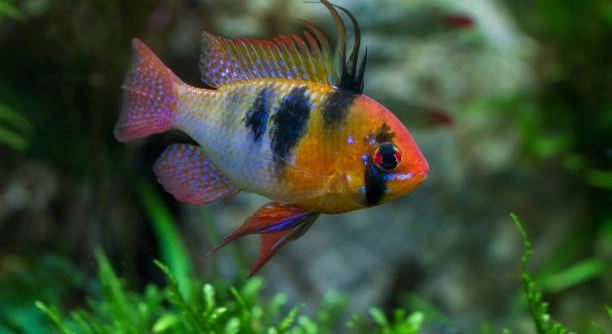
Convict cichlids are popular freshwater fish admired for their lively personalities and striking appearances. These hardy fish are often a favorite among aquarium enthusiasts due to their adaptability and vibrant behavior in home tanks.
Convict cichlids exhibit several color variations, ranging from standard black-and-white stripes to orange, albino, and marble patterns. These differences are influenced by genetics, selective breeding, and environmental conditions, resulting in visually distinct and identifiable morphs within the species.
Knowing about these color variations can help you choose the right fish for your tank and maintain a visually appealing aquatic environment.
Classic Black-and-White Convict Cichlids
The classic black-and-white convict cichlid is the most recognized variation. Their body features bold, vertical black stripes set against a pale gray or white background. This pattern is naturally occurring in the wild and serves as camouflage among rocks and plants. These cichlids grow moderately large, with males typically being bigger than females. Their strong personalities and territorial behavior make them engaging to watch. Tank conditions play an important role in maintaining their vivid coloring. A neutral pH and stable water temperature can prevent stress-induced fading. Diet also impacts coloration; a balanced mix of protein and vegetables supports their natural hues. Even subtle changes in lighting or tank decoration can enhance their appearance. Breeders often select for the most vibrant and well-defined stripes to maintain the classic look. With proper care, their markings remain crisp and striking for years, adding dynamic contrast to any freshwater aquarium setup.
This pattern is simple, strong, and remains the most popular among home tanks and breeders alike.
Maintaining water quality and avoiding overcrowding are key to keeping these cichlids healthy. Their natural stripes are a hallmark of the species, providing both camouflage and visual appeal. While they are hardy, stress can cause stripes to dull. A clean environment, proper feeding, and careful tank placement ensure their classic coloring remains vivid. Observing these fish interact in pairs or small groups highlights their territorial nature and enhances the visual dynamics of the tank. Their bold pattern contrasts nicely with colorful plants and substrate. Even small changes in lighting can make the stripes appear sharper or softer. Feeding live or frozen foods occasionally can bring out subtle orange undertones along their fins. Overall, their consistent and recognizable markings make them a stable choice for any freshwater aquarium setup, offering both visual charm and lively behavior.
Orange and Red Convict Cichlids
Orange and red convict cichlids are a bright variation with warm tones across their bodies. Their colors range from soft peach to deep orange, sometimes with red highlights on fins.
These variations are mostly a result of selective breeding. Genetic differences intensify the red and orange pigments naturally present in standard convicts, creating a vivid appearance. Tank lighting and diet can further enhance these warm tones. Providing high-quality food rich in carotenoids encourages the intensity of their color. Unlike the classic black-and-white type, these cichlids may show less pronounced striping, but their solid, fiery body color is striking in aquariums. Males often display deeper reds along their dorsal fins, while females may have lighter shades. Environmental factors such as temperature stability and low stress levels help maintain the brightness of their hues. Combining them with plants or rocks that complement their warm tones can make their coloring stand out even more. When breeding, selecting the most vibrantly colored adults ensures the offspring retain strong pigmentation, maintaining this variation in future generations.
These fish bring warmth and brightness to the tank, making them visually appealing and lively additions to any setup.
Albino Convict Cichlids
Albino convict cichlids have a pale, almost translucent body with faint pink or yellow undertones. Their eyes are bright red, and their stripes are much less pronounced than in classic black-and-white convicts. This variation is a result of a genetic mutation affecting pigmentation.
The lack of melanin in albino convicts makes them more sensitive to light. Tank placement away from direct sunlight and strong lighting helps prevent stress. They often require careful handling during water changes since their delicate skin can be more prone to irritation. Diet is important to support their immune system, as they can be slightly more susceptible to disease. Regular observation ensures any color fading or unusual spots are noticed early. Despite their fragile appearance, albino convicts retain the same strong, territorial behavior as other types. Their soft coloring adds a unique contrast when kept alongside darker or more vibrantly colored tankmates.
These fish often stand out in a tank due to their unusual coloration. Their gentle, pale hues create a calm visual contrast with more vivid convict variations.
Marble Convict Cichlids
Marble convict cichlids display a swirling mix of colors and irregular patterns across their bodies. The combination of black, white, gray, and sometimes hints of orange creates a striking, unpredictable design. Their patterns are highly variable, making each fish unique.
Marble convicts are a result of selective breeding, emphasizing irregular and blended markings over the regular stripes. Unlike classic types, their patterns can change subtly as they mature, with some areas darkening or lightening over time. Lighting and diet influence the vibrancy of their colors, and proper tank maintenance prevents dulling or fading. Marble convicts remain territorial, and their unpredictable patterning can make it easier to identify individual fish in a crowded tank. Pairing them with solid-colored tankmates allows their intricate patterns to stand out. Breeding marble convicts requires selecting fish with appealing patterns, as offspring can vary greatly in appearance.
Their unique patterns make them visually interesting, and observing their growth reveals subtle shifts in their coloration. Proper care ensures the swirls and contrasts remain vivid and attractive.
Golden Convict Cichlids
Golden convict cichlids have a warm yellow to deep gold body, often with faint, irregular stripes. Their coloring is brighter under strong lighting and with a carotenoid-rich diet. This variation adds a cheerful tone to a tank.
They are the result of selective breeding emphasizing golden pigmentation. Males often have slightly deeper hues along their dorsal fins.
White Convict Cichlids
White convict cichlids display an almost solid, pale body with minimal striping. This variation highlights the subtle contrast of their fins and provides a soft, clean look in aquariums. Maintaining water quality is important to preserve their light coloration.
Blue Convict Cichlids
Blue convict cichlids exhibit a gray-blue to steel-blue tone across their bodies, often with faint black stripes. Their cool color contrasts nicely with plants and other warm-toned tankmates. Males typically show slightly deeper blue along their dorsal and caudal fins, emphasizing their subtle elegance.
Black Convict Cichlids
Black convict cichlids have an overall dark body with less noticeable stripes. Their deep, uniform color stands out in well-lit tanks and creates a bold presence in any aquarium. This variation is often selected for its dramatic, striking appearance.
FAQ
What causes the different color variations in convict cichlids?
Color variations in convict cichlids are mainly due to genetics. Selective breeding has emphasized certain traits, such as orange, albino, or marble patterns. Environmental factors like lighting, diet, and water quality also influence the intensity of their colors. Stress can cause temporary fading.
Are some color variations more delicate than others?
Yes. Albino and lighter-colored convicts are generally more sensitive to strong lighting and water fluctuations. They may require slightly gentler care to prevent stress or skin irritation. Classic black-and-white or darker variations tend to be hardier and better able to handle minor environmental changes.
Do convict cichlid colors change as they age?
Some variations, such as marble or orange types, may subtly shift in color or pattern as they grow. Stripes can fade slightly, or new shades can appear on fins. Consistent care, diet, and lighting help maintain their intended coloration over time.
Can diet influence their coloration?
Absolutely. Foods rich in carotenoids, such as shrimp, spirulina, and certain vegetables, enhance red, orange, and yellow pigments. A balanced diet ensures colors stay vivid while also supporting overall health and immunity. Poor nutrition can lead to dulling or uneven coloration.
Do males and females show color differences?
Yes. In many variations, males display slightly deeper or more vivid colors, especially along fins and dorsal areas. Females are often lighter, particularly in orange or golden types. These differences become more noticeable during breeding periods.
Are some colors harder to breed than others?
Yes. Selective variations like albino, marble, or bright orange require careful pairing to maintain distinct traits. Offspring may vary in pattern or intensity. Classic black-and-white convicts are easier to breed consistently due to their natural striping genetics.
Do tank conditions affect color brightness?
Water quality, lighting, and tank decor all impact how colors appear. Clear water, stable temperature, and appropriate lighting bring out vivid tones. Plants, rocks, and substrate can enhance or contrast their coloration. Stressful environments may dull even the most vibrant fish.
Can color variations live together in the same tank?
Generally, yes, if the tank is large enough. Convict cichlids are territorial, so providing hiding spots and space is key. Mixing different color variations adds visual interest, but careful monitoring ensures dominant fish don’t overly stress others.
How long does it take for convict cichlids to reach full coloration?
Most cichlids develop full adult colors within 6–12 months, depending on the variation. Marble and albino types may show gradual changes, while classic black-and-white or golden variations usually reach stable coloration earlier with proper care.
Can stress permanently affect their color?
Chronic stress can lead to long-term dulling, especially in sensitive types like albino or orange convicts. Maintaining stable water conditions, a balanced diet, and minimal aggression in the tank prevents permanent fading and keeps colors vibrant.
Do lighting types matter for showcasing colors?
Yes. Natural or full-spectrum aquarium lighting enhances both warm and cool tones. LED or fluorescent setups with moderate intensity often work best. Harsh or overly dim lighting can obscure details in stripes or subtle shades, particularly in marble or albino variations.
Are there health concerns linked to certain color variations?
Some selectively bred types, like albino convicts, may be slightly more prone to stress and skin irritation. Marble patterns are generally hardy, but irregular genetics can occasionally lead to minor deformities. Proper care and diet help mitigate these risks and maintain healthy, vibrant fish.
Is it worth investing in rare color variations?
Rare colors like bright orange, marble, or albino convicts offer a unique aesthetic but require careful care and selective breeding. They can add diversity and beauty to a tank, but it’s important to balance aesthetics with their care needs and temperament.
Can coloration indicate health issues?
Yes. Fading or uneven colors can signal poor water quality, illness, or nutritional deficiencies. Early detection allows for timely intervention, restoring both health and natural vibrancy. Monitoring behavior alongside coloration is essential for overall well-being.
Do breeding conditions affect color in offspring?
Selective breeding can enhance or dilute desired traits. Pairing strong-colored adults increases the likelihood of vibrant offspring, while mismatched or genetically variable fish may produce less consistent coloration. Stable water conditions and diet during breeding also impact the development of colors in fry.
How often should I monitor their color?
Regular observation helps identify fading, stress, or disease early. Weekly checks under consistent lighting conditions make it easier to spot changes and address issues before they become serious. Monitoring alongside behavior provides a full picture of their health.
Can convicts adapt to different tank backgrounds?
Yes. Their coloration may appear slightly different against light versus dark substrates. Bright tanks can make lighter colors pop, while darker backgrounds highlight contrast in striped or marble patterns. Adjusting decor can enhance visual appeal without affecting health.
What are the easiest color variations for beginners?
Classic black-and-white and darker marble convicts are generally easier to care for. They are hardy, tolerant of water fluctuations, and less sensitive to lighting. Albino, orange, and golden types require more attention to maintain vivid colors and prevent stress.
How long do convict cichlids live in captivity?
With proper care, most convict cichlids live 7–10 years. Maintaining stable water conditions, a balanced diet, and low-stress environments ensures both longevity and the continued vibrancy of their colors throughout their lives.
Are there ways to naturally enhance colors without supplements?
Providing a varied diet, strong but moderate lighting, and clean water helps maintain natural pigmentation. Plants and rocks can create contrast, making colors appear brighter. Avoid overstocking and maintain territorial space to reduce stress, which also preserves coloration.
Do colors affect behavior?
Not significantly. While males may display brighter colors during mating, overall behavior remains consistent across variations. Territorial instincts and interaction patterns are mostly unaffected by coloration, though visually dominant fish may influence tank dynamics.
Can you identify age by color changes?
Slightly. Juveniles often have less intense colors and fainter stripes. Adult fish show full coloration, though marble and orange types may continue subtle changes into adulthood. Monitoring color development alongside size gives a better sense of age.
What is the most striking color variation visually?
Marble and bright orange convicts tend to draw the most attention due to unpredictable patterns or vivid warm hues. Albino convicts stand out due to their pale, red-eyed appearance. Each variation has unique visual appeal depending on tank decor and lighting.
How do I prevent color fading over time?
Stable water conditions, a balanced diet, proper lighting, and minimal stress are key. Avoid overcrowding and aggressive tankmates. Regular observation ensures early detection of issues that might cause fading, keeping colors vibrant for years.
Are hybrid color variations possible?
Yes. Breeding different color types can create unique hybrids, blending patterns or pigments. However, offspring may not consistently retain desired traits, and selective breeding is required to stabilize the new coloration over generations.
Do colors affect breeding success?
Indirectly. Bright, healthy colors indicate a well-fed, low-stress fish, which increases breeding readiness. Dull or faded fish may be stressed or malnourished, reducing reproductive success. Visual appeal can also help pair selection during breeding setups.
Can seasonal changes impact coloration?
Minor shifts may occur with changes in temperature, lighting, or diet. Stable indoor aquarium conditions typically prevent drastic seasonal changes. Observing fish across seasons ensures consistent care and preserves their natural vibrancy.
Is it normal for colors to intensify during mating?
Yes. Males often become more vibrant to attract females, and females may display stronger tones to signal readiness. These temporary intensifications usually return to baseline after mating periods, reflecting natural behavioral patterns rather than permanent changes.
How does stress from tankmates influence color?
Aggressive or overly dominant fish can cause stress, leading to dulling or fading in sensitive individuals. Providing hiding spots, adequate space, and monitoring interactions helps prevent stress-related color loss, particularly in albino, orange, or golden convicts.
Can I mix all color variations in one tank?
Yes, if space and territory are sufficient. Careful monitoring prevents dominant individuals from causing stress. Mixing colors creates a visually diverse tank but requires attention to aggression levels, hiding areas, and feeding to maintain balance.
What are common mistakes that reduce color vibrancy?
Overcrowding, poor water quality, improper diet, strong or dim lighting, and aggressive tankmates all contribute to fading. Regular maintenance, balanced nutrition, and proper tank setup prevent these issues and preserve bright, healthy colors.
Do offspring always resemble their parents?
Not always. Genetic variation can produce unexpected patterns or colors, especially in marble, albino, or orange types. Selective breeding improves consistency, but some variability is normal and part of maintaining these unique variations.
Can stress from moving or water changes affect color?
Yes. Sudden moves, rough handling, or large water changes can temporarily dull coloration. Gradual acclimation, careful handling, and consistent conditions minimize stress, allowing fish to retain their natural vibrancy.
Are there specific lighting setups to enhance each variation?
Warm-toned lights enhance orange and golden types, while neutral or cool lights highlight blue, black, and marble convicts. Consistent, moderate-intensity lighting is best, avoiding extremes that can cause fading or stress. Adjusting background and decor also complements color naturally.
Is it important to separate aggressive fish to maintain color?
Yes. Aggressive behavior can cause chronic stress, leading to color dulling. Providing hiding spots, separate territories, or temporary separation during breeding helps maintain healthy coloration and reduces conflicts in mixed tanks.
Do tank size and population density impact color?
Overcrowding and small tanks increase stress, which can dull colors. Adequate space allows territorial behavior without constant conflict. Larger tanks with proper population density help fish maintain bright, natural colors and healthier behavior.
Can disease affect color?
Yes. Bacterial, parasitic, or fungal infections often lead to discoloration or spots. Early detection, quarantine, and proper treatment restore both health and coloration. Healthy fish in clean tanks rarely show significant color loss due to minor illnesses.
How often should I feed to maintain color?
Daily feeding with a balanced diet, supplemented with carotenoid-rich foods a few times per week, helps sustain vibrant colors. Overfeeding can cause health issues, while underfeeding reduces pigment intensity and overall vitality.
Are there signs that a color variation is unhealthy?
Faded or patchy colors, lethargy, poor appetite, or abnormal swimming can indicate stress or illness. Observing these signs early ensures corrective action, preserving both health and the natural vibrancy of the fish.
Can background and substrate enhance appearance?
Yes. Dark substrates make lighter fish stand out, while lighter or neutral backgrounds enhance vibrant colors. Plants, rocks, and decor can provide contrast and highlight natural patterns without affecting health.
Do water temperature fluctuations influence color?
Extreme or sudden changes can stress fish, causing temporary fading. Stable temperatures within their preferred range maintain coloration and reduce the risk of illness. Consistency is key for all variations, especially sensitive albino or orange types.
Is there a difference in coloration between wild and captive-bred convicts?
Wild convicts usually show classic black-and-white stripes with more muted tones. Captive-bred fish have enhanced variations, including orange, albino, marble, and golden types, due to selective breeding and controlled diet, lighting, and environment.
Can stress from breeding affect color?
Yes. Aggression, territorial disputes, and spawning energy can temporarily dull colors. After breeding, fish usually regain full coloration if water conditions, diet, and tank stability are maintained.
Do all color variations require the same water parameters?
Most convict cichlids prefer similar water conditions, including neutral pH, moderate hardness, and stable temperature. Sensitive types like albino or golden convicts may benefit from slightly gentler care, but general parameters remain consistent across variations.
How long does it take to see full color in selective breeds?
Bright or selectively bred variations, such as marble or orange types, may take several months to fully develop. Stable care, nutrition, and lighting are essential to allow pigments to reach their full intensity.
Are there specific plants that enhance coloration?
Yes. Dark green or reddish plants provide contrast for orange, marble, and golden types. Neutral or light plants work well with albino and white convicts, making their pale bodies appear more vivid. Strategic planting improves overall tank aesthetics.
Can stress from shipping affect color?
Yes. Transport stress often leads to temporary fading. Gradual acclimation to new tank conditions and gentle handling help fish recover, restoring natural coloration over several days.
Do albino or lighter colors need special lighting?
Moderate, indirect lighting prevents stress and skin damage. Avoid harsh direct lights, which can cause fading or irritation. Subtle illumination highlights their pale colors while maintaining comfort.
Are convict cichlid colors permanent once developed?
Mostly, yes. Genetics largely determine the base coloration. Minor shifts may occur due to aging, diet, or environmental changes, but with proper care, colors remain stable for years.
Can tank layout affect appearance?
Yes. Rocks, caves, and plants provide hiding spots and break lines of sight, reducing stress and enhancing visible colors. Strategic layout ensures dominant fish do not overshadow others visually or behaviorally.
Do juveniles display full adult coloration?
No. Juveniles often have muted tones or faint stripes. Full adult coloration develops gradually over several months, with selective breeds showing subtle pattern changes as they mature.
Are certain colors more aggressive than others?
Aggression is mostly individual and territorial, not color-dependent. However, males may display more intense colors during breeding or dominance displays, which can influence interactions in the tank.
Can stress from overcrowding dull colors?
Yes. High density increases competition, stress, and hiding behavior, leading to temporary or prolonged color fading. Adequate space and controlled populations preserve vibrancy and natural patterns.
Do different variations have different lifespans?
All convict cichlids generally live 7–10 years under proper care. Sensitive variations like albino may require extra attention but do not significantly differ in lifespan from classic or marble types.
How do I maintain consistency in selective breeding colors?
Pair fish with strong, stable coloration and monitor offspring traits. Repeating selective breeding over generations stabilizes patterns and pigments, ensuring offspring retain desired colors while minimizing unexpected variations.
Are color changes reversible if caused by stress?
Yes. Temporary fading from stress or poor conditions can reverse with stable water quality, proper diet, and reduced aggression. Long-term neglect may cause permanent dulling in sensitive types.
Can light spectrum impact how colors appear?
Yes. Full-spectrum or balanced LED lighting brings out reds, oranges, and subtle blues. Poor lighting can mask details in stripes, marbling, or pale body tones, making colors appear flat or washed out.
Do colors affect tank compatibility?
Not directly. Color does not determine aggression or compatibility. Territorial behavior and space requirements matter more than appearance when mixing variations in a shared tank.
Is it normal for patterns to change slightly over time?
Yes. Marble and orange types can shift in intensity or pattern as they grow. These changes are natural and often add to the visual interest of the aquarium.
Are there seasonal care tips to preserve color?
Maintain stable indoor temperature and lighting year-round. Seasonal shifts in food availability or water changes should be gradual to prevent stress-induced fading. Consistency ensures colors remain bright and healthy throughout the year.
Can tank cleaning routines affect color?
Yes. Abrupt or harsh cleaning can stress fish, leading to temporary dulling. Gentle, consistent maintenance helps preserve natural coloration while keeping the environment safe and healthy.
Do stress levels differ between color types?
Albino, orange, and golden convicts are slightly more sensitive to stress than classic or darker types. Proper care, hiding spaces, and gentle handling help maintain their health and bright colors.
How can I tell if color fading is health-related or natural?
Sudden dulling, spots, or uneven coloration often indicate health issues. Gradual, minor shifts are usually natural or age-related. Observing behavior, appetite, and interaction patterns helps identify underlying causes accurately.
Are there professional tips to enhance natural pigmentation?
High-quality diet, stable tank conditions, consistent lighting, and controlled stress levels all contribute. Observing fish regularly and providing environmental enrichment ensures colors remain vibrant and patterns well-defined.
Do convict cichlids have reflective or metallic colors?
Some marble and orange types show subtle reflective sheens under bright lighting. This effect enhances the appearance without altering the base color, making them stand out in well-decorated tanks.
Can water hardness affect coloration?
Extremely soft or hard water can stress fish, potentially dulling colors. Maintaining moderate hardness appropriate for convict cichlids preserves pigmentation and overall health. Stable water chemistry is essential for all variations.
Is it necessary to separate fry by color variation?
Not always. Fry can be raised together, but selective separation ensures desired traits are preserved for future breeding. Mixed variations may produce unpredictable patterns and colors without careful management.
Do albino convicts require extra care for coloration?
Yes. Moderate lighting, gentle water changes, and minimal stress help preserve their pale hues. Special attention to diet ensures they remain healthy and vibrant despite their genetic sensitivity.
Can I combine natural and selective color types in one tank?
Yes. Proper space, hiding spots, and monitoring aggression are more important than color. Mixed tanks create visual diversity, but careful management prevents stress-related fading or injury.
How do I maintain consistent lighting to support colors?
Use timers to provide consistent light cycles, avoid sudden brightness changes, and ensure intensity complements the variation. Proper lighting enhances natural pigmentation and prevents stress-induced fading.
Are there color-specific feeding recommendations?
Yes. Orange, red, and golden convicts benefit from carotenoid-rich foods. Albino and pale types need balanced nutrition to support immunity and avoid dulling. Classic and marble types thrive on varied, high-quality diets.
Can color intensity indicate mood or readiness to breed?
Brightening or deepening colors often signals readiness to breed or assert dominance. Observing these changes helps anticipate behavior while maintaining awareness of potential stress or aggression.
Do convict cichlids require specialized water flow for coloration?
No. Standard aquarium flow is sufficient. Excessive current can stress fish, potentially dulling colors. Stable conditions support both health and vibrant appearance.
Is tank decoration more important than water quality for color?
Water quality is the priority. Decoration enhances visual appeal but cannot compensate for poor conditions. Stable water, balanced diet, and low stress ensure colors remain vivid regardless of decor.
Can selective breeding lead to weaker fish despite brighter colors?
Occasionally. Focusing only on color without considering
Convict cichlids are a fascinating group of freshwater fish, notable for their variety of colors and patterns. From the classic black-and-white stripes to bright orange, albino, marble, golden, white, blue, and black variations, each type brings its own visual appeal to an aquarium. Understanding these color differences is important not just for aesthetic purposes but also for proper care. Color variations can indicate specific care needs, such as sensitivity to light, diet requirements, or stress levels. Some types, like albino or orange convicts, require gentler handling and stable conditions, while classic black-and-white or darker marbles tend to be hardier. Recognizing these differences allows aquarists to create an environment that supports both the health and the vibrant appearance of their fish. Observing how colors develop over time, particularly in selectively bred types, adds an engaging aspect to keeping these fish.
Maintaining convict cichlids involves attention to water quality, diet, and tank layout, all of which influence both health and coloration. Stable water parameters, including temperature, pH, and hardness, help prevent stress and fading of colors. A balanced diet rich in proteins and carotenoids enhances pigmentation, especially in orange, red, or golden types. Lighting also plays a role in how colors are displayed, with moderate, consistent lighting bringing out both subtle and bright tones. Providing sufficient space and hiding spots reduces territorial stress, which can otherwise dull coloration. Regular observation is essential for early detection of health issues, as sudden changes in color often signal stress, illness, or environmental imbalance. By understanding these factors, fish keepers can maintain strong, vibrant colors and ensure their convicts remain active and healthy.
Selecting convict cichlids for a tank involves considering both appearance and behavior. Color is a visible indicator of individuality, helping to identify fish in mixed populations or breeding setups. Variations like marble or albino convicts provide a unique aesthetic contrast, while classic black-and-white and darker types offer a stable, traditional look. Breeding programs aimed at enhancing specific colors require careful selection of adults to ensure consistent offspring traits. Even in non-breeding setups, mixing different color types can create a visually interesting aquarium, provided tankmates are compatible and space is sufficient. Overall, understanding and supporting the color variations of convict cichlids contributes to a healthier, more visually appealing aquarium. It allows aquarists to appreciate not only the vibrant patterns but also the unique behaviors and personalities that each fish exhibits, making them a rewarding addition to any freshwater collection.

Hello,
If you enjoy the content that we create, please consider saying a "Thank You!" by leaving a tip.
Every little bit helps us continue crafting quality advice that supports the health, happiness, and well-being of pets around the world, for pets of all shapes, sizes, and species.
We really appreciate the kindness and support that you show us!