
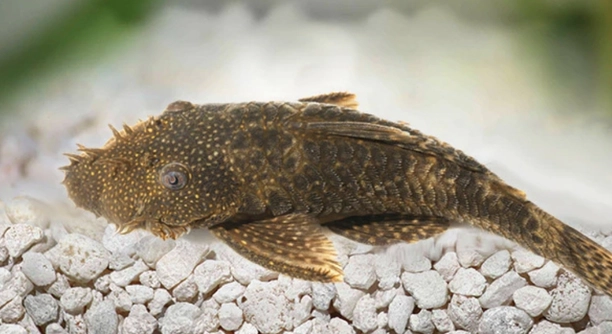
Plecos are a fascinating species, known for their unique colors and patterns. If you’re a pleco owner, you may have noticed changes in your fish’s coloration. These shifts can be caused by a variety of factors, each telling a different story.
Plecos can undergo color changes due to environmental factors, health issues, or changes in their diet. The colors may vary in intensity or even shift entirely, depending on their condition and surroundings. Understanding these changes is essential for their care.
Knowing how to identify these shifts will help you better understand your pleco’s well-being. It’s important to keep an eye on their color changes and take necessary actions when needed.
1. Natural Color Changes in Plecos
Plecos often change colors naturally as they grow. When young, their skin might appear darker or lighter than when they mature. This change is typical as they age and their bodies adapt to different conditions. For example, young plecos may have a duller, greyish color, while adult plecos show more vibrant hues. These color shifts don’t necessarily signal a problem.
Changes in a pleco’s color as it matures are simply part of their development. Depending on their species, they might become darker or lighter, which is completely normal. The growth process involves hormonal and environmental adjustments that influence pigmentation.
It’s also common for plecos to become darker when they feel stressed or threatened. While these color shifts are often temporary, consistent changes may signal a deeper issue. When this happens, it’s a good idea to observe your pleco’s behavior and make sure it’s not due to any underlying stressors. If their environment isn’t suitable, this could contribute to the change in color. Monitoring water conditions and temperature is a simple way to ensure your pleco’s well-being.
2. Diet-Related Color Changes
A pleco’s diet can have a noticeable effect on its appearance. Certain foods can intensify or change the color of their scales.
Feeding your pleco a varied diet can help maintain healthy, vibrant colors. For example, foods rich in carotenoids, like spirulina or certain types of algae, can enhance the natural shades of orange or yellow in some species. On the other hand, if they’re fed an unbalanced diet, their colors might dull. Plecos with less access to these nutrients may appear paler or washed out.
It’s important to make sure your pleco gets a variety of foods to maintain its color and health. Offering high-quality pellets, algae wafers, and occasional fresh veggies can go a long way. This balanced diet helps boost their energy and keeps them looking their best. Regular feeding will also help prevent any deficiencies that could cause fading or unnatural color changes.
3. Stress and Environmental Factors
Stress can cause noticeable color changes in plecos. When stressed, plecos may appear darker or lighter than usual, which is often a sign of discomfort.
Plecos are sensitive to changes in their environment. Poor water quality, sudden shifts in temperature, or overcrowding can trigger stress. These stressors cause a hormonal response, affecting the color of their skin. Plecos might turn dark, signaling discomfort or fear. If the environment improves, their colors should return to normal.
For plecos to stay healthy, it’s important to maintain stable water conditions. Regular water changes and monitoring tank parameters like pH, ammonia, and temperature help reduce stress. Ensuring the tank is well-maintained can keep your pleco’s colors vibrant and prevent unnecessary stress.
4. Illness and Health Concerns
Health issues can also lead to changes in a pleco’s coloration. When they are sick, their color may dull or shift.
If your pleco suddenly loses its vibrant hues, it could be a sign of an illness. Conditions like fungal or bacterial infections often cause pale or blotchy colors. These health problems need to be addressed quickly to prevent further complications. Look for other signs of illness, such as lethargy, loss of appetite, or abnormal swimming behavior.
It’s vital to address any health issues promptly. A change in color alone is not always enough to determine illness, but it’s an important warning sign. If you notice a sudden change, closely observe your pleco’s behavior and water conditions. Proper care and quick action will ensure your pleco stays healthy.
5. Lighting and Tank Placement
Lighting can impact a pleco’s appearance. Bright or overly dim light may cause color shifts.
Plecos are nocturnal, and too much light can stress them out. They might appear lighter or darker based on the lighting in their tank. Proper lighting will help them maintain their natural color.
If your pleco seems stressed or its color changes drastically, consider adjusting the lighting. A more natural light cycle that mimics day and night can help your pleco feel secure. Ensure the tank has areas where your pleco can hide from direct light, offering a balance of light and darkness.
6. Genetics and Species Variations
Genetics play a big role in the color changes of plecos. Some species naturally change colors more than others.
Plecos come in various species, each with unique coloration patterns. For example, some plecos may become darker or lighter based on genetic traits. While these color changes can be noticeable, they aren’t typically a concern. Understanding your pleco’s species helps you anticipate any natural color variations.
FAQ
Why do plecos turn darker?
Plecos can turn darker due to stress, water quality issues, or environmental changes. When they feel threatened or uncomfortable, their color darkens as part of their natural response. Stressors like poor water conditions, overcrowded tanks, or sudden temperature changes can trigger this. It’s essential to monitor the tank’s water parameters and ensure the pleco has a comfortable space to help maintain their color.
Can diet affect a pleco’s color?
Yes, a pleco’s diet can significantly impact its coloration. A well-balanced diet, including algae, spirulina, and high-quality pellets, helps maintain vibrant colors. Deficiencies in nutrients, particularly carotenoids, can lead to dull or pale coloring. If your pleco lacks the right foods, consider adding more variety to its meals.
What should I do if my pleco’s color fades?
If your pleco’s color fades, it might be a sign of stress, illness, or poor diet. Start by checking the water quality and ensuring it’s suitable for your pleco’s species. Perform a water change if needed and test for ammonia, nitrites, and pH levels. A change in diet or introducing hiding spots can also help.
How can I prevent my pleco from changing color?
While some color changes are natural, you can prevent excessive or sudden changes by maintaining a stable environment. Keep the water clean, the temperature steady, and avoid overcrowding. Providing hiding spaces and feeding a varied diet can also help your pleco stay healthy and maintain its color.
Is it normal for plecos to lighten in color?
Yes, plecos can lighten in color for various reasons. Aging, diet changes, or environmental factors like lighting can cause their colors to fade. If the light intensity is too high, they may appear lighter than usual. Ensure they have a balanced environment and a proper light cycle to avoid unnatural lightening.
Do plecos change color as they grow?
Plecos do change color as they mature. Young plecos often have duller or lighter colors that become more vibrant as they grow. This is a natural process and is not usually a cause for concern. Species like the common pleco are known to undergo more noticeable color changes as they age.
Why is my pleco turning white?
If your pleco is turning white, it could be a sign of an illness, such as a fungal infection, or a response to poor water conditions. It’s important to observe other signs, such as lethargy or loss of appetite, to identify whether there is a health issue. Testing water quality and consulting a veterinarian can help you address the problem.
Can plecos change color during breeding?
Yes, plecos may exhibit color changes during breeding. These changes are often temporary and can range from darker or lighter shades. Breeding behaviors, such as marking territories or attracting mates, can trigger color shifts. These are natural responses that usually return to normal once the breeding process is over.
How can I help my pleco’s colors stay vibrant?
To keep your pleco’s colors vibrant, ensure it has a balanced diet, clean water, and stable tank conditions. Feed it foods that are rich in nutrients like spirulina and high-quality pellets. Regular water changes, proper filtration, and a consistent light cycle will also help maintain its color.
What environmental changes can cause color shifts in plecos?
Environmental changes like fluctuating water temperature, lighting conditions, and poor water quality can cause color shifts in plecos. Stress from these changes can lead to darker or lighter coloration. To minimize these shifts, try to keep the tank conditions stable, providing a comfortable environment for your pleco to thrive.
Is it normal for plecos to change colors as they age?
Yes, it’s normal for plecos to change color as they age. As they mature, their skin may become darker or lighter depending on the species. These natural changes are part of their development and do not usually indicate a health issue. Keep monitoring your pleco’s condition to ensure it stays healthy during this transition.
Final Thoughts
Plecos are fascinating fish that often undergo color changes throughout their life. While these changes can be surprising, they are generally normal and part of their growth process. From natural development to shifts caused by their environment, diet, or even stress, understanding the reasons behind these color changes can help ensure your pleco stays healthy. It’s important to remember that not all color shifts are signs of distress or illness. Often, they are simply a response to changes in their surroundings or life stage.
By paying attention to the water conditions, providing a balanced diet, and maintaining a stress-free environment, you can help your pleco maintain its best possible color. It’s essential to monitor the tank’s parameters regularly, such as temperature, pH, and ammonia levels. Any drastic or sudden color change might indicate something’s not quite right, but small shifts in color are typically nothing to worry about. Keeping your pleco’s habitat stable will go a long way in reducing any unwanted color changes caused by stress.
Ultimately, understanding the factors that influence color changes in plecos will allow you to provide the best care for them. Whether it’s adjusting the light, improving their diet, or reducing stress, small adjustments can make a significant difference. By staying aware of these factors, you can ensure your pleco remains a vibrant and healthy member of your aquarium for years to come.

Hello,
If you enjoy the content that we create, please consider saying a "Thank You!" by leaving a tip.
Every little bit helps us continue crafting quality advice that supports the health, happiness, and well-being of pets around the world, for pets of all shapes, sizes, and species.
We really appreciate the kindness and support that you show us!