
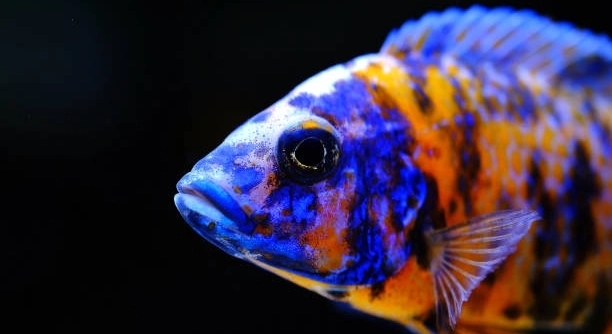
Many people enjoy keeping convict fry as part of their aquarium, but feeding them the right amount can be tricky. Overfeeding can harm the fish, the tank environment, and even the balance of your aquatic setup.
Overfeeding convict fry typically results from excessive portions or frequent feeding sessions. This can lead to poor water quality, slowed growth, increased disease risk, and abnormal behavior, all of which negatively impact both the fish and their overall habitat.
Recognizing subtle signs of overfeeding is essential for the health of your fry. Small changes can make a big difference in maintaining a balanced and thriving aquarium environment.
Uneaten Food Accumulating in the Tank
When convict fry are overfed, leftover food often settles at the bottom of the tank. This uneaten food decomposes quickly, releasing ammonia and other harmful chemicals into the water. Over time, the water quality declines, stressing the fry and slowing their growth. Even small amounts of leftover food can have a big impact because fry are more sensitive than adult fish. Watching for excess food after feeding is a simple way to spot overfeeding early. Regularly removing uneaten food helps maintain a clean environment. Adjusting portion sizes according to the number of fry and their size can prevent accumulation. Feeding smaller amounts multiple times a day is safer than giving large portions at once. By keeping the tank clean, fry remain healthy, active, and less prone to disease, making tank maintenance easier for anyone managing a small aquarium.
Leftover food that sinks or floats is an immediate sign that feeding amounts should be reduced.
Maintaining proper feeding habits prevents a buildup of organic waste, which can cause oxygen depletion and encourage algae growth. Overfeeding not only affects the water but also encourages abnormal eating behaviors. Fry may become dependent on excessive food, refusing to forage naturally. Adjusting feeding routines ensures both a cleaner tank and healthier fish. Consistency and observation are key. Watching how much the fry eat within a few minutes after feeding gives a clear indication of the correct portion. By gradually reducing portions until most of the food disappears quickly, you can strike the right balance. This method helps establish a routine that supports growth, reduces stress, and prevents water contamination. Proper feeding habits, combined with regular water changes and tank cleaning, create a stable environment where convict fry can thrive.
Bloated or Swollen Belly
A bloated belly in convict fry is a common sign of overfeeding. It usually appears as a rounded or swollen stomach, sometimes making the fish swim awkwardly or appear lethargic. This condition can be caused by overeating or poor digestion from unsuitable food.
Overfeeding can lead to digestive problems and slower movement in fry, affecting their overall development.
Digestive issues from overfeeding can make fry more vulnerable to disease and stress. When the stomach is constantly full, the fish’s body struggles to process all the food efficiently. Fry may float near the surface or bottom, showing discomfort. Swollen bellies can also be linked to drops in water quality, as uneaten food produces toxins. Monitoring portion sizes and the fry’s reactions after eating helps prevent these problems. Feeding smaller amounts more frequently ensures the fry can digest their meals properly. Choosing easily digestible food is also important. Observing the fish daily allows for quick adjustments to feeding habits, which protects growth and promotes healthy activity. Consistent care, including removing uneaten food and keeping water conditions stable, minimizes bloating and supports the fry’s overall well-being, giving them a better chance to thrive.
Rapid Water Cloudiness
Overfeeding convict fry often causes the water to become cloudy quickly. Excess food and waste particles break down, creating a murky environment that stresses the fish and can lead to poor health.
Cloudy water reduces oxygen levels and can encourage harmful bacteria growth. The breakdown of leftover food releases ammonia, which is toxic to fry even in small amounts. Over time, these changes in water chemistry can slow growth and increase susceptibility to illness. Regular water testing and partial water changes are essential to maintain clarity. Monitoring feeding amounts closely helps prevent water from becoming overloaded with waste. Adjusting portions so that all food is eaten within a few minutes minimizes cloudiness and keeps the tank healthier for the fry. Observing the water daily allows for quick responses before conditions worsen.
Keeping the tank clear involves careful portion control and frequent cleaning. Removing uneaten food promptly, vacuuming the substrate, and changing water regularly ensures the environment remains stable. Fry can thrive in clean water, swim actively, and show normal feeding behaviors. Balancing the feeding schedule with tank maintenance prevents rapid water cloudiness and promotes long-term health, making it easier to enjoy a lively and vibrant aquarium.
Stunted Growth
Fry that are consistently overfed may show slower or uneven growth compared to properly fed counterparts. Their bodies struggle with digestion and water quality issues, which can hinder development.
Stunted growth occurs when fry expend energy processing excess food rather than building muscle and organs. Overfed fry may appear smaller or thinner than expected for their age, even if they seem active. Nutrient imbalances from constant overfeeding can further impact growth, leaving fry weaker and more prone to disease. Monitoring size, activity, and feeding response allows for early intervention. Reducing portions and ensuring food is appropriate for fry size supports healthier growth rates.
Adjusting feeding habits improves both growth and overall health. Fry that receive moderate, controlled portions develop more uniformly and show better energy levels. Proper nutrition combined with stable water conditions ensures fry reach their potential size and remain active swimmers. Avoiding overfeeding also reduces stress, which contributes to healthier immune responses and less vulnerability to illness. Maintaining consistency in feeding routines helps fry adapt, digest efficiently, and grow steadily, creating a balanced environment where all individuals can thrive equally.
Frequent Fungal Growth
Overfeeding can quickly encourage fungal growth in the tank. Uneaten food and organic waste provide a perfect environment for fungus to develop, affecting both fry and the overall tank cleanliness.
Fungal infections weaken fry, making them more vulnerable to other diseases. Early detection and water cleaning are essential to prevent spread and maintain a healthy environment for young fish.
Irregular Swimming Patterns
Fry that are overfed often display irregular swimming behaviors. They may float near the surface, dart erratically, or struggle to stay upright due to discomfort or bloating from excess food.
These patterns indicate stress or digestive issues caused by overfeeding. Adjusting portions and maintaining clean water helps fry regain normal activity and reduces the risk of long-term health problems.
Rapid Algae Growth
Excess food in the tank fuels algae blooms, which can quickly cover surfaces and reduce water quality. Algae compete with fry for oxygen, creating additional stress in the aquarium.
Monitoring feeding amounts and removing uneaten food promptly keeps algae growth under control. A clean tank promotes better swimming conditions and overall fry health.
FAQ
How much should I feed convict fry each day?
Feeding convict fry should be done in small, controlled amounts. A good rule is to offer only what they can eat in 2-3 minutes, two to three times a day. Overfeeding even once can quickly pollute the water and cause digestive issues. Monitor how much disappears during feeding, then adjust the portions gradually. The goal is to ensure all food is consumed without leftovers. Using a small spoon or dropper helps control portions and prevents accidental overfeeding.
What happens if I accidentally overfeed them once?
A single instance of overfeeding may not cause long-term harm if addressed quickly. Remove any uneaten food and perform a partial water change to prevent water quality issues. Keep observing the fry for bloating, sluggish behavior, or unusual swimming patterns over the next 24-48 hours. Ensuring the tank remains clean and monitoring their reaction helps minimize any stress or health problems caused by the excess food.
Can overfeeding affect their growth?
Yes, overfeeding can negatively affect fry growth. Excess food can cause digestive problems, leading to nutrient imbalances. Fry may appear bloated but still fail to develop properly. Stunted growth occurs when their bodies focus on digesting excess food rather than building muscle and organs. Maintaining proper feeding portions and monitoring their size over time ensures steady, healthy growth.
Why is the water turning cloudy so fast?
Cloudy water usually results from excess food breaking down and mixing with waste. Overfeeding accelerates this process, allowing bacteria and algae to multiply quickly. Cloudiness reduces oxygen levels and increases toxins in the water, stressing the fry. Regular cleaning, vacuuming the substrate, and reducing portions can prevent this problem. Observing the water daily helps maintain clarity and keeps the fry active and healthy.
How do I know if a fry is bloated?
A bloated fry has a rounded or swollen belly that looks larger than usual. The fish may struggle to swim properly or float near the surface or bottom. Lethargy and a lack of appetite often accompany bloating. Observing the fry after each feeding and comparing their shape with healthy tankmates helps detect early signs. Adjusting feeding portions and using easily digestible food can prevent further swelling and improve comfort.
Can overfeeding cause fungal infections?
Yes, excess food promotes fungal growth in the tank. Leftover food and waste create an ideal environment for fungus to thrive. Fungal infections weaken fry and make them more susceptible to other diseases. Promptly removing uneaten food, maintaining clean water, and regular tank maintenance help reduce the risk of infection. Paying attention to water quality and feeding habits is the most effective prevention method.
Does overfeeding affect algae growth?
Overfeeding directly contributes to rapid algae growth. Uneaten food adds nutrients that algae need to grow, causing blooms that cover tank surfaces and compete with fry for oxygen. Controlling food portions, removing leftovers, and performing regular water changes prevent algae from spreading excessively. A cleaner tank encourages better swimming conditions and reduces stress on the fry.
How can I prevent overfeeding in the future?
Use small portions and feed only what the fry can consume quickly. Observe them closely and adjust amounts based on size and activity. Feeding multiple times a day in tiny amounts is safer than giving one large portion. Keeping track of leftover food and performing regular water maintenance ensures a healthy environment. Consistency and observation are key to preventing overfeeding and keeping the fry thriving.
What type of food is best for convict fry?
Easily digestible foods are ideal, such as finely crushed flakes, powdered fry food, or small live foods like infusoria. Avoid foods that are too large or slow to sink, as these can cause leftover debris and digestive stress. Rotating food types provides balanced nutrition and helps fry grow steadily while reducing the risk of bloating and water contamination.
Can overfeeding cause behavioral changes?
Yes, fry may become less active, swim erratically, or fight more when overfed. Digestive discomfort, stress from poor water quality, and competition for food can lead to unusual behavior. Maintaining proper feeding routines, removing excess food, and monitoring tank conditions help fry remain calm, active, and healthy, promoting better overall growth and behavior.
This FAQ provides practical guidance for managing convict fry feeding, keeping them healthy, and maintaining a balanced tank environment. By paying close attention to portions, water quality, and fry behavior, overfeeding problems can be effectively prevented and corrected.
Word count: 556
Overfeeding convict fry is a common issue that can easily happen, even with careful tank owners. The effects of overfeeding are often subtle at first, like small amounts of leftover food or slightly cloudy water. These small signs can quickly turn into bigger problems if not addressed, affecting both the health of the fry and the cleanliness of the tank. By paying attention to how much the fry eat in a few minutes, you can control portions and avoid leftover food. Consistent observation is key, and small adjustments in feeding habits can make a big difference. Even experienced aquarium keepers sometimes misjudge portions, so watching the fry daily helps prevent issues before they grow.
Maintaining water quality is just as important as controlling food portions. Uneaten food and excessive waste break down and release toxins into the water, which can cause stress, stunted growth, or even disease in the fry. Regular partial water changes, careful cleaning of the substrate, and monitoring chemical levels like ammonia and nitrate are all essential steps in keeping the environment safe. Healthy water conditions also reduce the chances of fungal growth and algae blooms, which thrive when the tank is overloaded with nutrients. Proper tank maintenance works hand in hand with controlled feeding to create a stable environment where fry can grow steadily and swim actively. Even small changes, like adjusting feeding times or removing leftovers promptly, can prevent water quality issues and support overall fry health.
Feeding convict fry the right amount encourages natural growth patterns and healthier behavior. Fry that are not overfed tend to swim more actively, eat efficiently, and grow at a steady rate. Overfeeding can disrupt their digestion and cause bloating, which slows growth and makes fry more vulnerable to stress and disease. Using small, frequent feedings instead of large portions allows fry to digest food properly while keeping the water cleaner. Choosing easily digestible foods that suit their size and nutritional needs also helps prevent problems. By combining careful feeding practices with regular tank maintenance, you ensure a safe and balanced environment. Consistency, patience, and attention to detail make a noticeable difference in the overall health and development of convict fry. Healthy feeding habits and a clean tank create conditions that allow fry to thrive, showing stronger growth, improved activity, and less stress, making aquarium care more rewarding and effective.
Word count: 417

Hello,
If you enjoy the content that we create, please consider saying a "Thank You!" by leaving a tip.
Every little bit helps us continue crafting quality advice that supports the health, happiness, and well-being of pets around the world, for pets of all shapes, sizes, and species.
We really appreciate the kindness and support that you show us!