
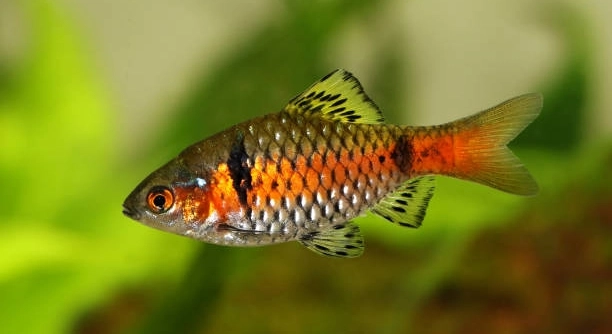
Feeding rosy barbs the right amount is important for their health and well-being. Many fish owners struggle to find the balance between underfeeding and overfeeding. This article will help recognize signs of feeding too much.
Overfeeding rosy barbs can lead to poor water quality, increased waste, and health problems such as bloating and lethargy. Identifying these clues early helps maintain a healthy tank environment and supports the fish’s natural behavior and vitality.
Knowing these clues will improve how you care for your rosy barbs. It ensures their tank stays clean and your fish stay active and healthy.
Signs of Uneaten Food in the Tank
Uneaten food is one of the clearest signs that rosy barbs are getting too much to eat. When you notice leftover flakes or pellets sinking to the bottom, it means the fish are not finishing their meals. This excess food can quickly decay, leading to cloudy water and harmful bacteria growth. Over time, it stresses the fish and reduces oxygen levels in the tank. Regularly checking for leftover food after feeding is a simple way to avoid these problems. Feeding smaller portions can help the fish consume everything before adding more. Removing uneaten food after about five minutes is also important to keep the tank clean. By managing the feeding amount carefully, you protect both your fish and the tank environment from potential damage.
Leftover food in the tank decreases water quality and can cause health issues for your rosy barbs.
Removing uneaten food promptly helps maintain clean water, reducing the risk of disease and keeping your fish more active. It also prevents unnecessary waste buildup that can stress your aquarium’s ecosystem.
Fish Behavior Changes Due to Overfeeding
Rosy barbs that eat too much often show noticeable changes in behavior. They may become sluggish or less interested in swimming actively around the tank. Overfed fish sometimes float near the surface or hide more frequently, indicating discomfort or health issues. Additionally, bloating is common, making their bellies appear swollen. These symptoms suggest the fish’s digestive system is overwhelmed. Feeding smaller, controlled portions can prevent these problems and encourage normal activity levels. Observing your fish daily helps catch these early signs before they worsen. Keeping the fish healthy involves adjusting feeding routines and maintaining proper tank care. This balance supports their energy and natural habits, promoting a better quality of life in your aquarium. Careful attention to their behavior is a key part of responsible fishkeeping.
Water Quality Decline
Overfeeding causes uneaten food and fish waste to build up, leading to poor water quality. This can increase ammonia and nitrate levels, which are harmful to rosy barbs. Keeping water clean is essential for their health.
Poor water quality stresses fish and can lead to illness. High ammonia and nitrate levels reduce oxygen in the water, making it harder for fish to breathe. Regular water testing and partial water changes help control these levels. Overfeeding accelerates pollution, so controlling food amounts is crucial. Clean water supports the immune system and natural behavior of rosy barbs. Neglecting this aspect may result in diseases or even death, making tank maintenance vital.
A clean, balanced aquarium environment depends on feeding practices that avoid excess food. Proper filtration and water changes reduce harmful chemicals, helping fish thrive.
Physical Health Issues from Overfeeding
Rosy barbs often develop bloating and digestive problems when overfed. Their bellies swell, and they may have difficulty swimming properly. This can also lead to constipation or swim bladder disorders.
These health issues stem from too much food overwhelming their digestive system. Overfed fish may strain internally, causing discomfort and reduced movement. The excess nutrients can disrupt metabolism and damage internal organs over time. Preventing this involves feeding smaller amounts and avoiding high-fat foods. Monitoring the fish’s body condition regularly helps spot problems early. Keeping a consistent feeding schedule with proper portions supports overall health. Adjusting diet and feeding habits ensures your rosy barbs remain active and free of avoidable health problems.
Feeding rosies the right amount prevents bloating and supports healthy digestion, improving their quality of life in the aquarium.
Cloudy Water and Algae Growth
Overfeeding increases waste, which causes cloudy water in the tank. This reduces visibility and makes the tank look unhealthy.
Excess nutrients from leftover food also promote algae growth. Algae can cover plants, decorations, and glass, making maintenance harder and stressing the fish.
Reduced Oxygen Levels
Too much food and waste consume oxygen in the water. This leaves less oxygen for your rosy barbs to breathe.
Lower oxygen levels can cause fish to gasp at the surface or become lethargic. Proper feeding helps maintain balanced oxygen and keeps fish comfortable.
Uneven Growth Among Fish
When overfed, some rosy barbs may eat more than others, leading to uneven growth in the tank. This can create competition and stress among fish, affecting their overall health and harmony.
Tips to Control Feeding Amounts
Measuring food before feeding and offering smaller portions can prevent overfeeding. Watch your fish’s eating speed and adjust accordingly to avoid leftovers and maintain tank balance.
FAQ
How often should I feed my rosy barbs?
Feeding rosy barbs once or twice a day is usually enough. Give only as much food as they can eat within two to three minutes. This prevents leftover food and keeps the tank clean. Adjust the amount based on how many fish you have and their size.
What types of food are best for rosy barbs?
A balanced diet includes high-quality flakes or pellets designed for tropical fish. Supplement their diet with occasional treats like bloodworms, brine shrimp, or vegetables such as peas. Avoid overfeeding high-fat foods, as these can cause health problems and increase waste production.
What happens if I accidentally overfeed my fish once?
One accidental overfeeding usually won’t harm your fish if it doesn’t happen often. The main concern is leftover food that can pollute the water. Remove any uneaten food quickly and monitor your fish for any signs of distress or illness in the following days.
How can I tell if my rosy barbs are hungry or just swimming near the food?
Rosy barbs often swim near food out of curiosity or habit. True hunger is shown when they eagerly swim to the food and eat quickly. If they ignore food or swim away, they may be full. Feeding small amounts helps you see their real appetite.
What are the risks of overfeeding to my tank environment?
Overfeeding leads to excess food and waste buildup, which raises harmful chemicals like ammonia and nitrate. These toxins affect water quality and can cause algae blooms. Poor water conditions stress fish and increase the chance of disease, requiring more frequent cleaning and water changes.
How can I safely remove uneaten food from the tank?
Use a small net or siphon vacuum to remove leftover food after feeding. Try to do this within five minutes before the food starts to break down. This helps keep the water clear and reduces harmful bacteria growth. Regular removal prevents many common tank problems.
Should I fast my rosy barbs occasionally?
Occasional fasting, such as one day a week without food, can be beneficial. It gives their digestive system a rest and helps prevent constipation or bloating. Fasting also helps maintain water quality by reducing waste. Monitor your fish to ensure they stay healthy during fasting days.
How do I adjust feeding amounts as my rosy barbs grow?
As your rosy barbs grow, their food needs will increase slightly. Gradually increase portion sizes while still avoiding excess. Observe their body shape and behavior to avoid overfeeding. A well-fed fish is active and healthy without showing signs of bloating or lethargy.
Can overfeeding affect the behavior of other fish in the tank?
Yes, overfeeding can cause some fish to become aggressive over food or hide due to stress. Excess food also harms water quality, which impacts all tank inhabitants. Feeding controlled amounts supports a peaceful and balanced community.
What should I do if I notice my rosy barbs are bloated or showing health problems?
Reduce feeding amounts immediately and switch to easily digestible foods like peas or specialized diets for digestive health. Perform partial water changes to improve water quality. If symptoms persist, consult an aquatic veterinarian for advice on treatment. Early action can prevent serious illness.
Feeding rosy barbs the right amount is essential for their health and the overall condition of the aquarium. Overfeeding can cause several problems that affect both the fish and their environment. When too much food is given, it often goes uneaten and sinks to the bottom, where it begins to decay. This decay harms water quality and increases harmful chemicals like ammonia and nitrates. Poor water conditions stress the fish and make them more vulnerable to diseases. Maintaining a balanced feeding routine helps prevent these issues and supports a cleaner, healthier tank.
Observing your rosy barbs closely can provide important clues about their feeding needs. Changes in behavior, such as sluggishness or bloating, may indicate overfeeding. Fish that swim less actively or appear swollen should be fed less to allow their digestive systems to recover. Uneaten food, cloudy water, and excessive algae growth are also signs that feeding amounts need adjustment. By keeping portions small and feeding only what the fish can consume quickly, you reduce waste and protect the aquarium environment. This approach encourages natural behavior and keeps the fish more vibrant and active.
Careful feeding is part of responsible fishkeeping. It benefits both the fish and the aquarium’s balance. Proper feeding supports the rosy barbs’ digestion, growth, and energy levels while preventing health problems. It also reduces the time and effort needed for tank maintenance. Regularly removing leftover food and performing water changes will improve water quality and help maintain a stable environment. Consistency in feeding practices, combined with good tank care, creates the best conditions for your rosy barbs to thrive and remain healthy for a long time.

Hello,
If you enjoy the content that we create, please consider saying a "Thank You!" by leaving a tip.
Every little bit helps us continue crafting quality advice that supports the health, happiness, and well-being of pets around the world, for pets of all shapes, sizes, and species.
We really appreciate the kindness and support that you show us!