
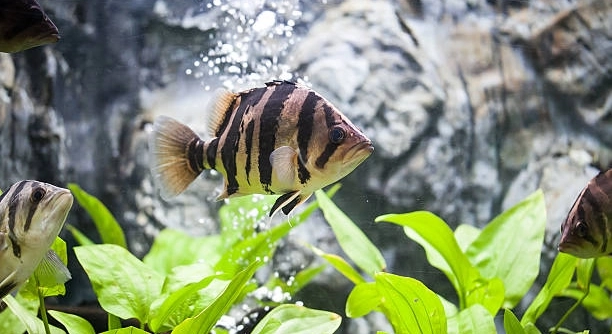
Tiger barbs are lively, colorful fish that brighten up many home aquariums. They enjoy swimming actively and often interact with other fish. Watching their behavior can help you understand when they might feel lonely or stressed.
Tiger barbs show signs of loneliness through changes in activity, loss of appetite, hiding, increased aggression, and lack of interaction with tank mates. These behaviors indicate that social needs are not being met, affecting their well-being.
Recognizing these clues early can help you improve your tiger barb’s environment and keep them healthy and happy.
Changes in Activity Levels
When a tiger barb feels lonely, one of the first signs is a change in its activity level. Normally, these fish are very active swimmers, darting around the tank and interacting with others. If you notice your tiger barb swimming less or resting more than usual, it may be feeling isolated. Sometimes, lonely tiger barbs become unusually hyperactive, swimming rapidly without a clear direction. This behavior can be a sign of stress caused by a lack of social interaction. It’s important to observe if the change in activity is consistent over several days, as temporary changes might be caused by other factors like water temperature or tank conditions. Providing a companion or group of tiger barbs can often help restore their normal activity patterns and improve their overall mood.
Consistent inactivity or sudden bursts of restless swimming usually indicate that your tiger barb needs more social interaction.
By paying close attention to these activity changes, you can take steps to improve your fish’s environment. Adding more tiger barbs to the tank or ensuring compatible tank mates can help reduce loneliness. Also, maintaining clean water and proper tank conditions will support their health. Sometimes, simply rearranging decorations to create more hiding spots and areas for exploration can encourage your fish to be more active and engaged with their surroundings.
Loss of Appetite
A lonely tiger barb may eat less or lose interest in food altogether. When fish feel stressed or unhappy, their appetite often drops, which can affect their health. If you notice your tiger barb skipping meals or taking longer to eat, loneliness could be a factor. Reduced feeding behavior is important to monitor because it might lead to weight loss and weakened immune function. However, appetite loss can also be caused by illness, so it’s important to check water quality and look for other symptoms. Feeding small amounts several times a day and offering favorite foods can help stimulate appetite. Improving social conditions by adding more tiger barbs or ensuring peaceful tank mates usually helps your fish regain interest in food and feel more secure.
Hiding More Than Usual
Tiger barbs that feel lonely often hide more than usual. They may stay behind plants, rocks, or decorations, avoiding open spaces in the tank. This behavior shows they feel insecure or stressed without enough social interaction.
Hiding is a common sign of discomfort in tiger barbs. When they don’t have companions, they might feel vulnerable and choose to stay out of sight. This behavior can affect their overall well-being, making them less active and less interested in their environment. If you see your tiger barb spending a lot of time hiding, consider adding more tiger barbs or similar species that can offer companionship. Proper tank setup with plenty of hiding spots is helpful, but social interaction is key to reducing excessive hiding.
Sometimes hiding is a sign of illness or poor water quality, so always check those factors first. If everything else is fine, loneliness is likely the reason behind the behavior.
Increased Aggression
Lonely tiger barbs may become more aggressive than usual. Without enough companions to interact with, they can act out by chasing or nipping other fish. This aggression is often a sign of stress from social isolation.
Aggression in tiger barbs is a way to release built-up energy and frustration. In a healthy group, their natural behavior includes some chasing and nipping, but loneliness can make these actions more intense and frequent. Aggressive behavior can harm tank mates and cause injury. To manage this, ensure you have enough tiger barbs in the tank—usually a group of six or more helps distribute attention and reduce targeting. Keeping the tank environment stimulating with decorations and plants can also lessen boredom and aggression. If aggression persists, reevaluating tank mates and space may be necessary.
Lack of Interaction
Lonely tiger barbs often show little interest in interacting with their tank mates. They may swim alone and avoid group activities that they normally enjoy. This behavior signals social withdrawal.
A lack of interaction can also mean your fish feels unsafe or stressed. Tiger barbs are social creatures that thrive in groups. Without enough companions, they lose motivation to engage and explore their environment.
Changes in Coloration
When tiger barbs feel lonely or stressed, their bright colors can fade. Dull or less vibrant colors often indicate poor health or unhappiness. Maintaining proper social conditions helps keep their colors vivid and their spirits high.
Restlessness and Erratic Swimming
Restlessness or erratic swimming patterns are signs your tiger barb may be unsettled. Loneliness can cause them to swim nervously or dart around the tank without purpose, showing signs of stress.
FAQ
How many tiger barbs should I keep together?
Tiger barbs are schooling fish and feel safest in groups. Ideally, keep at least six tiger barbs together to promote natural social behavior. Smaller groups can lead to loneliness and increased aggression, as the fish may not have enough companions to interact with. A group of six or more helps spread out attention and reduces stress, which keeps them active and healthy.
Can tiger barbs live alone?
Tiger barbs can survive alone, but they rarely thrive without companions. Living alone often leads to loneliness, boredom, and stress. These factors can cause changes in behavior such as hiding, loss of appetite, or aggression. For their well-being, it’s best to keep them with other tiger barbs or compatible species to meet their social needs.
What are good tank mates for tiger barbs?
Good tank mates for tiger barbs include other semi-aggressive, similarly sized fish like danios, barbs, and some tetras. Avoid slow-moving or long-finned fish, as tiger barbs may nip at them. Make sure the tank is spacious and provides hiding spots to reduce conflicts and stress among all fish.
How do I know if my tiger barb is stressed or lonely?
Signs of stress or loneliness include hiding excessively, loss of appetite, dull coloration, erratic swimming, and increased aggression. If you notice these behaviors, check water quality and tank conditions first. If everything else seems fine, loneliness is likely the cause, and adding more tiger barbs or compatible companions may help.
Can tank decorations help reduce loneliness?
While tank decorations provide hiding spots and enrichment, they cannot replace social interaction. Decorations help fish feel safe but do not meet their need for companionship. For tiger barbs, socializing with other fish is essential for their emotional well-being and activity levels.
What should I do if my tiger barb is aggressive toward others?
If aggression increases, make sure you have enough tiger barbs in the group (six or more). Rearranging the tank and adding more hiding spots can help reduce stress. Sometimes, removing overly aggressive individuals or changing tank mates may be necessary to keep peace in the aquarium.
Is it normal for tiger barbs to nip fins?
Yes, fin-nipping is part of tiger barb behavior but should be controlled within a healthy group. Excessive fin-nipping often occurs when fish are stressed or lonely. Providing enough tank mates and space helps reduce this behavior.
How important is water quality for my tiger barb’s mood?
Water quality plays a critical role in fish health and mood. Poor water conditions cause stress and can worsen loneliness symptoms. Regular water changes, proper filtration, and stable parameters keep tiger barbs comfortable and less prone to behavioral problems.
Can feeding affect my tiger barb’s behavior?
Yes, a well-balanced diet supports your fish’s health and energy. If a lonely tiger barb loses appetite, try feeding favorite foods or smaller, frequent meals. Proper nutrition helps reduce stress and can improve mood and activity.
How long does it take for a lonely tiger barb to improve after adding companions?
Improvement can take a few days to a week. Once social needs are met, you’ll notice more interaction, better activity, and brighter colors. Patience is important, as fish adjust gradually to new companions and changes in their environment.
Final Thoughts
Tiger barbs are social fish that need companions to stay healthy and happy. When they are alone, they often show signs of loneliness through changes in behavior and appearance. These signs include hiding, loss of appetite, aggression, and dull colors. Paying attention to these clues helps ensure your fish is not feeling isolated. Providing a proper social environment is important for their well-being.
Keeping tiger barbs in groups of six or more is the best way to prevent loneliness. A group allows them to interact naturally and reduces stress. It also helps balance their energy so they don’t become overly aggressive or withdrawn. Along with social companions, a well-maintained tank with clean water and plenty of hiding places supports their health. Good water quality and a comfortable environment reduce stress, which is just as important as social needs.
If you notice signs of loneliness in your tiger barb, taking action quickly can improve their quality of life. Adding more tiger barbs or compatible tank mates, feeding a balanced diet, and providing a stimulating environment all help your fish feel secure and active again. Watching how they behave after these changes will show if they are adjusting well. When cared for properly, tiger barbs can be lively, colorful, and enjoyable additions to your aquarium for a long time.

Hello,
If you enjoy the content that we create, please consider saying a "Thank You!" by leaving a tip.
Every little bit helps us continue crafting quality advice that supports the health, happiness, and well-being of pets around the world, for pets of all shapes, sizes, and species.
We really appreciate the kindness and support that you show us!