
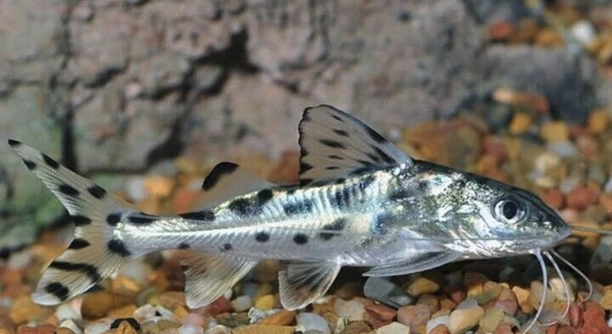
Are your fish tank plants wilting or your fish seeming cramped? Sometimes, the size of your tank can cause subtle but clear problems in your aquatic setup. Recognizing these signs early helps maintain a healthy environment.
A tank that is too small limits space for fish to swim and grow, reduces oxygen levels, and causes waste buildup faster. These factors can stress aquatic life, leading to poor health and shortened lifespans. Proper tank size is essential for balance.
Knowing what clues to watch for makes it easier to improve your tank conditions and create a happier home for your fish and plants.
Fish Show Signs of Stress
When your fish start behaving oddly, it might be because the tank is too small. Fish in cramped spaces tend to hide more often, swim less, or show signs of aggression toward each other. You might notice fading colors or unusual spots appearing on their bodies. These are all signals that the environment is not ideal. Small tanks struggle to maintain stable water conditions, which affects the fish’s health. Overcrowding also raises waste levels quickly, which can lead to toxic buildup. If you’ve observed these behaviors, it’s a good sign your tank needs more room for the fish to thrive. Sometimes, even the smallest fish require more space than we realize. Ensuring a bigger tank or reducing the number of fish can make a big difference in their well-being and overall happiness.
Fish stress often means your tank is not meeting their needs for space and clean water.
Keeping your fish calm and healthy requires proper tank size. When the space is tight, fish can’t swim freely or hide when stressed. This can lower their immunity and make them prone to diseases. A larger tank helps maintain better water quality and provides enough room for each fish to establish its own territory. If you notice signs of stress, think about upgrading to a bigger tank or reducing the fish population. Providing plants and decorations can also help create safe spots. In the end, a well-sized tank keeps fish active, vibrant, and healthier.
Plants Struggle to Grow
Plants in a tank need enough room for their roots and leaves to spread. A small tank limits this growth, causing plants to wilt or turn yellow. They may also grow slower or die off because of poor water circulation and lack of nutrients. When the tank is crowded, fish waste and leftover food can cloud the water, blocking light that plants need for photosynthesis. Without sufficient light and nutrients, plants cannot survive well. If you notice your plants shrinking or fading, it may be a sign the tank is too small or overcrowded. Providing more space allows plants to flourish, which in turn helps keep the water cleaner and more oxygenated for the fish.
Healthy plants improve water quality and support fish health, so a larger tank benefits the whole ecosystem.
Water Quality Deteriorates Quickly
Small tanks hold less water, which means pollutants build up faster. Waste from fish, uneaten food, and decaying plants can quickly pollute the water. This leads to harmful ammonia and nitrate levels, which are dangerous to fish.
Maintaining good water quality in a small tank is a constant challenge. Because the water volume is low, toxins rise quickly and can overwhelm filtration systems. Frequent water changes become necessary, but this can stress the fish if done too often. Testing water regularly is essential to catch problems early. Without proper care, fish may develop health issues or die. A larger tank offers more stable water conditions and helps dilute toxins naturally, making it easier to keep the environment safe and balanced.
Filtration systems in small tanks often struggle to keep up with waste production. The filter may become clogged quickly, reducing its effectiveness. This creates a cycle of poor water quality that is hard to break. A bigger tank gives filters more time to process waste and supports beneficial bacteria that help clean the water. This balance reduces the need for constant maintenance and promotes a healthier habitat for fish and plants alike.
Fish Growth Is Stunted
Fish need enough room to swim and grow properly. When they are kept in tanks that are too small, their growth can slow down or stop altogether. This is called stunted growth.
Stunted growth happens because limited space restricts a fish’s movement and can cause stress, affecting its development. Water quality in small tanks often declines, which also harms growth. Fish may remain smaller than their natural size, making them weaker and more prone to illness. Overcrowding reduces oxygen levels and increases competition for food, worsening the problem. Providing more space allows fish to reach their full size and live healthier lives.
Smaller tanks may seem convenient, but they can harm fish development over time. If you notice your fish staying unusually small or not growing as expected, tank size could be the issue. Ensuring enough space supports proper exercise, reduces stress, and helps maintain water quality. This creates a better environment for fish to thrive and reach their natural size.
Frequent Algae Overgrowth
Small tanks often experience rapid algae growth. Limited water volume and excess nutrients create the perfect environment for algae to thrive. This can make your tank look dirty and harm plants and fish.
Algae can quickly cover decorations, glass, and plants, blocking light and reducing oxygen levels. It competes with plants for nutrients, causing them to weaken. Controlling algae in a small tank is harder because water conditions fluctuate more. Regular cleaning and proper tank size help keep algae under control.
Fish Behavior Becomes Unnatural
In cramped tanks, fish may swim erratically or show aggression. Limited space disrupts their natural patterns and causes stress.
Limited Filtration Capacity
Small tanks have less room for effective filtration. Filters can become overwhelmed by waste, reducing water quality and harming fish health.
How do I know if my tank is too small for my fish?
You can tell if your tank is too small when fish show signs of stress like hiding often, swimming erratically, or appearing lethargic. Fish may also display physical symptoms like faded colors or damaged fins. Poor water quality and frequent algae overgrowth can be other clues. If you notice these issues, it’s likely your tank doesn’t provide enough space or proper conditions.
What happens if I keep fish in a tank that’s too small?
Keeping fish in a tank that’s too small limits their swimming space and can stunt growth. The water quality worsens faster due to concentrated waste, which stresses fish and lowers their immunity. Over time, this can lead to illness, aggression, or early death. A small tank also reduces oxygen levels, making it harder for fish to breathe comfortably.
Can adding more plants help if my tank is small?
Adding plants can improve water quality by absorbing nutrients and producing oxygen, but it doesn’t solve the problem of limited space. In a small tank, plants might struggle to grow properly, and overcrowding with plants and fish can create competition for resources. Plants work best as part of a balanced tank setup with adequate space.
How often should I change the water in a small tank?
Water changes in small tanks need to be done more frequently than in larger ones. Ideally, changing 20-30% of the water every week helps keep toxins low. However, doing too many large water changes at once can shock your fish. Testing water parameters regularly will guide you on when changes are needed.
Is it better to have fewer fish in a small tank or upgrade to a bigger one?
Having fewer fish is a short-term solution, but upgrading to a bigger tank is best for long-term fish health. Fewer fish reduce waste and overcrowding, but a larger tank provides more stable water conditions and room for natural behavior. If space is limited, reducing the fish count is a good first step.
What tank size is suitable for common pet fish?
Tank size depends on the fish species and their adult size. For example, small fish like bettas can live in tanks around 5 gallons, while larger fish like goldfish need at least 20 gallons or more. Always research your fish’s needs before buying to ensure enough space for healthy growth.
Can poor filtration in a small tank be fixed?
Poor filtration in a small tank is often due to limited space for a good filter or overloading the system with too many fish. Upgrading to a better filter designed for your tank size can help, but sometimes the tank itself is too small to maintain stable water quality. In that case, a bigger tank is a better solution.
How do I reduce algae growth in a small tank?
Controlling algae involves reducing excess nutrients, avoiding overfeeding, and maintaining clean water through regular changes. Adding live plants helps compete with algae for nutrients. Using an appropriate light schedule, usually 8-10 hours per day, also prevents algae from growing too fast.
What signs show my fish are stressed from a small tank?
Stress signs include hiding, rapid breathing, loss of appetite, and unusual swimming patterns. Fish may also rub against objects or show faded colors. If stress continues, immune systems weaken, making fish more prone to disease.
Is it possible to fix a small tank problem without buying a new one?
Some issues can be managed by reducing fish numbers, improving filtration, and performing frequent water changes. However, these are often temporary fixes. For long-term success, upgrading to a larger tank is usually necessary to provide a healthier environment.
How important is oxygen in a small tank?
Oxygen is critical for fish health. Small tanks have less surface area, which means less oxygen exchange. This can lead to low oxygen levels, especially if the tank is crowded or heavily planted. Adding an air pump or improving water movement can increase oxygen availability.
What are common mistakes when setting up a small tank?
Common mistakes include overcrowding, overfeeding, inadequate filtration, and neglecting water changes. People often underestimate how fast water quality can decline in small tanks. Choosing fish that grow too large or need more space also causes problems.
Can I keep a community of fish in a small tank?
A community of fish requires careful planning and enough space for each species. Small tanks usually don’t provide enough room for multiple fish to coexist peacefully. Overcrowding leads to stress, aggression, and poor water quality. It’s better to choose fewer fish or a larger tank.
How do I maintain water quality in a small tank?
Regular water testing, frequent partial water changes, and cleaning the tank help maintain water quality. Avoid overfeeding and remove uneaten food quickly. Proper filtration and adding live plants can improve water balance and reduce toxins.
What happens if I ignore the signs of a small tank?
Ignoring signs can lead to serious health problems or death for your fish. Poor water quality causes diseases, while stress weakens immune systems. Fish may stop growing or behave abnormally. Over time, the tank environment becomes unstable and hard to manage.
When it comes to keeping fish healthy and happy, tank size is one of the most important factors to consider. A tank that is too small can cause many problems, from stressed fish to poor water quality. Many people don’t realize how much space fish really need to swim, grow, and live comfortably. Small tanks fill up with waste quickly, making it hard to keep the water clean and safe. Over time, these conditions can harm your fish and plants, even if you try to take good care of them. It’s important to recognize the signs that your tank might be too small so you can make changes before problems get worse.
Upgrading to a larger tank can make a big difference in the health and happiness of your fish. Bigger tanks allow for more stable water conditions and give fish room to swim freely. This extra space reduces stress and helps fish grow properly. Plants also benefit from more room to spread their roots and get enough light and nutrients. Although it might seem easier to keep a small tank, the effort to maintain good water quality is much higher in tight spaces. A larger tank gives you more control and makes it easier to create a balanced environment for all the creatures inside.
Taking care of an aquarium is a learning process, and it’s normal to make mistakes along the way. The most important thing is to watch your fish and plants closely and listen to what they are telling you through their behavior and appearance. If you notice signs of stress, slow growth, or water problems, don’t ignore them. Making changes early, like adding more space or adjusting your care routine, can prevent bigger issues later. With patience and attention, you can create a beautiful and healthy tank where your fish and plants will thrive for a long time.

Hello,
If you enjoy the content that we create, please consider saying a "Thank You!" by leaving a tip.
Every little bit helps us continue crafting quality advice that supports the health, happiness, and well-being of pets around the world, for pets of all shapes, sizes, and species.
We really appreciate the kindness and support that you show us!