
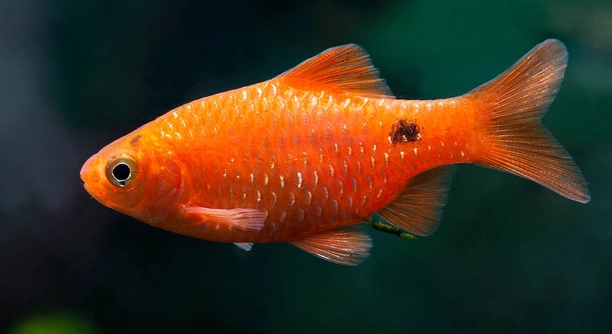
Are your Rosy Barbs showing signs of stress or discomfort? These colorful fish are usually peaceful, but they can feel threatened in their environment. Recognizing their behavior early helps keep them healthy and happy in your aquarium.
Rosy Barbs display specific signs when feeling threatened, such as erratic swimming, hiding, fin clamping, and changes in coloration. These behaviors indicate stress caused by environmental factors, tank mates, or sudden disturbances, which can affect their overall well-being.
Knowing these signs can help you create a calmer space for your Rosy Barbs and improve their quality of life in your care.
Sudden Erratic Swimming
When your Rosy Barb starts swimming erratically, darting quickly from one side of the tank to another, it’s often a sign of feeling threatened. This behavior can happen when there is a sudden noise, a new fish introduced, or changes in water conditions. Rosy Barbs normally swim smoothly in groups, so sudden bursts of speed or frantic movements mean they are stressed. They might also crash against the tank walls or plants while trying to escape what they perceive as danger. This can put them at risk of injury if it continues. Watching for this behavior early on allows you to take action, such as calming the environment or checking the water parameters. It’s important to create a stable and peaceful habitat for your fish to reduce their anxiety and keep them healthy.
Erratic swimming can lead to exhaustion and physical harm if not addressed quickly.
Maintaining steady water temperature, avoiding loud noises, and limiting sudden changes in the tank can help reduce this behavior. Ensuring your Rosy Barbs have plenty of hiding spots and a consistent routine encourages calm swimming and lowers their stress levels over time.
Clamped Fins and Hiding
Clamped fins are when your Rosy Barb holds its fins close to its body instead of spreading them out. This is a clear sign of stress or discomfort. Often, they will also hide behind plants or decorations in the tank. This behavior means they feel unsafe or scared. It can happen because of poor water quality, aggressive tank mates, or overcrowding. When fish hide frequently, it can affect their feeding and overall health. To help your Rosy Barb feel secure, check the water conditions like pH and ammonia levels and make sure the tank is not too crowded. Adding plants or decorations for hiding spots can give your fish a sense of safety. A calm environment with compatible fish reduces their need to hide and improves their well-being.
Change in Coloration
A sudden dulling or darkening of your Rosy Barb’s color often shows stress. This change happens when they feel threatened or uncomfortable in their surroundings.
Color changes are a natural reaction to stress or illness. When a Rosy Barb feels unsafe, its bright colors fade as a defense mechanism to avoid attracting attention. Poor water quality, aggressive tank mates, or sudden changes in the environment can trigger this response. It’s important to test the water regularly and ensure your fish live with peaceful companions. Improving tank conditions helps restore their vibrant colors and overall health. Paying attention to these changes early can prevent more serious problems from developing.
If the coloration change persists, it could signal a health issue requiring attention. Adjusting the tank environment or consulting with an expert can help your Rosy Barb regain its natural glow.
Excessive Gasping at the Surface
When Rosy Barbs gasp frequently at the water’s surface, it signals low oxygen levels or poor water quality. This behavior means they are struggling to breathe properly.
Excessive surface gasping is often caused by insufficient oxygen in the water. Overcrowding, poor filtration, or high temperatures can reduce oxygen levels. It is crucial to monitor your tank’s aeration and water quality. Adding air stones or increasing water circulation can improve oxygen supply. Regular water changes and avoiding overfeeding also keep the tank environment healthy. Addressing these issues helps your Rosy Barb breathe easier and lowers stress caused by a threatening environment.
Ignoring this behavior can lead to serious health problems or even death. Taking prompt action ensures your fish’s survival and comfort.
Loss of Appetite
A sudden loss of appetite is a clear sign your Rosy Barb feels threatened or stressed. When fish stop eating, it often means something is wrong in their environment.
Ignoring this can lead to weakened health and vulnerability to disease. Ensuring a calm, stable tank can help restore their normal eating habits.
Aggressive Behavior
Rosy Barbs usually have a peaceful temperament, but when threatened, they may become aggressive toward tank mates. This behavior includes chasing, nipping fins, or guarding territory. Aggression often stems from overcrowding, lack of hiding spots, or incompatible fish species in the tank. Addressing these factors by providing more space, rearranging decorations, or separating aggressive fish can reduce tension. Monitoring your tank’s social dynamics helps maintain a peaceful environment. When stress triggers aggression, taking quick steps improves harmony and protects all your fish from harm.
Erratic Breathing
Erratic breathing in Rosy Barbs can indicate stress caused by water quality or oxygen issues. Watching their gill movement closely helps detect problems early.
What causes Rosy Barbs to feel threatened?
Rosy Barbs can feel threatened due to changes in their environment or tank conditions. Introducing new fish, loud noises, poor water quality, or sudden movements can stress them out. Overcrowding or aggressive tank mates also create tension. Keeping a stable, peaceful environment helps reduce their stress and keeps them safe.
How can I tell if my Rosy Barb is stressed?
Signs of stress include erratic swimming, hiding, clamped fins, dull coloration, loss of appetite, and gasping at the surface. These behaviors mean your fish feels unsafe or uncomfortable. Watching your Rosy Barb regularly allows you to catch problems early before they affect its health.
What should I do if my Rosy Barb hides a lot?
If your Rosy Barb hides frequently, check water quality and tank mates. Poor conditions or aggressive fish may cause fear. Add plants or decorations for hiding spots and keep the tank peaceful. Improving water parameters and reducing stress will help your fish feel secure and come out more often.
Is it normal for Rosy Barbs to change color?
Rosy Barbs can change color when stressed, sick, or during breeding. Darkening or dulling usually signals discomfort. Healthy Rosy Barbs have bright, vibrant colors. Maintaining good water quality, proper diet, and low stress helps keep their colors bright and natural.
Can water quality affect my Rosy Barb’s behavior?
Yes, poor water quality is a major cause of stress in Rosy Barbs. High ammonia, nitrite, or nitrate levels irritate fish and cause abnormal behaviors like gasping, hiding, or loss of appetite. Regular water testing, cleaning, and partial water changes keep the environment healthy and your fish comfortable.
How do I reduce aggression in my tank?
Reduce aggression by providing enough space and hiding places. Avoid overcrowding and choose compatible tank mates. Rearranging decorations can disrupt territorial behavior. Monitoring fish behavior and separating aggressive individuals when needed helps maintain peace.
Why is my Rosy Barb gasping at the surface?
Gasping at the surface means your fish may not be getting enough oxygen. This can happen with poor aeration, overcrowding, or high water temperature. Improving water circulation, adding air stones, and keeping the tank clean help increase oxygen levels and ease breathing.
Can stress cause health problems in Rosy Barbs?
Yes, stress lowers the immune system and makes Rosy Barbs vulnerable to diseases like fin rot and infections. Stress also affects their growth and lifespan. Keeping stress low with good water quality, proper diet, and a calm environment promotes strong health.
What can I do to help a stressed Rosy Barb recover?
First, check and improve water conditions. Perform partial water changes and test parameters regularly. Remove aggressive tank mates if needed. Provide plenty of hiding spots and reduce noise or sudden disturbances. Feeding high-quality food supports recovery. With patience and care, your Rosy Barb can regain health and confidence.
How often should I check on my Rosy Barbs?
Daily observation is best to spot early signs of stress or illness. Watching their behavior, swimming patterns, and color helps you notice changes. Regular checks allow you to act quickly and prevent minor issues from becoming serious problems. Keeping a close eye shows you care and helps maintain a healthy tank.
Taking care of Rosy Barbs means paying close attention to how they behave and look. These fish are sensitive to their environment and can show signs when they feel threatened or stressed. It’s important to recognize behaviors like erratic swimming, hiding, or changes in color as signals that something might be wrong. By noticing these clues early, you can take steps to improve their surroundings and help your fish feel more comfortable. Creating a calm and stable tank environment is key to keeping Rosy Barbs healthy and happy.
Water quality plays a major role in how your Rosy Barbs feel. Poor water conditions can cause stress and lead to serious health problems. Regular testing and maintenance, like changing part of the water and cleaning the tank, keep the water safe and comfortable for your fish. Providing enough space, compatible tank mates, and places to hide also reduces stress. These small changes can make a big difference in the daily life of your Rosy Barbs. A well-maintained tank helps prevent illness and encourages natural behavior.
Ultimately, understanding your Rosy Barb’s needs helps you create a better home for them. Watching for signs of stress and acting quickly supports their well-being. Every fish is unique, so paying attention to their habits can guide you in making adjustments. Taking care of Rosy Barbs is rewarding when you see them thrive and swim confidently. With patience and care, your fish can live a healthy and peaceful life in your aquarium.

Hello,
If you enjoy the content that we create, please consider saying a "Thank You!" by leaving a tip.
Every little bit helps us continue crafting quality advice that supports the health, happiness, and well-being of pets around the world, for pets of all shapes, sizes, and species.
We really appreciate the kindness and support that you show us!