
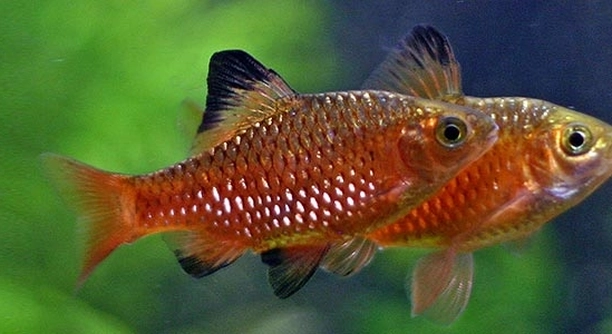
Rosy barbs are lively fish often kept in home aquariums. They show various behaviors that can affect the tank environment. Recognizing dominance in these fish helps maintain a peaceful and balanced aquarium.
Dominant rosy barbs exhibit clear signs such as chasing other fish, claiming prime swimming spots, and showing more aggressive body language. These behaviors ensure they control resources and social hierarchy within the tank.
Knowing these clues can help you manage your aquarium better and keep all your fish happy and healthy. Understanding fish behavior leads to a calmer tank environment.
How to Spot Dominant Behavior in Rosy Barbs
Dominant rosy barbs often take control of their space within the aquarium. They tend to swim confidently around the tank and chase other fish away from food or favorite hiding spots. These barbs may flare their fins or display more vibrant colors to assert themselves. You might notice one or two fish repeatedly swimming ahead of the group, leading movements or deciding who gets access to different parts of the tank. Sometimes, the dominant fish will nip at others to remind them of their place. This behavior can create stress for the less dominant fish, affecting their health over time. Observing these actions closely helps in identifying which fish holds the top position in your tank’s social order.
Dominant barbs usually focus on controlling food and territory within the aquarium. This behavior helps maintain their higher rank.
Recognizing dominant behavior early is important. It allows you to make adjustments in tank size or decorations, so all fish have space. Providing multiple hiding places reduces aggression. Feeding your barbs in several spots can also prevent competition and stress. When the tank environment supports all fish, the dominant one’s power lessens, creating a healthier, more balanced community.
Managing Dominance in a Rosy Barb Tank
Managing dominance involves changing the tank setup and monitoring fish interactions.
One effective method to reduce dominance is increasing the aquarium size or adding plants and decorations that break up open spaces. This gives subordinate fish places to hide and reduces direct confrontations. It’s also helpful to keep your rosy barbs in groups of five or more because larger groups can dilute aggressive behavior. Feeding your fish small amounts of food multiple times a day in different locations helps lower competition. If aggression becomes severe, consider separating the most dominant fish temporarily or permanently. Keeping the water clean and maintaining good tank conditions supports fish health and reduces stress, which can worsen aggression. With consistent care and observation, you can create an environment where all rosy barbs feel safe and peaceful.
Common Signs of Dominance in Rosy Barbs
Dominant rosy barbs often swim at the top or middle of the tank, controlling prime spots. They may chase or nip other fish, especially when food is involved. Their fins tend to be more spread out, showing confidence and control.
This behavior is a way to claim territory and resources like food and shelter. The dominant fish might also act restless and more active, always patrolling the aquarium. Other fish usually avoid or hide from the dominant barb to escape aggression. Over time, this can cause stress for less dominant fish, making it important to recognize these signs early. By watching how your rosy barbs interact, you can better understand their social order.
Dominance can also be shown through color changes. The dominant barb often appears brighter and more vibrant, while less dominant fish look duller. This color display is a signal to others about who leads the group. Watching these visual cues helps maintain balance and peace in your tank.
Impact of Dominance on Tank Life
Dominance affects the behavior and health of all fish in the tank. Submissive fish may eat less or stay hidden, which can weaken them over time. Constant stress from a dominant fish can lower immunity and lead to illness.
Dominant barbs influence the social dynamics of the entire tank. When one fish controls access to food or space, others might suffer from lack of resources. This imbalance can cause fighting and injury, making it harder to maintain a healthy aquarium. Adjusting tank conditions, such as adding hiding places and increasing space, helps reduce tension. Feeding strategies that spread food around the tank can ensure all fish get enough to eat. Keeping the social order calm benefits the overall health of your fish community.
Signs of Aggression in Rosy Barbs
Aggression in rosy barbs includes chasing, fin nipping, and sudden darting movements. These actions often target weaker or smaller fish in the tank.
Aggressive fish may also flare their fins and swim rapidly around the aquarium. This behavior signals dominance and warns others to stay away.
How to Calm an Aggressive Rosy Barb
To calm aggression, increase hiding spots using plants or decorations. Feeding fish in multiple places lowers competition. Keeping a larger group of barbs helps spread out aggressive behavior. Regular water changes and good tank maintenance reduce stress, which often causes aggression. Observing interactions closely lets you act early if aggression increases.
When to Separate a Dominant Rosy Barb
If aggression causes injury or extreme stress, separating the dominant fish is necessary. This protects the health and well-being of all tank inhabitants.
How can I tell if my rosy barb is dominant or just active?
Dominant rosy barbs show clear behaviors like chasing others, claiming prime spots, and displaying aggressive fin flares. Active fish swim around but don’t push or nip at tank mates. Watching if one fish consistently controls food or territory helps distinguish dominance from normal activity.
What causes dominance in rosy barbs?
Dominance usually comes from natural social behavior. Rosy barbs form hierarchies to decide access to food, space, and mates. Tank size, group numbers, and available hiding places also affect dominance. Smaller tanks or limited resources can increase aggressive displays.
Can dominance harm other fish in the tank?
Yes, dominant fish can stress or injure others through chasing or nipping. Submissive fish might eat less or hide too much, weakening their health. Prolonged stress lowers immunity and may cause disease. It’s important to manage tank conditions to prevent this.
How many rosy barbs should I keep to reduce dominance?
Keeping at least five or more rosy barbs helps spread out aggression. In larger groups, no single fish can dominate easily, and social tensions decrease. Too few barbs often increase competition and aggressive behavior.
Will adding plants or decorations reduce dominance?
Yes, adding plants, rocks, or decorations creates hiding spots and breaks up open space. This gives less dominant fish places to escape and lowers confrontations. A well-decorated tank often leads to a calmer fish community.
How often should I feed my rosy barbs to avoid fights?
Feeding small amounts multiple times a day in different tank areas reduces competition. When food is spread out, dominant fish can’t control all of it, giving others a better chance to eat without stress.
Is it necessary to separate a dominant rosy barb?
Separating a dominant fish is needed if aggression causes injury or severe stress. Temporary separation allows injured fish to recover and gives the tank a break. In some cases, permanent separation keeps the peace.
Can dominance behavior change over time?
Yes, dominance can shift as fish grow or new fish are added. Changes in the tank environment or group size may alter social rankings. Regular observation helps track these changes and manage tank harmony.
Do dominant rosy barbs get sick more often?
Dominance itself doesn’t cause illness, but stress from constant fighting can weaken immune systems. Stress makes fish more vulnerable to infections. Keeping a healthy, low-stress environment lowers illness risks for all fish.
What tank size is best to minimize dominance issues?
A tank of at least 30 gallons or larger is recommended for a small group of rosy barbs. Larger tanks give more space and resources, reducing competition and aggressive behavior. Small tanks tend to increase dominance displays due to limited room.
Are male or female rosy barbs more dominant?
Both males and females can show dominance, but males often display more aggressive behavior, especially during breeding times. Observing their interactions helps identify which individuals lead the group.
Can diet affect dominance behavior?
A balanced and consistent diet keeps fish healthy and less aggressive. Poor nutrition can increase stress, which sometimes worsens aggressive behavior. Feeding quality food regularly helps maintain calmness and overall well-being.
Is it normal for rosy barbs to nip fins?
Some fin nipping is common as part of social behavior, but excessive nipping usually signals dominance or stress. If fin damage is frequent, it’s a sign to check tank conditions or consider separating aggressive fish.
How can I reduce stress for less dominant fish?
Provide plenty of hiding places and plants. Maintain clean water and stable temperatures. Feed in multiple locations. Avoid overcrowding and monitor fish regularly for signs of distress. These steps help keep shy fish comfortable and healthy.
Can adding other fish species help with dominance problems?
Adding peaceful, non-aggressive species that occupy different tank areas may help spread activity and reduce focus on one fish. Avoid aggressive or territorial species to prevent worsening dominance issues. Careful selection supports a balanced community.
What signs show a fish is stressed from dominance?
Stressed fish may hide often, eat less, lose color, or show labored breathing. They might have torn fins or wounds from chasing. Early signs require action to prevent serious health problems.
Does lighting affect dominance in rosy barbs?
Bright or constant lighting can increase activity and stress, possibly worsening aggression. Providing a natural light cycle with periods of dimness helps fish relax and reduces dominance displays.
Is it okay to keep only one rosy barb to avoid dominance?
Rosy barbs are schooling fish and do best in groups. A single fish may become stressed or lonely. Keeping at least five helps fulfill their social needs while managing dominance.
How quickly does dominance behavior appear in a new tank?
Dominance can show within days of introducing rosy barbs as they establish hierarchy. Early observation is key to managing aggressive behavior before it causes harm.
Can water quality influence dominance?
Poor water quality increases stress, which may lead to more aggressive behavior. Regular water changes and filtration keep the environment healthy, helping reduce dominance problems.
Understanding dominance in rosy barbs is important for keeping a peaceful aquarium. Dominant behavior is natural among these fish as they set social order. By recognizing signs like chasing, fin flaring, and controlling space, you can better manage their interactions. Knowing which fish leads helps prevent stress and injury among your other tank mates. This knowledge also allows you to create an environment where all fish feel safe and comfortable.
Managing dominance is mostly about giving your fish enough space and resources. Adding plants, decorations, and hiding spots helps reduce conflicts by breaking up open areas. Feeding small amounts in different places lowers competition during meal times. Keeping a larger group of rosy barbs also spreads aggressive behavior and helps keep peace. Regular tank maintenance, including clean water and stable conditions, supports your fish’s health and reduces stress-related aggression. Watching your fish regularly makes it easier to spot problems early and take action.
If aggressive behavior becomes harmful, separating the dominant fish can protect the community. Sometimes, simply adjusting the tank setup and feeding routines is enough to ease tension. Every tank is different, so it may take some time to find the best balance. By paying attention to your rosy barbs and providing a well-maintained home, you help ensure all your fish live healthier and happier lives. Keeping dominance under control benefits everyone in your aquarium.

Hello,
If you enjoy the content that we create, please consider saying a "Thank You!" by leaving a tip.
Every little bit helps us continue crafting quality advice that supports the health, happiness, and well-being of pets around the world, for pets of all shapes, sizes, and species.
We really appreciate the kindness and support that you show us!