
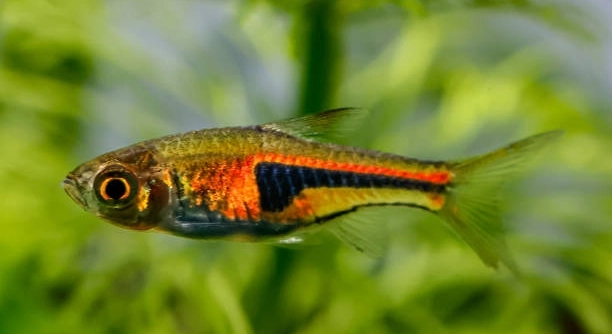
Have you ever noticed your rasboras swimming a little slower or spending more time near the bottom of the tank? Watching these tiny fish grow older can be subtle, but small changes reveal their age in gentle ways.
Rasboras display several physical and behavioral changes as they age. These include slower swimming, faded coloration, reduced feeding activity, increased hiding, changes in fin shape, smaller size growth, and overall decreased responsiveness to environmental stimuli.
Recognizing these signs early can help you provide better care and maintain their health throughout their later years.
Slower Swimming Patterns
As rasboras age, their swimming speed often decreases noticeably. They no longer dart quickly across the tank or jump around as much. You may find them lingering near plants or decorations, moving with a calm, measured pace. This slower movement is not due to illness but a natural change in muscle strength and energy levels. Observing this behavior over time helps you understand how their activity shifts with age. Tankmates may continue to swim energetically, which can make older rasboras seem even slower by comparison. It’s important to ensure their environment supports their reduced mobility, with plenty of hiding spots and gentle water flow. Slower swimming also affects feeding, as older fish may struggle to reach food before more active tankmates. Providing sinking pellets or small portions closer to them can help maintain proper nutrition. Accepting this change allows you to adjust care without stressing your aging fish, keeping them comfortable and healthy.
Older rasboras often prefer resting near the bottom or plants rather than swimming in open spaces. This reflects their natural energy conservation.
Slower swimming is accompanied by cautious movements and reduced chasing during feeding times. Their reduced stamina means they may need more time to reach food, and their interactions with other fish can become less frequent. Tank arrangements with gentle currents and ample cover support their comfort. Observing and accommodating these changes ensures they continue to thrive in a familiar environment despite their advancing age.
Fading Coloration
Older rasboras frequently show duller colors compared to their younger, vibrant selves. The bright reds, oranges, and silvers of youth gradually soften. This fading is a natural sign of aging, not necessarily a health problem.
Color fading happens because pigment cells slow down their activity as the fish grows older. Environmental factors, like lighting and diet, also influence how vibrant their colors remain. Offering high-quality food rich in natural pigments can help maintain some brightness, but expectations should remain realistic. Over time, the muted colors become a gentle reminder of the fish’s lifespan and development.
Noticing color changes early allows you to adjust tank conditions to support their appearance and health. While fading is normal, sudden extreme dullness might signal stress or illness. Maintaining stable water conditions, regular feeding routines, and minimal disturbances helps older rasboras retain their calm, natural beauty while aging gracefully.
Reduced Feeding Activity
Older rasboras often show less interest in food. They may take longer to approach it or leave small portions untouched. This change is gradual and reflects a natural slowdown in metabolism rather than illness.
Reduced feeding happens as their digestive system slows with age. They may eat smaller amounts at each meal and take more time to finish their portions. Competing with more active tankmates can also limit their access to food. Adjusting feeding routines, such as offering smaller meals more frequently or placing food closer to them, helps ensure proper nutrition. Observing their eating patterns regularly allows you to notice any sudden drops in appetite, which could indicate stress or health issues. Maintaining a balanced diet with varied foods supports their well-being and energy levels as they grow older.
Feeding adjustments also help prevent aggression from younger, faster fish. By observing and accommodating older rasboras during meal times, you support both their health and comfort in the tank environment, reducing stress and ensuring they remain active enough to thrive.
Changes in Fin Shape
Aging rasboras may develop frayed or slightly uneven fins. These subtle changes occur naturally and are often more visible in older fish compared to younger ones. Regular observation helps track these modifications.
Fin wear is partly caused by slower tissue regeneration and normal tank activity over the years. Older fish may nibble less at surfaces but still experience minor fin erosion from plants or decorations. Ensuring smooth, safe tank elements reduces the risk of further damage. Maintaining clean water and proper nutrition supports fin health. Gentle water flow prevents additional strain on delicate fins.
Monitoring these changes also helps distinguish natural aging from fin rot or other diseases. If you notice discoloration, excessive tearing, or unusual growths, it may indicate a health concern. Keeping the environment stable and stress-free allows older rasboras to retain fin integrity and move comfortably, even as subtle wear becomes part of their natural aging process.
Increased Hiding
Older rasboras tend to spend more time in plants or behind decorations. They may avoid open areas and choose secluded spots, reflecting a natural preference for safety and comfort as they age.
This behavior helps them conserve energy and feel secure. Providing plenty of cover supports their well-being and reduces stress.
Smaller Growth Over Time
As rasboras age, their overall growth slows significantly. They may stop increasing in size and appear more compact compared to younger tankmates. Genetics, diet, and tank conditions all influence how noticeable this change becomes.
Monitoring their growth helps distinguish normal aging from potential health concerns. Consistent water quality and a balanced diet are essential to support their final growth stages, even if increases are minimal. Aging fish maintain health best when stress is minimized, and careful observation ensures they remain comfortable and active despite slower physical development.
Decreased Responsiveness
Older rasboras often react more slowly to stimuli. They may not chase food or respond to movement as quickly as they used to.
FAQ
How can I tell if my rasboras are simply aging or sick?
Aging rasboras show gradual changes, like slower swimming, faded colors, or reduced feeding. Illness usually appears more suddenly, with symptoms such as rapid weight loss, torn fins, or unusual spots. Observing patterns over time and maintaining stable tank conditions helps distinguish normal aging from health problems.
Should I change their diet as they get older?
Yes, older rasboras benefit from smaller, more frequent meals and easily digestible foods. High-quality flakes, pellets, or frozen options provide necessary nutrients without overloading their slower metabolism. Avoid overfeeding, as excess food can pollute the tank and stress older fish.
Do older rasboras need special tank conditions?
Providing plenty of plants and hiding spots helps older rasboras feel secure. Gentle water flow and consistent temperature reduce stress. Avoid overcrowding and ensure compatible tankmates so slower fish can feed without competition or harassment.
Is it normal for older rasboras to swim less?
Yes, decreased swimming is natural. Their energy and stamina decline gradually, and they may prefer resting near the bottom or within plants. Adjust tank layout to make food and shelter more accessible. Regular observation ensures they remain active enough for good health.
Can fading coloration be improved?
Color fading is mostly natural, but maintaining a balanced diet with pigment-rich foods and stable lighting can help retain some brightness. Avoid sudden changes in water quality or stress, as these can accelerate dulling. Accepting softer colors as part of aging helps reduce unnecessary worry.
Will older rasboras fight less with tankmates?
Aggression generally decreases as rasboras age. Slower fish often avoid conflicts and choose hiding spots over chasing others. However, ensure tankmates are still peaceful and avoid overcrowding to prevent stress and allow older fish to move freely without harassment.
How often should I check water quality for aging fish?
Regular water checks are crucial. Weekly testing for ammonia, nitrites, nitrates, and pH helps maintain a stable environment. Older rasboras are more sensitive to changes, so consistent monitoring prevents stress and supports long-term health. Clean water promotes proper digestion, fin health, and overall vitality.
Can I still introduce new fish to a tank with older rasboras?
Introducing new fish is possible but requires caution. Choose calm, compatible species to avoid stress. Introduce slowly, providing hiding spots for older rasboras to retreat if needed. Monitor interactions closely for the first few weeks to ensure harmony and prevent bullying.
Should I separate older rasboras from younger ones?
Separation isn’t always necessary, but it can help reduce competition for food. If younger fish outcompete older ones, feeding strategies like targeted feeding or using slower-moving food items can ensure older rasboras get enough nutrition. Careful observation guides the best approach.
How long can rasboras live if properly cared for?
With good diet, stable water conditions, and a stress-free environment, rasboras can live up to five to seven years. Aging signs appear gradually, and attentive care helps them remain healthy and comfortable throughout their lifespan, letting you enjoy their company longer.
Older rasboras show many subtle signs as they age. Slower swimming, fading colors, and reduced feeding are all natural changes. These behaviors reflect a gradual decrease in energy and metabolism rather than illness. Observing your fish regularly helps you notice these patterns early. When you see them resting more, hiding among plants, or avoiding open spaces, it is usually a sign of aging. Paying attention to these changes allows you to adjust their environment to make them feel secure and comfortable. Simple adjustments, like providing extra hiding spots or placing food closer to them, can make a significant difference in their daily life. Understanding these changes helps prevent unnecessary worry and ensures your older rasboras remain healthy and stress-free.
Diet and tank care become more important as rasboras age. Older fish may eat less or take longer to reach food, so feeding smaller portions more frequently can help. Offering high-quality flakes, pellets, or frozen foods ensures they get the nutrition they need without overloading their slower metabolism. Keeping water clean and stable is equally essential. Older rasboras are more sensitive to changes in water quality, temperature, and flow. Gentle currents and regular maintenance prevent stress and maintain fin health. Observing how your fish respond to their environment helps you create a calm, supportive tank. Even small changes, like adjusting lighting or ensuring no aggressive tankmates are present, contribute to their comfort. Maintaining a consistent routine can also reduce anxiety, helping older fish retain energy and respond to their surroundings more naturally.
Watching rasboras grow older can be rewarding. Their behaviors may slow, and their colors may soften, but these changes are part of a normal life cycle. Providing a safe environment, appropriate food, and regular observation helps them live well into their later years. Accepting the natural aging process allows you to support their needs without causing stress or over-intervention. Older rasboras can still be active and engaging, even if at a slower pace. Paying attention to small details, such as slight changes in fin shape or reduced responsiveness, allows you to respond appropriately and maintain their health. By focusing on comfort, stability, and nutrition, you can ensure your rasboras age gracefully, enjoying a calm and secure life in your care. Watching them adapt to these changes can also deepen your understanding of their behaviors and needs, making the experience of keeping them more meaningful and rewarding.

Hello,
If you enjoy the content that we create, please consider saying a "Thank You!" by leaving a tip.
Every little bit helps us continue crafting quality advice that supports the health, happiness, and well-being of pets around the world, for pets of all shapes, sizes, and species.
We really appreciate the kindness and support that you show us!