
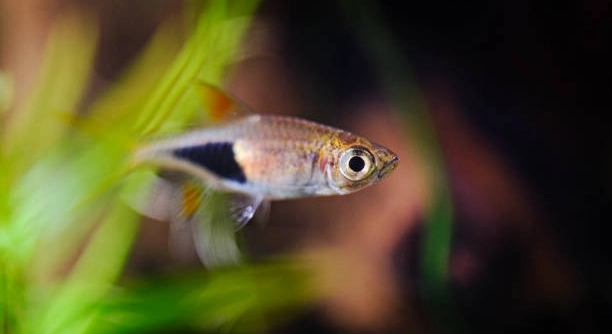
Many aquarium owners enjoy keeping rasboras for their vibrant colors and peaceful nature. These small fish can be sensitive to their environment, especially noise levels around their tank. Recognizing their comfort needs is important for their well-being.
Rasboras tend to prefer quieter rooms because excessive noise can stress them and disrupt their normal behavior. Loud sounds or constant disturbances may cause them to hide, reduce movement, or show signs of distress. Maintaining a calm environment helps support their health and natural activity.
Understanding these clues allows you to create a more suitable space for your rasboras. This can lead to a healthier and more vibrant aquarium where your fish thrive peacefully.
Signs of Rasboras Hiding More Than Usual
Rasboras often hide when their environment feels overwhelming. In a noisy room, they may seek shelter behind plants, decorations, or tank corners more than usual. This behavior indicates stress caused by constant disturbances or loud sounds around the aquarium. When rasboras hide frequently, it can affect their feeding and social interactions. Over time, this can lead to weaker health and slower growth. It is important to observe how often your fish disappear into hiding spots and note any changes in their behavior after loud noises. Creating a calm space reduces stress and encourages rasboras to explore more freely, which is essential for their natural habits.
Frequent hiding is a clear sign your rasboras need a quieter space. Reducing noise helps them feel safe and comfortable.
Keeping the aquarium in a low-traffic, quiet area can significantly improve your fish’s confidence. Avoid placing the tank near televisions, speakers, or busy rooms. Consider softening sounds around the tank by using rugs or curtains to absorb noise. Gradually, your rasboras will show more activity and less hiding. This change promotes better feeding habits and stronger social bonds among the fish. Monitoring their behavior after these adjustments helps ensure they are responding well. Quiet surroundings are key for a healthy, stress-free environment.
Changes in Swimming Patterns Due to Noise
Rasboras may swim more erratically or freeze when exposed to loud sounds. Noise can disrupt their natural rhythm and cause nervous reactions. This behavior reflects discomfort and a need for a more peaceful environment.
Reduced Appetite and Feeding Issues
Rasboras often eat less when stressed by noise. This lack of appetite can lead to weight loss and weakened immunity.
When the environment is too loud or chaotic, rasboras may avoid coming out during feeding times. Stress from constant noise can interfere with their normal feeding routine, causing them to lose interest in food. Over time, this may affect their growth and overall health. Providing a quiet, stable setting helps restore their appetite and encourages regular feeding behavior. Monitoring their eating habits closely allows you to detect any problems early and make necessary changes to their environment.
Creating a calm atmosphere is essential for their proper nutrition. Minimizing noise ensures they feel safe enough to feed without hesitation or fear, which supports their well-being.
Changes in Color and Physical Appearance
Stress from a noisy environment can cause rasboras to lose their vibrant colors. Dull or faded coloring often signals discomfort.
When rasboras experience ongoing stress, their bodies may produce less pigment, making their usual bright hues appear muted. This change is a natural response to protect themselves but also indicates that something in their environment is not ideal. A quiet space allows their true colors to shine and reflects better health. Additionally, chronic stress can lead to physical symptoms such as clamped fins or slow movement. Addressing noise levels and ensuring a peaceful environment helps reverse these effects, improving both appearance and vitality. Observing these physical signs is an important part of caring for your fish.
Increased Aggression Among Tank Mates
Noise can make rasboras more aggressive. Stress often leads to territorial disputes or chasing behavior.
When rasboras feel unsettled, they may act more aggressively toward each other. This behavior can cause injury and disrupt the peaceful balance in the tank.
Restlessness and Erratic Movement
Rasboras exposed to loud or sudden noises may swim nervously or dart around. This restlessness is a stress response.
Repeated exposure to noise disrupts their calm, causing them to lose their usual smooth swimming patterns. Over time, this behavior can wear them out and affect their health.
Preference for Lower Light Levels
Rasboras tend to stay in dimmer areas when stressed by noise. Lower light helps them feel safer.
How can I tell if my rasbora is stressed by noise?
Signs include excessive hiding, reduced appetite, dull colors, erratic swimming, and increased aggression. If your rasbora suddenly changes behavior after loud sounds or frequent disturbances near the tank, noise could be the cause. Watching your fish closely during different times of the day can help you notice these patterns. Stress may also cause physical symptoms like clamped fins or sluggish movement.
What are the best ways to reduce noise around my rasbora tank?
Place the tank in a quiet room away from televisions, speakers, or busy household areas. Using soft materials like rugs, curtains, or foam around the tank can absorb sound. Avoid tapping on the glass or loud conversations near the aquarium. If the tank is near a door or hallway, consider moving it to a less trafficked spot. These small adjustments can make a big difference in the fish’s comfort.
Is it normal for rasboras to hide a lot?
Rasboras do like to hide occasionally, especially when they feel threatened. However, if hiding becomes constant or they rarely come out, it may indicate stress. Excessive hiding often means they are uncomfortable with the environment, and noise is a common reason. Offering plenty of plants and decorations helps, but addressing noise levels is important for long-term comfort.
Can loud noises cause permanent harm to my rasboras?
Prolonged exposure to loud noise can lead to chronic stress, weakening their immune system and making them prone to disease. While short bursts of noise are unlikely to cause lasting damage, constant disturbance can affect growth and lifespan. Maintaining a calm environment helps prevent these risks and supports overall health.
How quickly do rasboras recover after moving to a quieter room?
Most rasboras begin to show signs of relaxation within a few days of reduced noise. They may swim more freely and resume normal feeding habits. Full recovery of vibrant colors and normal behavior can take several weeks depending on the level of previous stress. Patience is key while they adjust to a calmer setting.
Does tank size affect how sensitive rasboras are to noise?
Yes, smaller tanks often amplify sounds and vibrations, making fish more sensitive to noise. Larger tanks with more water volume can help buffer external sounds. However, the location of the tank and surrounding environment remain more important factors than size alone.
Are there specific times when rasboras are more sensitive to noise?
Rasboras tend to be more sensitive during feeding and resting periods. Sudden noises at these times can startle them and disrupt their routine. Keeping a quiet atmosphere during feeding helps encourage healthy eating habits. Limiting loud activity around the tank at night supports restful sleep.
Can using a tank cover help reduce noise stress?
A cover can help reduce sudden sounds reaching the water surface but won’t block most ambient noise. It is more effective at preventing jumping and contamination than noise control. Combining a cover with a quiet room location offers the best results.
What kind of decorations can help rasboras feel safer in a noisy environment?
Dense plants, caves, and hiding spots provide shelter and help rasboras feel protected. These decorations give them places to retreat when stressed. Using natural materials and soft backgrounds also reduces reflections and sudden light changes, which can add to stress.
Is it helpful to play soft background music near the tank?
Soft, consistent sounds might mask sudden noises and reduce stress, but this varies by fish. Some rasboras may tolerate gentle sounds better than loud or irregular noise. If trying music, keep the volume very low and observe their reaction carefully.
How often should I monitor my rasboras for noise-related stress?
Regular daily observation is best to notice changes in behavior or appearance. Pay attention during times when the environment is noisier, such as mornings or evenings. Early detection allows for quicker adjustments to improve their comfort.
Are there any equipment options to help reduce noise for my fish?
Aquarium filters and pumps that operate quietly are important. Look for low-decibel models designed for minimal vibration. Placing equipment on soft pads can reduce noise transmission to the tank. Proper maintenance ensures equipment runs smoothly and quietly.
Can multiple rasboras help each other cope with noise?
Rasboras are schooling fish, so having a group can reduce individual stress. They feel safer when surrounded by others, which can lessen the impact of external disturbances. Still, this doesn’t replace the need for a quiet environment.
What should I avoid doing near my rasbora tank?
Avoid loud talking, banging on the glass, sudden movements, or placing the tank near doors or heavy foot traffic areas. These actions cause unnecessary stress. Handling the tank gently and keeping the environment stable benefits their well-being.
Is it possible that my rasboras don’t mind noise at all?
While some fish may seem less affected, rasboras generally prefer calm conditions. If they show none of the stress signs mentioned, your environment might already be suitable. Still, it’s good practice to maintain a quiet space to support their health over time.
What role does water quality play alongside noise in rasbora stress?
Poor water quality combined with noise can increase stress significantly. Maintaining clean, stable water parameters is essential for their resilience. Noise alone is less harmful if water conditions are optimal, but both factors together can worsen health problems.
Rasboras are delicate fish that respond strongly to their environment. Noise is one of the factors that can cause them stress, affecting their behavior and health. A quieter room helps them feel safe and comfortable, allowing them to display their natural colors and swim calmly. Paying attention to signs like hiding, loss of appetite, or erratic swimming can guide you in creating a better habitat for your fish. Small changes in tank placement or reducing loud sounds around the aquarium can make a big difference in their well-being.
Maintaining a calm space for rasboras supports their overall health. Stress from constant noise can weaken their immune system and cause changes in appearance or behavior. Ensuring they have plenty of hiding spots and stable water conditions further helps reduce stress. When rasboras feel secure, they feed better, swim more naturally, and interact peacefully with their tank mates. This not only benefits the fish but also improves the enjoyment of keeping a healthy, lively aquarium.
It is important to be patient when adjusting your tank environment. Rasboras may take some time to recover fully after moving to a quieter space. Gradual improvements will encourage them to return to their normal behavior and regain their bright colors. Regular observation and care are key to spotting any issues early. Creating a peaceful habitat shows consideration for your fish’s needs and helps them thrive in your care.

Hello,
If you enjoy the content that we create, please consider saying a "Thank You!" by leaving a tip.
Every little bit helps us continue crafting quality advice that supports the health, happiness, and well-being of pets around the world, for pets of all shapes, sizes, and species.
We really appreciate the kindness and support that you show us!