
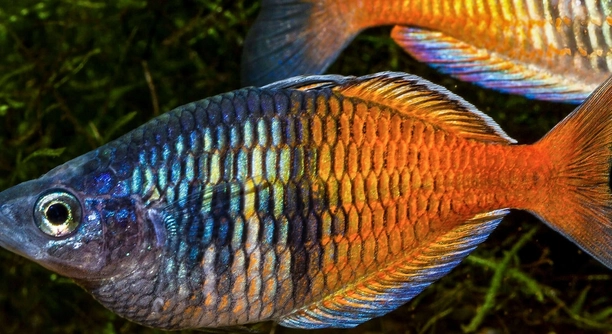
Many aquarium owners enjoy watching their rainbow fish thrive, but sometimes these colorful fish may require more space than we realize. Understanding the signs that your fish needs room to swim can help create a healthier environment for them.
Rainbow fish exhibit certain behaviors when they feel cramped, such as increased aggression, constant hiding, and erratic swimming patterns. Providing them with more space reduces stress and improves their overall well-being, leading to a happier, more vibrant fish.
Recognizing the subtle signals your rainbow fish is giving you can improve their living conditions and contribute to their long-term health. This article will guide you through the clues that indicate when it’s time for an upgrade.
Restlessness and Excessive Swimming
When your rainbow fish constantly swims back and forth, it’s a sign they need more space. This type of behavior often occurs when they feel trapped or unable to move freely in their current environment. It’s common for fish to swim in tight, repetitive patterns if they don’t have enough room to explore.
Even though your rainbow fish might not be showing clear signs of distress, such behavior can signal that the tank is too small. Their need to swim freely is a natural instinct, and when they can’t fulfill that, stress can build up. Constant movement may be a way of expressing frustration.
If your fish is swimming erratically around the tank, consider whether the space you’re providing is enough for them to move comfortably. If their current environment feels cramped, they may start to show other signs of stress, like avoiding certain areas or being less active overall. A larger tank will offer more room to explore, encouraging natural behaviors and a happier fish.
Aggressive Behavior Towards Tank Mates
Aggression is another common sign your rainbow fish may need more space.
When there isn’t enough room, fish can become territorial. Rainbow fish, known for their peaceful nature, may start to exhibit signs of aggression, like chasing or nipping at other tank mates. This is especially true when they feel confined. Providing a larger space can help reduce these territorial disputes.
In crowded tanks, fish may feel threatened and take out their stress on others. With more space, your rainbow fish can establish its own territory while minimizing confrontations. When they’re not stressed by limited space, they are more likely to coexist peacefully with other fish. A proper-sized tank allows each fish to have its own space, which prevents fights and keeps the tank’s ecosystem balanced. Giving them room to spread out can also reduce overall stress levels and improve the social dynamics of your tank.
Hiding More Often
Rainbow fish may start hiding more frequently when they feel the tank is too small. They seek out quiet, safe spots to avoid feeling overwhelmed. This behavior is often an attempt to escape the stress caused by overcrowding.
A fish that’s hiding frequently is showing signs of discomfort or anxiety. When there’s not enough space, they can feel trapped, which leads them to retreat into corners or behind decorations. If this is happening, it could be a sign that the tank is too cramped for them to feel secure.
Providing more space allows the fish to feel more comfortable and less threatened. A larger tank encourages natural behavior, such as swimming freely and interacting with tank mates. The more room they have, the more likely they will come out and swim, reducing the frequency of hiding. It’s crucial to offer a space where they feel safe but also able to explore and be active.
Limited Growth
If your rainbow fish stops growing or shows stunted growth, a lack of space could be the reason. With more room, they have the freedom to grow and develop as they should.
When confined to a small space, fish can experience stress that hampers their growth. A cramped tank limits movement and may prevent them from getting the nutrients they need. Over time, this can lead to slower development and even health problems. A larger tank offers not just space to move, but also a more stable environment for healthy growth.
Inadequate space for your fish can also impact water quality, making it harder for them to thrive. As fish grow, their waste increases, which can lead to poor water conditions in a smaller tank. A bigger tank helps to dilute waste, keeping the water cleaner and healthier. Therefore, giving them more space promotes better overall health, proper growth, and a more balanced ecosystem for everyone in the tank.
Rapid Breathing
If your rainbow fish is breathing rapidly, it may be a sign that the tank is too small. This stress-related behavior often happens when the fish struggles to get enough oxygen due to cramped conditions.
Fish may start breathing faster as they try to cope with poor water quality or limited space. This can also be an indicator of high stress levels. When fish don’t have enough room to swim or explore, it increases their anxiety, which can impact their respiration rate. More space and better water flow can help ease this issue.
Unusual Swimming Patterns
Rainbow fish may begin swimming in strange patterns if they’re confined to a small tank. This behavior can include erratic or circular swimming, which often indicates a lack of room.
Swimming in repetitive, abnormal patterns is a sign that your fish is feeling uncomfortable. Fish need space to swim in a natural, relaxed manner. If they don’t have enough space, they can develop odd swimming behaviors, which often suggest anxiety or stress. Offering more room helps restore natural movements and improves the fish’s overall well-being.
Difficulty Finding Food
If your rainbow fish seems to struggle finding food, it could be due to overcrowding or insufficient tank space. In smaller tanks, fish often find it harder to get to the food, especially if there are too many tank mates.
When tanks are too small, fish can become more competitive for food. If your rainbow fish isn’t getting enough food, it could also lead to stress and poor health. More space in the tank gives each fish the opportunity to find food without competing, reducing stress and ensuring all fish are properly fed.
FAQ
What size tank is ideal for rainbow fish?
The minimum tank size for rainbow fish depends on the number of fish you have, but generally, a 30-gallon tank is a good starting point for a small group. Rainbow fish need ample swimming space, so larger tanks will provide more freedom for them to move around comfortably. A tank that is too small will cause stress and limit their natural behaviors. If you have a larger number of rainbow fish or a variety of species, consider going for a 50-gallon tank or more. Larger tanks also help maintain better water quality, which is crucial for their health.
How many rainbow fish can I keep in one tank?
The number of rainbow fish you can keep in a tank depends on the size of the tank and the species. As a general rule, you should allow about 10 gallons of water per rainbow fish. For example, in a 30-gallon tank, you can comfortably house about 3-4 rainbow fish. However, it’s important to consider their behavior. They are active fish that enjoy swimming in schools, so keeping at least 6-8 fish together is ideal for their social needs. This will help reduce stress and allow them to feel secure, as rainbow fish are generally peaceful when kept in groups.
Can rainbow fish live with other types of fish?
Rainbow fish are generally peaceful and can live harmoniously with other community tank fish. They do well with other species that share similar water conditions and temperaments. It’s important to avoid aggressive fish, as rainbow fish can become stressed or intimidated. Good tank mates include tetras, livebearers, and peaceful cichlids. However, make sure the tank is large enough to accommodate all the fish. Overcrowding can lead to stress, aggression, and poor water quality. Always research the compatibility of different species before adding them to the tank.
How can I tell if my rainbow fish is stressed?
Stress in rainbow fish can be identified by several signs. These include erratic swimming patterns, hiding more often than usual, reduced appetite, and faded coloration. If your fish is breathing rapidly or swimming in tight circles, it could also be a sign of distress. These behaviors are often caused by poor water conditions, overcrowding, or insufficient tank space. Ensuring your fish has a large enough tank with good water quality and plenty of hiding spots will help reduce stress and promote natural behavior. If these signs persist, it’s important to address the tank conditions quickly.
What should I feed my rainbow fish?
Rainbow fish are omnivores and enjoy a varied diet. You can feed them high-quality flake or pellet food as their staple, but it’s important to supplement with live or frozen foods like brine shrimp, daphnia, or bloodworms to provide extra nutrients. Vegetables like blanched spinach, peas, and zucchini can also be offered occasionally. The goal is to provide a balanced diet that mimics their natural feeding habits. Make sure not to overfeed your rainbow fish, as excess food can lead to poor water quality. It’s best to feed them small amounts multiple times a day rather than one large feeding.
How do I maintain good water quality for rainbow fish?
Maintaining good water quality is essential for the health of your rainbow fish. Regular water changes (at least 25-30% every two weeks) are necessary to keep toxins and waste levels in check. You should also monitor water parameters such as pH, hardness, and temperature, which should fall within the rainbow fish’s preferred range. pH should be between 6.5 and 7.5, and the temperature should be kept between 75°F and 80°F. Good filtration is important for maintaining clean water, but make sure the current isn’t too strong, as rainbow fish prefer gentle movement. Regularly test the water to ensure it remains within safe levels for your fish.
Do rainbow fish need a lot of plants in their tank?
Rainbow fish don’t require a heavily planted tank, but plants can provide a more natural environment and improve their well-being. Plants offer hiding places, create a more secure environment, and help maintain water quality by absorbing excess nutrients. They also provide natural grazing opportunities, which can enrich the fish’s diet. If you do add plants, make sure there’s still enough open swimming space. Fast-growing plants like Java Moss or Amazon Sword can be a good choice, but be mindful not to overcrowd the tank. Too many plants can reduce swimming space, which might stress out your rainbow fish.
How can I help my rainbow fish breed?
If you’re interested in breeding rainbow fish, providing the right conditions is key. Ensure your tank is large enough to accommodate the breeding pair and that it has plenty of hiding places. Rainbow fish are egg layers, and they typically spawn in plants or other soft surfaces. To encourage breeding, you should offer a high-quality diet and keep the water temperature slightly higher than usual (around 80°F). If successful, the female will lay eggs, which should be protected from being eaten by other fish. Some species of rainbow fish may require separate breeding tanks to ensure the eggs have the best chance of survival.
How can I tell the difference between male and female rainbow fish?
In most rainbow fish species, males are more colorful and vibrant than females. They often have brighter markings and more distinct colors, which are used to attract mates. Females tend to be more subdued in color, especially when they are not breeding. During breeding season, the females may appear slightly fuller in the belly as they carry eggs. Males will display more aggressive behaviors toward other males during mating season, such as chasing and displaying their bright colors. It’s best to keep a group of 1 male to 2-3 females for a balanced and healthy tank.
Why is my rainbow fish losing its color?
Rainbow fish may lose their vibrant colors due to stress, poor water quality, or inadequate nutrition. If the tank is too small or overcrowded, your fish may not feel secure, which can cause their colors to fade. Additionally, poor water conditions can weaken their immune system, leading to a loss of color. Make sure the tank is large enough and the water is clean and well-maintained. Providing a balanced diet with live and frozen foods will also help restore their color. Stress-free environments with enough space to swim freely allow rainbow fish to display their full range of colors.
Final Thoughts
Rainbow fish are beautiful and vibrant additions to any aquarium, but they require the right care to thrive. One of the most important factors for their well-being is having enough space. A cramped tank can lead to stress, aggressive behavior, and other signs of discomfort. It’s crucial to provide them with a tank that allows them to swim freely, socialize with other fish, and explore their environment. The size of the tank and the number of tank mates play a significant role in creating a healthy and peaceful environment for your rainbow fish.
In addition to the physical space, water quality is another key factor to consider. Regular water changes, good filtration, and maintaining proper temperature and pH levels are essential for keeping your rainbow fish healthy. Poor water conditions can cause them to become stressed and may lead to illness. By paying attention to both the size of the tank and the water quality, you can provide a more comfortable and stable environment that will help your rainbow fish thrive.
Lastly, it’s important to remember that rainbow fish, like all pets, require ongoing care and attention. Keeping an eye on their behavior, health, and environment will help you spot any issues early on. If you notice signs of stress, aggression, or unusual behavior, it’s time to reassess their living conditions. By providing a spacious tank with good water quality and a balanced diet, you’ll help ensure your rainbow fish stay happy and healthy for years to come.

Hello,
If you enjoy the content that we create, please consider saying a "Thank You!" by leaving a tip.
Every little bit helps us continue crafting quality advice that supports the health, happiness, and well-being of pets around the world, for pets of all shapes, sizes, and species.
We really appreciate the kindness and support that you show us!