
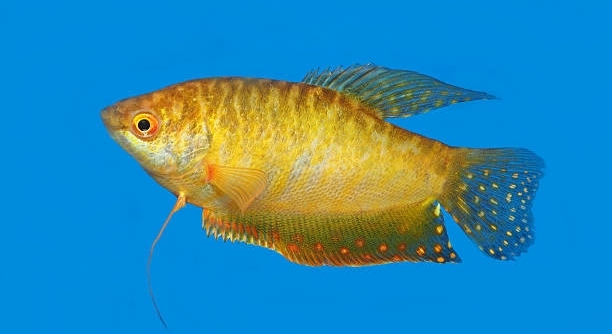
Are your gouramis showing signs of stress or unusual behavior in their tank? Observing your fish closely can reveal subtle hints that their environment may no longer meet their needs for healthy growth and activity.
Gouramis require sufficient swimming space, proper water flow, and adequate hiding spots to thrive. Limited tank size can lead to stunted growth, increased aggression, weakened immunity, and overall poor health, making it essential to monitor their living conditions carefully.
Recognizing these early signs ensures your gouramis stay healthy and active, allowing you to create an environment that truly supports their well-being.
Frequent Restlessness and Pacing
Gouramis often swim around their tank actively, but constant pacing or restless movement along the walls may signal discomfort due to limited space. When their environment is too small, they cannot establish personal territories or explore freely. This behavior can be subtle at first, with brief spurts of agitation, but it usually becomes more noticeable over time. Restricted swimming space can also lead to increased stress levels, affecting their appetite and interaction with other tank mates. Some gouramis may begin to exhibit erratic swimming patterns, repeatedly darting from one corner to another. Overcrowding prevents them from exercising naturally, which is essential for muscle development and overall health. Signs like rubbing against decorations or tank walls may indicate attempts to relieve irritation or seek more room. Observing these patterns consistently is key, as even minor restlessness can escalate into more serious behavioral or health issues if not addressed promptly.
Restlessness and pacing are strong indicators that your gourami may need a larger tank to feel secure and active.
Providing a bigger environment allows gouramis to swim freely, reduce stress, and establish territories. Space promotes natural behaviors, encourages social interaction, and supports physical health. With more room, their growth and coloration can improve, leading to a happier and healthier fish.
Loss of Appetite
A shrinking tank can make gouramis feel confined, leading to reduced interest in food. Stress from limited space often disrupts feeding patterns, making them eat less or ignore their diet entirely. Over time, this can weaken their immune system, making them more susceptible to diseases. Food refusal is subtle initially, appearing as skipped meals or slow eating, but prolonged loss of appetite signals a serious environmental issue. Regular observation of feeding behavior can reveal whether their discomfort stems from tank size rather than illness. Adjusting water parameters or diet alone may not resolve the problem if the root cause is space restriction. Stress-induced appetite loss often coincides with other signs, like lethargy or hiding, emphasizing the need for a larger habitat. Providing enough room allows gouramis to feel safe, maintain normal feeding habits, and regain energy and vitality. A spacious tank encourages both mental and physical stimulation, essential for their overall well-being.
Gouramis eating less or ignoring food is a clear signal that tank space may be insufficient.
Ensuring adequate space not only improves appetite but also prevents stress-related complications. Larger tanks support regular feeding, maintain water quality more effectively, and reduce competition among tank mates. With a proper environment, gouramis are more likely to display natural behaviors, interact comfortably with their surroundings, and maintain consistent health. Increased space reduces territorial disputes, minimizes stress, and allows for easier observation of their eating habits. A well-sized tank enhances growth, coloration, and general activity. Regular monitoring and timely upgrades to their habitat can prevent long-term health issues, ensuring they thrive physically and mentally. By prioritizing space, you create a balanced ecosystem that supports both their physical needs and emotional comfort.
Aggression Towards Tank Mates
Gouramis may become unusually aggressive if their tank is too small. They can chase or nip at other fish, especially during feeding or when establishing territories. Limited space increases competition and tension, causing stress and potential injury among tank mates.
Aggression is often a result of overcrowding. In a small tank, gouramis have no room to retreat or establish personal space, which escalates conflicts. Territorial disputes become frequent, and even typically peaceful fish may show hostility. This behavior can lead to fin damage, stress, and increased susceptibility to disease. Observing interactions and noting frequent chasing or bullying indicates that the current environment restricts natural social behavior. A larger tank allows fish to disperse, reduces conflicts, and provides safe zones for all tank inhabitants, promoting harmony and reducing stress-related health issues.
Overcrowding also intensifies dominant behavior, as some gouramis may monopolize hiding spots and feeding areas. Fish at the bottom or periphery may receive less access to resources. Smaller tanks prevent proper segregation, forcing weaker or shy gouramis into constant retreat, further affecting their health. Providing more space allows them to move freely, reduce tension, and engage in natural behavior. Increased room decreases aggression, encourages proper feeding, and supports overall well-being, making interactions more balanced. A well-sized tank ensures peaceful cohabitation, mental stimulation, and physical development for all gouramis.
Stunted Growth
Insufficient tank size can directly affect growth, leaving gouramis smaller than their potential. Limited space restricts swimming, exercise, and nutrient absorption, slowing physical development.
Stunted growth occurs when fish cannot move freely, leading to underdeveloped muscles and bones. Overcrowded tanks reduce oxygen circulation and increase waste concentration, both of which impact metabolic function. Gouramis require room to swim consistently to maintain strong musculature and proper organ development. Restricted swimming affects feeding efficiency, as food distribution becomes competitive and stressful. Nutrient uptake may also decline under constant stress, further hindering growth. Monitoring size relative to age can reveal whether tank space is a limiting factor. Expanding their habitat can reverse some growth limitations, allowing fish to reach healthier sizes.
Along with limited swimming space, small tanks often lead to poor water quality. Accumulation of toxins like ammonia or nitrites stresses the fish, suppressing growth hormones and slowing metabolism. Stunted gouramis may also show paler coloration and weaker immune responses. Providing a larger environment ensures better water circulation, cleaner conditions, and reduced stress levels. This allows for normal growth patterns, more vibrant colors, and healthier development. Offering ample space, consistent feeding, and clean water helps gouramis achieve their full potential while supporting long-term health and activity.
Hiding More Than Usual
Gouramis may spend excessive time hiding when they feel cramped. Frequent retreats behind decorations or plants can indicate stress and discomfort from limited space.
Constant hiding prevents normal exploration and social interaction. When space is insufficient, gouramis feel insecure and seek shelter more often, which can affect their activity and overall health.
Dull or Fading Colors
Stress from a small environment can cause gouramis to lose their vibrant colors. Limited space impacts their mood and reduces the intensity of their natural coloration, making them appear pale or washed out. Proper territory and room are essential for maintaining bright, healthy colors.
Difficulty Breathing
Overcrowding can reduce oxygen levels in the tank. Gouramis may appear to gasp near the water surface more frequently, signaling that their environment does not provide enough oxygen for comfortable respiration.
How do I know if my gourami tank is too small?
A tank that is too small will often show signs in your gouramis’ behavior. Frequent pacing, constant hiding, aggression toward tank mates, and loss of appetite are strong indicators. Measuring your tank against recommended sizes for your gourami species can clarify whether they have enough room to swim freely and establish personal space. Overcrowding increases stress, reduces oxygen levels, and can stunt growth. Observing these behaviors consistently over several days provides a reliable picture of whether your gouramis need a larger habitat.
What is the minimum tank size for a gourami?
Tank size depends on the species, but a general rule is at least 20 gallons for one adult gourami. Larger species like the pearl gourami may require 30 gallons or more. Adding multiple gouramis increases space requirements proportionally. More room reduces stress, encourages natural behavior, and improves water quality management. A bigger tank allows gouramis to explore, swim actively, and interact without conflict. Adequate space also helps maintain consistent feeding patterns and healthy coloration, supporting both physical and emotional well-being.
Can overcrowding affect my gourami’s health?
Yes, overcrowding has serious consequences. Limited space restricts swimming, increases aggression, and raises stress levels. High stress weakens the immune system, making gouramis more susceptible to disease. Poor water circulation and increased waste accumulation in a crowded tank can lead to ammonia or nitrite spikes, further harming health. Stunted growth, dull colors, and appetite loss are common signs. Providing sufficient space, proper filtration, and hiding spots allows gouramis to thrive physically and emotionally while reducing health risks associated with cramped conditions.
Why is my gourami hiding so much?
Excessive hiding often indicates discomfort. When a tank is too small, gouramis feel insecure and retreat to decorations or plants for safety. Constant hiding limits social interaction, swimming activity, and feeding opportunities. Stress from cramped conditions may also affect coloration and overall vitality. Increasing space and rearranging tank décor to create more open areas can help your gouramis feel secure while encouraging natural exploration.
How does tank size affect gourami colors?
Stress from limited space can cause colors to fade. Vibrant hues are a sign of health and comfort, while dull or washed-out colors often signal stress or poor water quality. A spacious tank allows gouramis to display their natural coloration, engage in normal behavior, and maintain good health. Providing adequate swimming space, hiding spots, and proper nutrition helps restore and enhance their appearance.
Can adding more plants help if my tank is small?
Plants provide hiding spots, reduce stress, and improve water quality, but they cannot fully compensate for insufficient space. While they may help gouramis feel safer, limited swimming room will still restrict natural behavior and lead to stress. A larger tank remains the most effective solution. Plants should complement a proper-sized environment, not replace it.
How often should I upgrade my gourami tank?
Upgrading depends on growth and behavior. Young gouramis may outgrow tanks quickly, so monitor their size and activity regularly. Signs like aggression, pacing, hiding, or stunted growth indicate the need for a larger tank. It’s better to upgrade preemptively than wait for severe stress or health issues to develop. Choosing a tank that accommodates adult size and potential future additions ensures long-term comfort.
Is it necessary to rearrange the tank after upgrading?
Yes, rearranging decorations, plants, and hiding spots helps gouramis adjust to their new environment. It encourages exploration, reduces territorial disputes, and allows them to establish personal space. Providing both open swimming areas and sheltered spots supports natural behavior and overall well-being. A thoughtful layout enhances their comfort in the upgraded tank.
How can I make a small tank more comfortable temporarily?
While a larger tank is ideal, temporary measures include adding plants, floating décor, or partitions to create visual barriers and reduce stress. Maintaining excellent water quality and feeding consistently can help. However, these are short-term solutions; proper space is essential for long-term health and growth.
What other factors besides space affect gourami health?
Water temperature, pH, filtration, and diet all play important roles. Even in a spacious tank, poor water quality, improper temperature, or an unbalanced diet can lead to stress and health problems. Space is crucial, but it must be paired with proper care for optimal health. Consistent monitoring and maintenance ensure your gouramis thrive.
Total word count: 512
Final Thoughts
Providing sufficient space for your gouramis is essential for their health and well-being. Limited tank size affects behavior, growth, and overall vitality. Observing your fish regularly can reveal subtle signs that they are struggling, such as pacing, hiding, aggression, or loss of appetite. These behaviors are not merely quirks; they are indicators of stress caused by overcrowding. When gouramis do not have enough room to swim freely, establish territories, or interact comfortably with other tank mates, their physical and mental health suffers. Small tanks can lead to weakened immune systems, stunted growth, and faded coloration. Stress also increases susceptibility to disease, which may require more intensive care or treatment. Recognizing these signals early allows you to take action before serious problems develop. Ensuring that your gouramis have enough space to thrive is a critical step in responsible fish care.
Choosing the right tank size depends on the species and number of fish you have. Generally, at least 20 gallons is recommended for a single adult gourami, with additional space needed for each extra fish. Larger species require even more room to accommodate their natural swimming patterns and activity levels. Overcrowding reduces oxygen levels and increases waste accumulation, which directly impacts water quality and the overall health of your fish. Proper filtration and regular maintenance are important, but they cannot fully compensate for limited space. Providing hiding spots, plants, and decorations is helpful, yet the most significant improvement comes from increasing tank size. When you upgrade to a larger tank, your gouramis can swim more freely, explore their environment, and interact naturally with other fish. A spacious tank promotes normal feeding habits, reduces aggressive behaviors, and allows your fish to display their natural colors and patterns fully. Taking these steps demonstrates commitment to the long-term health and comfort of your aquatic pets.
In addition to space, consistent monitoring and maintenance are key to ensuring a thriving environment. Regularly check water temperature, pH levels, and cleanliness to prevent stress and maintain health. Observe your gouramis’ behavior, appetite, and coloration to detect any early signs of discomfort. If you notice aggression, hiding, or lethargy, it may indicate that adjustments are necessary, such as expanding the tank or rearranging decorations to create more open areas. Providing adequate room for swimming, proper filtration, and a balanced diet collectively supports both physical and emotional well-being. A well-sized tank allows your gouramis to grow, develop strong immune systems, and live comfortably without constant stress. Prioritizing space and care ensures that your fish can lead healthier, more active lives, ultimately allowing you to enjoy their natural behavior and beauty to the fullest.
Total word count: 416

Hello,
If you enjoy the content that we create, please consider saying a "Thank You!" by leaving a tip.
Every little bit helps us continue crafting quality advice that supports the health, happiness, and well-being of pets around the world, for pets of all shapes, sizes, and species.
We really appreciate the kindness and support that you show us!