
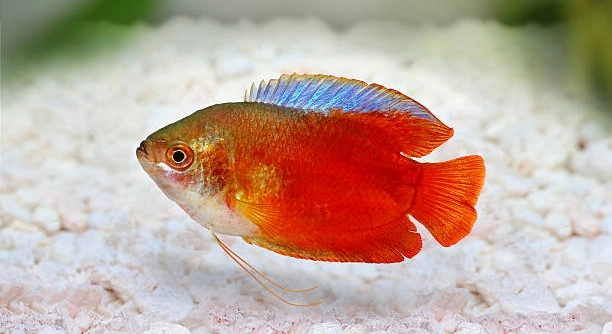
Are your gouramis showing signs of restlessness or unusual behavior in their tank? Many fish owners overlook the subtle changes that indicate their pet may be outgrowing its current setup. Recognizing these signs early helps maintain a healthy environment.
Gouramis often display physical and behavioral indicators when their tank becomes insufficient. Common signs include restricted swimming space, increased aggression, stunted growth, and frequent hiding. Monitoring these clues ensures proper tank sizing, promoting overall well-being and reducing stress-related health issues.
Observing these patterns can prevent long-term problems and create a more comfortable space for your gourami. Early action supports their growth and overall happiness.
Limited Swimming Space
As gouramis grow, they need adequate room to swim freely. A cramped tank restricts movement, which can lead to stress, reduced activity, and even weaker immune responses. You may notice your gourami spending most of its time in one corner or repeatedly bumping into decorations. Over time, insufficient swimming space can slow growth and affect natural behavior. Providing ample open areas in the tank is essential, along with proper water flow. Adjusting the arrangement of plants, rocks, and ornaments can help maximize usable space. Regularly observing your gourami’s movement patterns gives insight into whether the tank remains suitable as it grows. A tank that once felt spacious can quickly become restrictive as your fish increases in size. It is important to consider both length and depth when evaluating swimming space to ensure comfort. Proper tank dimensions directly impact the health and behavior of your gourami.
Limited swimming space can increase stress and reduce overall health, making a larger tank necessary for continued growth.
Monitoring tank size and rearranging decorations when needed supports your gourami’s natural activity, encourages healthy exercise, and reduces stress. A well-planned tank layout allows the fish to explore, interact, and display normal behaviors. Regularly reassessing space requirements ensures that the tank adapts to your gourami’s size and keeps them active. Overcrowding or limited movement can lead to aggression, poor growth, and even disease. By prioritizing swimming space, you maintain a healthier environment that meets both the physical and psychological needs of your fish. Adjustments can include upgrading tank size, trimming dense plant areas, or relocating large decorations to open pathways. Attention to swimming space promotes longevity and prevents behavioral issues. Ensuring a comfortable and accessible tank environment is an essential step in responsible fish care.
Increased Aggression
When gouramis start showing frequent aggression, it may signal that their tank is too small. Fighting over territory or resources often increases when space is limited, particularly in mixed or crowded tanks.
Aggression can manifest as chasing, nipping, or blocking other fish. Inadequate space triggers competition and territorial behavior, which stresses both your gourami and its tank mates. Persistent stress from aggression can weaken the immune system, making fish more vulnerable to illness. Observing interactions carefully helps identify the need for a larger tank or the separation of aggressive individuals. Increasing tank size reduces conflict and allows fish to establish personal space. Consider the number of tank mates, their size, and temperament when evaluating the setup. Adding hiding spots and plants may temporarily ease tension, but long-term solutions often require more room. Proactively addressing aggression improves the overall atmosphere, health, and social balance within the aquarium. Regular observation ensures that behavior changes are caught early, preventing serious injuries and promoting harmony in the tank.
Stunted Growth
Stunted growth is a clear indicator that your gourami may be outgrowing its tank. Limited space, poor water quality, and competition for resources can all slow development and prevent your fish from reaching full size.
A smaller tank often leads to nutrient limitations and uneven water parameters, which directly impact growth. Gouramis in cramped environments may display thinner bodies, shortened fins, and delayed maturation compared to those in appropriately sized tanks. Even with a balanced diet, physical space restrictions can hinder natural expansion and overall health. Regularly measuring your gourami and comparing its growth against typical size ranges can help identify if the tank is sufficient. Adjusting tank size, enhancing filtration, and monitoring water quality are practical steps to support proper development and ensure your gourami thrives.
In addition to physical growth, stunted development affects behavior. Gouramis may become lethargic, less active, or show reduced interest in exploring their environment. Stress from confinement can weaken immune responses, increasing susceptibility to disease. Observing daily habits and physical changes can alert you to these issues early, allowing timely adjustments to prevent long-term health problems.
Frequent Hiding
Gouramis that hide frequently may feel unsafe or overcrowded. Insufficient space or aggressive tank mates often trigger this behavior, indicating that the current setup may no longer meet their needs.
Frequent hiding can reduce social interaction, exercise, and overall activity. Gouramis in cramped conditions or near aggressive fish may retreat to corners, plants, or decorations to avoid conflict. While hiding is a natural behavior, constant retreat suggests stress or discomfort. Providing larger open areas and additional hiding spots can help balance activity and security. Monitoring how often and where your gourami hides gives insight into whether the tank remains suitable. Adjusting space or separating aggressive individuals can restore confidence and encourage normal exploration.
Addressing hiding behavior involves both physical and environmental changes. Expanding tank size allows gouramis to establish personal territory and reduces competition. Adding strategically placed plants, caves, or ornaments offers safe retreats without limiting swimming space. Overcrowded tanks often worsen hiding tendencies, so reducing population or increasing tank dimensions helps maintain a healthier balance. Ensuring proper water parameters and consistent feeding schedules also improves comfort. Tracking behavioral patterns over time confirms whether adjustments are effective, supporting a more active and confident fish.
Rapid Fin Damage
Frequent fin damage can indicate that your gourami is struggling in a small or overcrowded tank. Fins may tear when fish collide with decorations or each other, leading to stress and increased vulnerability to infection.
Sharp or rough tank decorations can worsen fin damage. Overcrowding amplifies accidental nips and collisions. Regular observation helps identify causes, and careful rearrangement or tank enlargement reduces ongoing injury risks.
Erratic Swimming
Erratic swimming often signals discomfort from restricted space or poor water conditions. Gouramis may dart, circle, or swim near the surface excessively, showing stress and restlessness.
Providing a larger tank and maintaining stable water parameters helps reduce erratic behavior. Ensuring sufficient room for movement allows your gourami to swim naturally and maintain health.
Increased Appetite
A sudden increase in appetite can occur when a gourami senses limited space. Growth demands more energy, and the fish may eat more than usual to meet these needs.
Constant Surface Breathing
Frequent surface breathing often indicates low oxygen levels, which may result from overcrowding or a small tank. Monitoring oxygenation and improving water circulation helps maintain a comfortable environment for your gourami.
FAQ
How do I know if my gourami needs a bigger tank?
If your gourami is showing signs like stunted growth, frequent hiding, aggression, or erratic swimming, it likely needs more space. Observing daily behaviors and physical changes, along with monitoring swimming patterns, helps determine if the tank is adequate. Overcrowding or restricted movement is a clear indicator that expansion is necessary.
Can small tanks harm my gourami’s health?
Yes. Limited space can increase stress, reduce immunity, and make your gourami more prone to disease. Small tanks may also limit swimming, affect natural behaviors, and reduce growth. Ensuring proper tank size supports both physical and mental well-being.
What tank size is recommended for gouramis?
A minimum of 20 gallons is ideal for a single adult gourami, with additional space required for multiple fish. Larger tanks allow natural swimming, reduce stress, and accommodate decorations without crowding. Depth and length are both important for optimal movement.
How can I reduce aggression in a small tank?
Aggression often stems from territorial disputes or overcrowding. Adding hiding spots, separating aggressive fish, or upgrading the tank can reduce conflicts. Observing interactions and maintaining proper population density are crucial steps for a peaceful environment.
Why does my gourami hide so much?
Excessive hiding usually signals stress, overcrowding, or fear of aggressive tank mates. Hiding can protect your fish temporarily, but constant retreat indicates the environment is not ideal. Expanding the tank or adding safe retreats can help your gourami feel secure.
What causes fin damage in gouramis?
Fin damage results from collisions with decorations, other fish, or sharp surfaces. Overcrowding increases accidental nipping, and poor water conditions can worsen damage. Adjusting tank layout and enlarging space can reduce ongoing fin injuries.
Is erratic swimming a serious problem?
Erratic swimming often shows stress from small tanks, poor water quality, or aggressive tank mates. While occasional bursts are normal, consistent erratic behavior signals discomfort. Increasing space and maintaining stable water parameters restores natural swimming patterns.
Why is my gourami eating more than usual?
Increased appetite can indicate growth needs or stress from limited space. As gouramis grow, energy demands rise, and they may eat more to maintain health. Observing feeding habits helps determine if the tank size is affecting their behavior.
What does constant surface breathing mean?
Frequent surface breathing usually indicates low oxygen levels. This may happen in overcrowded or small tanks. Improving water circulation, adding aeration, and increasing tank size ensures your gourami can breathe comfortably.
How often should I upgrade my gourami’s tank?
Tank upgrades depend on your gourami’s growth and behavior. Regularly assessing swimming space, aggression, and activity helps determine when a larger setup is necessary. Early upgrades prevent stress, improve health, and support natural behaviors.
Can decorations affect my gourami’s comfort?
Yes. Overcrowded or sharp decorations can limit swimming space, cause fin damage, and increase hiding. Arranging plants and ornaments to allow open areas ensures movement and reduces stress. Regular adjustments maintain a healthy, comfortable environment.
How do I prevent stunted growth?
Provide a properly sized tank, balanced diet, and stable water conditions. Adequate space for swimming and reduced stress are essential. Monitoring development and adjusting the tank setup ensures your gourami reaches full potential.
What is the best way to monitor tank conditions?
Regularly check water parameters, including temperature, pH, ammonia, and oxygen levels. Observe fish behavior, activity, and interactions daily. Keeping track of these factors helps prevent issues and ensures the tank remains suitable for your gourami’s growth and comfort.
How can I tell if my gourami is stressed?
Signs of stress include hiding, fin damage, aggression, erratic swimming, and excessive surface breathing. Tracking changes in behavior or appetite helps identify stressors. Adjusting tank size, environment, and companions can alleviate stress and promote well-being.
Are tank upgrades stressful for gouramis?
Upgrades can cause temporary stress, but gradual adjustments and careful water acclimation minimize impact. A well-planned transition ensures long-term benefits, including more space, improved swimming areas, and reduced aggression. Regular monitoring after upgrades helps ensure your gourami adapts smoothly.
What are the signs of a comfortable gourami?
A comfortable gourami swims freely, interacts with tank mates calmly, eats regularly, and explores its environment. Fins are intact, and hiding occurs occasionally rather than constantly. Observing these behaviors confirms that the tank meets both physical and psychological needs.
How do I balance hiding spots and open space?
Provide plants, caves, or ornaments strategically without overcrowding. Ensure open areas for swimming while allowing retreats for security. A balanced layout supports activity, reduces stress, and allows your gourami to establish territory without constant hiding.
Can multiple gouramis share a tank comfortably?
Yes, if the tank is large enough to prevent crowding and provide adequate hiding spots. Consider size, temperament, and population density to reduce aggression. Regular observation ensures that interactions remain peaceful and each fish has enough space.
How important is water quality in preventing these issues?
Water quality is critical. Poor conditions amplify stress, aggression, and stunted growth. Regular testing, filtration, and partial water changes maintain a healthy environment and support your gourami’s overall well-being and activity levels.
When should I consult a professional?
If behavior, growth, or health issues persist despite adjustments, consulting a fish care expert or veterinarian ensures your gourami receives proper guidance and treatment. Early intervention prevents serious complications and promotes long-term health.
Providing the right environment for your gourami is essential to ensure its health, growth, and overall well-being. A tank that is too small can create several problems, from stunted growth to aggressive behavior. Fish rely on space to swim freely, explore, and establish territory. When the tank does not meet these basic needs, it can lead to stress, weakened immunity, and reduced lifespan. Observing your gourami’s behavior and physical condition is an important step in recognizing early signs that the tank is no longer suitable. Simple adjustments, such as rearranging decorations or adding hiding spots, can temporarily help, but often the most effective solution is increasing the size of the tank. This provides more room for swimming, reduces competition among tank mates, and allows the fish to display natural behaviors that contribute to overall health.
Monitoring water quality, including temperature, pH levels, and oxygenation, is equally important. Overcrowded or small tanks are more prone to fluctuating water conditions, which can worsen stress and trigger behavioral issues. Regular testing and maintenance help maintain a stable environment, supporting both physical growth and mental well-being. Alongside water quality, proper feeding practices ensure your gourami receives the nutrients needed to thrive. Overfeeding or underfeeding can compound issues caused by limited space, affecting energy levels, growth, and activity patterns. Paying attention to these details demonstrates responsible fish care and ensures that your gourami remains healthy and comfortable in its habitat. Maintaining a balance of space, water quality, and nutrition is key to avoiding the common problems that arise when a fish outgrows its setup.
Understanding your gourami’s needs goes beyond physical space. Behavioral observation is just as crucial in maintaining a healthy environment. Signs like excessive hiding, erratic swimming, increased aggression, or constant surface breathing often indicate discomfort or stress. Responding to these behaviors promptly can prevent long-term health issues. Upgrading the tank, adjusting the layout, and ensuring proper water quality all contribute to a more balanced and comfortable space for your fish. By addressing these factors proactively, you provide a setting that supports both physical development and emotional well-being. Taking these steps ensures your gourami can grow naturally, remain active, and display healthy behaviors throughout its life. Careful attention to space, environmental conditions, and behavior forms the foundation of responsible fish keeping and helps create a stable, thriving habitat for your gourami.

Hello,
If you enjoy the content that we create, please consider saying a "Thank You!" by leaving a tip.
Every little bit helps us continue crafting quality advice that supports the health, happiness, and well-being of pets around the world, for pets of all shapes, sizes, and species.
We really appreciate the kindness and support that you show us!