
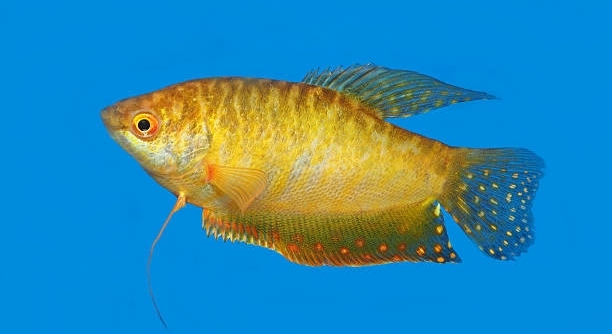
Is your gourami showing signs of taking over the tank? Observing your fish closely can reveal behaviors that indicate dominance. These signs can impact other fish and influence the overall harmony within your aquatic environment.
Gouramis display dominance through territorial behavior, aggressive interactions, and control over feeding areas. They may chase or intimidate other fish, assert priority access to food, and occupy prime hiding or resting spots, establishing themselves as the primary inhabitant of the tank.
Recognizing these behaviors early can help maintain balance and ensure a healthier, less stressful environment for all tank inhabitants.
Aggressive Chasing
Aggressive chasing is one of the most noticeable signs that your gourami is asserting dominance. When a fish constantly chases others around the tank, it is marking its territory and reinforcing its position. This behavior often increases during feeding times, when the dominant fish wants to secure priority access to food. Other fish may retreat to corners or hide behind plants to avoid confrontation. Over time, the constant chasing can cause stress for less assertive fish, affecting their health and appetite. Observing your gourami’s interactions during different times of the day can help identify patterns and determine if the behavior is consistent or occasional. Tank setup also plays a role; limited hiding spots or small spaces can amplify aggressive chasing. Providing adequate space and cover can reduce tension and allow all fish to coexist more comfortably. Understanding these behaviors is essential for maintaining a balanced tank environment.
Aggressive chasing can be mitigated by rearranging tank decorations and adding more hiding spots to reduce tension among fish.
Regular observation of these interactions helps identify potential stress points, allowing adjustments before conflicts escalate or injuries occur.
Dominance Over Feeding
Dominance during feeding is another clear indicator of a gourami’s control. A dominant fish often takes the best spots and pushes others aside.
A dominant gourami may eat first and consume more than its share, leaving less food for other fish. Over time, this can cause nutritional imbalances and weaken less assertive tank mates. Observing the feeding order provides insight into hierarchy within the tank. Some gouramis may circle the feeding area, showing their authority while preventing others from accessing food comfortably. Adjusting feeding practices, such as spreading food across multiple locations, can help ensure all fish receive adequate nutrition. It’s also important to monitor the health of subordinate fish to prevent stress-related illness or stunted growth. Consistent patterns of feeding dominance often reflect overall tank dynamics and can signal whether intervention is necessary. Addressing this behavior early can help maintain harmony and promote healthier relationships among all tank inhabitants.
Guarding Hiding Spots
A dominant gourami often claims the best hiding spots in the tank. Other fish may avoid these areas, leaving the dominant fish free to rest or observe without interference. This territorial behavior reinforces its position and can increase stress for subordinate fish.
These fish are highly aware of their surroundings and may patrol favorite caves, plants, or corners regularly. By controlling these spaces, they establish a sense of security and authority. Less dominant fish will often seek alternative locations or remain in open water, avoiding conflict. Over time, the dominant gourami’s control over hiding spots becomes clear through consistent patterns of occupation. Tank layout can affect this behavior, and providing multiple shelters may reduce tension.
Controlling hiding spots also allows the dominant gourami to monitor feeding and social interactions. Their presence in prime areas signals authority and can influence the movement and behavior of all other tank inhabitants.
Displays of Fin Flaring
Fin flaring is a direct method gouramis use to assert dominance. They extend their fins fully to appear larger and more intimidating.
This behavior is common during interactions with other fish or when newcomers enter the tank. The display is intended to discourage competitors and establish hierarchy without immediate physical aggression. Flaring is often accompanied by body posture adjustments and slow, deliberate movements to maximize the visual effect. Observing when and how often a fish flares can reveal its level of control in the tank. Stress in other fish is a typical response, as they may retreat or avoid areas near the flaring gourami. Maintaining a well-structured environment with ample space can help reduce tension and limit the frequency of these displays.
Flaring is also used during feeding or mating periods, signaling dominance while maintaining vigilance over resources and potential rivals. It is a clear visual cue that the gourami is asserting control, influencing both social interactions and access to essential areas of the tank.
Interrupting Other Fish
A dominant gourami may frequently swim between other fish, breaking their movements or interactions. This behavior establishes control and discourages others from exploring freely.
Interruptions often happen during feeding or when other fish approach prime areas. The dominant fish uses this tactic to assert authority and maintain its position.
Tail Chasing
Tail chasing is a behavior where the dominant gourami follows other fish closely, sometimes nipping or nudging them. This can create stress and discourage movement in less assertive fish. It reinforces the hierarchy and ensures the dominant fish maintains control over territory and resources.
Expanded Body Posture
A dominant gourami often swims with an expanded body posture, making it appear larger and more imposing. This stance signals authority and can deter challenges from other tank inhabitants.
FAQ
How can I tell if my gourami is too dominant?
A dominant gourami often chases other fish, guards hiding spots, flares fins, and controls feeding areas. Observing patterns of aggression or territorial behavior over time helps identify dominance. Less active fish that avoid the dominant gourami are usually showing submission, which confirms the hierarchy in your tank.
Is tail chasing harmful to other fish?
Tail chasing can cause stress in less assertive fish. Continuous harassment may lead to reduced feeding, hiding excessively, or even minor injuries. While occasional tail chasing is natural, persistent behavior should be monitored, and tank adjustments may be needed to ensure all fish remain healthy.
Can tank size influence dominance?
Yes, a smaller tank can intensify dominant behaviors because space is limited. Larger tanks with multiple hiding spots reduce conflict and allow less assertive fish to avoid confrontations. Rearranging plants, decorations, and adding shelters can also help distribute territories more evenly.
Does dominance affect feeding habits?
Dominant gouramis often eat first and may consume more than their share. This leaves less food for other fish, potentially causing nutritional imbalances. Spreading food across different areas of the tank or using floating and sinking food options can help ensure all fish are fed adequately.
Can I reduce aggressive behaviors?
Adjusting tank layout with additional hiding spots, plants, or decorations can reduce aggressive interactions. Providing adequate space and monitoring social dynamics helps prevent stress. In some cases, introducing similarly sized or compatible fish may balance dominance hierarchies, but careful observation is necessary.
Do all gouramis display dominance the same way?
No, behavior varies by species, size, and personality. Some gouramis are naturally more territorial and aggressive, while others are more passive. Observing interactions over time will help determine patterns unique to your fish and guide management strategies.
Is fin flaring always a sign of aggression?
Not always. Fin flaring can indicate excitement or interest, but repeated flaring toward other fish is often a display of dominance. Watching accompanying behaviors, like chasing or guarding, helps distinguish between general activity and aggressive dominance.
Should dominant gouramis be separated?
Separation may be necessary if aggressive behavior causes injury or chronic stress to other fish. Providing a larger tank or creating visual barriers can sometimes be enough. Permanent separation is only required if the dominant behavior disrupts the tank’s balance or endangers other fish.
How does dominance affect tank harmony?
Dominant gouramis influence movement, feeding, and social interactions of all tank inhabitants. Subordinate fish may become stressed, eat less, or hide constantly. Maintaining harmony requires careful observation, environmental adjustments, and sometimes intervention to ensure all fish remain healthy and comfortable.
Can dominance change over time?
Yes, hierarchies can shift as fish grow, new fish are added, or tank conditions change. Observing changes in behavior helps anticipate conflicts and allows adjustments to maintain a balanced tank environment.
Final Thoughts
Observing your gourami closely is essential to understanding its behavior in the tank. Dominance can show in several ways, including chasing other fish, controlling feeding areas, guarding hiding spots, and flaring fins. Each behavior serves a purpose in establishing a hierarchy within the tank. Recognizing these signs early can prevent stress and health problems for less assertive fish. Dominant gouramis may appear more confident and assertive, but this can also create tension in the tank. By paying attention to patterns of movement and interaction, you can identify which fish are being affected and take steps to maintain balance.
Maintaining a balanced environment helps reduce aggressive behavior and supports the well-being of all fish. Tank size, layout, and available hiding spaces play a significant role in influencing dominance. Larger tanks with multiple shelters allow less dominant fish to find safe spaces and reduce direct confrontations. Rearranging decorations, adding plants, or splitting feeding areas can help distribute control more evenly. Feeding practices also impact social dynamics. Providing food in different locations and ensuring all fish have access helps prevent dominant fish from monopolizing resources. Consistent observation and small adjustments can make a big difference in keeping a peaceful tank.
Understanding your gourami’s behavior allows for proactive management of the tank. Not all aggressive actions require drastic measures, but awareness is key. Some behaviors, like occasional fin flaring or brief chasing, are natural and part of establishing a hierarchy. Problems arise when dominance becomes constant and affects other fish’s health or access to resources. Monitoring interactions and making environmental changes can reduce stress and encourage a harmonious tank. With attention and care, your gourami can live comfortably while coexisting with other fish. Recognizing signs of dominance and addressing them thoughtfully ensures a healthier, calmer aquatic environment for every inhabitant.

Hello,
If you enjoy the content that we create, please consider saying a "Thank You!" by leaving a tip.
Every little bit helps us continue crafting quality advice that supports the health, happiness, and well-being of pets around the world, for pets of all shapes, sizes, and species.
We really appreciate the kindness and support that you show us!