
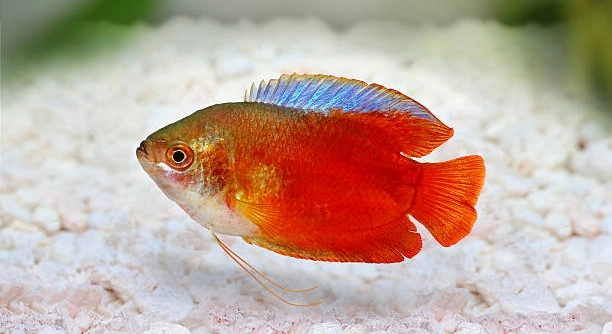
Keeping gouramis as pets can be a joyful experience, but sometimes they may show signs of stress or illness. Observing your fish closely helps ensure their environment stays healthy and safe for them to thrive.
Gouramis often display early signs of sickness through changes in behavior, appetite, and appearance. Recognizing these clues promptly allows owners to intervene, prevent further health decline, and maintain optimal water conditions to support the fish’s well-being.
Identifying these warning signs early can make a significant difference in keeping your gourami healthy and happy in its home aquarium.
Changes in Appetite
It is common to notice your gourami eating less or refusing food entirely before other symptoms appear. A sudden drop in appetite can signal internal stress or infection. Sometimes, even if the fish nibbles occasionally, it may not be enough to maintain proper nutrition. Consistent observation is key. Make sure food is fresh and the feeding schedule is regular. Overfeeding can also stress the fish and cause digestive issues. Pay attention to whether other tank mates are competing aggressively for food. Stress or illness may make your gourami retreat to corners of the tank, ignoring meals it normally enjoys. Water quality also plays a role; poor conditions can reduce appetite. Tracking feeding behavior daily helps detect problems early, which can prevent more severe health complications.
Loss of appetite often indicates early health issues. Immediate assessment of diet, environment, and water quality is essential to ensure proper nutrition and prevent disease progression.
Noticing a shift in eating habits can guide timely action. Adjusting water conditions, checking for parasites, and observing tank behavior closely can help your gourami recover faster.
Unusual Swimming Patterns
Erratic swimming is a noticeable sign that something is off with your gourami. Fish may swim in circles, float near the surface, or stay at the bottom longer than usual. These movements often indicate stress, injury, or internal discomfort. Watch for sudden bursts of speed followed by long rests or signs of imbalance. Gill movement may also appear heavier, showing possible breathing difficulty. Changes in tank conditions, like temperature swings or low oxygen, can trigger abnormal swimming. Even slight irregularity can be a warning. Identifying these early helps prevent worsening conditions.
Erratic swimming often signals stress or illness, requiring prompt observation and intervention to maintain fish health.
Carefully monitor water parameters, such as pH, temperature, and ammonia levels. Look for any physical changes like fin damage or swelling. If the swimming pattern persists, consider isolating the fish for observation. Addressing environmental or health issues quickly can help your gourami return to normal activity and avoid serious complications. Adjusting diet or providing stress-reducing décor can also support recovery.
Clamped Fins
Clamped fins are a clear sign that your gourami is uncomfortable or stressed. The fins stay close to the body instead of spreading naturally. This can indicate poor water quality, infection, or internal problems requiring attention.
When your gourami consistently keeps its fins tight against its body, it may be reacting to environmental stressors like sudden temperature changes, high ammonia, or low oxygen levels. Parasites and bacterial infections can also cause this behavior. It is important to test water parameters regularly and maintain a clean tank. Observe for other symptoms such as lethargy or loss of appetite to better understand the underlying issue.
Providing gentle care is crucial when fins remain clamped. Adjusting water conditions, isolating the fish if necessary, and monitoring feeding habits can reduce stress. Avoid aggressive tank mates and sudden movements near the aquarium. Proper care helps the fins return to normal and supports overall health.
Color Fading
Fading or dull coloration often indicates your gourami is unwell. Vibrant colors usually reflect good health, while pale or washed-out tones can point to illness or stress.
Loss of color can result from poor diet, water quality issues, or disease. Nutrient deficiencies, especially in vitamins and carotenoids, can cause fading. Stress from overcrowding or aggressive tank mates also contributes. Observing color changes alongside behavior and appetite helps identify problems early. Timely adjustments in diet and environment are critical to prevent long-term effects.
Restoring color involves maintaining optimal water conditions, offering a balanced diet rich in natural pigments, and reducing stress factors in the tank. Regular monitoring and small, consistent improvements often help the gourami regain vibrancy. Veterinary advice may be necessary if fading continues, as it could indicate serious internal issues.
Labored Breathing
Labored breathing is a serious sign that your gourami may be struggling with oxygen intake or gill issues. Rapid gill movement or gasping at the surface often indicates poor water quality or infection.
Monitor water parameters immediately. High ammonia, nitrite, or low oxygen levels can cause breathing difficulty. Acting quickly can prevent further health decline.
White Spots or Patches
White spots or patches on your gourami’s body usually indicate a parasitic infection like ich. Early detection is important to prevent spreading. Keep the tank clean and consider treatment options recommended for freshwater fish.
Lethargy
Lethargy in a gourami is noticeable when it spends long periods resting at the bottom or hiding. Reduced activity often signals illness, stress, or poor water conditions. Maintaining proper temperature, diet, and tank hygiene can help your fish regain energy.
Rubbing Against Objects
If your gourami is rubbing its body against tank surfaces, it may be trying to relieve irritation from parasites or skin issues. Observing this behavior alongside other symptoms helps identify the underlying problem quickly.
FAQ
How can I tell if my gourami is stressed?
Stress in gouramis can show through unusual behavior such as hiding, clamped fins, loss of appetite, or erratic swimming. Water quality, aggressive tank mates, or sudden changes in environment often trigger these signs. Monitoring daily habits and tank conditions helps identify stress early.
What should I do if my gourami stops eating?
A loss of appetite can indicate illness, poor water quality, or stress. Check water parameters for ammonia, nitrite, and pH. Offer fresh, high-quality food and reduce disturbances in the tank. If the fish continues to refuse food, isolating it and consulting a veterinarian may be necessary.
Why is my gourami’s color fading?
Pale or dull colors often result from stress, illness, or nutritional deficiencies. Ensure the diet contains natural pigments and maintain stable water conditions. Color loss can also signal parasites or bacterial infections, so observe for other symptoms like clamped fins or lethargy.
How do I treat white spots on my gourami?
White spots usually indicate ich, a common parasitic infection. Raising the water temperature slightly and using ich treatment medication can help. Clean the tank thoroughly, remove carbon from filters during treatment, and follow dosing instructions carefully to avoid harming your fish.
What causes labored breathing in gouramis?
Labored breathing can result from low oxygen, high ammonia or nitrite, or gill infections. Ensure proper aeration, clean the tank, and test water parameters. If breathing difficulty persists, consult a veterinarian for potential internal issues or respiratory infections.
Why is my gourami rubbing against objects?
Rubbing, or “flashing,” often signals irritation from parasites, fungal infections, or poor water conditions. Observe skin and fins for damage, maintain clean water, and consider appropriate treatment for parasites if symptoms continue. Isolation may prevent spreading to other fish.
How can I prevent my gourami from getting sick?
Regular water testing and partial water changes are essential. Provide a balanced diet, avoid overcrowding, and maintain stable temperature and pH. Quarantine new fish and monitor behavior closely. Early detection of any unusual behavior ensures prompt action and long-term health.
Is it normal for gouramis to be inactive sometimes?
Occasional rest is normal, but prolonged lethargy often signals illness or stress. Check water quality, temperature, and tank mates. Observe for appetite changes, color fading, or unusual swimming. Adjusting diet and environment can help restore activity.
Can stress make my gourami sick?
Yes, stress weakens the immune system, making gouramis more susceptible to infections. Factors like overcrowding, poor water quality, sudden changes, or aggressive tank mates can increase stress levels. Minimizing these stressors supports overall health and disease prevention.
When should I call a vet for my gourami?
If symptoms persist despite adjusting water conditions and diet, or if severe signs like labored breathing, constant rubbing, or rapid deterioration appear, consulting a veterinarian is necessary. Professional guidance ensures proper diagnosis and treatment.
How often should I check my gourami’s tank?
Daily observation of behavior, appetite, and appearance is recommended. Weekly testing of water parameters like ammonia, nitrite, nitrate, and pH helps maintain a stable environment. Prompt action when issues arise prevents serious health problems.
What is the best diet for gouramis to stay healthy?
A varied diet with high-quality flakes, pellets, and occasional frozen or live foods provides essential nutrients. Incorporate foods rich in natural pigments to maintain color and immune health. Avoid overfeeding, as excess waste can harm water quality and fish health.
Can multiple health issues appear at once?
Yes, stress, poor water quality, and infections can cause multiple symptoms simultaneously, such as clamped fins, color fading, and lethargy. Observing patterns helps identify root causes. Addressing all factors together improves the chances of recovery and long-term health.
How long does it take for a sick gourami to recover?
Recovery time depends on the illness, severity, and how quickly treatment begins. Mild stress or dietary issues may improve within days, while infections or severe stress may take weeks. Consistent care, clean water, and proper nutrition speed up recovery.
Are some gouramis more prone to illness than others?
Yes, certain species or individual fish may be more sensitive to water quality changes or temperature fluctuations. Maintaining stable conditions and providing a proper diet helps reduce the risk, even for sensitive gouramis.
What signs indicate a serious illness?
Serious illness can be indicated by constant lethargy, rapid breathing, severe color fading, visible sores, or abnormal swimming patterns. Early intervention and treatment are critical to prevent mortality.
How do I isolate a sick gourami safely?
Use a separate quarantine tank with clean, conditioned water. Maintain similar temperature and pH as the main tank. Observe feeding and behavior closely. Isolation reduces stress, prevents disease spread, and allows focused treatment.
Can tank mates affect my gourami’s health?
Yes, aggressive or territorial fish can stress gouramis, reduce appetite, and cause injuries. Choose compatible species, provide hiding spots, and monitor interactions to prevent stress-related illness.
What daily care helps prevent illness?
Feeding appropriate portions, observing behavior, and checking water quality daily supports health. Weekly partial water changes and maintaining clean filters reduce pathogens. Promptly removing uneaten food and debris minimizes risks. Consistent care fosters a healthy, active gourami.
How do I know if my gourami is improving?
Improvement can be seen through regained appetite, normal swimming, brightening colors, and active behavior. Monitor changes gradually. Continuing supportive care, proper water conditions, and consistent diet ensure recovery progresses smoothly.
Keeping a gourami healthy requires attention and care, but it does not have to be complicated. Observing your fish daily for changes in behavior, appetite, or appearance can help you catch problems early. Small signs like clamped fins, pale colors, or unusual swimming patterns are often the first indicators that something may be wrong. Acting quickly when you notice these signs allows you to make simple adjustments to the tank, diet, or environment before issues become more serious. Regular observation is one of the easiest and most effective ways to maintain your gourami’s health over time.
Water quality is one of the most important factors in preventing illness. Gouramis are sensitive to sudden changes in temperature, pH, and chemical levels like ammonia and nitrite. Keeping a consistent water environment with regular testing and partial water changes supports their overall well-being. Clean water also reduces the risk of bacterial or parasitic infections that can appear suddenly. Proper filtration, gentle aeration, and avoiding overcrowding make the tank a safe and stable home. Attention to these details may seem small, but they create a foundation for your fish to thrive and display natural behaviors.
Nutrition and tank management go hand in hand with observation and water care. Providing a balanced diet with high-quality flakes, pellets, or occasional live or frozen foods helps your gourami maintain vibrant colors and strong immunity. Avoid overfeeding, as leftover food can quickly pollute the tank and contribute to health problems. Alongside feeding, maintaining a comfortable environment with hiding spots and minimal stress from aggressive tank mates makes a big difference in keeping your gourami active and healthy. By combining daily observation, proper water care, and a balanced diet, you give your fish the best chance to live a long and healthy life. Regular attention to these areas allows you to notice problems early and respond calmly, ensuring your gourami stays safe, active, and vibrant in its home aquarium.

Hello,
If you enjoy the content that we create, please consider saying a "Thank You!" by leaving a tip.
Every little bit helps us continue crafting quality advice that supports the health, happiness, and well-being of pets around the world, for pets of all shapes, sizes, and species.
We really appreciate the kindness and support that you show us!