
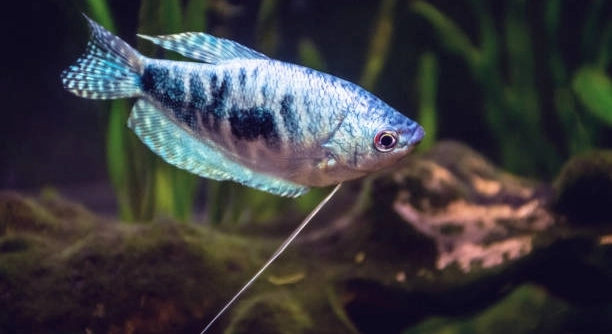
Gouramis are peaceful fish, but not every tank mate will suit their temperament. Observing their interactions can help you spot early signs of stress or discomfort before serious conflicts arise.
Gouramis may display aggression, hiding behaviors, or changes in feeding habits when uncomfortable with their tank mates. Monitoring swimming patterns, fin damage, and territorial disputes can provide clear indications that the current tank arrangement is unsuitable for harmonious living.
Recognizing these signs early helps protect both your gourami and its companions, ensuring a healthier and more balanced aquarium environment for everyone.
Sudden Aggression
Sometimes, gouramis that were once calm may start chasing or nipping at their tank mates. This behavior can happen without obvious triggers and may signal discomfort with the current environment or companions. Aggression may appear around feeding times or when defending favorite hiding spots, making it easier to observe. Factors such as overcrowding, incompatible species, or insufficient hiding places can increase tension in the tank. Over time, repeated chasing can lead to stress, injury, or even death. It is important to watch for subtle signs like flared fins, rapid darting, or lingering in corners. Addressing the issue early can prevent long-term harm and help maintain a peaceful tank environment. Adjusting tank size, rearranging decorations, or separating aggressive fish may resolve conflicts. Each gourami has its own tolerance level, so careful observation is essential to ensure all inhabitants remain comfortable and safe.
Aggression often appears suddenly and is usually a sign of stress or territorial discomfort in the tank.
Keeping a close eye on interactions and adjusting the tank environment can reduce aggression and improve harmony among fish, protecting their health and overall well-being.
Excessive Hiding
Excessive hiding is a clear indicator that a gourami feels threatened or uneasy around its tank mates. When a fish spends most of its time behind decorations or plants, it signals discomfort. Limited visibility and reduced movement can indicate fear, especially if the fish only comes out during feeding. This behavior can also stem from overcrowding, noisy environments, or the presence of more dominant species. Observing whether the gourami gradually emerges or remains hidden constantly helps determine the severity of the issue. Providing multiple hiding spots and separating aggressive fish can improve the sense of security. Maintaining a balanced number of fish relative to tank size is critical. Light adjustments, gentle water flow, and rearranging decorations can also reduce stress. Understanding these behaviors ensures the fish is not only safe but also able to thrive and interact naturally when it feels secure.
Loss of Appetite
A gourami that stops eating may be stressed by its tank mate. Appetite changes are often an early warning sign that something in the tank is wrong.
Loss of appetite can occur when a gourami feels intimidated or threatened. Constant chasing, fin nipping, or overcrowding can make it reluctant to come out for food. Even if food is provided, a stressed fish may ignore it, leading to weakness or slower growth. Environmental factors, such as poor water quality or lack of hiding spaces, can worsen the problem. Regular observation of feeding behavior is essential to catch issues early and prevent long-term health problems. Ensuring each fish has its own space and proper nutrition can encourage normal eating patterns.
Reintroducing a calmer tank mate or rearranging the tank layout can help restore confidence and appetite. Stress reduction through environmental adjustments often improves feeding behavior within days. Monitoring water conditions and maintaining consistency also supports recovery.
Fin Damage
Damaged fins are a sign that a gourami is being harassed or stressed by its companions. Continuous nipping can lead to torn or ragged fins, leaving the fish vulnerable to infection.
Physical signs of fin damage are easy to notice, as edges appear frayed, ragged, or discolored. Aggressive tank mates may target long or flowing fins, which can also worsen stress and reduce mobility. Fin deterioration may progress if ignored, affecting swimming efficiency and overall health. Observing interactions closely helps determine which fish are causing harm. Providing plenty of hiding spots and separating aggressive individuals can reduce attacks. Routine water maintenance ensures damaged fins do not become infected.
In some cases, minor fin tears can heal naturally if stress is minimized and water conditions are optimal. Keeping the gourami comfortable and limiting confrontations speeds recovery while maintaining overall health and preventing further injuries.
Unusual Swimming Patterns
Erratic swimming can indicate that a gourami feels threatened by its tank mate. Circling, darting, or staying near the surface often reflects stress.
Swimming in tight circles or avoiding certain areas shows discomfort. Stressful interactions with tank mates can disrupt normal movement, signaling a need for change in the environment or companions.
Color Fading
When a gourami loses its vibrant colors, it may be stressed or unhappy. Stress reduces natural pigmentation, making the fish appear dull or washed out. Regular observation can help detect these subtle changes early, indicating that the tank dynamics may need adjustment.
Lethargy
Lethargy is a common sign of discomfort or stress in gouramis. Reduced movement, extended periods at the bottom, or minimal interaction with surroundings often reflect that the fish feels uneasy with its tank mates.
FAQ
How can I tell if my gourami is stressed by its tank mate?
Signs of stress in gouramis include hiding excessively, erratic swimming, loss of appetite, fin damage, faded colors, and unusual aggression. Observing daily behaviors helps identify issues early. Any sudden change in movement, eating habits, or interactions with other fish can signal discomfort.
What should I do if my gourami shows aggression?
Aggression often stems from territorial disputes or stress. Separating aggressive fish or providing more hiding spots can reduce tension. Rearranging decorations and ensuring the tank is not overcrowded also helps. Monitoring interactions after adjustments ensures the environment is safe for all fish.
Why is my gourami hiding all the time?
Excessive hiding usually indicates fear or stress. Dominant tank mates, overcrowding, or poor water conditions can make your gourami feel unsafe. Providing multiple hiding spots, rearranging the tank, and maintaining water quality can make the fish feel secure.
How do I handle fin damage from tank mates?
Minor fin tears can heal if stress is reduced and water conditions are optimal. Remove aggressive fish temporarily if necessary, and ensure the tank has enough space. Regular water changes prevent infection, while observing behavior helps prevent further attacks.
Why has my gourami stopped eating?
A loss of appetite is a common response to stress. Fear of aggressive tank mates, sudden changes in the tank, or poor water quality can make gouramis reluctant to eat. Maintaining a calm environment and feeding smaller, frequent portions can encourage eating.
Can color fading indicate stress?
Yes, faded colors are a clear sign of stress. When gouramis are uncomfortable or feel threatened, their pigmentation dulls. Ensuring compatible tank mates, adequate space, and proper water conditions helps restore vibrancy over time.
How do I prevent conflicts between my gourami and other fish?
Choosing compatible species, avoiding overcrowding, and providing sufficient hiding spots are key. Regular observation of interactions and adjusting tank layout reduces tension. Sometimes, separating aggressive fish or rearranging decorations can prevent long-term stress.
When should I separate my gourami from its tank mate?
Separation is necessary if aggressive behavior, fin damage, or prolonged hiding continues despite environmental adjustments. Protecting the health of both fish is critical. Temporary or permanent separation ensures safety and allows each fish to recover.
Can stress affect my gourami’s health long-term?
Chronic stress can weaken the immune system, reduce appetite, and increase susceptibility to disease. Early intervention by addressing tank dynamics and environmental conditions prevents serious health issues and promotes longevity.
Are there signs of recovery after stress?
Yes, improved appetite, normal swimming patterns, vibrant coloration, and increased social interaction indicate recovery. Observing these changes helps confirm that adjustments to the tank or companions are effective and that the gourami is more comfortable.
What environmental changes help stressed gouramis?
Adding hiding spots, rearranging plants or decorations, controlling lighting, and maintaining proper water quality all reduce stress. A stable, calm environment encourages natural behavior, helping gouramis feel secure and interact peacefully with other fish.
How often should I monitor my gourami for stress signs?
Daily observation is ideal. Even minor changes in behavior, color, or swimming patterns can signal early stress. Regular monitoring allows prompt action, preventing long-term health issues and maintaining a balanced tank environment.
Can tank mate compatibility be predicted?
While general guidelines exist, individual fish personalities vary. Observation is key. Introducing new fish gradually and monitoring interactions ensures a harmonious tank without unnecessary conflict. Adjustments may be needed to maintain comfort for all inhabitants.
How do I encourage peaceful interactions in a community tank?
Provide sufficient space, multiple hiding spots, and compatible species. Avoid sudden changes, feed consistently, and observe daily interactions. Positive tank management encourages calm behavior and reduces stress for gouramis and their companions.
Is it normal for gouramis to show minor aggression occasionally?
Minor, brief displays of dominance are normal. However, repeated chasing, fin nipping, or prolonged hiding indicates stress. Regular observation and timely intervention help differentiate normal behavior from problematic interactions.
How long does it take for a stressed gourami to recover?
Recovery time varies based on stress severity and environmental adjustments. Minor stress may resolve in days, while prolonged aggression or poor conditions may take weeks. Consistent care, proper tank management, and monitoring are essential for full recovery.
What are the best hiding spots for gouramis?
Dense plants, caves, and decorations provide security. Gouramis feel safer when they have multiple areas to retreat. This reduces stress, encourages normal behavior, and helps prevent conflicts with more aggressive tank mates.
Can diet influence stress levels in gouramis?
Yes, a balanced diet supports health and resilience. Providing high-quality food and feeding small, frequent meals helps maintain energy and reduces vulnerability to stress-related health problems.
How do I know if a tank is too crowded?
Signs of overcrowding include increased aggression, hiding, reduced swimming space, and stress-related behaviors. Ensuring adequate space per fish and maintaining proper stocking levels promotes peaceful interactions and healthy growth.
Should I consult a professional if my gourami shows stress signs?
If stress persists despite adjustments, consulting a veterinarian or aquatic specialist is recommended. Professional advice can help diagnose underlying issues, prevent disease, and ensure the well-being of all tank inhabitants.
This FAQ section provides practical guidance for recognizing and addressing common stress behaviors in gouramis, helping maintain a balanced and healthy tank environment.
Gouramis are sensitive fish, and their interactions with tank mates can greatly affect their well-being. Observing their behavior closely is the first step in understanding their comfort level. Subtle changes, like hiding more than usual, erratic swimming, loss of appetite, or faded colors, are early signs that something in the tank may be causing stress. Addressing these signs promptly helps prevent more serious problems such as illness or injury. Every gourami has its own personality, and what works for one fish may not work for another. Paying attention to each individual’s behavior allows for better decisions regarding tank mates and environmental adjustments. Even small modifications, like rearranging plants or decorations, adding hiding spots, or ensuring adequate space, can make a noticeable difference in reducing tension. Maintaining a stable environment with consistent feeding schedules and water conditions also supports overall health and promotes calm interactions between fish.
Understanding the compatibility of tank mates is essential for a harmonious aquarium. Some fish naturally dominate others, while some are too passive to handle more aggressive species. Selecting companions that match the temperament of your gourami reduces the risk of stress and aggression. Observing interactions carefully during introductions and making adjustments when necessary is vital. Separation of aggressive individuals or gradual acclimation of new fish can help prevent long-term conflicts. A well-planned tank setup that considers space, hiding places, and species behavior promotes natural, peaceful behavior. Regular monitoring ensures that any signs of discomfort are noticed early. Stress can have lasting effects on health, from weakening the immune system to reducing appetite or causing physical injuries. Proactive management and thoughtful planning provide a safe and balanced environment where all fish can thrive without unnecessary tension.
Maintaining the health and comfort of gouramis is an ongoing process that requires attention and care. Recognizing stress signs, taking appropriate actions, and providing a stable, suitable environment ensures the long-term well-being of both the gourami and its tank mates. Small adjustments, like improving water quality, rearranging the tank, or monitoring feeding routines, have a significant impact on reducing stress and promoting positive behavior. Every tank is unique, and patience is key when working to create harmony among different species. Over time, careful observation and proactive management help build a balanced, peaceful aquarium. By understanding your gourami’s needs and responding promptly to signs of stress or discomfort, you create an environment that supports healthy growth, vibrant coloration, and natural behavior. This approach not only protects your fish but also makes maintaining the tank a more enjoyable and rewarding experience.

Hello,
If you enjoy the content that we create, please consider saying a "Thank You!" by leaving a tip.
Every little bit helps us continue crafting quality advice that supports the health, happiness, and well-being of pets around the world, for pets of all shapes, sizes, and species.
We really appreciate the kindness and support that you show us!