
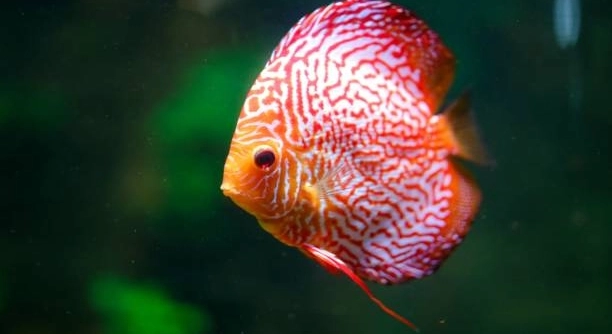
Are your discus fish showing signs that something might be wrong? Keeping discus healthy requires attention to subtle clues. Many owners miss early signals that indicate their fish are not thriving as they should.
Recognizing signs of stress, poor water quality, or inadequate nutrition is crucial for maintaining discus health. These seven clues highlight common problems that can affect discus wellbeing and point to the need for corrective action.
Understanding these indicators helps prevent serious health issues. This guide will support you in identifying problems early and improving your discus care routine.
Signs of Stress in Your Discus
Discus fish can show stress in different ways, and recognizing these signs early is important. When discus feel uncomfortable, they may become less active, hiding more often or staying near the bottom of the tank. Their colors might fade or look duller than usual. Sometimes, they may swim erratically or gasp at the surface, indicating possible water issues. Stress often arises from poor water conditions, sudden changes in environment, or aggressive tank mates. Stress weakens their immune system, making them more prone to disease. Keeping a calm and stable environment helps discus feel secure. Watching your fish closely every day allows you to spot changes quickly. Addressing stress early can prevent bigger health problems and keep your discus lively and vibrant.
Noticing stress early lets you make changes that improve their comfort and health quickly.
Stress signs show the need to check water quality, tank conditions, and social dynamics. Act promptly to help your discus recover.
Poor Water Quality and Its Effects
Poor water quality is a major reason discus struggle. High ammonia, nitrite, or nitrate levels can harm them. Discus are sensitive to water changes, so keeping water clean and stable is essential. Frequent water tests and partial water changes help maintain balance. Temperature fluctuations or incorrect pH levels can also stress discus, making them vulnerable. Dirty tanks encourage harmful bacteria growth, risking infections. Using a good filtration system and avoiding overfeeding prevents waste buildup. Proper water maintenance supports healthy respiration, digestion, and immune defense. Understanding water requirements is key for discus health. Monitoring and correcting water parameters creates a safer environment where discus thrive and show their true colors. Regular care ensures your discus live longer, healthier lives in their aquatic home.
Inadequate Nutrition
A poor diet affects discus health quickly. Without the right nutrients, their growth and color fade, and they become more vulnerable to illness.
Discus need a varied diet rich in protein and vitamins. Feeding only one type of food or low-quality pellets limits their nutrition. Frozen or live foods, like bloodworms and brine shrimp, help maintain their natural colors and boost their immune systems. Overfeeding, however, can cause water quality issues, so portions must be controlled carefully. A balanced diet supports digestion, energy, and overall wellbeing.
Feeding schedules also matter. Discus thrive when fed small amounts two to three times daily. Consistency in diet and feeding times helps reduce stress and keeps discus healthy over time.
Signs of Illness
Illness often shows through changes in behavior or appearance. Watch for spots, swelling, or unusual swimming patterns.
When discus are sick, they may isolate themselves or lose appetite. Common diseases include ich, fin rot, and fungal infections. Early treatment increases recovery chances. Maintaining good water quality and nutrition reduces disease risks. Quarantining new fish before adding them to the main tank prevents spreading infections. Observing your discus daily ensures you catch problems before they worsen. Using proper medication and following treatment instructions helps bring discus back to health quickly.
Poor Tank Setup
A cramped or overcrowded tank stresses discus. They need enough space to swim freely and hide if needed.
Proper tank size and decorations matter. Overcrowding increases waste and aggression, harming discus health.
Inconsistent Water Temperature
Discus are sensitive to temperature changes. Sudden shifts can cause stress and illness.
Maintaining a stable temperature between 82°F and 86°F is essential. Using a reliable heater and thermometer helps keep conditions steady for their wellbeing.
Aggressive Tank Mates
Discus do best with peaceful companions. Aggressive fish cause stress and injuries.
Choosing calm species creates a balanced tank environment where discus can thrive without constant threats.
How often should I change the water in my discus tank?
Regular water changes are crucial for discus health. Ideally, change 25-30% of the water once a week. This helps keep ammonia, nitrite, and nitrate levels low. If the tank is heavily stocked or feeding is frequent, more frequent changes may be necessary. Always use treated water to remove chlorine and other harmful chemicals before adding it to the tank. Maintaining clean water supports discus respiration, digestion, and immunity.
What is the best diet for discus fish?
Discus require a varied diet rich in protein and essential nutrients. A mix of high-quality pellets, frozen bloodworms, brine shrimp, and beef heart is recommended. Fresh or frozen foods boost coloration and health more than flakes or pellets alone. Avoid overfeeding; small, frequent meals work best. This diet supports growth, immune function, and vibrant colors, keeping discus strong against diseases.
Can discus live with other fish?
Discus can live peacefully with certain tank mates, but aggressive or fast-swimming species should be avoided. Good companions include tetras, corydoras, and dwarf cichlids. These species generally won’t stress or harm discus. Always consider tank size and space to prevent overcrowding. Careful selection creates a balanced, calm environment that helps discus thrive.
What water temperature is ideal for discus?
Discus prefer water temperatures between 82°F and 86°F (28°C to 30°C). Maintaining a stable temperature in this range reduces stress and supports metabolism. Sudden drops or fluctuations weaken their immune system and increase disease risk. Use a reliable aquarium heater and thermometer to monitor temperature daily.
How do I recognize if my discus is sick?
Look for changes in behavior, appetite, and appearance. Signs include lethargy, faded color, clamped fins, rapid breathing, or unusual swimming patterns. Physical symptoms may include white spots, fin rot, or swelling. Early detection is vital for effective treatment. Regular observation helps catch illness before it worsens.
Is it necessary to quarantine new discus before adding them to the main tank?
Quarantining new fish is important to prevent disease introduction. A separate tank for two to four weeks allows monitoring for illness. This practice reduces the risk of infections spreading to healthy discus. It also helps new fish adjust to water conditions slowly.
How much space do discus need in a tank?
Discus require at least 10 gallons per adult fish to swim comfortably. Larger tanks are better for stable water parameters and social behavior. Overcrowding causes stress, poor water quality, and aggression. Proper space ensures discus stay healthy and active.
Why do discus lose their color?
Loss of color often indicates stress, poor water quality, or inadequate nutrition. Illness and improper tank mates can also cause fading. Maintaining optimal water conditions, a balanced diet, and a calm environment helps discus keep their vibrant hues.
How often should I feed discus?
Feeding two to three small meals daily is best. Frequent, controlled feeding supports digestion and prevents water contamination. Avoid overfeeding, as leftover food degrades water quality, stressing discus. A consistent feeding routine promotes overall health.
What type of filtration is best for discus tanks?
Efficient filtration is key to maintaining clean water. Canister filters or sponge filters with biological, mechanical, and chemical filtration are ideal. They remove waste, toxins, and help maintain oxygen levels. Regular filter maintenance prevents buildup and supports stable water conditions for discus.
Discus fish require careful attention to thrive. They are sensitive to changes in their environment and need stable water conditions, a balanced diet, and a peaceful tank setup. Observing your discus regularly helps catch early signs of stress or illness before they become serious. Keeping the tank clean with frequent water changes and monitoring temperature are essential steps. Providing a suitable diet with varied, nutritious foods supports their health and vibrant colors. Avoiding overcrowding and aggressive tank mates reduces stress, allowing discus to grow and behave naturally.
Maintaining a discus tank can be challenging, but consistent care makes a big difference. Proper filtration and water quality management create a safe environment for your fish. When issues arise, addressing them quickly improves recovery chances. It is important to remember that discus need patience and dedication. Their slow growth and delicate nature require more attention than many other aquarium fish. However, the reward is worth the effort. Healthy discus are beautiful and graceful, adding elegance to any aquarium.
In summary, success with discus depends on understanding their specific needs. Providing stable water parameters, a nutritious diet, and a calm community tank will keep them healthy. Regular observation and early intervention help prevent problems from escalating. While caring for discus demands commitment, the satisfaction of seeing them thrive is fulfilling. Taking these steps will ensure your discus live longer, healthier lives, making your aquarium a peaceful and vibrant space.

Hello,
If you enjoy the content that we create, please consider saying a "Thank You!" by leaving a tip.
Every little bit helps us continue crafting quality advice that supports the health, happiness, and well-being of pets around the world, for pets of all shapes, sizes, and species.
We really appreciate the kindness and support that you show us!