
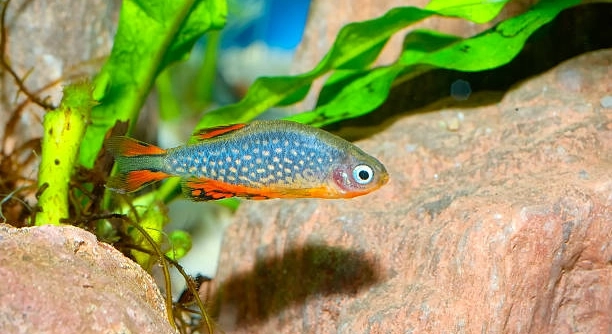
Danios are active fish that enjoy swimming freely, but they also need places to hide and rest. A bare tank can make them feel exposed and stressed, affecting their behavior and overall health over time.
Providing sufficient tank coverage for danios is essential for their well-being. Plants, decorations, and floating elements create hiding spots and break up open spaces, reducing stress, encouraging natural behaviors, and promoting a balanced and healthy aquatic environment.
Adding the right plants and decor can improve their comfort and vitality, making your aquarium a more engaging and secure home for them.
Signs of Stress in Your Danios
When danios lack adequate tank coverage, they often show clear signs of stress. They may dart quickly from one end of the tank to the other, swim near the surface constantly, or stay in one corner without exploring. Stress can also make them lose their bright colors, appearing duller than usual. Over time, these behaviors can lead to health issues, such as weakened immune systems and slower growth. Observing their behavior closely can help you notice subtle changes, like sudden fin clamping or hesitation during feeding. Stress can also make them more prone to disease, as their bodies struggle to cope with environmental pressures. Adequate hiding spots, plants, and shaded areas allow them to feel secure and express natural behaviors. Without this, even a well-maintained tank can feel threatening to them, making daily life less comfortable and more stressful. Proper coverage is key for maintaining both their mental and physical health.
Danios under stress will often display erratic swimming patterns and reduced activity, signaling the need for additional coverage to improve tank security.
Ensuring that your danios have plenty of plants or decorative hiding spaces can transform their environment. Adding floating plants, caves, or small clusters of ornaments gives them areas to retreat, helping reduce stress levels. These additions also create visual barriers that mimic natural habitats, making the tank feel less exposed. Observing their response after adding coverage can confirm whether the changes are beneficial. Often, fish begin exploring more confidently, swim in groups, and display brighter colors once they feel safe. Even small additions, like a tall plant or a simple decoration, can make a big difference in their comfort. Maintaining variety in coverage is also helpful, as it prevents one area from becoming overcrowded and keeps the tank interesting. Over time, these adjustments contribute to healthier, happier fish that thrive rather than merely survive in their environment.
Importance of Natural Hiding Spots
Providing natural hiding spots helps danios feel secure and lowers their stress. Dense plants and small decorations act as safe zones.
Adding natural elements such as live plants, driftwood, or rock formations significantly improves a danio’s environment. Live plants not only give hiding spots but also help maintain water quality by absorbing excess nutrients. Driftwood and rocks provide texture and shelter, breaking up open spaces so fish feel less exposed. A tank that mimics aspects of their natural habitat encourages normal schooling behaviors and more active exploration. Fish use these areas for rest, protection during feeding, and retreat during disturbances. It is important to arrange these elements in layers, creating both lower and mid-level cover to suit different swimming preferences. Overcrowding should be avoided, as too many decorations can limit swimming space. Regular observation ensures that the coverage is sufficient and that fish are using it effectively. Gradually adding plants and décor allows the tank to remain manageable while giving your danios the security they need. Properly designed hiding spaces can transform tank behavior, making the fish calmer, more vibrant, and more responsive to their environment.
Restless Swimming Patterns
Restless swimming is a clear indicator that danios lack sufficient tank coverage. They may dart across the tank repeatedly, hesitate near open areas, or constantly seek shelter, showing they do not feel secure in their environment.
Danios are active fish, but constant, erratic swimming often signals stress from feeling exposed. Without plants or hiding spots, they have no secure zones to rest or explore safely. This can lead to exhaustion, increased susceptibility to illness, and disrupted feeding patterns. Observing these behaviors early allows you to make changes that improve their comfort. Adding vertical plants, floating greenery, and small decorative elements provides areas to retreat, encouraging calmer, more natural movements. Once coverage is increased, most danios settle into more relaxed swimming routines, exhibiting brighter colors and more confident interactions with tank mates.
Over time, providing appropriate tank coverage not only reduces restless behavior but also supports natural schooling patterns. Fish begin forming small groups around plants or decorations, and their movements become smoother and less frantic. Proper placement of cover can create shaded areas and visual breaks, giving them a sense of security while swimming. Even small additions like a cluster of rocks or a single floating plant can make a noticeable difference in activity levels. Regular monitoring ensures that all fish have access to these safe zones, preventing dominant individuals from monopolizing prime hiding spots. A well-structured tank promotes mental well-being and encourages normal, healthy behaviors.
Avoiding Illness Through Coverage
Insufficient coverage can contribute to illness, as stressed danios are more vulnerable to infections and parasites. Adequate hiding spots support immune system function and reduce disease risk.
Stress from exposed environments weakens danios’ immunity, making them more prone to common freshwater illnesses like fin rot, ich, or bacterial infections. Hiding spots reduce tension and allow fish to rest and recover naturally. Plants, rocks, and small caves not only provide physical cover but also create a more stable microenvironment with reduced water flow and light intensity in shaded areas. This helps regulate temperature and reduces sudden changes that can trigger stress-related health problems. Properly arranging decorations prevents overcrowding, allowing fish to maintain territory and access shelter freely. By maintaining a balance between open swimming space and secure hiding areas, you promote overall vitality and resilience against disease. Observing behavioral changes after adding coverage often reveals improved activity, coloration, and appetite, confirming that the environment is supporting both mental and physical health.
Hiding Too Often
Excessive hiding is a sign that danios feel unsafe in their tank. When they retreat constantly behind decorations or plants, it indicates insufficient coverage or poorly arranged spaces that fail to provide comfort.
Hiding too much can limit their activity and reduce natural behaviors. Fish that remain concealed may skip feeding or avoid social interactions, affecting their overall health. Adjusting the placement and amount of plants and decor can create more balanced hiding spots, allowing them to feel secure while still exploring the tank. Observing changes in behavior after these adjustments helps ensure the environment meets their needs.
Uneven Coloration
Danios may display dull or uneven coloration when stressed from a lack of coverage. Stress triggers physiological changes, causing colors to fade or patch unevenly. Proper hiding spots allow fish to regain confidence, reducing stress and restoring vibrant colors over time.
Aggression and Territorial Behavior
Limited coverage can increase aggression among danios. Without sufficient spaces to claim as territory, they may chase or nip at one another, disrupting social harmony and creating additional stress.
How much coverage do danios need in a tank?
Danios need enough coverage to feel secure without overcrowding their swimming space. A mix of live plants, floating plants, and small decorative hiding spots works best. The goal is to create areas where they can retreat while still leaving open space for schooling and active swimming. Coverage should be spread evenly across the tank so no single area becomes overly exposed or too congested. Observing their behavior helps determine if the balance is right. If fish still appear stressed or hide excessively, adding more plants or rearranging decorations can improve comfort.
Can artificial plants be used instead of live plants?
Yes, artificial plants can provide hiding spots and break up open space, but they do not offer the same environmental benefits as live plants. Live plants help stabilize water chemistry, absorb excess nutrients, and provide oxygen, which improves overall tank health. Artificial plants should be smooth and free of sharp edges to avoid injuring the fish. Combining live and artificial plants can be a good compromise if maintaining live plants is challenging. Placement is key, so arrange plants to create a mix of shaded areas and open swimming space. Proper positioning ensures that danios can move freely while still feeling secure.
How do I know if my danios are stressed?
Signs of stress include constant darting, excessive hiding, dull coloration, fin clamping, and reduced appetite. Fish may also show aggression toward tank mates or avoid swimming in certain areas. Monitoring behavior over time helps identify persistent stress versus temporary reactions. When stress is caused by insufficient coverage, adding hiding spots, plants, and decorations often reduces these behaviors. Regular observation is important because stress can lead to illness if left unaddressed. Noting changes in coloration, activity level, and feeding habits gives a clear picture of how comfortable the fish feel in their environment.
Are there specific plants or decorations that danios prefer?
Danios generally prefer plants and decorations that offer both vertical and horizontal coverage. Tall plants, floating plants, and rock formations provide different types of shelter. Dense plants allow them to hide mid-water, while floating plants create shaded areas near the surface. Small caves, driftwood, or rock clusters give them secure resting spots. Avoid overcrowding the tank with decorations, as this can restrict swimming space and increase stress. A combination of soft, flexible plants and hardscape elements works well. Observing which areas the fish frequent helps in arranging the tank effectively and creating comfortable zones for both resting and active swimming.
How can I balance open swimming space with coverage?
Balancing open swimming space with coverage involves placing plants and decorations strategically. Keep a central open area for schooling and movement while lining the edges or corners with dense plants and hiding spots. Floating plants can create shaded zones without taking up bottom space. Varying the height and density of coverage ensures that fish have options for retreat while still enjoying freedom to swim. Avoid clustering all decorations in one area, as this can leave large exposed zones where fish feel vulnerable. Regularly adjusting and monitoring their behavior helps maintain the right balance and ensures the fish feel secure and active.
Does coverage affect water quality?
Yes, live plants improve water quality by absorbing nitrates and producing oxygen, while artificial plants do not. Overcrowding with decorations can impede water flow, leading to stagnant areas. Ensuring proper placement of plants and decorations allows filtration to work efficiently. Live plants also reduce algae growth by competing for nutrients. Coverage should enhance the environment without compromising circulation or filtration. Proper maintenance, such as trimming plants and cleaning ornaments, supports healthy water conditions. By balancing coverage and tank management, you can create an environment that supports both the physical and mental health of your danios.
Can too much coverage be harmful?
Too much coverage can limit swimming space and reduce oxygen circulation, which increases stress and can cause health problems. Overcrowded tanks may also encourage territorial aggression among danios. It’s important to provide enough hiding spots without compromising open areas for movement. Rotating plants and decorations or thinning dense foliage helps maintain balance. Regular observation ensures fish use the coverage effectively and remain active. Striking the right balance promotes calm behavior, natural schooling, and overall well-being. Coverage should feel secure but not restrictive, allowing fish to explore, rest, and interact comfortably.
How long does it take for danios to adjust to new coverage?
Adjustment depends on individual fish and tank size but usually takes a few days to a couple of weeks. Initially, some may hide more than usual as they explore the new arrangement. Most fish gradually become confident, swimming through open areas and using hiding spots appropriately. Monitoring their behavior helps determine if additional coverage or rearrangement is needed. Properly introduced plants and decorations encourage natural behavior while reducing stress. Patience is key, as fish need time to assess safety. Once they settle, improved coloration, feeding, and activity levels indicate successful adaptation to the new environment.
Final Thoughts
Providing the right amount of coverage for danios is essential for their overall well-being. A tank that is too bare can leave them feeling exposed and stressed, which affects their behavior, appetite, and health. Simple additions like plants, small caves, or decorative rocks give them places to hide and rest. This sense of security allows them to swim more naturally and express their normal behaviors. Coverage doesn’t have to be complicated or expensive. Even a few well-placed decorations can make a noticeable difference in their comfort. Observing your fish regularly will help you see which areas they use most and whether adjustments are needed. Over time, you will notice calmer swimming, brighter coloration, and more active feeding when your danios feel secure. Ensuring their environment includes both open space and adequate hiding spots is key to creating a balanced, healthy tank.
Coverage also plays a significant role in reducing stress-related health issues. When danios feel safe, their immune systems function better, making them less prone to illness. Stress can lead to faded colors, fin clamping, and erratic swimming, which are all signs that adjustments are needed. Adding plants and decorations creates shaded areas and visual barriers, giving fish a chance to rest without being disturbed. Both live and artificial plants can be used, but live plants offer additional benefits like oxygen production and nitrate absorption. Arranging coverage strategically prevents overcrowding while still offering sufficient hiding spaces. This balance supports healthy interactions among tank mates and reduces territorial aggression. A well-thought-out tank setup not only improves the physical health of your fish but also encourages natural behaviors, making the tank environment more engaging and comfortable for them.
Maintaining adequate coverage is an ongoing process that may require small adjustments over time. As your fish grow or as plants and decorations change, the way they use the space may shift. Watching their behavior closely helps you determine if additional coverage is needed or if rearranging existing elements would be beneficial. Small changes, like adding a floating plant or moving a rock, can have a big impact on their sense of security. Coverage also contributes to the overall aesthetics of the tank, making it more visually appealing while serving a functional purpose. By paying attention to the needs of your danios and providing a mix of open areas and secure hiding spots, you create an environment where they can thrive. In the end, a carefully balanced tank not only supports their health and behavior but also makes caring for them more rewarding and satisfying.

Hello,
If you enjoy the content that we create, please consider saying a "Thank You!" by leaving a tip.
Every little bit helps us continue crafting quality advice that supports the health, happiness, and well-being of pets around the world, for pets of all shapes, sizes, and species.
We really appreciate the kindness and support that you show us!