
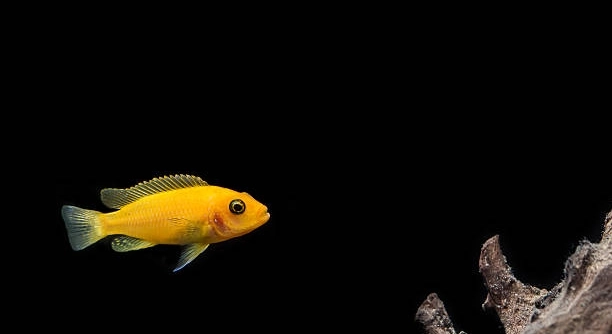
Keeping a cichlid tank balanced is key to a healthy aquatic environment. Changes in water quality or fish behavior often signal that the tank needs attention. Recognizing these signs early can prevent bigger problems down the line.
A cichlid tank needs rebalancing when water parameters shift, fish show stress behaviors, algae overgrowth occurs, or there are changes in feeding and activity levels. Addressing these clues promptly helps maintain a stable and healthy habitat for the fish.
Knowing what to watch for can make all the difference in keeping your cichlid tank thriving and your fish happy for the long term.
Cloudy or Discolored Water
Cloudy or discolored water is one of the first signs that a cichlid tank might need rebalancing. When the water looks murky or has an unusual tint, it usually means there is a buildup of waste, uneaten food, or harmful bacteria. These elements can harm your fish if not addressed quickly. It’s important to regularly test the water for ammonia, nitrites, and nitrates because imbalances in these chemicals affect water clarity. Changing too much water at once or adding too many fish can also cause cloudy water. Keeping up with scheduled water changes and cleaning the filter will help keep the water clear. Monitoring water conditions often makes a big difference in maintaining a healthy tank.
Cloudy water reduces oxygen levels and can stress your cichlids, making them more prone to illness. Regular maintenance is essential.
Understanding what causes water discoloration can help prevent it from happening again. Testing and adjusting water chemistry helps protect your fish and keeps the tank looking good.
Fish Behavior Changes
When cichlids behave differently, it often signals a problem in their environment. Fish may become lethargic, hide more than usual, or show signs of aggression. These changes can indicate stress caused by poor water quality or overcrowding. Some cichlids might lose appetite or develop unusual swimming patterns. Observing your fish daily helps catch these signs early before serious health issues develop. Behavior changes can also result from sudden shifts in temperature or pH levels. Maintaining a stable environment reduces stress and keeps your fish active and healthy.
Stress can also weaken fish immune systems, making infections more likely. Prompt action helps avoid illness.
Rebalancing the tank involves checking water conditions, adjusting feeding routines, and ensuring there is enough space for all fish. Sometimes rearranging decorations or providing hiding spots reduces tension. Keeping a close eye on your fish’s behavior helps you respond quickly and maintain a peaceful tank environment.
Algae Overgrowth
Algae growth in a cichlid tank can quickly get out of control and signal imbalance. Excess nutrients and light encourage algae to spread, making the tank look messy and unhealthy.
Too much algae means the water has too many nutrients like nitrates and phosphates. These come from leftover food, fish waste, or poor filtration. Algae blocks light and uses oxygen that fish need, which can cause stress. Reducing feeding amounts and cleaning the tank regularly helps control algae. Using a timer for tank lights can prevent overexposure, which feeds algae growth. Removing algae manually during water changes also keeps it in check.
Algae can harm plants and fish by lowering oxygen levels and making water cloudy. Fixing the root causes of algae growth restores balance and improves the tank’s health. Regular care and watching nutrient levels make a big difference in managing algae.
Uneaten Food and Waste Build-Up
Uneaten food and fish waste build up quickly, damaging water quality if ignored. This debris adds harmful chemicals and clouds the water.
When leftover food sinks to the bottom, it breaks down and raises ammonia and nitrate levels. These toxins can stress fish and cause disease. Fish waste also adds to this problem, especially in crowded tanks. Regular cleaning of the substrate and removing uneaten food after feeding prevents waste accumulation. Using a gravel vacuum during water changes helps keep the tank clean. Overfeeding is a common cause, so feeding only what fish can eat in a few minutes is best.
Proper filtration and regular maintenance reduce waste buildup. Keeping waste low is essential for clear water and healthy fish. Monitoring feeding habits supports a cleaner, balanced tank environment.
Temperature Fluctuations
Sudden changes in water temperature stress cichlids and disrupt their natural behavior. Stable temperatures are essential for their health and comfort.
Using a reliable heater and thermometer helps maintain consistent warmth. Avoid placing the tank near windows or vents where temperature swings occur.
pH Imbalance
The pH level of your cichlid tank water affects fish health and biological processes. An unstable or incorrect pH can lead to stress and disease.
Regular testing of pH levels ensures they stay within the ideal range for your specific cichlid species. Adjusting pH with proper buffers or partial water changes helps keep conditions stable and safe for your fish.
Filter Problems
A malfunctioning or clogged filter reduces water quality and circulation. This can lead to harmful toxin buildup and poor oxygen levels, stressing your fish and harming the tank’s balance.
FAQ
How often should I test my cichlid tank water?
Testing your tank water weekly is a good practice. Regular checks help catch changes in ammonia, nitrites, nitrates, and pH before they cause problems. More frequent testing might be needed after adding new fish or equipment.
What is the ideal pH for cichlids?
The ideal pH depends on the species. Most African cichlids prefer a pH between 7.8 and 8.6, while South American cichlids usually do better in slightly acidic to neutral water, around 6.5 to 7.5. Keeping pH stable is more important than hitting an exact number.
How much water should I change at once?
Changing 20-30% of the water weekly is a good balance. This helps remove toxins without shocking your fish. If water tests are very bad, a slightly larger change may be needed, but avoid changing too much at once.
Can I use tap water directly for water changes?
Tap water often contains chlorine or chloramine, which are harmful to fish. Always treat tap water with a water conditioner before adding it to your tank. Letting treated water sit for a while before use can help, but conditioners are the safest choice.
Why is my cichlid tank cloudy even after cleaning?
Cloudiness can be caused by bacterial blooms, excess nutrients, or improper filter function. Make sure your filter is clean and working well. Reducing feeding and improving water circulation often clears the water over time.
How do I reduce algae without harming my fish?
Control light exposure by limiting tank light to 8-10 hours daily. Avoid overfeeding, and perform regular water changes. Adding algae-eating fish or snails that are compatible with cichlids can help, but avoid chemical algae treatments unless absolutely necessary.
What should I do if a fish is sick?
Isolate the sick fish in a separate tank if possible. Test water conditions and improve them as needed. Treat the fish with appropriate medication based on symptoms. Keeping the tank clean and stress-free helps recovery.
Can overcrowding cause problems?
Yes, overcrowding increases waste, reduces oxygen, and raises stress levels. This leads to poor water quality and fights among fish. Make sure your tank size fits the number and size of your cichlids.
How can I prevent fish from hiding too much?
Provide enough hiding spots and decorations for fish to feel safe. However, if hiding increases suddenly, check water quality and tank conditions. Stress, illness, or bullying can make fish hide more often.
What’s the best way to feed cichlids?
Feed small amounts once or twice a day that fish can finish within a few minutes. Avoid overfeeding to prevent waste buildup. Use a varied diet with pellets, flakes, and occasional live or frozen foods.
How important is tank maintenance for cichlids?
Tank maintenance is essential. Regular water changes, cleaning the substrate, and checking equipment keep the environment healthy. Neglecting maintenance leads to poor water quality and stressed fish.
Can plants help balance a cichlid tank?
Live plants absorb nutrients and can reduce algae growth. Some cichlids may uproot or eat plants, so choose hardy species. Plants improve water quality and create a more natural habitat.
What are signs that my filter needs cleaning?
Slower water flow, cloudy water, or an unpleasant smell are signs the filter needs cleaning. Rinse filter media in tank water during water changes to avoid killing beneficial bacteria.
Is it okay to rearrange decorations often?
Frequent changes can stress fish, but occasional rearranging to improve territory and hiding spots is helpful. Avoid disturbing the tank too often to keep fish comfortable.
How do I introduce new fish without upsetting balance?
Quarantine new fish for at least two weeks before adding them. Introduce them slowly and avoid overcrowding. Monitor water parameters closely after adding new fish.
Why do fish sometimes stop eating suddenly?
Loss of appetite can be a sign of stress, illness, poor water quality, or changes in tank conditions. Check water tests and observe fish for other symptoms. Adjust feeding or seek treatment if needed.
Can temperature drops cause illness?
Yes, sudden drops weaken fish immune systems and can lead to illness. Keep a stable temperature suitable for your cichlid species with a good heater and monitor regularly.
How can I tell if my fish are stressed?
Signs include hiding, gasping at the surface, rapid breathing, or unusual swimming. Stress is often caused by poor water quality, bullying, or environmental changes.
What’s the best way to clean the tank without harming bacteria?
Clean the tank gently during water changes. Avoid using soaps or chemicals. Rinse decorations and substrate in tank water, not tap water, to preserve beneficial bacteria.
How important is oxygen in a cichlid tank?
Oxygen is crucial for fish health. Proper water circulation, surface agitation, and avoiding overcrowding help maintain oxygen levels. Low oxygen can cause lethargy and stress.
Can I keep different cichlid species together?
Some species can coexist if tank size and hiding places are sufficient. Research compatibility before mixing species to prevent aggression and stress.
These FAQs cover common concerns and help keep your cichlid tank balanced and healthy. Addressing these issues early supports a thriving aquarium environment.
Final Thoughts
Maintaining a balanced cichlid tank takes regular attention and care. Watching for signs like cloudy water, unusual fish behavior, or algae buildup helps catch problems early. Each small detail in the tank’s environment affects your fish’s health and happiness. By keeping up with water tests, cleaning routines, and proper feeding, you create a stable space where cichlids can thrive. It may feel like a lot at times, but consistent effort pays off in a tank that looks great and supports healthy fish.
A stable environment reduces stress for your cichlids and lowers the risk of illness. Fish that live in balanced conditions tend to be more active and show their natural behaviors. On the other hand, ignoring tank issues can lead to poor water quality and weakened fish. This can result in diseases or even death if left unchecked. Rebalancing the tank when problems arise keeps the ecosystem healthy and safe. It also makes your aquarium more enjoyable to watch and care for.
Remember that no two cichlid tanks are exactly the same. Factors like tank size, fish species, and equipment all play a role in how the tank needs to be managed. Learning about your specific cichlids’ needs will help you make better decisions. Pay attention to changes and adjust your care routine accordingly. Over time, you will become more confident in spotting when the tank needs rebalancing. This steady approach supports a long-lasting, thriving home for your cichlids.

Hello,
If you enjoy the content that we create, please consider saying a "Thank You!" by leaving a tip.
Every little bit helps us continue crafting quality advice that supports the health, happiness, and well-being of pets around the world, for pets of all shapes, sizes, and species.
We really appreciate the kindness and support that you show us!