
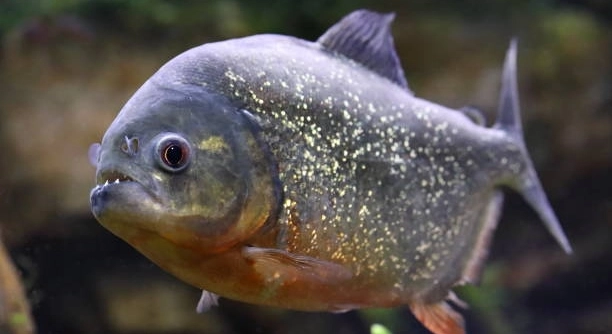
Shy piranhas are fascinating fish that often keep to themselves in their natural habitat. Observing their behavior can be tricky because they rarely show obvious signs of stress or illness. Knowing what to look for helps in understanding these reserved creatures.
Recognizing shy piranhas involves watching subtle changes in their behavior, movement, and environment. Key indicators include decreased activity, hiding more frequently, changes in appetite, and altered schooling patterns. These clues help identify health or stress issues early and improve care.
Learning to notice these signs can make a big difference in caring for shy piranhas. It ensures their well-being and helps create a better environment for them to thrive.
Signs of Withdrawal and Reduced Activity
Shy piranhas often show withdrawal by staying in one spot for long periods. They may hide behind decorations or remain near the bottom of the tank, avoiding interaction. Unlike their usual quick movements, they swim less and seem less interested in their surroundings. This behavior can be a sign that something is wrong, such as stress, illness, or poor water conditions. If you notice a piranha that was once active suddenly becoming still or secretive, it’s important to check the tank environment. Poor water quality, overcrowding, or lack of stimulation can all cause this change. Monitoring these signs early helps prevent more serious problems. Observing your piranhas regularly will give you a better idea of their normal behavior and make it easier to spot when something is off.
Changes in activity levels often point to stress or health issues in shy piranhas. Acting early is key.
Keeping water clean and ensuring the tank is spacious can improve activity. Adding hiding spots also helps shy piranhas feel safer and more comfortable. Providing a consistent feeding routine encourages movement and interaction. If a piranha remains withdrawn despite these efforts, consulting an expert may be necessary to rule out illness or injury. Simple changes in the environment often lead to noticeable improvements in their behavior.
Appetite Changes and Feeding Behavior
Shy piranhas may eat less or avoid food when they feel uneasy. Reduced appetite is a common clue that they are stressed or unwell. This change can be sudden or gradual, but either way, it should not be ignored. If a piranha stops eating, it risks losing strength and becoming more vulnerable to disease. Watching how they respond to feeding times provides insight into their health. Sometimes, feeding smaller portions more frequently encourages shy fish to eat. Also, offering live or fresh food may stimulate their interest better than flakes or pellets. It’s important to maintain water quality during feeding because leftovers can pollute the tank quickly. Observing appetite shifts helps catch problems early and keeps piranhas healthier.
Appetite changes reveal a lot about a shy piranha’s state of well-being and comfort.
Feeding behavior is linked to both health and environment. When shy piranhas feel secure, they are more likely to eat normally. If the tank is overcrowded or there is too much noise, they may refuse food. Overfeeding or sudden diet changes can also affect appetite negatively. Adjusting feeding methods to their preferences and tank conditions often improves their eating habits. Patience is important; shy piranhas may take time to trust their environment enough to eat well. Monitoring feeding closely and responding to changes helps maintain their health and vitality.
Changes in Schooling Behavior
Shy piranhas usually stay close to their group for safety. When they start to isolate or separate from the school, it may indicate stress or illness. Changes in their schooling patterns should not be overlooked.
Schooling is a natural defense for piranhas, helping them feel secure and confident. If a piranha begins to swim alone or drifts away from the group, it could be a sign of discomfort or weakness. Environmental factors like water quality or tank size might cause this behavior. Sometimes, bullying or aggressive tank mates push them away. Watching how piranhas interact can reveal much about their health. Ensuring a peaceful, well-maintained tank helps them stay together and reduces anxiety.
When shy piranhas feel threatened, they may scatter or hide instead of schooling tightly. Maintaining stable water parameters and proper tank setup encourages healthy group behavior. Regular observation of their schooling habits is a useful way to catch early warning signs.
Color and Physical Appearance Changes
A sudden dulling or fading of a shy piranha’s color can be a sign of stress or illness. Their scales may look less shiny, or patches may appear discolored.
Physical appearance reflects the overall health of the fish. Changes in color often come with other signs like clamped fins, swollen areas, or damaged scales. These could indicate infections, parasites, or poor water quality. Shy piranhas may also scratch against surfaces if they feel irritation. Regular tank cleaning and proper diet help maintain vibrant colors. Noticing even subtle color changes early allows for quicker action, preventing worsening conditions.
Physical signs are critical clues to a shy piranha’s well-being. Alongside behavior, these visual changes guide how to care for them better. Routine monitoring and a clean environment play key roles in keeping your fish healthy and colorful.
Erratic Swimming Patterns
Shy piranhas usually swim smoothly and calmly. When their movements become jerky, sudden, or uncontrolled, it often signals stress or illness. Erratic swimming is a warning sign to watch closely.
This behavior can result from poor water quality, parasites, or injury. It’s important to test the water and inspect the fish for visible issues when erratic swimming appears.
Increased Hiding Behavior
When shy piranhas hide more than usual, it can indicate discomfort or fear. Frequent hiding reduces their activity and social interaction, affecting their health.
Rapid Gill Movement
Rapid gill movement in shy piranhas often points to breathing difficulties. It can be caused by low oxygen levels or gill infections, requiring immediate attention to the tank environment.
Loss of Appetite
A shy piranha that refuses food for several days is likely stressed or sick. This loss of appetite needs monitoring to avoid health decline.
FAQ
How can I tell if my shy piranha is stressed?
Stress in shy piranhas usually shows through changes in behavior like hiding more often, reduced activity, or erratic swimming. You might also notice changes in appetite or color fading. Checking water quality and tank conditions can help identify causes of stress quickly.
What should I do if my piranha stops eating?
If your piranha refuses food, first check the water temperature and quality. Sometimes poor conditions cause appetite loss. Try offering live or fresh food to stimulate interest. Feeding smaller portions more often can also help. If the problem continues for several days, consider consulting a vet or fish expert.
Why does my shy piranha swim alone away from the group?
Isolating behavior can mean illness or discomfort. Sometimes bullying or overcrowding forces a fish to separate. Make sure the tank is spacious enough and free from aggressive fish. Improving tank conditions usually encourages normal schooling behavior again.
What causes color fading in shy piranhas?
Color changes often happen because of stress, poor water quality, or illness. Lack of proper nutrition can also dull their appearance. Maintaining clean water and a balanced diet keeps their colors bright and healthy.
How often should I clean my piranha’s tank?
Regular maintenance is crucial. Partial water changes once a week and cleaning filters every few weeks help maintain water quality. Avoid full cleanings that remove beneficial bacteria. Keeping a stable environment reduces stress and illness in your fish.
Can shy piranhas live well in community tanks?
Shy piranhas prefer their own kind and might get stressed in busy community tanks. If mixing species, choose peaceful fish and provide plenty of hiding spots. Overcrowding increases stress and health risks.
What signs indicate a sick piranha?
Besides behavior changes, look for physical signs like clamped fins, swollen areas, frayed fins, or spots on the body. Rapid gill movement and erratic swimming also point to health problems. Early detection helps in treatment.
How do I reduce stress for shy piranhas?
Keep water parameters stable and provide enough space and hiding places. Avoid sudden changes in lighting or temperature. Feeding on a consistent schedule with preferred foods also helps. Minimizing loud noises around the tank can make a big difference.
Is it normal for shy piranhas to hide most of the time?
They do enjoy hiding, but excessive hiding usually means something is wrong. It could be stress, illness, or poor tank conditions. Observe if hiding increases suddenly or is accompanied by other unusual behaviors.
What foods are best for shy piranhas?
High-quality pellets, live foods like small fish or insects, and frozen options like bloodworms are ideal. Offering a varied diet supports their health and encourages eating, especially when they are shy or stressed.
How important is tank size for shy piranhas?
Tank size matters a lot. Piranhas need enough space to swim and school comfortably. A cramped tank causes stress and aggressive behavior. A minimum of 40 gallons for a small group is recommended to keep them healthy and less shy.
Can water changes improve a shy piranha’s behavior?
Yes, clean water directly affects their health and mood. Regular water changes reduce toxins and improve oxygen levels. This often results in more active and confident fish.
What should I do if my piranha shows signs of illness?
Isolate the fish if possible to prevent spreading disease. Test water parameters and improve tank conditions. Consult a specialist for diagnosis and treatment options, which may include medication or changes in care routines.
How do I encourage a shy piranha to be more active?
Provide a calm environment with hiding spots and good water quality. Feeding live or fresh food can encourage movement. Avoid sudden changes and loud noises to build their confidence over time. Patience is key with shy fish.
Are shy piranhas more prone to diseases?
Stress and hiding behavior can weaken their immune system, making them more vulnerable. Proper tank care, good nutrition, and stress reduction lower this risk significantly. Regular observation helps catch issues early.
What are common mistakes to avoid with shy piranhas?
Overcrowding, poor water maintenance, and sudden changes in environment are common mistakes. Ignoring early signs of stress or illness can worsen their condition. Being patient and attentive creates a healthier space for shy piranhas.
When caring for shy piranhas, paying attention to small changes is very important. These fish often do not show obvious signs of problems right away. Watching their behavior, appetite, color, and interaction with the group can give you clues about their health and comfort. Early detection of any changes helps prevent bigger issues. Making sure the tank environment is clean, calm, and spacious can reduce stress and keep shy piranhas feeling safe. Providing hiding spots and a consistent feeding routine encourages natural behavior and makes them more comfortable in their space.
Shy piranhas can be sensitive to changes in their environment. Sudden shifts in water temperature, poor water quality, or overcrowding can all cause stress. When stressed, their behavior and appearance change quickly, which can lead to illness if not addressed. Regular tank maintenance and monitoring water parameters are essential parts of good care. Feeding them a balanced diet with varied food options supports their health and keeps them active. Understanding these basic needs allows shy piranhas to thrive and helps you enjoy watching their unique behavior.
Taking time to observe and learn about your shy piranhas’ habits will improve their well-being. Each fish may show signs differently, so knowing what is normal for your tank helps spot problems sooner. Being patient and gentle with these reserved fish creates a better environment for them to feel secure. When you act on the clues they give, it builds trust and leads to a healthier, happier tank. This simple approach ensures your shy piranhas live their best lives with fewer risks and more comfort.

Hello,
If you enjoy the content that we create, please consider saying a "Thank You!" by leaving a tip.
Every little bit helps us continue crafting quality advice that supports the health, happiness, and well-being of pets around the world, for pets of all shapes, sizes, and species.
We really appreciate the kindness and support that you show us!