
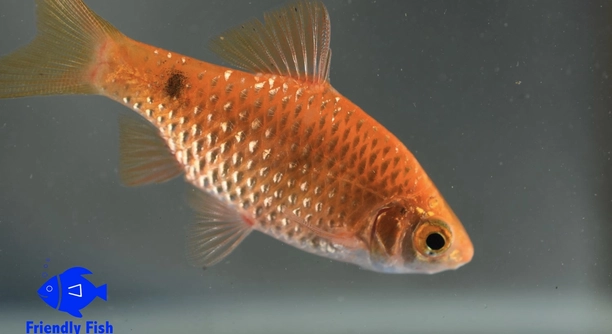
Rosy barbs are popular aquarium fish known for their lively nature and bright colors. Many fish owners enjoy watching them swim and interact. However, these active fish may need more space than initially expected to thrive well in captivity.
When a rosy barb’s tank is too small, it can lead to stress, aggression, and stunted growth. Providing adequate space helps maintain their health, promotes natural behavior, and reduces conflicts among tank mates, supporting their overall well-being.
Recognizing the signs that your rosy barb needs more space can improve its quality of life and ensure a healthier aquarium environment.
Signs of Aggression and Stress
When rosy barbs feel cramped, their behavior often changes noticeably. They may become more aggressive, chasing or nipping at other fish. This can disrupt the peaceful balance of the tank and cause injuries. Stress also shows through frequent hiding or sluggish swimming. Over time, these signs can lead to weakened immune systems and make the fish more vulnerable to disease. Observing these behavioral changes early allows for timely action, such as increasing tank size or rearranging decorations to give the fish more room to swim freely. Ensuring proper space is vital for maintaining a healthy environment where rosy barbs can display their natural behavior and vibrant colors.
Aggression and stress in rosy barbs often signal the need for a larger tank. Addressing this promptly can improve their well-being and tank harmony.
Providing a spacious habitat minimizes conflicts and stress. A larger tank with ample swimming space encourages natural schooling behavior, reduces territorial disputes, and promotes better health. This also benefits other tank inhabitants, creating a more balanced aquatic environment.
Physical Signs of Limited Space
Physical changes in rosy barbs can indicate space issues. Look for stunted growth or faded colors, which may result from inadequate room to move and grow. When fish cannot swim freely, their muscles weaken and overall vitality drops.
Poor physical condition in rosy barbs points to insufficient living space.
In a cramped tank, rosy barbs may also show signs of fin damage from constant rubbing against tank walls or decorations. Lack of exercise can lead to weaker immune responses, making them prone to illnesses. It is important to provide enough space not only for swimming but also to reduce stress-related injuries. A tank that allows natural movement helps maintain their bright coloration and healthy size. Regular monitoring helps catch these signs early, ensuring timely tank upgrades that support long-term health and happiness for your fish.
Increased Hiding and Restlessness
When space is limited, rosy barbs often hide more than usual. They may dart nervously between decorations or stay near the tank bottom. This restless behavior signals discomfort and lack of enough open swimming areas.
A cramped tank restricts their natural movement, causing them to seek shelter frequently. This constant hiding is a clear sign they need more room. Without enough space, rosy barbs cannot form proper schools or swim freely, which is vital for their mental and physical health.
Restlessness can also result from competition for limited resources in a small tank. They may fight over food or territory, increasing stress. Providing a larger tank reduces these tensions and encourages calm, natural schooling behavior. More space allows rosy barbs to feel secure and swim without constant pressure, leading to a healthier, more vibrant aquarium.
Poor Water Quality Impact
Limited tank size affects water quality quickly, which harms rosy barbs. Smaller tanks have less water volume to dilute waste, causing toxins to build up faster. This poor environment stresses fish and weakens their health.
Regular water changes help but cannot fully compensate for overcrowding. A larger tank allows better filtration and stability, keeping water cleaner for longer. Good water quality supports immune function and bright coloration in rosy barbs.
Overcrowded tanks often lead to oxygen depletion, making fish gasp at the surface. More space increases oxygen levels and improves circulation. Investing in a bigger tank helps maintain optimal conditions, reducing disease risk and ensuring your rosy barbs live longer, healthier lives.
Rapid Breathing and Gasping
Rosy barbs may start breathing rapidly when they feel cramped. This is a sign of stress or low oxygen levels in the tank.
Gasping at the water surface also indicates poor water quality or overcrowding. These symptoms require immediate attention.
Lack of Schooling Behavior
Rosy barbs naturally swim in groups. When they have too little space, they stop schooling properly and swim alone or in small, scattered groups. This behavior shows discomfort and stress due to restricted movement.
Frequent Fin Damage
Constant rubbing against tank walls or decorations can cause fin tears. This is common when space is limited, as fish have less room to swim freely and avoid obstacles.
Fin damage increases the risk of infections and slows healing in cramped tanks.
FAQ
How much space do rosy barbs need?
Rosy barbs need at least 20 gallons of water for a small group of 4 to 6 fish. This provides enough room for swimming and schooling, which is important for their health and behavior. Larger groups will need proportionally bigger tanks to avoid overcrowding and stress.
Can rosy barbs live in small tanks?
While they can survive in small tanks, it is not ideal. Small tanks limit their movement, increase aggression, and lead to poorer water quality. Over time, this negatively impacts their health, growth, and lifespan.
What happens if rosy barbs don’t have enough space?
Lack of space causes stress, aggression, and stunted growth. Fish may hide excessively, develop fin damage, and show rapid breathing. Poor water quality from overcrowding further harms their immune system and overall well-being.
How can I tell if my rosy barb is stressed?
Signs include aggression toward tank mates, hiding frequently, loss of color, rapid breathing, and damaged fins. Stress often results from cramped conditions or poor water quality, so addressing tank size and maintenance is important.
Is tank size the only factor in rosy barb health?
No. Proper filtration, water changes, diet, and tank decoration also play roles. However, adequate space is fundamental for reducing stress and allowing natural behavior, which supports all other aspects of their health.
Can adding more plants help if the tank is small?
Plants improve water quality and provide hiding spots, but they do not replace the need for space. Overcrowding still stresses fish, so increasing tank size is necessary alongside adding plants.
How often should I clean a tank with rosy barbs?
Regular maintenance is crucial. Partial water changes of 20-30% weekly help keep toxin levels low. Overcrowded or small tanks require more frequent care to maintain water quality.
What tank size is best for a single rosy barb?
Even a single rosy barb benefits from a tank of at least 10 gallons. They are social fish and do best in groups, so a larger tank is recommended if keeping multiple fish.
Can rosy barbs live peacefully with other fish in a small tank?
Small tanks increase competition and stress, making peaceful cohabitation harder. Inadequate space often causes aggression even among usually compatible species.
When should I upgrade my tank?
If you notice signs of stress, aggression, or poor water quality, it’s time to upgrade. Providing a larger tank early helps avoid health issues and promotes a stable, happy environment for your fish.
Rosy barbs are lively and colorful fish that bring energy to any aquarium. They need enough space to swim freely and express their natural behaviors. When their tank is too small, it can lead to several problems, including stress, aggression, and poor health. Paying attention to the signs that your rosy barb needs more room is important for keeping them happy and healthy. These signs include changes in behavior, physical condition, and water quality, all of which affect their overall well-being.
Providing a tank that meets the needs of rosy barbs means more than just filling it with water. It involves creating an environment where they can swim comfortably in groups, avoid constant stress, and enjoy good water conditions. A properly sized tank supports their growth and helps prevent common problems like fin damage and rapid breathing. Tank maintenance also plays a key role in supporting a healthy environment, but space remains one of the most important factors in their care. When the tank is large enough, it reduces aggression and promotes a peaceful aquarium.
Taking steps to ensure your rosy barb has enough space will improve its quality of life and make your aquarium more enjoyable to watch. Upgrading to a larger tank may require effort, but it is a worthwhile investment for the health of your fish. By providing enough room for swimming and socializing, you allow your rosy barb to show its best colors and natural behavior. Overall, understanding and meeting the space needs of your rosy barb helps maintain a thriving aquatic environment for all your fish.

Hello,
If you enjoy the content that we create, please consider saying a "Thank You!" by leaving a tip.
Every little bit helps us continue crafting quality advice that supports the health, happiness, and well-being of pets around the world, for pets of all shapes, sizes, and species.
We really appreciate the kindness and support that you show us!