
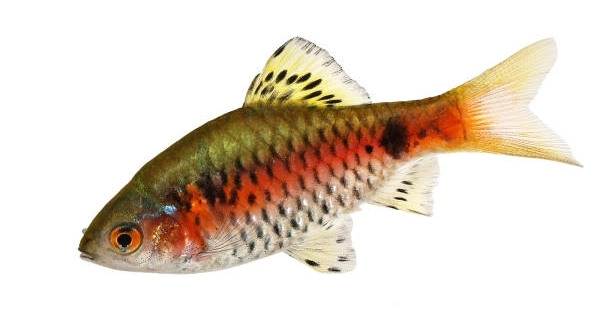
Rosy barbs are social fish that thrive in groups. Many owners keep just one without realizing they may feel lonely. Recognizing signs your rosy barb needs a companion can improve its well-being.
Rosy barbs display stress or unusual behavior when kept alone, indicating a need for social interaction. A companion helps reduce anxiety, encourages natural schooling behavior, and supports overall health and happiness.
Learning these clues can help you provide a better home for your rosy barb and ensure it leads a healthier, more content life.
Changes in Behavior
When a rosy barb is kept alone, you might notice it acting differently than usual. It may swim less actively or hide more often in the tank. Sometimes, it will become more aggressive toward other tank mates or appear restless. These behaviors can happen because rosy barbs are naturally social and feel safer when they are in groups. Without companions, they may experience stress or loneliness, which shows in their mood and actions. Paying attention to these changes can help you understand if your fish is missing social interaction. If you see your rosy barb behaving oddly, it’s a clear sign that it might benefit from having another rosy barb around. This simple change can help your fish feel more comfortable and more like itself again.
Social behavior is important for rosy barbs to feel secure and happy in their environment.
Adding another rosy barb can reduce stress and encourage natural, healthy behavior patterns in your fish.
Signs of Loneliness
A lonely rosy barb often swims alone at the edges of the tank or stays hidden more than usual. It might also lose its bright colors or show less interest in food. These signs mean your fish is not getting enough social interaction. When rosy barbs are with others of their kind, they display schooling behavior—swimming together in groups, which is natural and calming. Without this, their health can suffer. Introducing at least two more rosy barbs can create a balanced group. This group dynamic helps them feel safer, more active, and healthier. Watching for these signs and responding quickly will help keep your rosy barb thriving in its tank.
Signs of Stress
Stress in rosy barbs often shows through erratic swimming or hiding. They might lose appetite or develop faded colors. Stress weakens their immune system and makes them prone to disease, so it’s important to spot these signs early.
When a rosy barb is alone, stress can build up quickly. Without companions to interact with, they may become anxious or fearful. This stress can cause physical symptoms like clamped fins or lethargy. Adding tank mates that match their size and temperament helps reduce stress by providing social comfort. The presence of others encourages normal schooling and activity levels, which keeps them healthier and less prone to illness. Stress reduction directly improves their well-being.
Keeping an eye on these stress signs is a simple way to protect your rosy barb’s health and happiness. Introducing a buddy is often the best solution to improve their quality of life.
Increased Activity When Together
Rosy barbs become noticeably more active when they have companions. They swim together in groups, explore the tank, and interact playfully. This social activity helps keep them mentally and physically healthy.
A single rosy barb may appear bored or lethargic, spending more time resting than swimming. When placed with other rosy barbs, they display schooling behavior and increased energy. This natural group dynamic encourages movement and helps burn off excess energy, which is important for muscle tone and overall fitness. Activity also reduces stress levels, which benefits their immune system. Watching a group of rosy barbs swim together is rewarding, showing their natural behaviors and increased happiness.
Providing your rosy barb with a group supports its well-being and encourages natural, lively behavior essential for a healthy tank environment.
Signs of Boredom
A lonely rosy barb may swim aimlessly or rest too much. Lack of stimulation can lead to dull colors and low energy.
Providing a companion helps keep your fish engaged and active, encouraging natural behaviors that prevent boredom and improve their quality of life.
Schooling Instinct
Rosy barbs are natural schoolers and feel safer in groups. Being with others triggers their instinct to swim together, which helps them feel secure and reduces fear. A school of rosy barbs shows coordinated movement and interaction, which benefits their mental and physical health by keeping them active and alert. Without a group, they may feel vulnerable and stressed, impacting their overall well-being. Keeping at least three rosy barbs together supports their natural behavior and promotes a healthy tank environment, enhancing their lifespan and happiness.
Social Interaction Benefits
Companionship helps rosy barbs reduce stress and improves their overall health.
How many rosy barbs should I keep together?
Rosy barbs do best in groups of at least three to five. This number helps them feel safe and encourages natural schooling behavior. Smaller groups might not provide enough social interaction, which can lead to stress or boredom. Having five or more rosy barbs creates a lively environment where they can swim actively and interact comfortably. This number also helps balance the tank’s social dynamics and prevents aggression, which sometimes happens in very small groups. If your tank is smaller, at least three rosy barbs is a minimum, but more is better for their happiness.
Can rosy barbs live alone if they are kept with other fish?
While other fish can provide some activity in the tank, rosy barbs specifically need the company of their own kind. They communicate and behave differently with other rosy barbs, especially through schooling. Other species usually don’t provide the same social comfort or interaction. A solitary rosy barb may still feel lonely or stressed, even in a community tank. If adding more rosy barbs isn’t possible, extra care with environment enrichment is needed, but it won’t fully replace having a group of their own species.
What are the risks of keeping a single rosy barb?
Keeping one rosy barb alone can cause stress, boredom, and unusual behavior. Stress weakens the immune system, making the fish more vulnerable to illness. Loneliness can also lead to depression-like symptoms in fish, such as loss of appetite and faded colors. A lonely rosy barb may become aggressive or lethargic. Over time, these problems can shorten the fish’s lifespan. Social interaction with other rosy barbs is essential for their mental and physical health.
How do I introduce new rosy barbs to my tank?
Introduce new rosy barbs slowly and carefully. Start by quarantining new fish for at least two weeks to avoid spreading disease. When ready, add them to the main tank during calm times to reduce stress. Rearrange decorations to prevent territorial behavior by making the environment new to all fish. Watch their behavior closely for signs of aggression or stress. Gradually, they will start schooling and interacting naturally. Make sure the tank is large enough to comfortably support the increased number of fish.
What tank size is recommended for a group of rosy barbs?
A minimum tank size of 30 gallons is recommended for a small group of three to five rosy barbs. More fish will require a larger tank to provide enough swimming space and maintain good water quality. Rosy barbs are active swimmers, so a spacious tank helps them stay healthy and reduces aggression caused by overcrowding. Proper filtration and regular water changes are important to keep the environment stable and clean for the group.
What signs show that my rosy barbs are happy together?
Happy rosy barbs swim actively in groups, showing coordinated schooling behavior. Their colors look bright and vibrant. They explore the tank, interact with each other, and eat well. Calm behavior and regular movement are good signs. You won’t see hiding or erratic swimming. When they feel secure, they often display playful chasing without aggression. These signs show that your fish are comfortable and mentally stimulated by their companions.
Can rosy barbs adapt if a companion dies?
Rosy barbs can feel the loss of a companion, especially if they were in a small group. They might show signs of stress or loneliness for some time. It’s best to replace the lost fish with another rosy barb fairly soon to maintain the social group. This helps restore balance and reduce stress. Sudden changes can be hard, so adding a new fish gradually and monitoring behavior is important. Maintaining a healthy group is key to their well-being.
Are there any fish that can live peacefully with rosy barbs?
Rosy barbs get along best with other peaceful, similarly sized fish. Good tank mates include danios, platies, and some types of tetras. Avoid very small or slow-moving fish, as rosy barbs can be active and sometimes nippy. It’s important that the tank mates share similar water needs and temperament. Providing plenty of hiding spots and space helps reduce any tension between species. Choosing compatible fish supports a balanced and stress-free community tank.
How do I know if my rosy barb is stressed or sick?
Signs of stress or illness include clamped fins, faded colors, loss of appetite, and unusual swimming patterns. They might hide excessively or stay near the water surface or bottom. Sometimes, white spots or other visible marks appear. Stress weakens their immune system, making infections more likely. If you notice these signs, check water quality, tank conditions, and consider adding companions if the fish is alone. Early treatment and care can help your rosy barb recover and prevent serious health issues.
Is it better to buy rosy barbs in groups or individually?
Buying rosy barbs in groups is usually better because they quickly settle and start schooling. Individual fish may take longer to adjust and could feel lonely if placed alone initially. A group reduces stress from new surroundings and encourages natural social behavior. If buying individually, plan to add more companions soon after to create a healthy social environment. Groups also show you how the fish interact, helping you pick healthy, active individuals.
Keeping rosy barbs in a group is important for their well-being. These fish are naturally social and feel more comfortable when they have companions. A single rosy barb may seem fine at first, but over time, it can show signs of stress or loneliness. These signs include hiding, dull colors, and less activity. By providing a buddy or a small group, you help your fish feel safer and more at ease. Social interaction encourages natural behaviors like swimming together and exploring their tank, which makes them healthier and happier.
It’s important to pay attention to how your rosy barb acts when it is alone. Changes in behavior, like swimming oddly or losing interest in food, can be a sign that your fish needs company. Stress from being alone can also weaken the immune system, making your fish more likely to get sick. Adding one or more rosy barbs can reduce stress and improve their quality of life. Having a group supports natural social behavior and keeps the fish active, which is good for their physical health. The tank environment also becomes livelier, making it more enjoyable to watch your fish swim and interact.
When caring for rosy barbs, remember that their social needs are just as important as clean water and good nutrition. Keeping them with others of their kind helps prevent loneliness and stress. It also allows them to display natural behaviors that are important for their happiness. Whether you are setting up a new tank or adding to an existing one, plan to keep at least three rosy barbs together. This simple step will make a big difference in their health and well-being. Taking care of your rosy barbs’ social needs ensures they live a fuller, healthier life in your aquarium.

Hello,
If you enjoy the content that we create, please consider saying a "Thank You!" by leaving a tip.
Every little bit helps us continue crafting quality advice that supports the health, happiness, and well-being of pets around the world, for pets of all shapes, sizes, and species.
We really appreciate the kindness and support that you show us!