
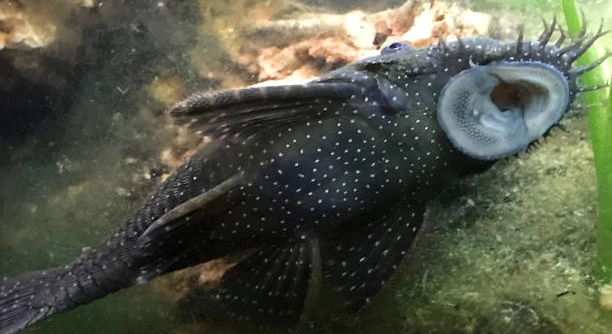
Sometimes, your pleco’s water conditions might seem off, but identifying the problem can be tricky. Small changes can make a big impact on your aquarium’s balance, affecting both water quality and the health of your fish.
Imbalanced water can harm your pleco’s health, often caused by fluctuating pH, temperature, or improper filtration. Monitoring these factors and performing regular water tests will help maintain a stable, healthy environment for your fish.
Understanding how these factors affect your pleco’s water quality will help you prevent issues and maintain a safe, comfortable environment.
pH Levels Are Too Low or Too High
When the pH level in your pleco’s tank is off, it can cause serious stress to your fish. Ideal pH levels for plecos range between 6.5 and 7.5. If the water becomes too acidic or too alkaline, it can lead to poor health, making your pleco more susceptible to disease. To maintain a stable pH, test the water regularly and make adjustments using pH stabilizers if necessary.
Inconsistent pH levels may also indicate an issue with your filtration system or water source. Testing the water before each water change helps keep everything in check.
The stress caused by extreme pH imbalances often shows up in the form of unusual behavior, such as lethargy or erratic swimming. Keeping the pH level stable can prevent such problems and improve your pleco’s overall health. Regular testing and monitoring of pH will help avoid drastic shifts in your tank, ensuring your fish stay healthy and active.
Inadequate Filtration System
An inadequate filtration system is a common problem in many aquariums. Without proper filtration, harmful substances like ammonia and nitrites can build up in the water. These compounds are toxic to plecos, leading to stress or even death if left unchecked.
A good filtration system helps keep water clean and provides adequate oxygen, which is essential for your pleco’s health. Regularly cleaning the filter and replacing filter media ensures it works efficiently.
When your pleco’s water becomes polluted, they may appear sluggish or start to breathe heavily. If you notice such behavior, check the filtration system to see if it needs cleaning or upgrading. Having the right filter will reduce toxins and maintain a healthier environment for your pleco, supporting long-term well-being.
Unstable Water Temperature
Temperature fluctuations can stress your pleco and affect its health. Plecos thrive in water temperatures between 74°F and 80°F. Too hot or too cold can lead to weakened immune systems and make your fish more susceptible to illness.
To maintain a consistent temperature, use a reliable aquarium heater and thermometer. Check the water temperature daily to ensure it stays within the ideal range. If your heater is malfunctioning, replace it immediately to avoid temperature shifts.
Rapid changes in temperature can shock your pleco, causing it to become sluggish or even stop eating. To prevent this, avoid placing the tank in areas with drafts or direct sunlight. Keeping the water at a stable, comfortable temperature helps your pleco feel secure and healthy.
High Ammonia or Nitrite Levels
Ammonia and nitrites are toxic to fish, and high levels of these chemicals in your pleco’s water can lead to serious health problems. They are commonly caused by overfeeding, insufficient filtration, or not performing regular water changes.
To prevent ammonia and nitrite buildup, monitor the water’s levels using a reliable test kit. If levels are high, perform a partial water change immediately. Reducing the amount of food you give your pleco can also help, as excess food breaks down and releases toxins.
Ammonia poisoning may cause plecos to show signs of distress, including rapid gill movement, discolored skin, or lethargy. Nitrites can cause similar symptoms, but your pleco may also have trouble breathing. Regular water changes, proper filtration, and careful feeding are key to keeping these harmful chemicals at bay and ensuring a healthy environment for your pleco.
Overcrowding in the Tank
Overcrowding can lead to poor water quality and stress among your plecos. Too many fish in the tank creates excess waste, which can quickly degrade water conditions. This can result in imbalanced pH, high ammonia levels, and low oxygen content.
It’s essential to provide enough space for each fish to thrive. A general rule is 1 inch of fish per gallon of water, but this may vary depending on the species and tank size. By maintaining an appropriately sized aquarium, you reduce the risk of overcrowding and the stress it brings to your pleco.
Inadequate Water Changes
Regular water changes are vital for maintaining a healthy tank environment. If you fail to change the water consistently, harmful substances like ammonia and nitrates can build up, leading to an unhealthy aquarium.
Changing 25% to 30% of the tank water every week helps prevent these issues. It’s also a good idea to clean the substrate and remove any debris while doing water changes. Regular maintenance ensures your pleco remains in a clean, balanced environment, supporting its overall health and comfort.
Poor Water Oxygenation
Plecos need a well-oxygenated environment to thrive. Without enough oxygen in the water, your fish may start to breathe rapidly or show signs of distress. Oxygen depletion is often caused by poor water movement or a lack of surface agitation.
Installing a good air pump or additional water pump can help circulate water and maintain proper oxygen levels. Make sure the water surface is disturbed to allow oxygen exchange. Proper oxygenation is crucial for your pleco to stay healthy and active, ensuring it can breathe easily and move around comfortably.
FAQ
What should I do if my pleco’s water temperature is too high?
If your pleco’s water temperature is too high, it can cause stress and potential health issues. Begin by turning down the aquarium heater if it’s adjustable, or adjust the room temperature to cool the water down. Make gradual changes to avoid shocking the fish. Adding ice packs wrapped in cloth around the tank can help lower the temperature slightly. Make sure to monitor the temperature closely with a thermometer to keep it within the ideal range (74°F to 80°F).
How often should I test the water in my pleco’s tank?
You should test the water in your pleco’s tank at least once a week. This includes checking pH, ammonia, nitrites, and nitrates. Regular testing helps you spot any potential problems early, allowing you to take corrective action before it affects the health of your fish. It’s also recommended to test after any water changes to ensure that everything stays balanced.
Can plecos survive in low-oxygen environments?
No, plecos cannot thrive in low-oxygen environments. They require well-oxygenated water to remain healthy. If the oxygen levels are low, they may struggle to breathe, leading to stress and illness. You can improve oxygenation by adding an air pump or water pump, and by ensuring the surface of the water is disturbed to facilitate gas exchange.
How can I prevent algae growth in my pleco’s tank?
Algae growth can be a common problem in aquariums, but there are several ways to prevent it. First, avoid overfeeding your pleco, as uneaten food can contribute to algae growth. Ensure your tank receives proper filtration and maintain a regular water change schedule. Reducing the amount of light the tank receives each day (no more than 8 hours of light) can also help control algae. If algae still becomes a problem, you can consider adding algae-eating fish or snails to help keep it under control.
Is it normal for plecos to be more active at night?
Yes, plecos are nocturnal by nature. This means they tend to be more active during the night, especially when the lights are off. It is perfectly normal for them to forage for food, clean surfaces, and explore their environment during the darker hours. If you notice your pleco being inactive during the day, there’s usually no cause for concern, as it’s just their natural behavior.
How can I tell if my pleco is stressed?
Signs of stress in a pleco can include hiding more than usual, loss of appetite, rapid gill movement, or erratic swimming. If your pleco is acting lethargic or is staying at the bottom of the tank for long periods, the water quality might be poor, or it could be stressed by changes in its environment. Ensure that the water conditions are stable and that it has enough hiding places to feel secure.
What type of substrate is best for plecos?
Plecos are bottom dwellers, so they prefer a smooth substrate that won’t harm their sensitive bellies. Fine gravel or sand is usually the best option for plecos. Avoid using sharp rocks or coarse gravel, as these can scratch or injure your fish. Sand also helps prevent debris from accumulating and makes it easier for plecos to forage.
How do I know if my pleco has enough food?
A healthy pleco will have a robust appetite, especially when it comes to algae and plant matter. If your pleco is not eating enough, it may exhibit signs of malnutrition, such as a thinning body or lack of activity. You can supplement their diet with algae wafers, vegetables (like zucchini or cucumber), or sinking pellets. If your pleco seems to leave a lot of food uneaten, you may be overfeeding, which can lead to water quality issues.
Can plecos live with other fish?
Yes, plecos can live with other fish, but it’s important to choose tank mates carefully. Plecos are peaceful and generally get along with most species. However, it’s best to avoid keeping them with aggressive or overly territorial fish that might bully them. Additionally, ensure that the other fish in the tank don’t compete with the pleco for food. Smaller, calm fish make the best companions for plecos.
Why is my pleco always hiding?
If your pleco is always hiding, it could be stressed due to the water conditions, a lack of hiding places, or the presence of aggressive tank mates. Plecos are nocturnal and often prefer to stay hidden during the day. However, excessive hiding may indicate a problem, such as poor water quality, a lack of food, or even a predator-like fish in the tank. Check the tank conditions and ensure there are enough caves or plants for your pleco to feel secure.
How do I know if my pleco is sick?
Sick plecos may show a variety of signs, including abnormal swimming patterns, loss of appetite, clamped fins, or lesions on their body. Changes in their coloration, such as becoming pale or discolored, may also indicate health problems. If you notice any of these signs, it’s important to act quickly by testing the water quality and isolating the fish if necessary. In some cases, a visit to an aquatic vet may be required for proper treatment.
Final Thoughts
Maintaining a balanced tank environment for your pleco is essential for its well-being. From water temperature to oxygen levels, every detail plays a role in keeping your fish healthy and happy. Regular water testing and maintenance are crucial in preventing problems before they arise. Keeping an eye on your tank’s water parameters ensures that your pleco can thrive in a stable and clean environment. Without consistent care, your pleco may experience stress, illness, or other health issues that could affect its long-term survival.
It’s also important to remember that plecos are bottom-dwelling fish that need appropriate substrates, hiding spots, and a varied diet to stay healthy. Overcrowding and poor tank mates can lead to stress, so it’s important to consider their space and needs before introducing other fish. While plecos are relatively low-maintenance in terms of interaction, they do require a certain level of care in terms of tank conditions and food supply. Understanding their natural habits and behaviors will help ensure that your pleco is not only surviving but also thriving in its environment.
Lastly, always be mindful of the signs of stress or illness in your pleco. Early detection of water quality issues, lack of food, or aggressive behavior from tank mates can prevent more serious problems. Your pleco’s behavior can tell you a lot about the state of your tank, so always monitor it closely. With the right balance of care, your pleco can live a long, healthy life in your aquarium. Keeping its environment stable and healthy is key to making sure your pleco continues to enjoy a peaceful and safe space.

Hello,
If you enjoy the content that we create, please consider saying a "Thank You!" by leaving a tip.
Every little bit helps us continue crafting quality advice that supports the health, happiness, and well-being of pets around the world, for pets of all shapes, sizes, and species.
We really appreciate the kindness and support that you show us!