
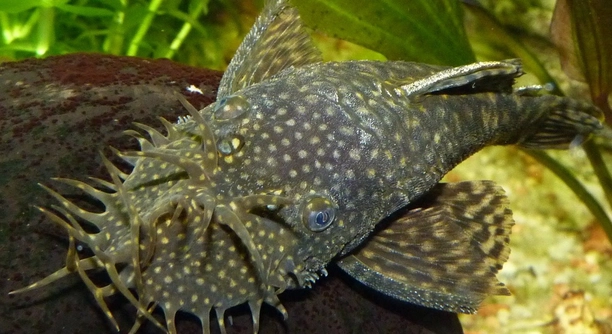
When you set up a pleco tank, it’s essential to maintain the right balance to ensure the well-being of your fish. An unbalanced tank can lead to problems that may affect your pleco’s health and happiness.
An unbalanced pleco tank typically shows signs like poor water quality, algae growth, or stressed fish. Regular tank maintenance, proper filtration, and water changes are vital to keeping the environment stable and promoting a healthy pleco.
Addressing these issues early can help maintain your pleco’s long-term health and create a thriving aquatic environment for all inhabitants.
Water Quality Issues
Maintaining clean, clear water is crucial for your pleco’s health. If the water quality in your tank drops, your pleco will likely show signs of stress. Poor water conditions can come from overfeeding, inadequate filtration, or infrequent water changes. Plecos produce a lot of waste, and if it isn’t properly filtered out, it can lead to ammonia and nitrate build-up. High levels of these substances are harmful to your fish. It’s vital to regularly test the water’s pH, ammonia, nitrite, and nitrate levels to ensure they remain within safe ranges.
Without a good filtration system, it’s easy for the water to become contaminated. Regular water changes help dilute harmful chemicals and prevent the tank from becoming a breeding ground for harmful bacteria. Keep in mind that the water temperature should also be stable, as fluctuations can stress your pleco and make it more susceptible to diseases.
Monitoring your tank’s water quality is the first step in ensuring the health of your pleco. It may take a little effort, but the results are worth it. You’ll notice your fish becoming more active and healthy with cleaner water.
Algae Overgrowth
Algae overgrowth is a common sign that your pleco tank is unbalanced. If you notice excessive algae buildup on the glass or decorations, it may indicate an imbalance in your tank’s nutrients and lighting.
Algae thrives in tanks with high light exposure, especially if the tank has an excess of nutrients, like nitrates and phosphates. These nutrients often come from uneaten food, fish waste, or decaying plants. A pleco might help by eating algae, but it can’t keep up with large amounts.
If algae overgrowth continues, it can block light, affecting both the aesthetic of the tank and the health of live plants. The algae may also start to release toxins, which are harmful to your fish. To reduce the overgrowth, limit the lighting to about 6–8 hours per day and increase water changes. Adding live plants can help absorb excess nutrients, balancing the environment and preventing algae from dominating the tank.
By controlling algae growth, your tank will become a more pleasant environment for your pleco and other aquatic life.
Pleco Stress and Behavior
A stressed pleco will often exhibit signs like hiding more frequently, not eating as much, or displaying unusual swimming patterns. Stress can be caused by several factors, including poor water quality, an overcrowded tank, and aggressive tankmates. When plecos feel threatened, they retreat to dark spaces, and you may notice them staying at the bottom of the tank or behind decorations.
If your pleco is constantly stressed, it could lead to a weakened immune system, making the fish more vulnerable to diseases. To minimize stress, ensure your pleco has enough space to hide and swim freely. Consider upgrading the tank if it’s too small, as plecos require a significant amount of space to feel comfortable.
Aggressive fish can also contribute to stress, especially if they compete for territory or food. In such cases, consider removing aggressive fish or adding more hiding spots to reduce tension. Regular observation and creating a peaceful environment for your pleco will keep it healthy and active.
Inadequate Filtration
A good filtration system is key to keeping your pleco tank healthy. If the filter isn’t strong enough for the size of your tank, waste and debris can build up, leading to poor water quality. A filter should be able to process the entire tank’s water volume multiple times per hour.
Over time, filters can lose efficiency if not cleaned or replaced regularly. Dirty filters will not clean the water as effectively, causing a gradual decline in water quality. Plecos are sensitive to changes in their environment, and dirty water can stress them out.
To prevent this, choose a filter rated for a tank size larger than your own. This provides better circulation and filtration, ensuring the tank remains clean. Be sure to clean your filter every month and replace any worn-out parts. Keeping the filter in top condition ensures a stable and healthy environment for your pleco.
Overfeeding
Overfeeding is a common issue that can lead to an unbalanced pleco tank. When you feed your pleco too much, excess food often goes uneaten and decays, causing an increase in waste and harmful bacteria. This leads to a spike in ammonia levels, which can be toxic to fish.
Plecos are not always active feeders, so it’s easy to overfeed them by mistake. A good rule of thumb is to offer just enough food for your pleco to consume in about 2–3 minutes. If any food is left behind, it should be removed promptly to prevent it from fouling the water.
It’s important to maintain a consistent feeding schedule and monitor how much food your pleco is actually eating. By offering the right amount of food and removing leftovers, you can prevent overfeeding and keep your tank’s water quality in check.
Inconsistent Water Temperature
Temperature fluctuations can stress your pleco. If the water is too hot or too cold, it can affect their metabolism and immune system. Ensure your tank has a stable temperature, ideally between 75°F and 80°F, depending on your pleco species.
Using a reliable heater with a thermostat will help regulate the temperature, preventing rapid changes. Plecos, especially tropical species, require consistent warmth to thrive. Rapid fluctuations can lead to stress and health issues, such as weakened immune systems or improper digestion. By monitoring the temperature regularly, you ensure your pleco remains comfortable and healthy.
Poor Tank Maintenance
Regular tank maintenance is essential for a balanced environment. This includes water changes, cleaning decorations, and ensuring the filter is working properly. Neglecting maintenance can lead to poor water quality, which affects your pleco’s health. A clean tank is vital for your fish’s well-being.
Setting a schedule for tank upkeep will help prevent imbalances. Regular water changes dilute harmful substances and help control algae growth. Scrubbing decorations and gravel helps maintain the tank’s aesthetics and reduces excess nutrients in the water. By keeping up with maintenance, you ensure your pleco stays healthy and happy.
Overcrowded Tank
An overcrowded tank can lead to stress and water quality issues. If too many fish share the same space, waste builds up faster, and oxygen levels decrease. Plecos need adequate room to swim and hide, which becomes difficult in crowded conditions.
Maintaining a proper stocking level is crucial to avoid overcrowding. The general rule is one inch of fish per gallon of water, but this varies depending on fish type and tank setup. Overcrowding can lead to aggressive behavior and lower water quality, causing a less-than-ideal environment for your pleco.
FAQ
What is the ideal water temperature for a pleco tank?
The ideal water temperature for a pleco tank typically ranges from 75°F to 80°F, depending on the specific species of pleco you have. Tropical plecos, like the common pleco, require warmer water. It’s important to maintain a consistent temperature, as fluctuations can cause stress. Use a reliable heater and thermometer to monitor the temperature. Sudden changes in temperature can weaken your pleco’s immune system and make it more susceptible to diseases. Regularly check the tank’s water to ensure the temperature remains stable and falls within the optimal range.
How often should I feed my pleco?
Plecos are not heavy feeders and can often go a couple of days without food. Feed your pleco every other day, offering small amounts of food that they can consume in a few minutes. Overfeeding can lead to poor water quality, so it’s best to avoid giving excessive food. Plecos mainly eat algae and plant matter, but you can supplement their diet with sinking pellets, blanched vegetables like zucchini, and occasional protein sources like bloodworms. If you notice uneaten food, remove it promptly to prevent it from deteriorating in the water.
Why is my pleco hiding so much?
If your pleco is hiding more than usual, it may be stressed or uncomfortable. This could be due to poor water quality, aggressive tankmates, or temperature fluctuations. Plecos are nocturnal and often hide during the day, but if they’re consistently hiding, it could indicate a problem. Check your water parameters, including pH, ammonia, nitrite, and nitrate levels, and make sure the temperature is stable. Also, observe the tank for any aggressive behavior from other fish, as this can lead to your pleco seeking out hiding spots.
How can I reduce algae buildup in my pleco tank?
While plecos help control algae, they cannot completely eliminate large amounts of algae buildup. To prevent algae overgrowth, limit the amount of light your tank receives, as algae thrive in well-lit environments. Keep the lighting on for 6-8 hours a day. Overfeeding can also contribute to excess nutrients, which promote algae growth. Regular water changes, cleaning decorations, and maintaining proper filtration can reduce nutrient levels. Adding live plants can also help absorb excess nutrients and prevent algae from overtaking the tank.
Is it necessary to have a filter for a pleco tank?
Yes, a filter is essential for maintaining water quality in a pleco tank. Plecos produce a significant amount of waste, and without proper filtration, harmful substances like ammonia and nitrites can build up quickly. A filter helps to remove debris and maintain oxygen levels in the tank, creating a healthier environment for your pleco. Be sure to select a filter rated for your tank size and clean it regularly to ensure it’s working efficiently. Additionally, make sure the filter’s current is not too strong for your pleco, as they prefer calm water.
Can plecos live with other fish?
Plecos are generally peaceful and can live with many other fish species. However, they may become territorial, especially if there is not enough space to hide. They do well with peaceful community fish like tetras, guppies, and mollies. Avoid housing them with overly aggressive or territorial fish, as this can lead to stress. It’s important to make sure the tank is large enough to accommodate all the fish, as plecos need their own space to roam. Providing plenty of hiding spots and ensuring a balanced tank will help reduce stress and encourage peaceful cohabitation.
How often should I change the water in a pleco tank?
Water changes are crucial for keeping a pleco tank healthy. In general, you should perform a partial water change of 25-30% every two weeks. If the tank is heavily stocked or the filtration system isn’t very efficient, you may need to change the water more frequently. Regular water changes help to remove excess nutrients, waste, and harmful chemicals that build up in the water. Always check the water parameters before and after a change to ensure the conditions remain optimal for your pleco.
Can plecos eat regular fish food?
While plecos may nibble on regular fish food, they require a more specialized diet. Most commercial fish foods are designed for carnivorous or omnivorous species, so they may not meet the nutritional needs of a pleco. Plecos primarily eat algae, plant matter, and detritus. Provide sinking pellets specifically designed for plecos, along with blanched vegetables like zucchini, cucumber, and spinach. Offering occasional protein sources like bloodworms or brine shrimp can also be beneficial for their diet. Always remove any uneaten food to prevent it from decomposing in the tank.
Why is my pleco’s skin peeling?
Skin peeling in a pleco can be a sign of poor water quality, injury, or a skin infection. If your pleco is shedding skin, first check the water parameters for high ammonia or nitrite levels, as these can cause irritation. A sudden change in water temperature or exposure to harsh chemicals can also lead to skin issues. If the peeling is accompanied by redness or sores, it could be an indication of a bacterial or fungal infection. In this case, it’s best to consult with an aquarium professional or vet to determine the proper treatment.
How long do plecos live?
Plecos are known for their long lifespan, with some species living up to 15-20 years in a well-maintained tank. The longevity of your pleco will depend on factors like water quality, diet, and overall tank care. Providing a stable environment with regular water changes, proper filtration, and appropriate feeding will ensure that your pleco lives a long and healthy life. Keep in mind that some species of plecos, like the common pleco, can grow quite large, so they require a large tank to thrive.
Final Thoughts
Maintaining a balanced pleco tank is essential for the health and well-being of your fish. The key is to focus on creating a stable environment that meets all of their needs, from water quality to temperature. Keeping the water clean, ensuring the temperature remains consistent, and providing enough space for your pleco to thrive are some of the most important steps you can take. If you notice any signs of stress, like hiding more often or changes in behavior, it’s crucial to check for any potential imbalances in the tank.
A healthy pleco tank doesn’t just rely on good water conditions. Regular maintenance, including water changes, checking the filter, and removing excess food, plays a huge role in preventing problems from arising. A little extra care can make a big difference in ensuring your pleco has a long, healthy life. Providing enough hiding spots, monitoring tankmates, and keeping the tank clean can prevent common issues. The right setup allows your pleco to exhibit natural behaviors and contribute to the overall balance of the tank.
In the end, creating a suitable environment for your pleco isn’t complicated, but it does require attention and consistency. By following the guidelines for water quality, tank maintenance, and feeding, you’ll be on your way to having a thriving pleco tank. Keeping a close eye on changes in the tank’s balance can help prevent stress and illness in your pleco, allowing you to enjoy their presence in your aquarium for years to come. Your pleco’s health is largely dependent on the stability you provide, so make sure to stay proactive in monitoring their habitat.

Hello,
If you enjoy the content that we create, please consider saying a "Thank You!" by leaving a tip.
Every little bit helps us continue crafting quality advice that supports the health, happiness, and well-being of pets around the world, for pets of all shapes, sizes, and species.
We really appreciate the kindness and support that you show us!