
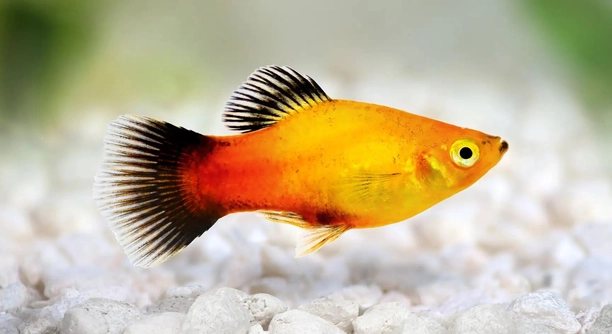
Many people enjoy keeping platies as colorful and easygoing pets. These small fish need the right space to stay healthy and active. Knowing when their tank is too small helps prevent stress and health problems.
A platy needs a bigger tank when signs like overcrowding, poor water quality, sluggish swimming, or frequent illness appear. These indicators show that the current environment limits their well-being and growth. Proper tank size is essential for their survival.
Recognizing these clues early can help improve your platy’s life. The following points explain what to watch for and why upgrading their tank matters.
Overcrowding in the Tank
When platies share a tank that is too small, overcrowding quickly becomes a problem. Too many fish in a limited space cause stress and competition for resources like food and oxygen. This often leads to aggression and unhealthy behavior. The water quality also worsens faster due to excess waste, which can harm your fish’s health. Overcrowded tanks make it difficult to maintain proper temperature and filtration. Platies need room to swim freely to stay active and strong. If you notice fish constantly hiding or chasing each other, it’s a clear sign the tank is too crowded. Increasing the tank size or reducing the number of fish can help improve their living conditions. Proper space promotes natural behavior and better growth, which is vital for your platy’s well-being.
Overcrowding limits your platy’s ability to thrive and increases the risk of illness and stress.
Giving your platy more room helps create a balanced environment. A larger tank dilutes toxins and provides better oxygen levels. This reduces fights and allows each fish to explore comfortably. It also makes cleaning and maintaining water quality easier. A well-sized tank encourages healthier behavior, such as regular swimming and feeding habits. When platies have enough space, they display their natural colors and personalities more vividly. Proper tank size is key to avoiding many common problems seen in small, crowded tanks. Planning ahead and monitoring fish numbers keeps your aquatic pets happy and healthy.
Poor Water Quality
Poor water quality is a frequent sign that your platy’s tank is too small. In small tanks, waste from fish and uneaten food builds up quickly, leading to harmful levels of ammonia and nitrites. These chemicals are toxic to fish and weaken their immune systems. Regular water changes may not be enough if the tank is too small to handle the bio-load. The water can become cloudy and smelly, making it uncomfortable for your fish. Without enough space for beneficial bacteria to grow, the tank’s natural filtration breaks down. This situation stresses your platies and can lead to disease or even death. A larger tank helps maintain better water conditions by reducing waste concentration and supporting a stable ecosystem.
Improving tank size is a practical way to keep water clean and safe for your platies.
Keeping water parameters stable is easier in bigger tanks. Larger volumes dilute toxins and support stronger biological filtration. It also allows for more plants or decorations that improve water quality naturally. Clean water is essential for healthy gill function and overall vitality. When water quality suffers, platies may show signs like gasping at the surface or faded colors. These are red flags that action is needed. Upgrading to a larger tank reduces maintenance stress and creates a healthier, more comfortable home. This investment ensures your platies live longer, more active lives with less risk of illness.
Sluggish Swimming and Lethargy
Platies in a small tank often swim slowly or rest at the bottom more than usual. This change in behavior signals stress or poor water conditions.
Limited space restricts movement, making platies less active. In a cramped tank, oxygen levels drop, causing fatigue and sluggishness. Without enough room to explore, their natural curiosity fades, and they spend more time hiding or resting. This lack of exercise affects their health and weakens their immune system.
When platies become lethargic, it’s a warning to check their tank size and water quality. Upgrading to a bigger tank allows better circulation and oxygenation. More space encourages regular swimming and activity, helping fish stay strong and alert.
Frequent Illness and Weakness
Repeated sickness in platies can be due to poor living conditions from an undersized tank. Stress from overcrowding and bad water quality lowers their immunity.
A small tank cannot support a stable environment, causing constant fluctuations in temperature and water chemistry. These changes make it hard for fish to recover from infections or parasites. When platies are weak, symptoms like faded colors, clamped fins, and loss of appetite appear. Without a proper environment, diseases spread quickly between fish. Increasing tank size improves stability, reduces stress, and strengthens resistance. Healthy tanks with enough space help platies fight illness naturally and live longer, more vibrant lives.
Reduced Growth and Development
Platies in small tanks often grow slower or remain smaller than expected. Limited space restricts their natural development.
Crowded conditions cause stress, which affects how platies use nutrients. Without enough room to swim and exercise, their muscles and fins don’t develop fully. This stunts their overall growth and can shorten their lifespan.
Constant Hiding Behavior
When platies hide frequently, it usually means they feel unsafe or stressed. Small tanks with poor conditions increase this behavior.
Hiding is a sign they lack enough space to feel comfortable. Providing a larger tank with more hiding spots helps reduce stress and encourages normal activity.
Water Parameters Fluctuating Often
Small tanks are prone to rapid changes in temperature, pH, and ammonia levels. These fluctuations stress platies and harm their health. A larger tank holds more stable water conditions, supporting healthier fish.
FAQ
How do I know if my platy tank is too small?
You can tell a tank is too small if your platies show signs like overcrowding, sluggish swimming, or hiding often. Water quality may also worsen quickly, with cloudy water or strong smells. Frequent illness and stunted growth are further signs your tank is too cramped.
What tank size is best for platies?
A minimum of 10 gallons is recommended for a small group of platies. Larger tanks, like 20 gallons or more, give them enough space to swim freely and support better water quality. Bigger tanks also reduce stress and make maintenance easier.
Can I keep many platies in one tank?
While platies are peaceful and social, they still need enough space. About 1 gallon per inch of fish is a good rule. Overcrowding leads to poor water conditions and stress. It’s better to keep fewer fish in a larger tank.
What happens if my platies stay in a small tank too long?
Long-term confinement in a small tank can cause stress, weakened immune systems, and stunted growth. Poor water quality increases the risk of disease. Fish may become lethargic or aggressive, and their lifespan may shorten.
How often should I clean a small platy tank?
Small tanks require more frequent cleaning because waste builds up faster. Partial water changes of 25-30% once a week help maintain good water quality. Overfeeding should be avoided to reduce excess waste.
Can adding plants help if my tank is small?
Live plants improve water quality by absorbing nitrates and providing oxygen. They also give platies places to hide, reducing stress. However, plants don’t solve overcrowding or space issues, so upgrading tank size is still important.
Is filtration enough to keep a small tank healthy?
Filtration helps, but it cannot fully compensate for limited space. Overcrowding and small water volume make toxins build up quickly. A good filter combined with regular water changes and proper tank size is necessary.
How do I transition platies to a bigger tank?
Gradually introduce your platies to the new tank by matching water temperature and conditions. Use a net or container to move fish carefully. Adding some water from the old tank to the new one helps reduce stress and shock.
What should I look for in a new tank for platies?
Choose a tank with enough swimming space and good filtration. It should have a lid to prevent jumping and be easy to clean. Consider space for plants and decorations to create hiding spots.
Can platies live happily in a community tank?
Yes, platies do well with other peaceful fish if the tank is large enough. Ensure all species have compatible needs for water temperature and conditions. Keep an eye on behavior to avoid bullying or stress.
How does water temperature affect platy health?
Platies thrive in water between 72°F and 78°F. Temperatures outside this range can cause stress and illness. A heater helps maintain stable temperatures, especially in cooler rooms or seasons.
What diet is best for platies?
A balanced diet with quality flakes, pellets, and occasional live or frozen foods keeps platies healthy. Avoid overfeeding, as leftover food pollutes the water and harms fish.
How important is lighting in a platy tank?
Proper lighting supports plant growth and highlights platy colors. Too much light can cause algae, while too little affects fish activity. Aim for about 8-10 hours of light daily with a timer.
Can tank decorations affect platy behavior?
Yes, decorations provide shelter and reduce stress by mimicking natural habitats. Smooth surfaces and no sharp edges prevent injuries. Avoid overcrowding the tank with decorations that limit swimming space.
What signs indicate my platy is stressed?
Look for erratic swimming, loss of appetite, hiding, faded colors, or rapid gill movement. Stress may result from poor water conditions, overcrowding, or sudden changes in the environment.
How often should I test water parameters?
Testing weekly is ideal to catch early changes in ammonia, nitrite, nitrate, and pH. Regular testing helps maintain stable water quality, preventing problems before they affect your platies.
When keeping platies, the size of their tank is very important. A tank that is too small can cause many problems for the fish, such as stress, illness, and slow growth. Platies need enough space to swim freely and live comfortably. A proper tank size helps maintain clean water and good oxygen levels, which are necessary for healthy fish. It also reduces the chance of fights and unhealthy behavior. Choosing the right tank size from the start makes caring for platies easier and more enjoyable.
If your platies show signs like hiding often, swimming slowly, or frequent illness, it could mean their tank is too small. Overcrowding causes waste to build up quickly, which lowers water quality and harms fish health. Small tanks can’t hold stable water conditions, making the environment unsafe. Upgrading to a larger tank improves water stability and gives platies room to swim and explore. This leads to stronger, happier fish that live longer. Keeping an eye on your platies’ behavior and tank condition can help you decide when it is time for a bigger home.
Taking care of platies means giving them the space they need to thrive. Along with regular cleaning and feeding, a well-sized tank is one of the best ways to ensure their health. Remember that platies are active and social fish that enjoy swimming and exploring their environment. When they have enough room, their colors become brighter and their behavior more natural. A bigger tank might require more effort at first, but the benefits for your fish’s well-being are worth it. Giving your platies a bigger tank shows that you care about their comfort and long-term health.

Hello,
If you enjoy the content that we create, please consider saying a "Thank You!" by leaving a tip.
Every little bit helps us continue crafting quality advice that supports the health, happiness, and well-being of pets around the world, for pets of all shapes, sizes, and species.
We really appreciate the kindness and support that you show us!