
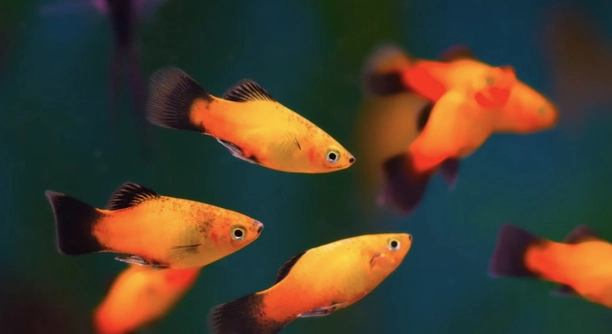
Many people enjoy keeping platies as colorful, easygoing aquarium fish. Watching them interact can be fun, especially when you notice changes in their behavior. Understanding when platies are ready to mate helps in caring for them properly.
Platies show specific physical and behavioral signs when ready to mate, including increased activity, color changes, and the development of mating organs. Recognizing these clues allows aquarists to manage breeding and maintain a healthy environment.
Knowing these signs helps ensure your platies stay happy and healthy. This article will guide you through the key clues to watch for when breeding time approaches.
Physical Changes in Female Platies
Female platies ready to mate often show visible physical changes. Their bellies become rounder and fuller as eggs develop inside. This swelling is one of the easiest signs to spot. Sometimes, the color of their bodies may deepen or become more vibrant, signaling readiness to breed. You might notice the gravid spot near the rear fin getting darker, which indicates pregnancy soon after mating. These changes usually appear gradually but become clear with careful observation. It helps to compare females to see the difference in belly size and color intensity. Watching these signs can prepare you to manage breeding and tank conditions better. This way, you can provide a safe and comfortable space for the female platy to carry her young. Keeping the tank clean and feeding nutritious food will support the female through mating and pregnancy, ensuring healthier offspring.
The gravid spot is a clear indicator of a female’s reproductive stage and helps track her readiness to mate.
Monitoring these changes allows you to support your female platies effectively during mating season, improving their health and offspring survival.
Behavioral Signs of Mating Readiness
Male platies show changes in behavior when ready to mate. They become more active, swimming faster and chasing females gently. This increased activity helps stimulate the female’s interest and readiness. Males may display their fins more prominently to attract females’ attention. This behavior can seem persistent but is normal during mating periods. It’s important to ensure there are enough hiding spaces for females to escape if needed. When males are ready, they will follow females closely, trying to position themselves for mating. Observing these actions helps you know when your platies are ready for breeding. Providing a balanced diet and maintaining water quality supports these natural behaviors. By recognizing these behavioral clues, you can better manage your aquarium to encourage healthy mating without causing stress. This understanding makes breeding more successful and enjoyable to watch.
Changes in Male Platies
Male platies develop a gonopodium, a modified anal fin used for mating. This fin becomes longer and thinner compared to females. The gonopodium helps males transfer sperm to females during breeding. Noticing this change is essential to tell males apart from females easily.
The gonopodium starts developing as male platies reach sexual maturity. It is a key feature used to identify males in the tank. When males are ready to mate, the gonopodium may appear more prominent or flexible, allowing better movement during mating attempts. This physical change usually happens gradually but is a clear sign of sexual readiness. Knowing which fish are males helps in controlling breeding and tank dynamics. Proper care and feeding support the development and function of the gonopodium, contributing to successful reproduction. Monitoring this feature aids in predicting when mating will occur and managing your aquarium accordingly.
Besides the gonopodium, males often show more vibrant colors during mating periods. Their fins may flare more, making them stand out to females. These changes improve their chances of attracting mates and starting the breeding process.
Increased Activity and Chasing Behavior
Mating readiness in platies is often shown through increased swimming activity. Males chase females more frequently, sometimes gently nudging or following closely. This behavior is natural and part of the mating ritual.
The chasing behavior serves to stimulate females and signal male interest. During this time, males swim more energetically, exploring the tank and seeking females. Females might swim away but usually stay within reach, allowing the mating process to progress. This active behavior may increase for several days during mating readiness. It’s important to provide plenty of plants and hiding spots so females can escape if they feel stressed. Watching these interactions helps gauge the breeding stage and maintain a balanced environment. Proper tank management during this phase ensures less aggression and a smoother mating process overall.
Color Intensification
Male and female platies often show brighter colors when ready to mate. These vibrant hues help attract attention and signal health. Color changes can vary by individual but generally indicate readiness.
Brighter colors make it easier to spot which platies are ready for breeding. This natural display helps with mate selection and improves chances of successful reproduction.
Restlessness and Frequent Movement
Platies become more restless as mating time approaches. They swim around more, exploring the tank actively. This behavior reflects heightened energy and readiness to find a mate.
This increased movement can sometimes seem frantic but is normal. Restlessness helps platies interact more and signals their breeding condition to others in the tank.
Changes in Appetite
Platies often eat less or more selectively before and during mating readiness. Appetite changes reflect their focus on reproduction rather than feeding habits.
Monitoring appetite helps identify when platies are preparing to mate. These shifts in eating behavior are subtle but important to notice for proper care.
FAQ
How can I tell if my platies have successfully mated?
After mating, female platies usually develop a noticeably swollen belly as the eggs develop inside. The gravid spot near the rear fin darkens and becomes more visible. These signs appear within a few days of mating. You might also notice less chasing behavior from males once the female is pregnant. Observing these physical changes is the best way to confirm successful mating.
How long does it take for platies to give birth after mating?
Platies are livebearers, so females carry the fry inside their bodies. The gestation period usually lasts about 24 to 30 days. However, this can vary slightly depending on water temperature and overall tank conditions. Warmer water tends to speed up the process, while cooler water slows it down. Keeping the tank stable and clean helps ensure healthy development.
Can platies mate multiple times in a short period?
Yes, female platies can store sperm from males and produce multiple batches of fry from a single mating. This means they don’t need to mate every time they release babies. It’s common for a female to give birth every few weeks as long as she has stored viable sperm. This ability makes platy breeding easier but also means population control in the tank is important.
Should I separate pregnant females from other fish?
Separating pregnant females is often a good idea to protect them and the fry. Other fish, including adult platies, may eat newborn fry if given the chance. A breeding box or separate nursery tank offers a safer space for females to give birth and for fry to grow without threat. This separation reduces stress on the female and increases survival rates for the babies.
What is the best way to prepare the tank for platy breeding?
Maintain clean water with stable temperature around 72-78°F (22-26°C). Add plenty of plants or decorations to provide hiding spots for fry and reduce stress. Feeding high-quality, varied food supports breeding health. Regular water changes help keep conditions ideal. Avoid overcrowding to reduce aggression and stress during mating.
How many fry can a platy female have at once?
A single female platy can give birth to between 20 and 50 fry at one time, depending on her size and health. Larger, well-fed females tend to produce more babies. The number of fry can vary, so providing enough space and resources in the tank is important to support their growth and survival.
Do platies need special food during mating and pregnancy?
Feeding females nutritious food during mating and pregnancy is very important. Offer protein-rich options like brine shrimp, daphnia, or high-quality flakes. Variety helps improve health and increases the chance of healthy fry. Feeding small amounts multiple times a day prevents overfeeding while meeting nutritional needs.
How do I handle aggressive behavior during mating?
Males can become persistent or slightly aggressive during mating. If chasing becomes stressful for females, add more plants or hiding spots to provide escapes. Reducing male numbers or separating overly aggressive males may be necessary. Keeping a balanced male-to-female ratio helps maintain peaceful interactions.
When should I expect to see fry swimming freely?
Fry are born fully formed and usually start swimming freely within hours after birth. They stay near hiding spots or plants at first for protection. Providing fine food like crushed flakes or baby brine shrimp helps support their early growth. Close observation during the first weeks is key for their survival.
Can platies mate with other livebearer species?
Platies can sometimes hybridize with closely related livebearers like swordtails or mollies. While this may happen, it’s generally not recommended as hybrids may have health or fertility problems. Keeping pure species together ensures healthier, more predictable breeding outcomes.
Understanding when your platies are ready to mate helps you take better care of them. By recognizing the signs, such as changes in their appearance and behavior, you can create a more comfortable environment for breeding. This knowledge allows you to prepare your tank properly, making sure there is enough space, clean water, and plenty of hiding spots. Providing the right conditions supports both the adults and the fry, helping the whole group stay healthy.
Watching your platies closely will give you clues about their readiness to mate. Physical signs like a rounder belly in females and the development of the gonopodium in males are important to notice. Behavior also changes, with males becoming more active and chasing females more often. These changes are natural and expected during breeding times. Paying attention to these details helps you understand what your fish need and how to support them during this time.
Breeding platies can be a rewarding experience when you know what to look for and how to respond. Keeping the tank clean, feeding nutritious food, and managing space will improve your platies’ health and the survival rate of their young. Taking these simple steps makes the breeding process smoother and more enjoyable. Over time, you will become more confident in recognizing mating signs and caring for your platies throughout their life stages.

Hello,
If you enjoy the content that we create, please consider saying a "Thank You!" by leaving a tip.
Every little bit helps us continue crafting quality advice that supports the health, happiness, and well-being of pets around the world, for pets of all shapes, sizes, and species.
We really appreciate the kindness and support that you show us!