
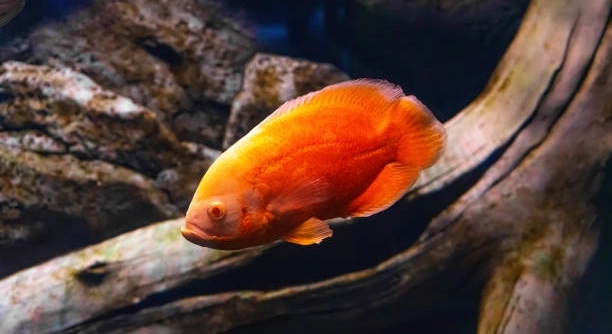
Oscar pets are unique in their behavior and personalities. If you’re noticing unusual signs in your Oscar, it could mean they’re not feeling their best. Understanding their body language can help you spot when something might be off.
Oscars can exhibit signs of sulking due to changes in their environment, diet, or health. These behaviors can include hiding, reduced appetite, or even aggression. Identifying these clues early can help in addressing potential issues before they worsen.
By paying attention to these behaviors, you can understand what your Oscar is trying to tell you. This article will guide you through seven key signs to watch for.
1. Hiding More Than Usual
If your Oscar is spending more time hiding than swimming around, it could be a sign they’re not feeling their best. Oscars are typically bold and curious, so a noticeable shift in behavior like avoiding interaction or staying in one spot could indicate stress, discomfort, or illness. Pay close attention to how often they retreat to corners or the bottom of the tank.
Oscars might also avoid their usual hangouts or favorite areas when sulking. This change in behavior can be a direct response to something troubling them. Whether it’s a change in water conditions, tank mates, or even their diet, these factors can make them want to retreat.
If this behavior continues for several days, it’s important to assess all aspects of their environment. Check water temperature, cleanliness, and any potential sources of stress like aggressive tank mates. Making the necessary adjustments can help your Oscar feel safe and comfortable again.
2. Loss of Appetite
A reduced or complete loss of appetite is another sign that your Oscar might be sulking. Oscars are known for their hearty appetites, so a sudden change in their eating habits should raise a red flag. They may not be interested in their favorite foods, or they may ignore meals entirely.
When Oscars stop eating, it can be linked to several factors, including stress, health issues, or poor water quality. It’s essential to monitor their feeding habits closely and offer a variety of food types. If they refuse to eat for an extended period, it could indicate a more serious problem that requires attention.
In some cases, Oscars may stop eating if their water is too dirty or if there’s been a sudden change in their environment. Regular water testing and tank maintenance can help prevent this. You may also want to try changing their diet or adjusting their feeding schedule to see if it helps.
3. Aggression or Mood Swings
Oscars are typically territorial and may become more aggressive when they are feeling upset or unwell. If your Oscar is showing signs of aggression, such as chasing other fish or attacking their reflection, it could be a sign that they are sulking. This behavior often stems from stress or discomfort.
Aggression can also be a response to a change in their environment, like new tank mates, or it could be a reaction to water quality issues. Oscars are sensitive to these factors, and if they feel threatened or uneasy, they may act out. Keep an eye on any sudden changes in behavior.
If aggression becomes more frequent, it’s important to examine the cause. Is there a specific trigger that sets them off, such as a new fish or a disruption in their routine? Identifying the cause and addressing it quickly can help reduce this aggressive behavior and restore peace in the tank.
4. Lethargy and Unusual Stillness
If your Oscar seems to be swimming sluggishly or is staying still more than usual, it could be a sign that something’s wrong. Oscars are typically energetic and love to explore their tank. A lack of movement or interest in their surroundings can indicate stress, illness, or an uncomfortable environment.
When Oscars become lethargic, it’s often due to poor water quality or a sudden change in their environment. Stress factors like aggressive tank mates or even a change in water temperature can make them inactive. Keep a close eye on their behavior and check for any signs of illness or discomfort.
A lack of movement can also be a sign of physical pain. If your Oscar has been injured or is suffering from a health issue, it might retreat and avoid swimming as much. Ensure that their tank is well-maintained and that the water parameters are stable to avoid this kind of behavior.
5. Cloudy Eyes or Dull Colors
One of the more noticeable signs that your Oscar might be sulking is a change in appearance. Oscars typically have vibrant, bold colors, but if their eyes appear cloudy or their colors seem dull and washed out, it may be due to stress, illness, or water issues. Oscars rely on good water quality and proper care to maintain their bright colors, so any deviation from this could point to something more serious.
Cloudy eyes can be a symptom of a variety of health problems, including infections or parasites. If this change in appearance lasts for more than a few days, it’s a good idea to check water conditions immediately and consider a visit to an aquarium specialist. The dullness in color is also often a sign of stress or illness, particularly if the fish is not eating or behaving normally.
Once you notice these changes, consider testing your tank water for ammonia, nitrate, and pH levels. These are common issues that can stress Oscars and cause health problems. If the problem persists despite water changes and proper care, seeking professional advice is a wise step.
6. Excessive Scratching or Rubbing Against Objects
If your Oscar is rubbing itself against tank decorations, plants, or the sides of the tank, it could be a sign of irritation or discomfort. This behavior often indicates an external parasite, injury, or an issue with the water quality. Oscars will sometimes try to scratch themselves to relieve irritation.
This behavior can be caused by skin irritation or a parasitic infection, such as ich, which leads to itching. It’s important to monitor your Oscar closely for any other signs of illness, such as redness or lesions on their body. If the scratching persists, a water change and treatment may be necessary.
If you notice that your Oscar’s skin appears to be inflamed or covered in spots, it’s essential to act quickly. Treating the tank with proper medications and adjusting water conditions can help improve your Oscar’s health and reduce this uncomfortable behavior.
7. Reduced Interaction
If your Oscar has suddenly become less interactive, it could mean they’re feeling down or stressed. Oscars are typically outgoing and curious, often seeking attention from their owners. A lack of engagement or disinterest in their surroundings can point to a problem.
When Oscars stop interacting, it could be a sign of illness, stress, or boredom. The lack of engagement may also be linked to poor water conditions or a change in their environment. Make sure that the tank is clean and stable and that any changes, like new tank mates, are not upsetting your Oscar’s routine.
Reintroducing enrichment activities like hiding spots, toys, or tank companions can encourage your Oscar to become more active. Providing a well-rounded environment will support their health and behavior. If this change continues, it’s crucial to address potential stress factors and observe their behavior for any other signs of concern.
FAQ
What should I do if my Oscar stops eating?
If your Oscar stops eating, first check the water quality. Poor water conditions are one of the most common reasons fish lose their appetite. Make sure ammonia and nitrite levels are low, and the water temperature is stable. If the water quality is good, try offering different types of food, as Oscars can sometimes become picky. If the issue persists for more than a few days, it could be a sign of stress, illness, or a health problem. In that case, consider consulting an aquarium specialist.
How do I know if my Oscar is stressed?
Stress in Oscars can manifest in several ways, such as hiding, reduced activity, or aggression. If your Oscar is swimming erratically or constantly trying to escape the tank, stress might be the cause. Water quality issues, sudden changes in their environment, or aggressive tank mates can trigger stress. Make sure the tank is properly maintained and check if there are any sources of disturbance. Stress can also result from overcrowding, so ensure your Oscar has enough space to feel safe.
What are the signs of illness in Oscars?
Illness in Oscars can show up as physical changes like cloudy eyes, discoloration, or lesions on the skin. If your Oscar’s behavior becomes unusually lethargic or aggressive, or if they’re scratching against objects, it could indicate an infection or parasites. Changes in appetite, excessive hiding, or abnormal swimming patterns are also signs of illness. If any of these symptoms appear, it’s important to assess water quality, diet, and tank conditions. If these issues persist, consider consulting a vet or aquarium expert.
How can I improve my Oscar’s tank environment?
To keep your Oscar happy and healthy, it’s essential to maintain a clean and stable tank environment. Regular water changes are key to preventing toxins from building up. Keep the water temperature consistent, ideally between 75-80°F (24-27°C), and check pH levels to ensure they’re within the optimal range. Oscars are territorial, so make sure they have plenty of space and places to hide. Adding plants or decorations can create hiding spots and reduce stress, but avoid sharp objects that could injure them.
How can I help my Oscar feel more comfortable?
Ensuring your Oscar’s comfort begins with maintaining optimal water quality and temperature. Provide a well-established filtration system to keep the tank clean, and ensure the water is free of toxins. If your Oscar seems stressed or sulking, check for any changes in the tank, such as new tank mates or recent water changes. Offering hiding spots or adding plants can help your Oscar feel safe. Avoid sudden changes to the environment, as Oscars are sensitive to shifts in their surroundings.
Why is my Oscar being so aggressive?
Oscars are known for their territorial nature, and aggression can often be linked to either stress or a response to environmental changes. If a new fish or decoration has been introduced, your Oscar might react aggressively as it adjusts. Sometimes, aggression can also be a sign of illness or discomfort, as Oscars may lash out if they’re in pain or feel threatened. It’s important to observe your Oscar’s behavior and see if the aggression is directed toward specific tank mates or situations.
Can water temperature affect my Oscar’s behavior?
Yes, water temperature can significantly impact your Oscar’s behavior. Oscars are tropical fish that thrive in temperatures between 75°F and 80°F (24-27°C). If the water is too cold or too warm, it can cause stress, lethargy, or even aggression. Sudden changes in temperature can also make your Oscar uncomfortable and lead to health issues. It’s important to keep the water temperature stable by using a reliable heater and checking the temperature regularly. If the temperature fluctuates, your Oscar may display unusual behavior.
How often should I feed my Oscar?
Oscars are active eaters, and typically, they should be fed once or twice a day. Overfeeding can lead to water quality issues, so only provide enough food that your Oscar can eat within a few minutes. It’s also important to offer a balanced diet, including pellets, live foods, and occasional treats like shrimp or worms. If you notice your Oscar is not eating or becoming overweight, adjust the feeding schedule accordingly. If feeding times become inconsistent, your Oscar’s behavior may also change.
What are common diseases in Oscars?
Some common diseases in Oscars include ich (white spot disease), fin rot, and external parasites. Ich presents as small white spots on the body and fins, while fin rot causes the edges of the fins to fray and decay. Both of these conditions can be treated with specific medications available at pet stores or online. Other potential health problems include fungal infections or swim bladder disease, which affects their ability to swim properly. Regular tank maintenance and keeping the water clean can prevent many of these issues.
How can I reduce stress for my Oscar?
To reduce stress for your Oscar, ensure the water quality is consistently good, and avoid any sudden changes in the tank. Providing a stable, quiet environment without loud noises or disturbances will help your Oscar feel more secure. Give your Oscar enough space, as overcrowding can increase stress levels. Also, consider adding more hiding places or decorations to make the tank feel more natural and secure. If your Oscar is stressed due to other fish, consider separating aggressive tank mates or rearranging the tank to minimize territorial disputes.
Final Thoughts
Caring for an Oscar requires attention to both their physical and emotional well-being. These fish are sensitive creatures, and their behavior can tell you a lot about their current state. By observing your Oscar closely and understanding their needs, you can help prevent common issues and provide a better environment for them. Maintaining stable water quality, a healthy diet, and proper tank conditions are essential to ensuring your Oscar stays happy and healthy.
Regular water changes, monitoring water temperature, and testing the water for ammonia and nitrites are all critical aspects of keeping your Oscar’s tank in good condition. An Oscar’s aggression, lack of appetite, or unusual behavior can often be traced back to poor water quality or stress. By staying proactive about water care and tank maintenance, you’ll reduce the likelihood of these problems. If any issues do arise, they can usually be addressed quickly with the right knowledge and treatment.
Remember, Oscars are intelligent fish that enjoy interaction and enrichment. Providing them with a stimulating environment can go a long way in preventing boredom and stress. While they can be territorial, making sure they have enough space and hiding spots will help them feel safe and secure. Whether it’s monitoring their behavior or adjusting their tank, understanding your Oscar’s needs is key to their happiness.

Hello,
If you enjoy the content that we create, please consider saying a "Thank You!" by leaving a tip.
Every little bit helps us continue crafting quality advice that supports the health, happiness, and well-being of pets around the world, for pets of all shapes, sizes, and species.
We really appreciate the kindness and support that you show us!