
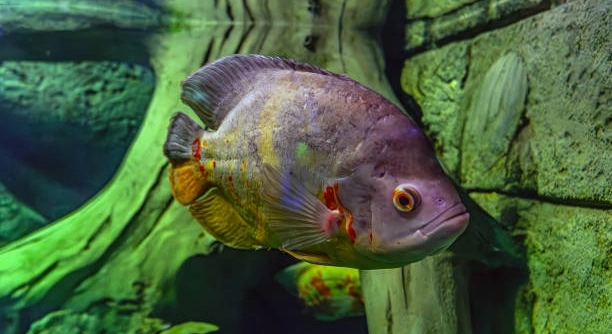
Is your Oscar fish acting differently or showing signs of stress in its tank? It might be feeling a bit cramped. Learning the signs of space-related stress can help you make better choices for its care.
Oscar fish often need larger tanks than many owners realize. Limited space can lead to health problems, aggression, and poor water quality. Observing behavior and physical signs can indicate when it’s time to upgrade your aquarium.
Knowing these signs can help prevent further issues and create a healthier, more comfortable home for your Oscar fish.
It’s Constantly Pacing or Glass Surfing
Oscar fish that pace back and forth or rub against the glass repeatedly may be feeling confined. This behavior, often referred to as glass surfing, is a physical sign of stress and restlessness. When the tank is too small, your fish may feel trapped, leading to anxiety and an ongoing search for an escape. While it may appear as an energetic burst of movement, it’s usually an indication that your Oscar isn’t content with its environment. These fish are intelligent and need enough space to swim freely. Constant pacing is not part of normal behavior and shouldn’t be ignored. Providing a larger tank can help reduce this unwanted activity and support overall well-being. It’s important to respond quickly before other issues arise. Inadequate space affects both mental stimulation and physical health, creating a cycle of discomfort that can escalate over time without intervention.
This behavior is not playful. It’s a stress response caused by confinement. A cramped tank often triggers unnatural and repetitive actions that signal discomfort.
Increasing the tank size is a direct way to resolve this issue. Once your Oscar fish has enough room to explore, it will gradually stop glass surfing. You may also notice a calmer, more confident demeanor as a result.
It Shows Increased Aggression
A fish that becomes more aggressive than usual may be reacting to a lack of space. When Oscars feel crowded, they often lash out at tankmates or even at decorations in the aquarium.
Oscar fish are territorial by nature, but this behavior intensifies in tight quarters. In a smaller tank, there is less space to retreat or establish personal territory, increasing tension. If you notice your Oscar nipping at others, flaring its gills often, or aggressively defending a certain area, it may be time to consider a larger tank. Aggression isn’t just a danger to other fish; it also puts the Oscar at risk of injury and chronic stress. Over time, these conditions can compromise its immune system and lead to infections. Providing a tank of at least 75 gallons for a single adult Oscar allows it to develop a stable territory, swim freely, and interact more naturally. Adding hiding spaces can also help reduce conflict, but tank size is the most important factor in maintaining peace.
It’s Growing Fast and Looks Cramped
Oscar fish grow quickly, often outpacing the size of their tank. When their body starts to look oversized compared to the space, it’s a clear sign they need more room to swim, turn, and stretch comfortably.
A cramped tank limits healthy movement and can stunt physical development. As Oscars grow, their muscle mass and energy levels increase, demanding more open space. When they’re restricted, their overall health declines. You might notice slower swimming, clumsy turns, or trouble navigating the tank. These are all signs your Oscar doesn’t have the room it needs. A 55-gallon tank might work for juveniles, but full-grown Oscars need more—ideally 75 gallons or larger. The larger the space, the easier it is to maintain stable water conditions and encourage natural behavior. Without it, your fish may become lethargic or stressed, both of which can shorten its lifespan.
Fish that can’t move easily are more prone to illness. Constant bumping into decor, restricted swimming, and poor water circulation all affect health. Muscle tone weakens over time, and their immune system takes a hit. A larger tank offers not just space, but better oxygen flow, stable temperature, and less buildup of harmful waste. This upgrade promotes a longer, healthier life for your Oscar.
Waste Builds Up Quickly
Oscar fish produce a large amount of waste, which small tanks can’t handle efficiently. This causes ammonia and nitrate levels to rise quickly, leading to cloudy water and harmful living conditions that affect both your Oscar and any tankmates.
Smaller tanks make it harder to keep water parameters balanced. Even with frequent water changes, waste builds up faster than most filtration systems can manage. This can lead to spikes in ammonia, nitrites, and nitrates, which are dangerous to fish health. In tanks that are too small, even a slight increase in bioload becomes a serious issue. You may find yourself constantly cleaning, replacing water, or dealing with odd smells and discolored water. A larger tank provides better dilution and allows for stronger, more effective filtration. This not only reduces daily maintenance but also keeps your fish safer. Long-term exposure to poor water quality weakens immunity and can result in chronic illness or early death.
Its Fins Look Damaged or Torn
Torn or frayed fins can be a result of constant bumping into tank walls, decorations, or aggressive encounters due to limited space. This kind of physical damage often signals that your Oscar fish doesn’t have enough room to move freely.
In a cramped tank, Oscars can’t turn easily, especially as they grow. This leads to accidental scrapes against hard surfaces or tank decor. Damaged fins heal slowly and are more prone to infections. Providing extra space helps reduce these injuries and keeps your fish healthier overall.
It’s Less Active Than Usual
Oscar fish are naturally curious and active. When they become sluggish, hide more often, or stop exploring, it’s usually a sign of discomfort. Limited space restricts both movement and mental stimulation. Over time, this creates boredom and stress. A larger tank restores natural behavior and improves energy levels.
It’s Ignoring Food
Loss of appetite is a common stress response in fish. If your Oscar is eating less or ignoring food completely, a tank that’s too small may be the reason.
FAQ
How big should a tank be for one Oscar fish?
A single adult Oscar fish needs at least a 75-gallon tank. While they may start out small, they grow quickly and need plenty of space to swim, turn, and stay healthy. Tanks smaller than this often lead to stunted growth, water quality problems, and increased stress. If you plan to keep more than one Oscar, add at least 50 gallons for each additional fish. This extra space not only allows for comfort but also reduces aggression and keeps water parameters more stable.
Can a small tank really affect my Oscar’s health?
Yes, a small tank can cause multiple health issues. Without enough space, your Oscar’s movement becomes limited, which weakens its muscles and affects digestion. The buildup of waste in a small tank also leads to toxic water conditions. Over time, this can result in fin rot, poor appetite, and a higher risk of infection. Chronic stress from cramped conditions can also shorten your fish’s lifespan. A larger tank helps avoid these problems and supports better overall health.
Why is my Oscar fish always hiding in the corner?
Oscars that hide often are showing signs of stress. A tank that’s too small can make them feel trapped or overwhelmed. Poor water quality, aggressive tankmates, or lack of space to swim can cause this kind of behavior. If your fish stays in the corner for long periods and avoids interaction, it may be trying to escape uncomfortable conditions. Increasing the tank size and improving the environment usually helps them return to normal activity levels.
Do Oscar fish grow to fit the size of their tank?
No, this is a common myth. Oscar fish do not grow based on their tank size. Instead, if the tank is too small, their growth becomes stunted due to stress and poor water quality. This can lead to deformities and internal health problems. In the right tank size, they’ll grow to their full potential—usually 10 to 12 inches long. Providing adequate space supports both their physical development and behavior.
How can I tell if my Oscar is unhappy in its tank?
Unhappy Oscars show several signs: loss of appetite, sluggish movement, hiding often, damaged fins, and sometimes aggression. If your Oscar used to be active and curious but now seems withdrawn, it might be reacting to poor tank conditions or a lack of space. Monitoring behavior changes closely will help you act early. A larger tank, clean water, and minimal stress go a long way in keeping your Oscar content and active.
Is it okay to keep an Oscar fish alone?
Yes, Oscars do well alone and don’t require tankmates. In fact, keeping a single Oscar makes it easier to manage space, reduce aggression, and maintain water quality. If you do want to add other fish, make sure the tank is large enough and the species are compatible. Oscars can be territorial, especially in cramped spaces, so extra room is essential if more fish are added. Keeping one Oscar in a well-sized tank is often the easiest and safest option.
What’s the best way to upgrade to a larger tank?
Start by choosing a tank that’s at least 75 gallons for one Oscar. Set up the new tank with clean water, proper filtration, and stable temperature before transferring your fish. Make the transition slowly to avoid stress. Use some filter media or decorations from the old tank to help carry over beneficial bacteria. This reduces the chances of a cycle crash. Once the new tank is stable, carefully move your Oscar over, keeping light and noise low to help it settle.
How often should I clean a tank with an Oscar fish?
With a large enough tank and a strong filter, partial water changes of 25–30% once a week are usually enough. Oscars are messy eaters and create a heavy bioload, so more frequent cleaning may be needed in smaller tanks. Avoid full water changes unless absolutely necessary. Use a gravel vacuum to remove waste buildup, clean the filter media gently in old tank water, and test water parameters weekly. Staying on top of cleaning helps keep your Oscar healthy and stress-free.
Final Thoughts
Oscar fish are active, curious, and full of personality. To keep them healthy, one of the most important things you can do is give them enough space. A tank that is too small creates a number of problems, from stunted growth to constant stress. Over time, this affects how they eat, swim, and interact with their environment. Even if an Oscar seems fine in a smaller tank at first, these problems usually show up later as the fish grows and water conditions become harder to manage. A bigger tank helps prevent many of these issues and allows your Oscar to live a more natural and relaxed life.
Watching for signs like slow movement, hiding, poor appetite, or aggression can tell you if your Oscar is struggling with its current setup. These changes in behavior are often the first signs that something is wrong. Most of the time, the problem is not just the tank size alone, but also how it affects everything else—like water quality, oxygen levels, and waste buildup. When these factors are out of balance, your Oscar feels the effects right away. Upgrading the tank, improving filtration, and keeping up with regular maintenance all help create a more stable and comfortable environment.
Making changes to your setup might seem like a big task, but the benefits are worth it. A properly sized tank gives your Oscar room to swim, explore, and show its natural behaviors. It also makes cleaning and water changes easier in the long run. If you’ve already noticed some of the signs mentioned in this article, it may be time to take a closer look at your tank size and setup. Adjusting a few things now can save you a lot of trouble later and help your fish live a longer, healthier life. Providing the right space is not just about comfort—it’s about giving your Oscar the basic conditions it needs to grow and thrive.

Hello,
If you enjoy the content that we create, please consider saying a "Thank You!" by leaving a tip.
Every little bit helps us continue crafting quality advice that supports the health, happiness, and well-being of pets around the world, for pets of all shapes, sizes, and species.
We really appreciate the kindness and support that you show us!