
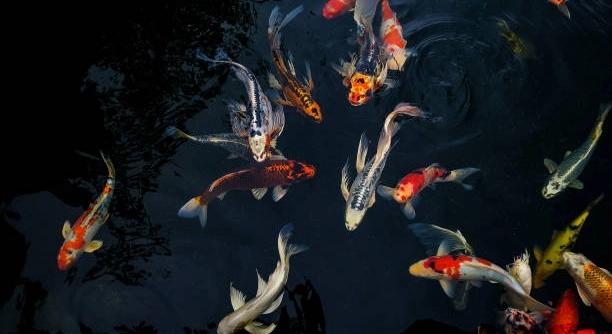
Koi fish are beautiful creatures that need the right space to thrive. When their environment is too small, it can affect their health and behavior. Knowing the signs of cramped living conditions helps keep them happy and healthy.
Overcrowded tanks or ponds limit the swimming space and oxygen available to koi, causing stress and stunted growth. Adequate room is essential for their physical development and overall wellbeing. Providing enough space reduces disease risks and promotes natural behavior.
Recognizing these signs early can improve your koi’s life significantly. The following clues will help you understand when it’s time to give your koi more room to flourish.
Slow Growth and Poor Health
Koi that don’t have enough space often grow slower than usual. When crowded, their ability to swim freely is limited, which can reduce their appetite and energy. Over time, this lack of exercise and stress can weaken their immune system. You might notice faded colors, lethargy, or even small injuries that don’t heal well. Without enough room, koi are more vulnerable to diseases, which can quickly spread in tight spaces. It’s important to watch for these signs early because poor health may be one of the first clues your koi need more room. Keeping their environment clean and spacious supports their natural growth and keeps them vibrant.
Smaller tanks can cause oxygen levels to drop, which also affects koi health and growth negatively.
Expanding their living space improves water quality and oxygen availability. Larger ponds help koi move naturally, boosting their immune systems and allowing them to develop bright colors. A roomy environment also reduces stress, so koi can live longer and healthier lives.
Frequent Aggression and Stress
Aggression among koi increases when they feel crowded. Without enough space to establish their own territory, koi can become more aggressive, chasing or nipping at each other. This stress can lead to injuries or weaker health. Crowded conditions make it hard for koi to find hiding spots or calm areas, increasing tension within the group. Even normally peaceful koi may show signs of stress like hiding or frantic swimming when their space is limited.
When koi display aggressive behavior regularly, it is often a sign they need more room to feel comfortable.
Ensuring your koi have plenty of space to swim and hide reduces stress and aggression. Larger ponds with plants or decorations create natural barriers, helping koi avoid conflicts. This peaceful environment supports better social behavior and lowers the risk of injury. Less stress means your koi will enjoy better health, vibrant colors, and more natural behaviors, making them a joy to watch.
Cloudy Water and Poor Filtration
Cloudy water often signals that the pond is too crowded. When many koi live in a small space, waste builds up quickly, making the water murky. Poor filtration struggles to keep up with the high waste levels, which can harm fish health.
In overcrowded ponds, excess waste increases ammonia and nitrate levels, creating a toxic environment. These harmful substances stress koi and weaken their immune systems. Even the best filters can become overwhelmed if the pond is too small for the number of fish. Maintaining clear water requires enough space to balance waste production and filtration capacity. Frequent water changes may be necessary, but giving koi more room helps prevent these problems naturally.
Keeping water clean is essential for koi health. A larger pond with proper filtration reduces waste buildup and keeps water clearer. This supports healthier fish and a more balanced ecosystem.
Limited Swimming Space
Koi need room to swim comfortably. When their pond is too small, they can’t move naturally, which affects their muscles and overall health. Cramped conditions limit exercise, causing weakness and stress.
Without enough space, koi may swim in circles or stay at the bottom. This unnatural behavior indicates discomfort. Proper swimming space allows koi to explore, play, and maintain strong muscles. It also helps reduce stress and aggression. Ensuring sufficient room lets koi show their natural grace and beauty. A well-sized pond supports both physical health and happy behavior, making koi more active and vibrant over time.
Changes in Behavior
Koi that feel cramped often act differently. They may hide more or swim nervously around the pond. These changes can show they are stressed or uncomfortable.
Stress from limited space can make koi less social and more withdrawn. Watching their behavior helps identify if they need more room.
Reduced Breeding Activity
Koi require enough space to engage in natural breeding behaviors. When crowded, they may stop spawning or show less interest in mating. Space allows for better movement and selection of mates, which supports healthy reproduction and population growth.
Uneven Growth
When koi live in tight quarters, some fish may grow slower than others. Limited space and competition for food can cause uneven sizes within the group, indicating the need for a larger environment.
FAQ
How much space does a koi fish need?
Each koi typically needs about 250 to 500 gallons of water, depending on its size. For a small group, a pond at least 1,000 gallons is recommended to allow plenty of swimming room and maintain water quality. More space reduces stress and supports healthy growth.
Why is overcrowding harmful to koi?
Overcrowding reduces oxygen levels and increases waste buildup, causing poor water quality. It limits koi movement, leading to stress, weaker immune systems, and a higher chance of disease. Crowded koi also compete for food, which can result in uneven growth.
Can koi survive in a small pond?
Koi can survive in small ponds but will not thrive. Small spaces lead to stress and health problems over time. Without enough room, koi may grow slower, show aggressive behavior, or develop illnesses due to poor water conditions.
How do I know if my koi need more space?
Look for signs like slow growth, faded colors, aggression, cloudy water, and unusual behavior. If koi hide often or swim nervously, it may mean the pond is too small. Uneven growth among fish also points to limited space.
What happens if koi don’t get enough room?
Koi without enough room often become stressed, weak, and more prone to infections. Their colors may dull, and they might stop breeding. Limited swimming space affects muscle development and overall vitality.
Can adding plants help if my pond is small?
Plants improve water quality by absorbing nutrients and providing hiding spots, which can reduce stress. However, plants do not replace the need for enough space. A crowded pond still needs to be enlarged to support koi health.
How often should I clean the pond in a crowded environment?
In a crowded pond, frequent water changes and cleaning are necessary—sometimes weekly—to manage waste buildup. Better filtration helps, but increasing pond size remains the best solution for long-term health.
Is it better to have fewer koi in a smaller pond?
Yes, fewer koi mean less waste and less competition for space. Keeping the number of koi appropriate for your pond size helps maintain water quality and reduces stress.
What size pond should I upgrade to if my koi need more room?
Upgrading to a pond that is at least double the current size usually works well. Aim for 1,000 gallons or more per koi if possible. This space helps maintain good water quality and gives koi plenty of room to swim.
Can koi adapt to crowded conditions over time?
Koi may seem to adjust, but crowded conditions cause ongoing stress and health issues. They don’t truly thrive in small spaces, so it’s better to provide a larger, healthier environment.
How can I reduce aggression without increasing pond size?
Adding hiding spots and visual barriers can help reduce conflicts. Feeding koi evenly and maintaining good water quality also lowers aggression. Still, space is the key factor to reduce aggressive behavior long-term.
Are there signs of stress I should watch for?
Yes, watch for hiding, frantic swimming, loss of appetite, pale colors, or injuries. These signs often mean koi are stressed and could benefit from more space or better water conditions.
What is the best way to expand a pond?
Expanding can mean digging a larger area, adding a tank, or connecting multiple ponds. Ensure filtration and aeration systems can handle the increased volume to keep water clean and oxygen-rich.
Do koi need space differently as they grow?
Yes, young koi need less room initially but grow quickly. Planning a larger pond or having a system to move them to bigger spaces as they mature is important to avoid overcrowding.
Koi fish are beautiful and peaceful animals that need enough space to stay healthy and happy. When their living area is too small, they can face many problems like stress, illness, and slow growth. It is important to recognize the signs that your koi may need more room so you can take action before their health suffers. Giving koi enough space helps them swim freely, reduces aggression, and keeps the water clean and balanced. This leads to a stronger immune system and more vibrant colors, which makes caring for them more rewarding.
Creating the right environment for koi means paying attention to the size of the pond and the number of fish living in it. Overcrowding causes water to get dirty quickly and makes it hard for the filtration system to work well. When koi live in a crowded space, their behavior changes—they may hide more, become aggressive, or stop breeding. These are clear signs that they are uncomfortable. By providing a larger pond or reducing the number of fish, you give your koi the chance to live longer and healthier lives. Keeping their home clean and spacious also lowers the chances of disease spreading and helps maintain a natural balance in the pond.
Taking care of koi involves more than just feeding them well. It requires creating a safe, roomy, and clean space where they can thrive. Watching how your koi act and looking for clues like slow growth, cloudy water, or unusual behavior will help you know when it’s time to make changes. Making these adjustments can improve their quality of life and bring you peace of mind. In the end, giving koi more room is one of the best ways to support their wellbeing and enjoy their natural beauty for years to come.

Hello,
If you enjoy the content that we create, please consider saying a "Thank You!" by leaving a tip.
Every little bit helps us continue crafting quality advice that supports the health, happiness, and well-being of pets around the world, for pets of all shapes, sizes, and species.
We really appreciate the kindness and support that you show us!