
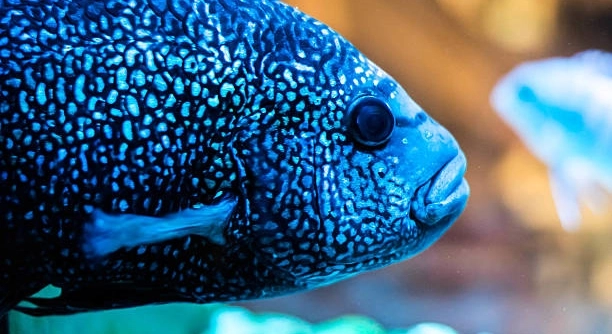
Jack Dempsey fish are known for their vibrant colors and lively personalities. Observing their behavior can reveal subtle changes when they are preparing to nest. Recognizing these early signs helps ensure a healthy and stress-free environment for them.
When a Jack Dempsey fish is ready to nest, it exhibits specific behaviors such as increased territoriality, digging in the substrate, cleaning flat surfaces, displaying bright coloration, and guarding potential spawning areas. These actions indicate readiness for reproduction and nest preparation.
Noticing these behaviors early allows you to support your fish effectively. Understanding their nesting habits can enhance their well-being and improve the chances of successful spawning.
Increased Territorial Behavior
When my Jack Dempsey started to nest, I immediately noticed how fiercely territorial he became. He would patrol the tank constantly, chasing any fish that came near. Even fish that had always been peaceful were suddenly treated as intruders. Rocks, plants, and decorations were carefully guarded, and he spent more time near the bottom of the tank than before. This shift in behavior is normal as the fish prepares for breeding. Territorial aggression is part of ensuring a safe environment for the eggs. Owners should avoid disturbing the tank during this time, as stress can affect nesting success. Adjusting the environment slightly, like adding hiding spots or rearranging decor, can help reduce tension. Feeding more frequently helps keep energy up. This behavior usually lasts until the eggs are laid and the fry are somewhat independent. Observing it closely gives insight into your fish’s readiness to nest.
Territorial displays indicate your Jack Dempsey is actively preparing a nest and establishing control over its surroundings.
Recognizing these actions early is crucial. The fish’s patrolling, chasing, and guarding are natural instincts aimed at securing a safe breeding area. Owners should maintain consistent conditions, avoid sudden changes, and minimize interference. Providing suitable hiding spots for other fish and monitoring tank health supports a smooth nesting process. Over time, the territorial behavior will lessen once eggs are laid and parental duties begin.
Digging and Substrate Rearrangement
Digging is a clear sign that nesting is imminent.
Your Jack Dempsey may start moving gravel, sand, or small stones across the tank floor. This behavior helps create a clean, flat surface for egg deposition. The fish may spend hours arranging the substrate to ensure the area is ideal. Watching the patterns, you may notice certain spots being prioritized over others. Cleaning specific areas shows careful selection for egg placement. Owners should avoid disturbing these zones, as interference can stress the fish and delay nesting. Additional substrate depth can encourage natural digging behavior, providing a more comfortable environment. Observing substrate activity can also signal readiness to mate, as the fish becomes increasingly focused on preparing the perfect nesting site. Proper lighting and minimal disturbance support this instinctive process.
Digging behavior shows active nest preparation and readiness for spawning.
Consistent observation reveals how much effort your fish invests in creating a safe area. This behavior combines instinctive patterns, physical activity, and environmental interaction. Changes in substrate, selection of flat surfaces, and repeated rearrangement all indicate prioritization of breeding readiness. Owners should maintain stable water conditions, avoid sudden movement, and ensure sufficient space around the chosen nesting area. Supporting this behavior can increase the likelihood of successful reproduction, as it aligns with the fish’s natural instincts. Keeping track of these activities helps anticipate spawning events and manage tank dynamics effectively, creating an environment conducive to healthy eggs and fry.
Brightened Coloration
Your Jack Dempsey will show more vibrant colors as nesting approaches.
The increase in coloration is noticeable on the body and fins, signaling readiness to attract a mate. I observed that his usual muted tones shifted to intense blues, greens, and golds. Bright coloration is linked to hormonal changes during breeding preparation. These visual cues also serve as communication with potential partners and a warning to other fish to stay away from the nesting area. Maintaining stable water quality and a balanced diet helps preserve these colors and supports overall health.
Vivid colors also indicate energy levels and confidence. The fish often displays flared fins while patrolling the tank, showing dominance over its territory.
Enhanced coloration reflects both physical health and reproductive readiness. Hormonal activity drives this change, making the fish more noticeable in its environment. In my experience, brightened colors coincide with increased activity around the nesting site. Other fish in the tank may respond by keeping distance, which further reinforces the nesting fish’s control over the area. Monitoring color changes helps anticipate spawning events and adjust tank care, ensuring the fish remains healthy throughout the nesting period.
Cleaning Flat Surfaces
Jack Dempseys often clean flat surfaces like rocks and tank walls before spawning.
I noticed my fish meticulously removing debris, scraping surfaces with its mouth, and circling chosen areas repeatedly. This cleaning ensures eggs have a secure and contaminant-free environment. The behavior can be persistent and requires minimal interference, as stress may disrupt the preparation. Clean surfaces indicate imminent spawning, and owners can observe without disturbing the process. Consistent monitoring helps track progress and readiness.
Maintaining clean surfaces supports egg adhesion and safety.
Cleaning behavior is deliberate and continuous, showing focus on reproduction. It involves careful selection of flat, smooth areas where eggs will adhere securely. In my tank, I saw repeated circling, nibbling, and rearranging of small debris, all aimed at perfecting the nesting site. Avoiding sudden movements, keeping water parameters stable, and minimizing other fish interference ensures the nest remains ready. This instinctive preparation increases the likelihood of successful fertilization and protects the eggs from fungal growth or displacement. Observing this behavior allows anticipation of spawning timing and helps maintain a calm, supportive environment for the Jack Dempsey.
Guarding the Nest
Your Jack Dempsey will stay close to the nesting area almost constantly.
He patrols the immediate surroundings, chasing any fish that come too near. Even minor disturbances in the tank can trigger aggressive displays. This behavior is protective and ensures the eggs remain safe from potential threats.
The fish’s attention rarely wavers.
Displaying Courtship Behaviors
During nesting, Jack Dempseys perform specific movements to attract a mate. My fish flared fins, shook its body gently, and circled the nesting site repeatedly. These actions signal readiness to spawn and communicate with a potential partner. Courtship behavior helps establish a bond and confirms reproductive intent. Observing this can indicate when mating will occur.
Reduced Appetite
I noticed my Jack Dempsey ate less during the nesting period.
This change is typical as energy shifts from normal feeding to preparing and guarding the nest. Reduced appetite can last several days until eggs are laid and initial care begins.
FAQ
How long does it take for a Jack Dempsey to start nesting?
In my experience, a Jack Dempsey usually begins showing nesting behavior a few weeks after reaching maturity. Factors like water temperature, tank setup, and diet influence the timing. I noticed mine became more territorial and started digging once conditions were stable and the tank felt secure. Maintaining consistent parameters encourages them to prepare without stress.
What tank conditions support nesting behavior?
Stable water temperature around 78–82°F and slightly acidic to neutral pH promote nesting readiness. I keep my tank well-filtered but avoid strong currents near the nesting area. Providing smooth flat surfaces, sandy or fine gravel substrate, and adequate hiding spots helps the fish feel secure. Minimal disturbances and proper lighting also contribute to successful nesting.
How can I tell if my Jack Dempsey has chosen a nesting site?
Watch for repeated substrate digging, cleaning of flat surfaces, and patrolling of a specific area. My fish would circle a flat rock or cleared patch constantly, guarding it from other tank mates. Brightened colors and flared fins around this spot usually accompany this selection, signaling readiness for spawning.
Is it normal for Jack Dempseys to become aggressive during nesting?
Yes. Territorial aggression is a natural instinct to protect the nest. I observed mine chase even peaceful tank mates when they came near the chosen area. Limiting interference, separating highly aggressive fish, and keeping the tank quiet reduces stress while allowing the nesting fish to carry out its natural behavior.
Do Jack Dempseys eat less when preparing to nest?
It is common for their appetite to decrease. My fish often ignored food for several days while focused on nest preparation. Energy is redirected toward digging, cleaning, and guarding. Providing small, frequent meals of high-quality food during this time supports energy levels without forcing feeding.
How long does the nest preparation last before eggs are laid?
Preparation can last from several days to over a week depending on the fish and conditions. I noticed mine spent most of the week rearranging substrate, cleaning surfaces, and performing courtship displays before eggs finally appeared. Patience is key, as forcing the process can disrupt nesting readiness.
Can other fish interfere with the nesting process?
Yes, other tank mates can stress the nesting pair or attempt to eat eggs. I usually provide hiding spots or separate highly curious or aggressive fish temporarily. Observing interactions helps determine whether intervention is needed to protect the nest without disturbing natural behavior.
Should I remove the eggs or let the parents care for them?
Jack Dempseys are attentive parents, cleaning and guarding the eggs diligently. I let mine care for the eggs, only monitoring for signs of stress or aggression that could threaten the clutch. Intervening is rarely necessary unless environmental conditions become unsafe.
What signs indicate successful fertilization?
Fertilized eggs appear slightly transparent with a visible embryo forming within a day. In my tank, the male continued guarding and fanning the eggs constantly, which is a positive sign. Unfertilized eggs often turn white or fuzzy, indicating fungal growth and the need for careful removal to prevent contamination.
When do the fry become independent?
Fry usually become free-swimming after 5–7 days. During this time, I noticed parents gradually reduce guarding intensity while continuing to protect the area. Providing small, nutritious food for the fry, like newly hatched brine shrimp, ensures healthy growth once they leave the nest.
How can I maintain a stress-free environment during nesting?
Stable water conditions, minimal tank disturbances, and avoiding sudden changes in lighting or temperature are essential. I also limit handling decorations or moving tank mates near the nest. This calm environment allows the Jack Dempsey to focus on nesting and caring for eggs naturally, improving the chances of successful reproduction.
Can multiple Jack Dempseys nest in the same tank?
They can, but it often increases territorial aggression. I found that housing more than one nesting pair requires a very large tank with distinct territories and plenty of hiding spaces. Monitoring interactions is necessary to prevent fights or disruption of nests, ensuring each pair can carry out normal behavior safely.
What diet supports nesting and egg health?
High-protein foods like pellets, frozen shrimp, and bloodworms help maintain energy and support reproductive readiness. I noticed feeding a consistent, nutrient-rich diet enhanced coloration and stamina during nesting. Avoid overfeeding, as uneaten food can deteriorate water quality, stressing both the parents and eggs.
How often should I monitor the tank during nesting?
Frequent but unobtrusive observation is best. I check the tank daily, noting behavioral changes, egg condition, and water parameters. Too much interference can stress the fish, while minimal monitoring ensures I can address potential problems early without disrupting natural behavior.
What is the role of the male versus the female during nesting?
The male usually guards the territory, chases intruders, and maintains the nest, while the female may stay close to deposit eggs and occasionally assist in cleaning. In my tank, both parents exhibited protective behavior, but the male was noticeably more aggressive and vigilant around the nesting site.
How long should I expect the parents to guard the fry?
Guarding continues for several days after the fry become free-swimming. I observed my Jack Dempseys actively defending the young for almost a week, fanning water and chasing intruders. This period gradually decreases as fry grow more independent and capable of feeding themselves.
Can nesting behavior be influenced by season or lighting?
Yes, longer daylight periods and stable temperature conditions can encourage breeding behavior. I noticed increased activity during periods when the tank received consistent lighting and warmth, simulating natural seasonal cues. Adjusting light gradually helps the fish respond naturally without sudden stress.
What should I do if aggression becomes extreme?
If aggression threatens other fish or the parents themselves, temporary separation or additional hiding spots can reduce conflict. I have occasionally used dividers to protect less aggressive tank mates while still allowing the nesting pair to maintain control over their territory safely.
Are there signs that a nest may fail?
Egg fungus, neglected cleaning, or constant aggression beyond normal levels can indicate problems. I check for discolored eggs and excessive stress in the parents. Maintaining water quality, stable conditions, and minimizing disturbances helps prevent nest failure.
How can I prepare for future spawning cycles?
Observing behavioral patterns from previous cycles helps predict timing and readiness. I maintain consistent diet, tank conditions, and substrate arrangements to encourage natural preparation. Recording observations on aggression, digging, and courtship helps anticipate needs for future nesting events.
What is the most common mistake owners make during nesting?
Interfering too much with the tank, moving decorations, or introducing new fish too soon often causes stress. I learned that patience and minimal interference produce the best results, letting the Jack Dempsey carry out natural nesting behaviors successfully while protecting eggs and fry.
Final Thoughts
Observing a Jack Dempsey as it prepares to nest can be both fascinating and challenging. Their behavior changes significantly during this period, from increased territoriality to digging, cleaning, and displaying brighter colors. These instinctive actions are driven by the need to protect eggs and ensure successful reproduction. I have noticed that even small disturbances, like moving decorations or introducing new fish, can stress them and disrupt nesting behavior. Maintaining stable water conditions, proper diet, and a calm environment is essential for supporting their natural processes. While some behaviors, such as aggression or reduced appetite, may seem concerning, they are normal and indicate the fish is fully focused on nesting. By understanding these changes, owners can anticipate the fish’s needs and create conditions that reduce stress and increase the chances of a successful breeding cycle.
Supporting a nesting Jack Dempsey requires careful observation and patience. It is important to avoid interfering unnecessarily, as the fish is highly protective of the chosen nesting area. Providing appropriate hiding spots, flat surfaces, and clean substrate helps the fish carry out its instinctive activities. I found that monitoring water parameters regularly and keeping feeding consistent allowed the fish to maintain energy for digging and guarding without overexertion. During this period, the fish may become less social with other tank mates and focus almost entirely on the nesting site. This behavior can seem extreme, but it is a natural part of the reproductive process. Understanding the significance of each action, from fanning eggs to chasing intruders, allows owners to appreciate the care the fish provides for its future offspring.
Once the eggs are laid and the fry begin to develop, the parents’ attention gradually shifts, but they continue to protect the area until the fry are free-swimming. Observing this process over time gives insight into their reproductive cycle and instincts. I noticed that creating a stable, low-stress environment allowed both the male and female to carry out their roles effectively, which ultimately improved the survival rate of the eggs. Paying attention to subtle signs like coloration, substrate activity, and cleaning behavior helps predict the timing of spawning and prepares the tank for the next stages of care. Overall, supporting a Jack Dempsey during nesting is about patience, observation, and providing conditions that respect the fish’s natural behaviors, ensuring both the fish and the offspring thrive.

Hello,
If you enjoy the content that we create, please consider saying a "Thank You!" by leaving a tip.
Every little bit helps us continue crafting quality advice that supports the health, happiness, and well-being of pets around the world, for pets of all shapes, sizes, and species.
We really appreciate the kindness and support that you show us!