
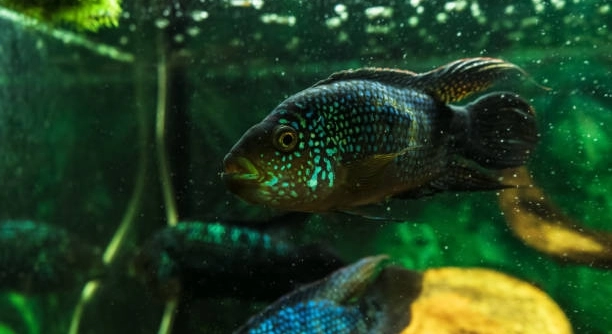
Do you ever notice your fish swimming erratically or hiding more than usual? Sometimes, aquariums that seem lively can actually be overwhelming for your fish, causing stress without you realizing it. Observing their behavior closely can help.
Fish become overstimulated when their environment contains excessive noise, light, movement, or frequent handling. This can lead to changes in swimming patterns, loss of appetite, aggression, or hiding, all of which indicate their stress levels are higher than normal.
Understanding these subtle signs can help you create a calmer, more balanced environment for your fish. Maintaining their well-being ensures a healthier and happier aquarium overall.
Rapid or Erratic Swimming
Fish that are overstimulated often swim quickly or change direction suddenly without reason. They may dart from one side of the tank to the other, bump into decorations, or swim near the surface in a panicked way. This behavior is a clear sign that they feel stressed by their environment. Overstimulation can be caused by too much activity around the tank, bright lighting, or sudden noises. Observing your fish regularly helps you notice these subtle changes before stress becomes severe. Making small adjustments, like reducing external movement or dimming lights, can make a noticeable difference in their behavior.
Erratic swimming is usually a direct response to environmental stress. Fish need stable conditions to remain calm and healthy.
Keeping the tank calm and predictable is key. Fish are sensitive to changes in their surroundings, and constant activity can overwhelm them. If they swim erratically for extended periods, it can lead to exhaustion or illness. Reducing noise, dimming lights, and limiting sudden movements near the tank can help them relax. Proper placement of hiding spots, plants, or decorations gives fish safe spaces to retreat. Even small changes, like adjusting filter flow or spacing out feeding times, can reduce overstimulation. Observing their swimming patterns over days or weeks allows you to track improvements. Overstimulated fish may also show other signs, such as loss of appetite or increased aggression, which reinforces the need to address environmental factors immediately.
Constant Hiding
Hiding for long periods is a sign that your fish feel stressed or unsafe. Overstimulated fish retreat to shelters or corners to escape excessive activity or bright lighting.
Persistent hiding can indicate stress from tankmates, water quality, or environmental changes.
When fish constantly hide, it often reflects discomfort in their surroundings. They may be avoiding aggressive tankmates, bright lights, or strong water currents. Providing ample hiding spots like caves, plants, or decorations can give them security. However, hiding should not be excessive. If they stay hidden most of the day, it may signal overstimulation that needs attention. Tank placement also matters; tanks near high-traffic areas or loud electronics can increase stress. Observing behavior in combination with other signs, like lack of appetite or erratic swimming, helps identify the root cause. Regularly monitoring water temperature, pH, and cleanliness ensures the environment remains comfortable. Adjusting lighting schedules, rearranging decorations, or providing shaded areas can encourage fish to explore more, reducing constant hiding. Over time, these changes improve both their physical health and natural behavior patterns, promoting a calmer tank environment.
Loss of Appetite
Fish that are overstimulated often eat less or refuse food altogether. Stress can affect their digestive system, making feeding times inconsistent.
A sudden drop in appetite is a strong indicator that your fish are experiencing stress or overstimulation. Even if the water parameters are ideal, environmental stressors like bright lights, loud noises, or aggressive tankmates can make them avoid food. Over time, this lack of nutrition can weaken their immune system and make them more vulnerable to illness. Monitoring feeding habits daily helps detect early signs of stress before it becomes severe. Adjusting the tank environment can encourage normal eating behavior.
It is important to respond quickly when appetite changes. Start by reducing external disturbances and providing shaded areas or hiding spots. Splitting feeding into smaller portions and observing which areas of the tank your fish feel comfortable eating in can help. Avoid overfeeding, as leftover food can pollute the tank and worsen stress. Consistency in feeding schedules combined with environmental adjustments often restores normal appetite. Keeping track of these patterns allows you to see improvements or notice further signs of stress.
Flashing or Rubbing Against Objects
Fish that flash or rub against decorations or the tank walls are often irritated by environmental stress. This behavior can indicate overstimulation or mild discomfort from water conditions.
Flashing is commonly caused by irritation from parasites, poor water quality, or overly bright lighting. Overstimulated fish may rub themselves repeatedly as a response to constant stressors, even if the water appears clean. Adjusting tank conditions, such as reducing light intensity, adding more hiding spots, or checking water parameters, often decreases this behavior. Some fish may also flash when startled by movement outside the tank, so limiting sudden disturbances can help.
Repeated flashing or rubbing can lead to injuries or infections if left unaddressed. Observing the frequency and context of this behavior is key. Begin by testing water for ammonia, nitrite, nitrate, and pH levels, as poor water quality is a common trigger. Adjust lighting or move the tank away from high-traffic areas to reduce stress. Ensuring tankmates are compatible and not overly aggressive can also minimize flashing. Over time, these interventions can reduce irritation and restore normal behavior, helping your fish feel safe and comfortable in their environment.
Gasping at the Surface
Fish that frequently come to the surface and gasp may be overstimulated or stressed. This can indicate they are struggling to get enough oxygen or feel uncomfortable in their environment.
Rapid or constant surface breathing often points to poor water circulation or excessive activity around the tank.
Clamped Fins
Clamped fins, where the fins are held tightly against the body, are a common sign of stress. Overstimulated fish often display this behavior when they feel unsafe or irritated by their surroundings.
This can occur due to bright lights, aggressive tankmates, or sudden disturbances near the tank. Clamped fins reduce mobility and make the fish more vulnerable, signaling the need for environmental adjustments.
Aggression Toward Tankmates
Overstimulated fish may become unusually aggressive. They might chase, nip, or intimidate other fish, showing signs of heightened stress and discomfort.
Careful observation of interactions and environmental factors can help reduce aggression and restore harmony in the tank.
How can I tell if my fish are overstimulated?
Overstimulation in fish shows up in several ways. Common signs include erratic swimming, hiding constantly, loss of appetite, flashing or rubbing against objects, clamped fins, gasping at the surface, and increased aggression toward tankmates. Observing their daily behavior is key. If you notice sudden changes, it is likely they are stressed.
Fish respond to changes in lighting, noise, water flow, and tankmate behavior. Even small disturbances like tapping the glass or moving around the tank too much can cause stress. Keeping a consistent routine and minimizing sudden changes can help your fish feel safe and reduce overstimulation.
What environmental factors cause overstimulation in fish?
Bright lights, strong water currents, loud noises, or frequent human activity near the tank can overwhelm fish. Tankmates that are aggressive or too active can also contribute to stress. Even well-meaning activities, like rearranging decorations often, can make fish anxious.
Water quality plays a large role in stimulation levels. Poor conditions, such as high ammonia, nitrite, or nitrate levels, low oxygen, or fluctuating temperature, can intensify stress. Fish that are comfortable in their surroundings are less likely to show overstimulation, so maintaining stable water parameters is essential. Using hiding spots, plants, and calm areas reduces stress by giving fish places to retreat.
A balanced tank setup is important. Avoid overcrowding and match species with similar temperaments. Some fish are naturally more sensitive and need quieter environments. Keeping these factors in mind allows you to create a calm, predictable space where fish can thrive.
Can overstimulated fish recover?
Yes, fish can recover if the stressors are removed or reduced. Recovery depends on how long they were overstimulated and their overall health. Providing a calm, stable environment is the first step. Reducing noise, adjusting lighting, and ensuring water quality are all necessary.
Adding plants, caves, or other hiding spaces helps fish feel secure. Feeding smaller, regular meals in areas where they feel safe encourages normal eating patterns. Avoid sudden movements near the tank and limit handling. Monitoring behavior over time lets you see improvements.
Recovery may take days to weeks. Consistency and patience are essential. Avoid introducing new stressors while they adjust. Fish that were previously hiding or clamped may gradually return to normal swimming and display more natural behaviors once conditions improve.
How can I prevent overstimulation in the future?
Creating a calm environment is key. Place the tank away from heavy traffic areas and reduce external noise. Adjust lighting to a comfortable level and avoid frequent changes. Avoid overcrowding and choose compatible tankmates to minimize aggressive interactions.
Maintaining water quality prevents stress from poor conditions. Test regularly for ammonia, nitrites, nitrates, and temperature. Use proper filtration and avoid overfeeding, as excess food can pollute the water. Adding plants or decorations provides safe spaces and reduces anxiety.
Consistency in feeding, lighting, and tank maintenance helps fish feel secure. Observing behavior daily allows you to notice small changes before they become serious problems. Over time, these measures prevent overstimulation and support overall fish health.
Are certain fish more sensitive to overstimulation than others?
Yes, some species are naturally more sensitive. Fish that are smaller, more timid, or come from calm habitats may be easily stressed by bright lights, active tankmates, or sudden movements. Aggressive or fast-moving species may tolerate more stimulation but can still experience stress if conditions are extreme.
Observing your fish’s natural behavior helps you create a suitable environment. For example, shy fish benefit from shaded areas and more hiding spots, while active fish may need more swimming space. Knowing species-specific needs ensures a balanced tank that reduces the risk of overstimulation.
Some fish also respond differently to human interaction. Regular, gentle observation helps them get used to your presence without becoming stressed. Providing a consistent, predictable routine keeps sensitive species comfortable and healthy.
Can overstimulation affect fish health long-term?
Chronic overstimulation can weaken the immune system, making fish more prone to illness. Prolonged stress can lead to loss of appetite, weight loss, slower growth, and even shorter lifespan. Behavioral changes like aggression or hiding can become persistent if the environment is not adjusted.
Immediate intervention prevents long-term effects. Adjusting environmental factors, providing hiding spaces, and maintaining stable water parameters allow fish to recover. Even minor changes in routine or tank setup can reduce stress.
Keeping a balanced, calm tank helps prevent recurring overstimulation and supports overall well-being. Fish that live in a predictable, comfortable environment show healthier behaviors, eat normally, and are more resilient to disease.
Is it normal for fish to show multiple signs at once?
Yes, overstimulated fish often display several signs simultaneously. For example, a fish may swim erratically, gasp at the surface, and hide at the same time. Multiple symptoms indicate a higher level of stress and a more urgent need for intervention.
Tracking patterns of behavior helps identify triggers. Adjusting one factor, such as lighting or tankmates, may reduce multiple symptoms at once. Observing how each fish responds to changes ensures that the environment is safe and comfortable for all tank inhabitants.
What should I do if I can’t identify the cause of overstimulation?
If the cause is unclear, start with basic environmental checks. Test water parameters, reduce lighting intensity, and observe tankmate behavior. Gradually eliminate potential stressors one at a time to see which change improves behavior.
Documenting behavior over several days can reveal patterns. Sometimes stress is caused by subtle factors, like vibrations, reflections, or sudden household activity. Providing consistent, calm conditions and plenty of hiding spots helps fish cope even when the exact trigger is unknown. Consulting with experienced aquarists or a veterinarian specializing in fish can provide additional guidance and solutions.
Total word count: 507
Overstimulation in fish is more common than many aquarists realize. Even in a well-maintained tank, too much light, noise, or activity can stress your fish. Stress doesn’t always look dramatic; sometimes it shows as small changes in behavior, like hiding more than usual or eating less. By paying close attention to these subtle signs, you can catch issues early before they become serious. Regular observation is essential because fish cannot tell us when something is wrong. Taking the time to notice changes in swimming patterns, appetite, or interactions with tankmates can help you maintain a healthy environment and ensure your fish feel safe and comfortable in their surroundings.
Creating a stable, calm environment is the most effective way to prevent overstimulation. Consistent water conditions, proper lighting, and compatible tankmates are all important. Even small details, like adding plants or decorations for hiding spots, can make a big difference. Fish need areas to retreat when they feel overwhelmed, and providing these spaces encourages natural behaviors. Overcrowding should be avoided because it increases stress and leads to competition for resources. Regular maintenance, including water testing and cleaning, also supports a stress-free environment. Predictable feeding schedules help fish feel secure, and minimizing sudden disturbances near the tank keeps them calm. These steps not only reduce overstimulation but also promote overall well-being, ensuring your fish are active, healthy, and more likely to display natural behavior patterns.
Understanding overstimulation helps you respond quickly when signs appear. Adjustments like dimming lights, reducing tank activity, or rearranging decorations may seem minor, but they can have a significant impact on your fish’s comfort. Some fish are naturally more sensitive than others, so observing their individual responses is important. Recovery may take time, and consistency is key. Once the environment is calm and stable, fish often regain appetite, return to normal swimming patterns, and show reduced signs of stress. Being proactive and attentive allows you to create a tank where fish thrive, enjoy their space, and maintain long-term health. Overstimulation can be managed effectively with patience, observation, and small changes that make a noticeable difference in their daily lives.
Word count: 417

Hello,
If you enjoy the content that we create, please consider saying a "Thank You!" by leaving a tip.
Every little bit helps us continue crafting quality advice that supports the health, happiness, and well-being of pets around the world, for pets of all shapes, sizes, and species.
We really appreciate the kindness and support that you show us!