
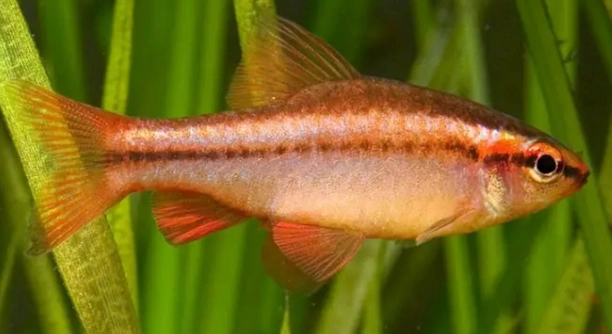
Are your barb tanks looking brighter than usual? Sometimes, bright lighting can have an impact on the health and behavior of your fish. It’s important to ensure that the lighting conditions are right for your aquarium’s environment.
Bright lighting can be harmful to your barb tank in several ways. Overly intense lighting can cause stress to the fish, increase algae growth, and affect the tank’s overall balance. It’s essential to maintain a moderate light intensity for their well-being.
Knowing how to regulate your tank’s brightness will help prevent long-term damage. Small adjustments can make a big difference in creating a comfortable and healthy environment for your barbs.
Light Intensity and Stress Levels
Bright lights in a tank may seem like a good idea to make your fish more visible, but this can actually create a lot of stress. Barbs, especially, tend to be more active during certain times of day, and excessive lighting can disrupt their natural rhythms. When the light is too intense or stays on too long, it can overwhelm your fish and lead to erratic behavior, including hiding or darting around the tank in an attempt to escape the harsh conditions.
Excessive light can also lower the oxygen levels in the water. Fish may have a harder time breathing and could even stop eating properly. This stress reduces their immune system, making them more susceptible to illness. A little consideration of light settings can go a long way in maintaining the health of your barbs.
Over time, constant stress can result in weakened immune systems, leaving your barbs vulnerable to diseases. This can lead to frequent illness, stunted growth, or even early death in extreme cases. By adjusting the light levels, your fish will be able to thrive and feel more at ease.
Algae Growth
With bright lighting, algae can grow quickly in your tank. Algae thrive under high light conditions, and if left unchecked, it can cover the decorations, rocks, and even the tank glass.
The presence of algae not only makes the tank look unappealing but also reduces water quality. The excess nutrients created by algae can make it harder to maintain the proper balance for your fish. The rapid growth can lead to excessive organic matter in the water, which may harm your barbs. Keeping light intensity under control helps prevent this issue.
Disrupting Natural Habits
Barbs are naturally active fish, but bright lights can throw off their regular behavior patterns. During the day, they typically feed, swim, and explore, but constant bright lighting can alter these rhythms. They may not rest properly, which affects their overall health.
A well-lit tank can confuse their natural sense of day and night, leading to a disruption in feeding and sleeping habits. Over time, this can result in decreased activity levels and improper feeding. Their behavior might shift, and they could even stop showing interest in the food you offer. When light cycles are too intense, your fish might experience irregular patterns that harm their well-being.
Keeping the light moderate lets them act naturally. This helps them adapt to a cycle of rest and activity, ultimately improving their health. It also allows your barbs to feel secure, leading to less stress and more consistent behaviors.
Impact on Tank Temperature
Bright lights can significantly increase the temperature in your tank. If your tank has a small volume of water, the heat from the lights can easily raise the water temperature, making it uncomfortable for your fish.
Barbs prefer a temperature range between 72-79°F (22-26°C). If the water temperature rises too much, it can cause stress, affecting their metabolism and overall health. The fish may become lethargic or more prone to diseases. Also, higher temperatures can lead to oxygen depletion, which worsens the problem. A more stable temperature helps your fish maintain a healthy balance in their environment.
To prevent overheating, you should adjust the light intensity or consider using a cooling system. Maintaining a stable temperature is key to your barbs thriving.
Effect on Fish Colors
Bright lighting can also affect the vibrant colors of your barbs. Overexposure to intense light may cause their colors to fade or become less pronounced. This is especially noticeable in species with vibrant markings or fins.
Barbs may have a natural glow or vivid colors that are part of their beauty. Too much light can stress the fish and cause their colors to dull over time. By adjusting the lighting, you can help your fish maintain their natural hues and bring out their true beauty.
Creating a more natural lighting environment allows your barbs to thrive without sacrificing their visual appeal.
Light Duration
The amount of time the lights stay on can also have a significant impact on your tank. Fish need a balance of light and dark to establish a healthy rhythm.
Keeping the light on for extended periods can confuse your fish’s natural sleep cycle. It’s important to stick to a consistent light schedule—around 8 to 12 hours a day—to keep your barbs healthy and stress-free. Shorter light periods ensure your fish get the rest they need while also maintaining proper lighting conditions for the tank’s plants.
Fish Behavior Changes
Barbs are active swimmers, but excessive light can cause them to act out of character. They may become more aggressive or overly cautious, constantly hiding in the corners of the tank.
With moderate light levels, barbs feel safe enough to swim freely. They show their true behavior, socializing with other fish and exploring their space. However, if the light is too bright, it leads to stress, causing the barbs to stay hidden or act aggressively towards tank mates. The key is finding a balanced light schedule to keep them calm.
FAQ
How much light is too much for my barb tank?
Barbs generally prefer moderate lighting, and anything too intense can cause stress. Typically, 8 to 10 hours of light per day is ideal for your tank. Bright light for too long can cause your barbs to feel exposed, leading to anxiety or hiding behaviors. If your barbs are constantly avoiding the light or appear sluggish, you may need to reduce the intensity or duration of your lighting. Aim to create a day-night cycle that mimics natural conditions to help your barbs feel comfortable and secure.
Can bright lights affect my barb tank’s plants?
Yes, bright lights can encourage excessive algae growth, which can outcompete your plants for nutrients. Algae thrive in bright, intense light and can cover your plants, blocking them from receiving the light they need. This can stunt their growth or cause them to die off. To strike a balance, consider adjusting your lighting to prevent algae buildup and maintain healthy plant life in the tank.
What is the best light color for my barb tank?
Barbs generally thrive under a full-spectrum light that mimics natural sunlight. Lights in the range of 6500K to 8000K are ideal, as they help bring out the fish’s natural colors without over-stimulating them. Blue or white light can enhance the barbs’ vibrant hues, while too much red or orange light may cause stress and affect their behavior. Make sure to avoid excessive light exposure, as it can still cause harm regardless of color.
How do I know if my barbs are stressed from the lighting?
Stressed barbs may display behaviors like hiding more frequently, swimming erratically, or avoiding other tank mates. If your fish are constantly darting around the tank or appear sluggish and lethargic, bright lights may be the cause. Stress can also lead to a loss of appetite and poor overall health. Observing your fish and adjusting the light levels accordingly is the best way to ensure they are comfortable and not suffering from light-related stress.
How can I reduce the light intensity in my tank?
There are several ways to reduce light intensity in your tank. One option is to use a dimmer switch or LED lighting with adjustable brightness settings. Another method is to use a shade or diffuser over the light to soften its effect. If you’re using incandescent lights, consider switching to LED bulbs, as they offer more control over the light intensity. Additionally, you can also regulate the amount of time the lights are on, ensuring your barbs get a balanced light-dark cycle.
Is it safe to leave the lights on 24/7?
Leaving the lights on 24/7 is not recommended for your barb tank. Fish need a consistent light cycle that mimics day and night, which helps regulate their sleep patterns and behaviors. Continuous light disrupts this natural cycle, leading to stress, sleep deprivation, and increased algae growth. It is important to establish a regular schedule for your aquarium lighting—typically 8-12 hours of light each day and the rest in darkness for the well-being of your fish and plants.
What kind of lighting is best for barbs in a tank with plants?
For a tank with both barbs and plants, you need a lighting setup that supports both the fish and the plant life. Use a full-spectrum light with adjustable intensity, usually in the 6500K to 8000K range. This lighting helps plants photosynthesize while being gentle enough for your barbs. You may also want to consider using a timer to regulate the lighting and ensure that your plants receive the proper amount of light each day without overstimulating the fish.
Can changing the lighting help with algae control?
Yes, controlling the lighting is one of the most effective ways to prevent algae overgrowth. Algae require light to grow, and by limiting the intensity or duration of light, you reduce the chances of algae taking over. Regular water changes, proper filtration, and a balanced light schedule can help maintain a healthy tank environment. By controlling light exposure, you not only prevent algae but also ensure your fish stay comfortable.
How often should I change the lighting in my barb tank?
Over time, aquarium lights lose their intensity. If you’re using fluorescent lights, you should replace them every 6 to 12 months, depending on their usage. LED lights can last much longer, but it’s still a good idea to replace them every 1-2 years to maintain optimal lighting levels. Dimming or adjusting the light gradually can also help your barbs adjust and prevent light shock.
Can light stress affect my barbs’ immune system?
Yes, stress caused by excessive lighting can weaken your barbs’ immune system. When barbs are constantly exposed to harsh or bright lighting, they may become stressed, and chronic stress can make them more vulnerable to diseases. Reducing the light intensity and providing a more stable light cycle can help reduce stress, which in turn supports your fish’s immune health and overall well-being.
Final Thoughts
Finding the right balance when it comes to lighting in your barb tank is crucial. While bright lights can make the aquarium look more vibrant, they can cause stress and discomfort for your fish. Barbs, like most fish, need a natural light cycle to feel secure and healthy. Intense or prolonged exposure to light can interfere with their natural behaviors, disrupt their sleep patterns, and even weaken their immune systems. A moderate, consistent lighting schedule is the best way to help your fish thrive.
Aside from the effects on fish behavior, bright lighting can also cause issues with algae growth. Algae love excessive light and can quickly take over the tank, affecting both the appearance and the overall water quality. If left unchecked, algae can crowd out the plants and create an unhealthy environment for your barbs. Keeping the light at a moderate level and adjusting it as needed will prevent algae from becoming a bigger problem, making it easier to maintain a clean and healthy tank for your fish.
In the end, making small adjustments to your tank’s lighting can lead to big improvements in your barbs’ health and happiness. By providing them with a light cycle that mimics their natural environment, you’ll help them feel more comfortable, reduce stress, and create a balanced, thriving aquarium. Whether it’s regulating the intensity of the light, limiting the hours of exposure, or using a gentle lighting system, your barbs will thank you by being more active and vibrant. Always monitor their behavior and make adjustments as needed to ensure that your tank is the best home for them.

Hello,
If you enjoy the content that we create, please consider saying a "Thank You!" by leaving a tip.
Every little bit helps us continue crafting quality advice that supports the health, happiness, and well-being of pets around the world, for pets of all shapes, sizes, and species.
We really appreciate the kindness and support that you show us!