
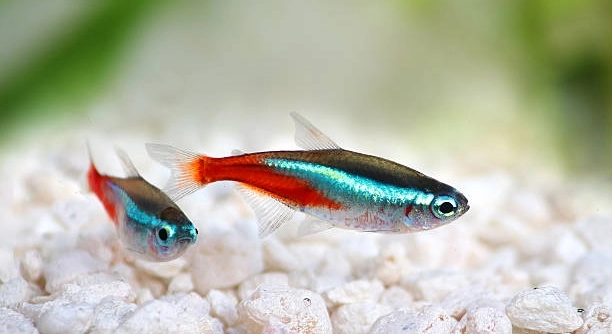
Tetras are popular aquarium fish known for their vibrant colors and peaceful nature. Keeping them healthy is important for any fish enthusiast. Recognizing early signs of illness can help prevent serious problems in your tank.
Signs that tetras are getting sick include changes in behavior, such as lethargy or loss of appetite, visible physical symptoms like faded colors or spots, and abnormal swimming patterns. These indicators suggest that immediate care is necessary to support their recovery.
Knowing these clues can improve your ability to care for your tetras. Understanding the signs ensures their well-being and keeps your aquarium thriving.
Changes in Behavior
When tetras begin to feel unwell, their behavior often changes first. They may become less active, hiding more than usual or resting at the bottom of the tank. A healthy tetra usually swims energetically and interacts with other fish, so any sudden lethargy is a warning sign. Another key behavior change is loss of appetite. If your fish suddenly stops eating or shows little interest in food, it could mean something is wrong. These signs might be subtle at first, but they usually grow more obvious over time. Early detection is important because behavioral changes often happen before visible symptoms appear. Watching your fish regularly helps catch these early signs, making treatment more effective.
Lethargy and appetite loss in tetras often signal underlying health problems. Quick action can prevent the condition from worsening.
Watching how your tetras behave daily provides insight into their health. Being attentive allows you to notice small changes that could save their lives.
Visible Physical Symptoms
Physical symptoms can clearly indicate that your tetra is sick. Common signs include faded or dull colors, which mean the fish is not in good health. Look for white spots or patches on the body or fins, which can be signs of infections like ich. Torn or clamped fins also show that something is wrong. Swelling or bloating in the abdomen may suggest internal issues such as parasites or constipation. These symptoms are often accompanied by changes in breathing, such as rapid gill movement. It’s important to isolate sick fish to prevent spreading illness to others in the tank. Observing your fish closely every day makes it easier to spot these symptoms early and provide necessary care before the condition worsens.
Keeping an eye on physical signs can help you catch illness early and improve your tetra’s chances of recovery.
Abnormal Swimming Patterns
Tetras swimming erratically or struggling to maintain balance often indicate illness. This behavior is a sign that something is wrong internally.
Erratic swimming includes darting quickly, spinning, or crashing into objects. These movements can result from infections affecting the nervous system or swim bladder problems. Swim bladder disorder causes the fish to lose control of its buoyancy, making it difficult to swim properly. Stress or poor water quality may also contribute to these symptoms. Monitoring your tank’s environment and water parameters can help prevent these issues. If abnormal swimming appears, it’s important to act quickly by checking water quality and isolating the fish to avoid spreading disease.
Proper care includes maintaining clean water, regular tank checks, and observing any sudden changes in swimming habits. Early response improves the chances of recovery and keeps other fish safe.
Rapid Gill Movement
Rapid gill movement is often a sign of distress or poor water quality. It shows that the tetra is struggling to get enough oxygen.
When tetras breathe quickly, it usually means low oxygen levels in the tank or irritation caused by ammonia or nitrites. Overcrowding, poor filtration, or infrequent water changes can increase harmful chemicals, making it harder for fish to breathe. This condition stresses the fish and weakens their immune system, leaving them more vulnerable to disease. Ensuring good aeration and keeping water clean are essential to prevent these problems. If rapid gill movement continues, it is necessary to test water quality and improve conditions immediately to avoid serious health issues.
Clamped Fins
Clamped fins happen when a tetra holds its fins close to its body instead of spreading them out. This is a common sign of stress or illness.
Fins may appear tight and less vibrant. This condition often precedes other symptoms and should not be ignored.
Loss of Color
A sick tetra often loses its bright colors, becoming dull or pale. This change can result from stress, poor water quality, or disease. Color loss signals that the fish’s health is compromised and needs attention to prevent further decline.
Isolation from Other Fish
When a tetra isolates itself from the group, it usually means the fish is feeling unwell or stressed. Healthy tetras are social and swim together, so separation is a clear warning sign that something is wrong.
FAQ
How can I tell if my tetra is sick?
Signs include changes in behavior like lethargy, loss of appetite, clamped fins, faded colors, abnormal swimming, and rapid gill movement. Observing your fish daily helps spot these symptoms early.
What causes tetras to get sick?
Illness often results from poor water quality, overcrowding, sudden temperature changes, or infections. Stress weakens their immune system, making them more vulnerable to disease.
How often should I check water quality?
Testing water weekly is ideal. Monitor ammonia, nitrite, nitrate, and pH levels. Keeping these stable prevents many health problems in tetras.
Can I treat sick tetras at home?
Yes, mild illnesses can be treated by improving water conditions, isolating the fish, and using appropriate medications available at pet stores. Follow dosage instructions carefully.
What is the best quarantine process?
Move the sick fish to a separate tank with clean, stable water. Monitor it closely and treat as needed. Quarantine prevents spreading disease to other fish.
How do I prevent illness in my tank?
Regular water changes, avoiding overfeeding, not overcrowding, and keeping a clean tank environment reduce disease risk. Proper filtration and stable temperature are also important.
When should I call a vet or expert?
If symptoms worsen despite treatment or you notice severe signs like heavy breathing, severe swelling, or constant hiding, seek professional advice. Early intervention improves outcomes.
Can diet affect tetra health?
Yes, a balanced diet supports their immune system. Feed high-quality flakes or pellets and supplement with occasional live or frozen foods for variety and nutrition.
What is swim bladder disorder?
It affects buoyancy, causing abnormal swimming like floating or sinking. It may result from infections, constipation, or injury. Proper care and treatment can improve the condition.
How do I recognize ich?
Ich shows as tiny white spots on the body and fins, along with scratching against objects. It’s a common parasite that needs prompt treatment with medication and improved tank conditions.
Final Thoughts
Keeping tetras healthy requires close attention to their behavior and appearance. Early signs of illness are often subtle, so regular observation is important. Changes like loss of appetite, clamped fins, or faded colors should not be ignored. These clues can help catch problems before they become severe. Healthy tetras are active, colorful, and swim smoothly. Noticing anything unusual early makes treatment easier and increases the chance of recovery.
Maintaining good tank conditions plays a major role in preventing sickness. Clean water, proper filtration, and stable temperature are essential for keeping fish healthy. Overcrowding and poor water quality create stress, which weakens their immune system. Regular water tests and water changes help avoid harmful buildup of toxins like ammonia and nitrites. Feeding a balanced diet also supports their health. When all these factors are controlled, tetras are less likely to get sick and can live longer, happier lives.
If illness does occur, acting quickly is key. Isolate the sick fish to protect others and check water quality immediately. Research the symptoms and use suitable treatments, whether medication or adjustments to the environment. Patience is important as fish may take time to recover fully. Keeping a close eye on their progress helps identify if further action is needed. With careful care and attention, it is possible to manage most common health problems and help your tetras thrive.

Hello,
If you enjoy the content that we create, please consider saying a "Thank You!" by leaving a tip.
Every little bit helps us continue crafting quality advice that supports the health, happiness, and well-being of pets around the world, for pets of all shapes, sizes, and species.
We really appreciate the kindness and support that you show us!