
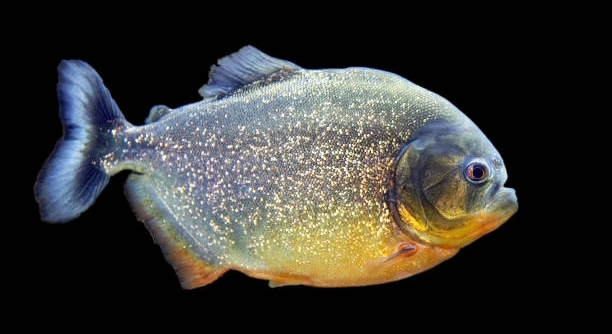
Piranhas are often seen as fierce predators lurking beneath the water’s surface. Their sharp teeth and swift movements make them creatures to watch carefully. Understanding their behavior can reveal subtle signs that these fish are aware of your presence.
Piranhas observe their environment constantly for threats and opportunities. Their keen eyesight and lateral line system enable them to detect movement and vibrations, indicating when someone is nearby. This vigilance helps them respond quickly to protect themselves or hunt.
Recognizing these signs can improve safety around piranha habitats and deepen understanding of their natural behavior. The clues discussed highlight how attentive these fish really are.
How Piranhas React to Movement
Piranhas rely heavily on their vision to detect changes in their surroundings. When something moves nearby, their eyes quickly focus on the motion. This sensitivity helps them identify potential prey or threats from a distance. If you wave your hand or make sudden movements near the water, piranhas often respond by becoming alert or swimming closer to investigate. Their reactions can be swift, but they usually avoid unnecessary confrontation. This behavior reflects their need to protect their territory while also searching for food. Observing how piranhas react to movement offers insight into their cautious yet curious nature. It also explains why they seem to “watch” anyone close to their habitat, especially if the person disturbs the water.
Piranhas’ quick response to movement helps maintain their safety and efficiency in hunting. They use this ability to stay aware without wasting energy.
Their sharp vision combined with heightened sensitivity to motion allows piranhas to track underwater activity effectively. This tracking is crucial for survival in competitive environments where food and space are limited. By noticing even small disturbances, piranhas can assess if an area is safe or if they need to act. This natural vigilance explains why they seem attentive and constantly watchful around humans or other animals near their habitat.
The Role of the Lateral Line System
The lateral line system is a key sensory organ in piranhas. It detects vibrations and pressure changes in the water, alerting them to nearby movement. This system works like an underwater radar, helping piranhas sense things they cannot see directly. It is especially useful in murky or dark water where visibility is low. The lateral line enables piranhas to pick up on subtle changes caused by footsteps, swimming, or objects falling into the water.
This sensitivity to vibrations enhances their ability to locate prey or avoid danger even when vision is limited.
The lateral line system consists of a series of tiny receptors along the sides of the fish’s body. These receptors send signals to the brain, which processes the information about water movements. This allows piranhas to form a clear picture of their environment without relying solely on sight. In nature, this system gives them an advantage in hunting and avoiding predators. It also explains why piranhas appear to be constantly monitoring their surroundings, including any humans nearby. The combination of sharp eyesight and the lateral line makes piranhas highly aware creatures.
Signs Piranhas Follow Your Movements
Piranhas use a combination of senses to track movement both above and below the water. Their alertness to small disturbances often means they seem to follow your actions closely.
Piranhas detect changes in water pressure and movement using their lateral line system, allowing them to sense even subtle shifts. When you move near the water’s edge, the ripples and vibrations alert these fish to your presence. This sensory ability helps them monitor potential threats and food sources. Even slight movements, such as a splash or dropped object, can catch their attention and cause them to swim closer to investigate. This behavior is part of their survival instinct, keeping them prepared and cautious.
Tracking movements with both sight and the lateral line allows piranhas to respond quickly and efficiently. Their vigilance in following movements is a defense mechanism that helps them survive in competitive aquatic environments.
Piranhas’ Group Behavior
Piranhas are social fish that tend to swim in schools, which increases their awareness. Being in groups allows them to detect threats faster and coordinate their responses.
Schooling behavior enhances their ability to watch over a wide area by pooling sensory information from many individuals. If one piranha notices a change, others quickly become alert as well. This collective vigilance helps the group respond effectively to danger or food. It also explains why piranhas appear to be watching people or animals near the water together, not just individually. The group dynamic creates a strong defense system, making them less vulnerable. This social nature makes their “watching” more noticeable and persistent around potential intruders.
Piranhas Use Eye Contact
Piranhas often lock eyes with nearby creatures to assess potential threats. This direct eye contact is a form of communication that signals awareness.
By maintaining eye contact, piranhas gather information about intentions. It can deter intruders or help the fish decide how to respond, either by fleeing or confronting.
Water Disturbances Signal Attention
When piranhas sense ripples or splashes, they quickly focus on the source. These disturbances indicate movement, prompting them to become alert and investigate.
Alert Posture Shows Vigilance
Piranhas adopt a more rigid, upright swimming posture when closely watching something. This posture readies them to react immediately to any sudden changes in their environment.
FAQ
Why do piranhas seem to watch humans closely?
Piranhas watch closely because they are cautious and alert by nature. They rely on their senses to detect possible threats or food sources. When humans approach their habitat, the fish pick up on movements, vibrations, and changes in water pressure. These signals cause piranhas to focus on the source to understand whether it is dangerous or worth investigating.
Are piranhas aggressive toward people?
Piranhas are generally not aggressive unless provoked or threatened. Most species prefer to avoid conflict and will only attack if they feel cornered or if food is scarce. Their alertness and watching behavior are mainly defensive, meant to protect their territory. Attacks on humans are rare and often exaggerated.
Can piranhas recognize individual humans?
Piranhas do not have the capacity to recognize individual humans. Their watching behavior is triggered by movement and environmental changes rather than familiarity. They respond to stimuli like splashes or vibrations rather than identifying specific people.
Do piranhas watch more when hungry?
Yes, piranhas tend to be more alert and watchful when hungry. Hunger increases their motivation to find food, making them more attentive to movements or disturbances that might signal prey nearby. This heightened alertness helps them respond quickly to feeding opportunities.
Is it safe to swim where piranhas live?
Swimming in waters inhabited by piranhas carries some risk but is often safe if proper precautions are taken. Avoid sudden movements, splashing, or disturbing the water near piranha groups. It is best to avoid swimming during feeding times or in areas where piranhas are known to gather densely.
How do piranhas communicate while watching?
Piranhas use body language, swimming patterns, and occasional sounds to communicate. When watching, they may swim in tight schools or adopt alert postures to signal caution. These signals help coordinate group responses to threats or food sources.
Can piranhas sense humans through vibrations?
Yes, piranhas are highly sensitive to vibrations in water through their lateral line system. This sensory organ detects even subtle changes in water pressure caused by nearby movement. Vibrations from footsteps, swimming, or objects falling into the water alert piranhas to a potential presence.
Why do piranhas sometimes swim closer when watching?
Swimming closer allows piranhas to better assess the situation. It helps them gather more sensory information through vision and the lateral line. This cautious approach minimizes risk while maximizing their understanding of what or who is nearby.
Do piranhas watch other animals as closely as humans?
Piranhas watch other animals with the same level of attention as humans when those animals enter their territory. Their behavior is driven by survival instincts to monitor all possible threats or prey. Any disturbance in their environment triggers their watchful nature regardless of species.
How long do piranhas watch before reacting?
The length of time piranhas watch depends on the situation. They may observe for several seconds to gather enough information before deciding to flee, attack, or ignore. Their reactions are based on evaluating the risk or opportunity presented by the disturbance.
What does it mean when piranhas stop watching?
When piranhas stop watching, it usually means they have assessed the situation as non-threatening or uninteresting. They return to normal behavior once the stimulus disappears or proves harmless. This shift indicates their ability to conserve energy by not maintaining constant alertness.
Are there specific times when piranhas watch more?
Piranhas tend to be more watchful during feeding times or when their territory is disturbed. Early morning and late afternoon are often active periods when they monitor their surroundings more closely. Increased vigilance during these times improves their chances of survival and successful hunting.
Final Thoughts
Piranhas are often misunderstood creatures, largely because of their reputation for aggression. In reality, their behavior is driven by survival instincts that make them highly alert and watchful. The way they follow movements, maintain eye contact, and react to water disturbances is part of their natural response to potential threats and opportunities. Understanding these behaviors helps clarify why piranhas seem to be watching you when near their environment. It is not out of curiosity or malice, but a survival mechanism rooted in sensing and evaluating their surroundings carefully.
Their social behavior also plays a key role in how they observe. Piranhas swim in schools, which increases their collective awareness. This group dynamic means they share information quickly and respond as a unit to any changes. The presence of multiple piranhas watching intensifies the feeling of being observed. Their schooling instinct not only protects individual fish but also helps the whole group detect danger faster and coordinate defense or feeding. Recognizing this helps explain why piranhas’ watching behavior is persistent and noticeable around people or animals near the water.
Being aware of piranhas’ natural behaviors is important for anyone spending time near their habitat. These fish watch and react mainly to movement, vibrations, and other signals that suggest something is close by. Taking care not to disturb the water unnecessarily can reduce unwanted attention from piranhas. While their reputation often causes fear, knowing the facts about their watching behavior can lead to a better understanding and safer coexistence. Observing piranhas from a respectful distance allows appreciation of their unique survival strategies without unnecessary risk or misunderstanding.

Hello,
If you enjoy the content that we create, please consider saying a "Thank You!" by leaving a tip.
Every little bit helps us continue crafting quality advice that supports the health, happiness, and well-being of pets around the world, for pets of all shapes, sizes, and species.
We really appreciate the kindness and support that you show us!