
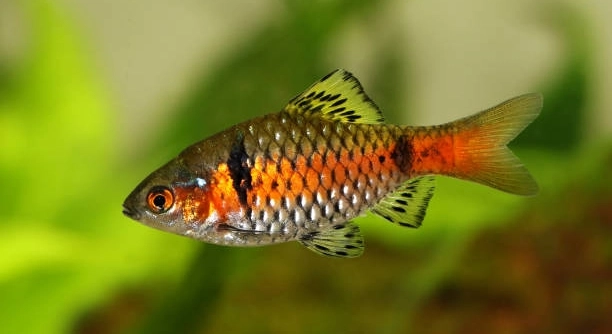
Rosy barbs are popular freshwater fish known for their bright colors and active behavior. Many hobbyists enjoy keeping them in home aquariums because they add life and movement. However, these fish can sometimes become overstimulated, showing signs that need attention.
Overstimulation in rosy barbs occurs when they are exposed to excessive environmental stimuli such as constant movement, loud noises, or overcrowded tanks. This can lead to stress, erratic swimming, loss of appetite, and weakened immune responses, affecting their overall health and wellbeing.
Recognizing these signs early helps ensure your rosy barbs stay healthy and comfortable in their environment. The following clues will guide you to better understand their needs and maintain a balanced aquarium.
Excessive Swimming and Erratic Movements
When rosy barbs become overstimulated, one of the first signs you might notice is excessive swimming. They may dart around the tank quickly or swim in a restless, erratic pattern. This behavior is usually a response to stress or agitation caused by sudden changes in their environment. For example, bright lights, loud noises, or the presence of other aggressive fish can trigger this reaction. Over time, constant rapid movement can tire the fish and make them more vulnerable to illness. It’s important to observe how your barbs swim and look for changes in their normal activity levels. Providing a calm and stable environment can help reduce this kind of overstimulation and keep your fish swimming comfortably.
Erratic swimming is a clear sign that your rosy barbs need a quieter, less stressful environment.
Watching your rosy barbs closely when they swim helps catch overstimulation early. Try dimming the lights or reducing sudden noises around the tank. Make sure their tank isn’t overcrowded, as too many fish can cause stress and chaos. Providing plenty of hiding spots with plants or decorations gives them places to retreat when feeling overwhelmed. If you notice frantic swimming often, consider rearranging the tank setup to create a calmer space. Regular maintenance and keeping water conditions stable also play a key role in reducing stress. A peaceful environment helps rosy barbs feel safe, which keeps their movements smooth and natural.
Loss of Appetite and Changes in Eating Habits
A sudden loss of appetite is a common reaction in overstimulated rosy barbs. When fish feel stressed, they often eat less or stop eating altogether. This behavior can quickly lead to health problems if not addressed. It’s important to monitor how much your fish are eating and note any changes. Sometimes, they might hide and refuse food, or spit it out after taking it. Stress affects their digestion and overall energy levels, so providing a calm space will encourage them to eat normally again.
Not eating well is a strong indication your rosy barbs need less stimulation.
When rosy barbs lose interest in food, it can be worrying. Overstimulation causes stress hormones to rise, which can reduce their appetite and weaken their immune system. This makes them more prone to diseases and infections. To help your fish recover, avoid sudden changes in their tank environment and keep feeding times consistent. Use high-quality food that suits their needs and feed smaller amounts several times a day. Watching for other signs like lethargy or unusual behavior alongside appetite loss is important. Keeping the water clean and at the right temperature supports their recovery. If appetite loss continues, consulting a vet or fish specialist may be necessary. Being patient and attentive will improve your rosy barbs’ health and mood.
Faded Colors
When rosy barbs are overstimulated, their bright colors often start to fade. This dulling can be a sign of stress and poor health, signaling that something is wrong in their environment.
Faded colors happen because stress affects the fish’s ability to produce pigments properly. When they feel threatened or uncomfortable, their bodies divert energy to survival rather than maintaining vibrant colors. Poor water quality, overcrowding, or constant disturbances can all contribute to this. If you notice your rosy barbs looking less colorful, it’s important to check the tank conditions immediately. Adjust lighting, reduce noise, and ensure proper filtration to help them regain their natural glow. Healthy fish show off bright, clear colors that reflect their wellbeing.
Color loss often goes hand in hand with other stress signs. Along with fading, you might see barbs hiding more or behaving less actively. This signals a need for a calmer, cleaner tank environment. Avoid sudden changes and maintain a steady routine to support color recovery. Feeding a balanced diet with proper nutrients can also boost their coloration and overall health.
Clamped Fins
Clamped fins are when rosy barbs hold their fins close to their bodies instead of spreading them out normally. This behavior usually indicates discomfort or stress.
Fins that stay tight against the body reduce the fish’s ability to swim freely and signal that they are feeling threatened or unwell. Overstimulated fish often clamp their fins to protect themselves, especially when exposed to noisy surroundings or aggressive tank mates. Watching your fish for this behavior helps catch stress early. It can also be linked to poor water quality or sudden temperature changes, both of which need quick attention. Keeping stable tank conditions helps prevent fin clamping.
To help your rosy barbs relax, try lowering the tank’s noise and avoiding overcrowding. Regular water tests and gentle filtration improve their comfort. Ensuring a peaceful environment with plenty of hiding spots lets them feel safe. If fin clamping lasts too long, it might indicate illness, so monitoring other symptoms is important. Taking these steps will support your fish’s recovery and keep their fins healthy and open.
Hiding More Than Usual
Overstimulated rosy barbs often hide more than they usually do. They seek shelter to feel safe from what is stressing them.
This increased hiding is a sign they want to avoid further disturbance. It’s important to provide enough hiding spots and reduce stressors in the tank.
Rapid Gill Movement
Rapid gill movement in rosy barbs can indicate stress or difficulty breathing. Overstimulation causes them to breathe faster as their bodies react to discomfort.
This symptom often links to poor water quality or overcrowding. Regular water checks and proper tank maintenance are essential to keep gill function normal and fish calm.
Restlessness
Restlessness in rosy barbs shows when they swim continuously without settling. It’s often caused by too much stimulation in their environment.
Restlessness can tire them and lower their resistance to diseases, so managing the tank atmosphere is key to their wellbeing.
How can I tell if my rosy barbs are overstimulated?
Signs of overstimulation include erratic swimming, faded colors, loss of appetite, clamped fins, and increased hiding. You might also notice rapid gill movement or restlessness. These behaviors show your fish are stressed, and their environment needs adjusting. Watching your fish daily helps catch these early.
What causes overstimulation in rosy barbs?
Overstimulation usually comes from noisy surroundings, overcrowded tanks, sudden changes in lighting, or aggressive tank mates. Poor water quality or inconsistent temperature can also stress your fish. These factors combined make it hard for rosy barbs to feel safe and comfortable.
Can overstimulation make my rosy barbs sick?
Yes, stress weakens their immune system, making them more prone to infections and diseases. Overstimulated fish may develop fin rot, swim bladder problems, or skin issues if the causes aren’t addressed quickly. Keeping stress low helps prevent illness.
How do I reduce overstimulation in my tank?
Create a calm environment with stable water conditions. Limit noise near the aquarium and avoid overcrowding. Provide hiding spots with plants or decorations for the fish to retreat. Maintain consistent lighting and feeding schedules. Regular cleaning and water changes are important too.
Is it normal for rosy barbs to hide sometimes?
Yes, hiding is normal occasionally, especially when resting or feeling shy. However, if hiding increases significantly, it’s often a sign of stress or overstimulation. If your barbs are hiding most of the time, check their environment for possible problems.
What should I do if my rosy barbs stop eating?
Loss of appetite is a serious sign of stress. Check water quality first, as poor conditions often cause this behavior. Reduce disturbances and avoid changing tank setups suddenly. Offer high-quality food in small amounts. If appetite doesn’t improve, consider consulting a specialist.
Can overcrowding cause overstimulation?
Definitely. Too many fish in one tank lead to competition for space, food, and oxygen. This makes fish stressed and restless. A good rule is to follow recommended tank sizes and avoid adding too many barbs or other species.
How often should I test my tank water?
Testing water once a week is ideal to catch changes early. Check parameters like ammonia, nitrites, nitrates, pH, and temperature. Keeping these stable is key to preventing stress in rosy barbs and other fish.
Will adjusting the lighting help overstimulated rosy barbs?
Yes. Bright or flickering lights can scare and overstimulate fish. Use moderate, consistent lighting and provide shaded areas with plants or decorations. This creates a comfortable space and reduces stress.
Are aggressive tank mates a problem?
Aggressive fish can harass rosy barbs, causing stress and injury. Keep compatible species together and watch for bullying behavior. Removing or separating aggressive fish can improve your barbs’ wellbeing quickly.
How long does it take for rosy barbs to recover from overstimulation?
Recovery time varies depending on the cause and severity. With proper care—stable water, calm environment, and good nutrition—improvements often show within a few days to weeks. Patience and consistent care are important for full recovery.
Can diet affect how my rosy barbs handle stress?
Yes, a balanced diet rich in vitamins and minerals supports their immune system and resilience. Feeding a variety of quality flakes, pellets, and occasional live or frozen foods helps keep them healthy and better able to cope with stress.
What role does tank decoration play in reducing overstimulation?
Decorations provide hiding spots and break up the tank space, giving fish places to feel secure. Plants, rocks, and caves help reduce stress by offering shelter and visual barriers from disturbances or aggressive fish.
Should I separate overstimulated rosy barbs from others?
Separating them can be helpful if certain fish cause stress through aggression or competition. A quarantine or recovery tank offers a quiet place to heal. However, rosy barbs are social, so avoid long isolation to prevent loneliness.
Can temperature changes cause overstimulation?
Yes, sudden or frequent temperature swings stress rosy barbs. Keep the water temperature steady, usually between 64–72°F (18–22°C), to maintain comfort and health. Using a reliable heater and thermometer helps manage this.
Is it okay to handle rosy barbs if they are overstimulated?
Handling fish is generally stressful and should be avoided unless necessary. Use nets gently for tank cleaning or moving fish, and limit disturbances. Minimizing handling supports faster recovery from stress.
How can I create a stress-free environment long-term?
Maintain clean water with regular changes, avoid overcrowding, keep compatible fish together, and provide enough hiding spaces. Consistent lighting and feeding routines also help. Monitoring your fish’s behavior daily ensures early action if stress returns.
Are there any supplements that help stressed rosy barbs?
Some aquarium additives can reduce stress, like water conditioners that improve water quality or products with natural calming agents. Use these carefully and follow instructions. They can support fish health but don’t replace good tank care.
What signs indicate it’s time to consult a vet?
If your rosy barbs show persistent lethargy, severe appetite loss, visible wounds, or unusual growths, a vet visit is needed. Professional advice helps diagnose illness and provide treatment beyond simple tank adjustments.
Can sudden loud noises outside the aquarium affect rosy barbs?
Yes, loud noises can startle fish, causing stress and overstimulation. Place the tank in a quiet area away from heavy foot traffic, TVs, or loud appliances to keep your fish calm.
Final thoughts on caring for rosy barbs focus on understanding their needs and creating a stable environment. These fish thrive best when their surroundings are calm and predictable. Overstimulation can cause many problems, from changes in behavior to health issues. By watching for signs like erratic swimming, faded colors, or loss of appetite, you can catch stress early and help your fish recover. Paying attention to their environment and making adjustments as needed supports their wellbeing.
Keeping water quality high is one of the most important steps in preventing overstimulation. Regular cleaning, water changes, and testing ensure that the tank remains healthy for your rosy barbs. Stable water temperature and proper filtration also reduce stress. Overcrowding should be avoided, as too many fish can lead to competition and anxiety. Providing places to hide with plants and decorations gives your fish a sense of safety. These simple steps make a big difference in how comfortable and happy your fish will be.
Feeding your rosy barbs a balanced diet is another key part of care. Healthy fish are better able to handle stress and stay strong. Stick to a regular feeding schedule and offer good quality food suited to their needs. Avoid sudden changes in the tank or environment, which can startle or upset your fish. Taking the time to observe their behavior and respond quickly will help keep your rosy barbs in good health. With patience and care, you can create a peaceful aquarium where your fish can thrive.

Hello,
If you enjoy the content that we create, please consider saying a "Thank You!" by leaving a tip.
Every little bit helps us continue crafting quality advice that supports the health, happiness, and well-being of pets around the world, for pets of all shapes, sizes, and species.
We really appreciate the kindness and support that you show us!