
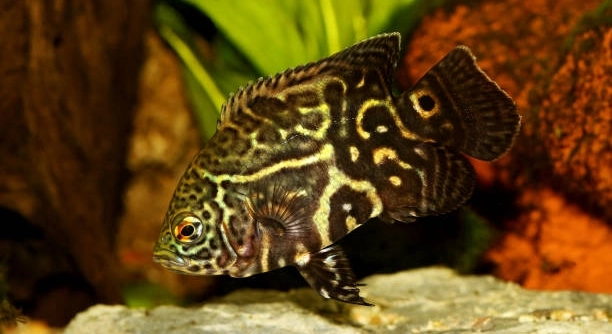
Are your Oscar fish always hanging near the surface or ignoring their food altogether? You might be feeding them too much. Overfeeding is a common issue that can affect their health and tank quality.
Overfeeding in Oscar fish is typically indicated by leftover food, bloating, lethargy, and poor water conditions. These signs suggest that their dietary intake exceeds what their bodies and environment can handle, leading to various health and ecological problems.
Spotting these clues early can help you make simple changes that protect your Oscar’s health and keep their tank clean.
Uneaten Food Floating in the Tank
When Oscar fish are overfed, one of the first things you might see is food floating at the top or sinking uneaten. Oscars are known to be big eaters, but they usually eat quickly and with purpose. If they leave food behind, it often means they were already full before the last feeding. Uneaten food doesn’t just sit there harmlessly—it begins to break down, polluting the water and causing issues like cloudy appearance and unpleasant odors. These conditions can stress your fish and lead to more serious health problems if left unchecked. Keep in mind, overfeeding isn’t about how often you feed them, but how much. It’s easy to misjudge the portion size, especially with younger Oscars that seem eager to eat all the time. Observing what remains after feeding can give you a clear sign that it’s time to adjust your routine and keep things under control.
Floating food is more than a sign of overfeeding—it also leads to poor water quality and algae growth.
Cleaning out leftovers daily and feeding smaller portions can go a long way in preventing waste buildup. Try to only feed what your Oscar can finish in two to three minutes. This simple habit helps reduce debris and keeps water healthier for longer.
Cloudy or Foul-Smelling Water
A tank that looks cloudy or smells bad usually points to too much uneaten food rotting in the water.
Water quality changes quickly when excess food decays. As leftovers break down, they release waste products like ammonia, which can become toxic if not managed. This change not only makes the tank look and smell worse, but it also places stress on your Oscar’s organs. You may notice your fish becoming less active or gasping near the surface—signs they are struggling in poor conditions. In some cases, filters can’t keep up with the increased load, making things worse. Regular water changes help, but the key is to stop the food overload before it starts. Reduce feedings, and if you spot cloudy water, check how much your Oscar is eating in one sitting. Over time, you’ll find the right balance that keeps the tank clear and your Oscar feeling better. A clean tank isn’t just nice to look at—it means your fish are healthier too.
Bloated Appearance or Swollen Belly
A swollen belly is a clear sign that your Oscar fish may be eating too much. This bloating is uncomfortable for them and can lead to trouble swimming, resting, or even digesting food properly.
Overfeeding leads to a buildup of waste and gas in the digestive system, causing the belly to swell unnaturally. This isn’t just a cosmetic issue—persistent bloating can harm internal organs and reduce the fish’s ability to move freely. In some cases, the fish may appear to wobble while swimming or float oddly. It’s easy to confuse this with illness, but often the issue stems from too much food. Reducing portions and feeding frequency can help relieve the pressure on their digestive system. If bloating continues even with smaller meals, it may be time to give your Oscar a break from food for a day or two to help its body recover naturally.
In more serious cases, overfeeding can lead to digestive blockages. These blockages may cause the fish to stop eating altogether and show signs of stress or discomfort. You might notice them avoiding light, hiding more than usual, or staying near the surface. Keeping the feeding schedule consistent and sticking to proper amounts is one of the best ways to avoid this problem.
Lethargy or Lack of Movement
When Oscars are overfed, they often become sluggish and uninterested in their surroundings. Instead of swimming actively, they may settle near the bottom or stay in one corner of the tank.
This lack of energy is tied to how hard their bodies are working to process too much food. Their digestive system gets overwhelmed, and just like people after a large meal, they feel heavy and slow. You may notice their usual curiosity fades, and they ignore tank activity or even other fish. They might not swim to greet you or chase after food like they used to. All of this is the body’s way of saying it needs a break. Giving your Oscar a day without food can help, followed by smaller, more measured meals. Watching their behavior closely after feeding is a good way to see if your portions are working or need adjusting.
Frequent Tank Cleanings Needed
If you’re cleaning the tank more often than usual, excess food and fish waste could be the reason. Overfeeding increases waste production, which quickly dirties the tank and stresses your Oscar.
Frequent cleanings are not a long-term fix. The real solution is to reduce the amount of food given at each feeding.
Reduced Interest in Food
When Oscars are overfed, they start losing interest in food altogether. You might notice them spitting food out or ignoring it completely. This is a sign their digestive system is overloaded and they’re no longer hungry. It’s also a warning that feeding habits need adjusting. Try skipping a day or feeding much less to allow them to reset. Once their appetite returns, offer smaller portions and observe their response. Regular refusal of food is not normal for Oscars, who are usually enthusiastic eaters. Ignoring this change in behavior can lead to more serious health issues over time.
Changes in Waste Appearance
Overfeeding often leads to long, stringy, or pale waste. This shows that the food is not being digested properly and is passing through too quickly.
FAQ
How often should I feed my Oscar fish?
Oscar fish should typically be fed once or twice a day, depending on their age and size. Juveniles can handle two small feedings per day since they’re growing quickly and have higher energy needs. Adult Oscars, however, do best with one meal daily. It’s more important to focus on portion size than frequency. They should be able to finish their food in two to three minutes. If any food remains after that time, you’re likely feeding too much. Over time, you’ll learn to read your Oscar’s behavior and adjust based on appetite and tank cleanliness.
What types of food can lead to overfeeding problems?
High-protein foods like pellets, frozen shrimp, and live feeders can cause problems if given in excess. These foods are dense and rich, and it’s easy to offer more than the fish actually needs. Treats like bloodworms or beef heart should only be used occasionally, not as daily staples. Variety is good, but portion control is key. Offering different types of food doesn’t mean you should increase the total amount. Whether you’re using flakes, pellets, or fresh options, keeping the quantity small and balanced is the best way to avoid digestive and water issues.
Can overfeeding cause long-term health problems in Oscar fish?
Yes, consistent overfeeding can lead to serious long-term health issues. It may cause fatty liver disease, swim bladder problems, and overall stress on internal organs. Digestive issues may become chronic, especially if the fish rarely gets a break from eating. Poor water quality from excess waste can also weaken the immune system and make the fish more prone to infections. Even if an Oscar seems fine at first, these problems often build up over time and become harder to reverse. That’s why it’s better to feed less and observe than to assume more food means better care.
What should I do if I think I’ve overfed my Oscar?
If you suspect overfeeding, skip the next meal or even fast your Oscar for a day or two. This gives the digestive system time to reset. At the same time, remove any uneaten food from the tank right away to prevent water contamination. Perform a partial water change if you notice cloudiness or odor. Going forward, reduce the amount given per feeding and monitor the fish’s appetite and energy levels. If things don’t improve after a few days, it may be a good idea to check tank conditions or speak with an aquarium expert.
Why does my Oscar spit out food after eating?
Oscars often spit out food when they’re full or if the food is too large or hard to chew. It can also happen if they’re feeling stressed or the water isn’t clean. However, if this becomes a regular habit, it’s usually a sign of overfeeding. Spitting out food means they’re trying to eat out of instinct, but they physically can’t handle more. It’s a warning that you should reduce the portion or take a short break from feeding altogether. Always check for leftover pieces and clean them out to prevent tank issues.
Is it okay to fast my Oscar fish occasionally?
Yes, fasting your Oscar once a week is actually a healthy practice. It allows their digestive system to rest and helps prevent bloating and constipation. Oscars are strong fish that can handle a short break from food with no problems. In fact, fasting is often used as a way to recover from minor overfeeding. It’s especially useful after a heavy feeding day or if you’ve given treats. Just make sure the fish looks alert and healthy while fasting—if it starts showing signs of distress, the issue might be something more than food-related.
Do water filters help with overfeeding problems?
A good filter can help manage the waste caused by overfeeding, but it’s not a fix for the problem itself. Filters remove some leftover particles and break down waste, but they can become overwhelmed if too much food is added regularly. Overworking the filter shortens its life and leads to more frequent water changes. It’s better to feed less and let the filter work within its capacity. Think of the filter as a backup, not a substitute for proper feeding habits. Reducing food is always the first and best step.
Final Thoughts
Overfeeding is one of the most common mistakes Oscar fish owners make. It often starts with good intentions—wanting to give your fish plenty of food or thinking that more food means better care. But Oscar fish don’t need large amounts to stay healthy. In fact, too much food can lead to serious problems like bloating, cloudy water, and loss of appetite. Learning how much to feed and when to stop is important. It helps your Oscar stay active, alert, and healthy. Paying attention to their behavior during and after feeding gives you clear signs of what’s working and what isn’t.
It’s also helpful to remember that Oscars are smart and will often beg for food even when they aren’t hungry. This can make it easy to overfeed, especially if you’re not keeping track of how much they’re eating each day. Feeding should be measured and based on how much the fish can eat in a few minutes—not how eager they seem. Watching for leftover food, changes in movement, or differences in waste appearance can all tell you if you’re feeding too much. A clean tank, active fish, and regular eating habits are all signs you’ve found the right balance.
Taking a step back and adjusting your feeding routine doesn’t just help your Oscar—it also makes caring for the tank easier. Less food means less waste, cleaner water, and fewer health issues to manage. Feeding the right amount saves time, money, and stress in the long run. It’s okay to make small changes and see how your Oscar responds. Skipping a meal once a week or slightly reducing portions can make a big difference. Oscars are hardy fish, and they adjust well when given consistent care. In the end, keeping things simple and steady is often the best approach. With the right habits, your Oscar fish can thrive and bring you enjoyment for many years.

Hello,
If you enjoy the content that we create, please consider saying a "Thank You!" by leaving a tip.
Every little bit helps us continue crafting quality advice that supports the health, happiness, and well-being of pets around the world, for pets of all shapes, sizes, and species.
We really appreciate the kindness and support that you show us!