
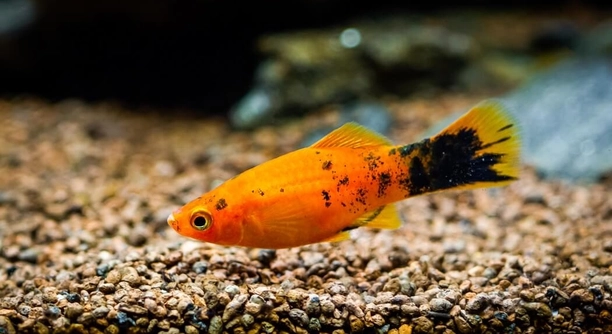
Are your platies suddenly more aggressive or constantly chasing each other around the tank? Their behavior may be linked to how much space they have to call their own.
Platies often compete for space when tank conditions are too cramped, territories overlap, or hiding spots are limited. This can lead to stress, nipping, and constant chasing, especially in tanks with an unbalanced male-to-female ratio.
Learning to recognize the subtle signs early can help you prevent injuries, reduce stress, and create a more peaceful aquarium environment.
Constant Chasing and Nipping
When platies don’t have enough room, they often chase or nip at each other. This is one of the first signs they are competing for space. In a tank that’s too small or lacks hiding spots, some platies may try to take control of certain areas. This can lead to aggressive behavior, especially from males trying to establish dominance. These actions might seem playful at first, but constant chasing usually means stress is building. If left unchecked, it can cause injuries or weaken the fish’s immune system. A peaceful tank starts with giving each fish enough room to swim, rest, and stay out of others’ way. Watch closely for these signs. You may notice one fish constantly following another or blocking access to food or shelter. These small actions signal a bigger problem related to space and comfort.
This behavior is more common in tanks with more males than females or poor layout.
To reduce chasing and nipping, start by checking your tank size. A good rule is to provide at least two gallons of water per platy. Next, look at the tank’s design. Add plants, rocks, and decorations that break up the space and create clear sections. This helps each fish find a spot it can claim, lowering the chance of constant interactions. A variety of hiding places also gives less dominant fish a place to retreat. Rearranging tank decorations occasionally can reset territorial boundaries, reducing long-term conflict. Avoid overcrowding by keeping your fish population in balance. It may also help to separate aggressive individuals if the situation doesn’t improve. Simple changes like these can make a big difference in how your platies behave and interact. It can also lead to a healthier and more active group overall, without stress or aggression.
Guarding Certain Areas
Platies may start hovering over one area of the tank and chase others away if space becomes limited.
This behavior usually shows up when fish feel the need to defend what little space they can find. In smaller tanks, there may not be enough hiding spots or boundaries, so some platies will try to make their own. You might notice one fish staying near a rock or a plant and darting at any fish that comes close. This is a clear signal of stress. It’s not about protecting a mate or food—it’s about holding onto the only area they feel safe in. This guarding habit is more than just annoying for other fish; it’s a sign that your tank layout needs attention. Adding more visual barriers like tall plants or decorations can help. These give fish a way to spread out and reduce the need to fight over the same areas. Once space feels shared again, the guarding usually stops.
Sudden Hiding or Isolation
When platies start hiding more often or isolating themselves, it usually means they’re stressed. A lack of space can make fish feel unsafe, especially if they’re being chased or bullied by others in the tank.
Some platies will wedge themselves behind filters, decorations, or plants for long periods. They do this to avoid conflict or aggressive fish. This is common when there aren’t enough hiding spots or when dominant fish control too much territory. While some hiding is normal, repeated or long-term isolation can affect their health. These fish may eat less, lose color, or become less active over time. To fix this, make sure there are multiple safe spaces spread around the tank. Use real or artificial plants, caves, and tank-safe structures. These changes help reduce conflict and give each fish a private place to rest without fear.
Fish that are always left out from group activity may also show signs of illness or poor water conditions, but space issues are often the first reason. When platies feel crowded, weaker or more passive individuals tend to withdraw. They avoid others and stay still for long periods. This creates a visible imbalance in the tank’s social behavior. The key is to observe patterns. If only one fish is hiding, check for sickness. But if several fish are acting the same way, it’s likely a space issue. Always check tank size, layout, and crowding levels first. Adding hiding spots and separating aggressive fish can help restore balance. A calm fish is more likely to be active, eat well, and interact peacefully with others in the tank.
Increased Nipping During Feeding
Feeding time becomes tense in a crowded tank. Platies rush to food and may bite at each other, not just the food. This isn’t always hunger—it’s often a sign they feel cornered or stressed.
When space is limited, fish can’t spread out during feeding. This makes every bite feel like a competition. Platies may push, chase, or nip at one another just to get a spot at the surface. This leads to uneven feeding, where some fish get too much and others go hungry. It can also cause damage to fins and scales. Spacing out the food in multiple areas of the tank can reduce this behavior. Use floating foods or drop small amounts at both ends of the tank. If you notice the same fish always missing out, it may need to be fed separately or moved to a less crowded tank. Feeding should feel calm, not like a scramble.
Aggression during feeding time is often the first visible sign of a space problem. It shows how pressure builds when fish are forced to compete for everything, not just territory. Watching how your platies behave at mealtimes gives you insight into their comfort levels. Do they rush, nip, and fight, or swim calmly to food? Feeding is a good time to spot imbalance in the group. If needed, increase feeding zones and check that the tank has open areas and hiding places near feeding spots. When platies feel safe and unpressured, they eat more calmly, stay healthier, and keep their natural behaviors. Simple layout changes can turn feeding time into a relaxed part of their day.
Fins Showing Damage
Damaged fins can be a sign of overcrowding and constant chasing. When platies nip at each other often, fins start to tear or look frayed. This isn’t always from illness—it’s usually a sign of stress caused by limited space and high tension in the tank.
Torn fins often appear alongside other signs like hiding, guarding, or chasing. If the damage keeps happening even after water quality checks out fine, it’s likely space-related. Giving fish more room and adding visual barriers usually helps reduce this problem over time.
Change in Tank Hierarchy
In a crowded tank, platies may change their social roles quickly. A usually calm fish can become dominant, while others grow more passive. These shifts happen because the tank doesn’t have enough space or structure for everyone to feel secure. When too many fish are packed into one area, natural group dynamics get disrupted. You might notice new pairings, increased bullying, or frequent movement to different parts of the tank. These changes are often a result of fish trying to adapt to a stressful environment. Rearranging tank decor, improving space, and reducing the number of fish can help restore balance.
Less Breeding Behavior
Platies often stop showing interest in breeding when they feel stressed. A cramped tank can cause them to focus more on survival than reproduction.
How much space do platies need to prevent competition?
Platies generally need about two gallons of water per fish to thrive comfortably. This space helps reduce stress and aggressive behaviors caused by overcrowding. When tanks are too small, platies have trouble establishing their own territory, leading to constant chasing and nipping. Larger tanks with plenty of decorations and hiding spots give them room to spread out. This lowers competition and creates a more peaceful environment. It’s important to consider not just the number of fish, but also tank shape and décor placement. Wide tanks offer more surface area for swimming, while tall tanks may not provide enough horizontal space. Regularly checking fish behavior can help you decide if they need more room. If aggression or hiding increases, it’s time to rethink your tank size or setup.
What are the best ways to reduce territorial behavior in platies?
Adding plants, rocks, and decorations is one of the simplest ways to reduce territorial disputes. These elements break the tank into smaller zones, making it easier for platies to claim space without conflicts. Live plants are especially helpful because they create natural cover and improve water quality. Providing several hiding places also lets less dominant fish escape aggression. Rearranging tank décor occasionally can help reset boundaries and reduce long-term guarding behaviors. Maintaining a balanced male-to-female ratio is crucial, as too many males often increase territorial fighting. A good ratio is about one male to two or three females. Avoid overcrowding by limiting the number of fish according to tank size. Keeping water clean and stable also reduces stress and aggressive behavior overall.
Can platies live peacefully with other fish species in the same tank?
Platies usually get along well with other peaceful, similarly sized fish. Good tankmates include guppies, mollies, and tetras. Avoid housing them with aggressive or much larger fish, as platies may become stressed or injured. Mixing species can sometimes reduce space competition since different fish tend to occupy different levels or areas of the tank. However, tank size still matters a lot. Even peaceful species need room to avoid stress and aggression. Make sure the tank is large enough to support all inhabitants comfortably. Monitor interactions closely in the first few weeks to catch any signs of bullying or stress. Adjust tank mates or space as needed to keep a calm, healthy environment.
Why do platies stop breeding when space is limited?
Stress caused by cramped conditions can make platies lose interest in breeding. When space is tight, fish focus on survival rather than reproduction. They may hide more and become less active, which reduces mating behaviors. Females might also carry fewer fry or stop breeding altogether. Ensuring a comfortable environment with enough room, clean water, and good nutrition encourages natural breeding behaviors. It’s also important to provide places where fry can hide safely from adults after birth. Overcrowded tanks often lead to fry being eaten or stressed. Keeping a lower population density helps maintain healthy reproduction rates and stronger offspring.
How can I tell if my platies are stressed due to lack of space?
Signs of stress include constant chasing, nipping, hiding for long periods, and damaged fins. You might also see changes in behavior, like less activity or changes in social hierarchy. Platies may stop eating well or lose their bright colors. Stress can weaken their immune system, making them more vulnerable to illness. Watching your fish daily helps catch early signs. If you notice these behaviors, consider tank size, decoration layout, and fish numbers. Adjusting these factors often reduces stress quickly. Keeping water parameters stable and clean supports their overall health as well.
What should I do if my tank is too small for my platies?
If your tank feels overcrowded, consider upgrading to a larger tank. More space reduces competition and aggression. If a larger tank isn’t an option, try reducing the number of fish. You could find new homes for some or separate aggressive individuals into another tank. Adding plants and decorations creates natural barriers that help fish claim smaller territories. Make sure hiding spots are spread out evenly. Rearranging décor occasionally prevents long-term territorial guarding. Regular water changes and maintaining clean conditions also improve comfort. Always monitor your fish’s behavior after changes to ensure stress levels decrease and harmony improves.
Can rearranging tank decorations really help reduce fights?
Yes, changing the tank layout can help break up established territories. When platies can’t hold the same space, they often stop guarding and fighting over it. Rearranging plants, rocks, or caves creates a fresh environment and encourages fish to explore new areas. This shift reduces tension and can lower aggressive behaviors. It’s best to do this carefully to avoid stressing the fish too much. Try to keep some familiar hiding spots while adding new ones. Regularly changing the tank setup every few weeks can keep the environment dynamic and reduce boredom and fighting.
Is it normal for some platies to be more aggressive than others?
Yes, some platies naturally show more dominant or aggressive traits, especially males. Aggression can be a way to establish hierarchy or protect territory. However, too much aggression usually points to space problems or an unbalanced male-to-female ratio. Dominant males may chase or nip weaker fish if they don’t have enough room to spread out. Managing the number of males and providing plenty of space helps control this behavior. Adding visual barriers gives less dominant fish a place to retreat. If aggression becomes harmful, separating overly aggressive fish may be necessary. Recognizing these behaviors early can prevent injury and stress.
Final thoughts on managing space competition among platies focus on creating a comfortable and balanced environment. Platies are social fish, but they need enough room to swim freely and establish their own territories. When space is limited, their natural behaviors can turn into stress and aggression, affecting their health and happiness. Observing their behavior carefully is important. Signs like constant chasing, hiding, or damaged fins often point to overcrowding or poor tank layout. Addressing these early can prevent bigger problems and keep your fish thriving.
Making sure your tank size matches the number of platies is the first step. Providing at least two gallons of water per fish is a good guideline. Along with tank size, adding plants, rocks, and other decorations helps create visual barriers and hiding spots. This allows each fish to claim a small area without feeling threatened by others. Rearranging these decorations from time to time can also help break up established territories and reduce ongoing conflicts. Maintaining a proper male-to-female ratio is another important factor. Too many males often lead to increased aggression. Balancing this ratio supports a peaceful and healthy community tank.
Finally, keeping water quality stable and feeding your platies properly contributes to reducing stress related to space issues. Overcrowding can also make feeding time competitive, so spreading food in different areas and watching how your fish eat can help avoid fights. If space problems continue, consider upgrading to a larger tank or reducing the number of fish. The goal is to create a tank where platies feel safe, comfortable, and active. Paying attention to their behavior and tank conditions will help you provide the best environment for your platies to live peacefully and healthily.

Hello,
If you enjoy the content that we create, please consider saying a "Thank You!" by leaving a tip.
Every little bit helps us continue crafting quality advice that supports the health, happiness, and well-being of pets around the world, for pets of all shapes, sizes, and species.
We really appreciate the kindness and support that you show us!