
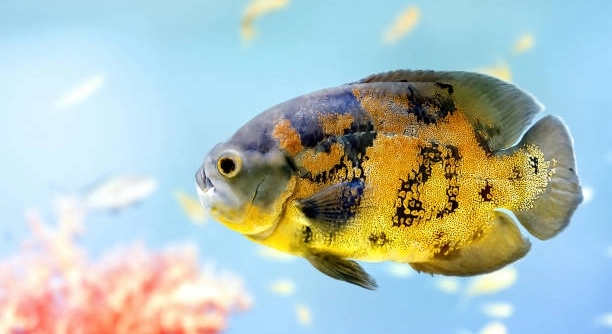
Oscar fish are a popular choice for many aquarium enthusiasts due to their vibrant colors and distinct personalities. However, understanding whether they are settling in properly can be tricky. Knowing the signs can help ensure they thrive.
Oscar fish show several signs when they are settling into their new environment. These include active swimming patterns, increased exploration, regular feeding, and some mild interactions with their tank mates. Settling in takes time, and these signs confirm adjustment.
Recognizing these behaviors is important to ensure your Oscar fish feel comfortable and happy in their new home. Understanding how to read their body language and actions will help improve their overall well-being.
Swimming Behavior: A Key Indicator of Adjustment
When Oscar fish are settling in, their swimming behavior changes. In the beginning, they may be more hesitant, staying near the bottom or hiding in corners. As they adjust, they begin to swim more freely and actively explore their tank. This transition shows that they are becoming more comfortable in their new environment.
Once Oscar fish are fully settled, you may notice them swimming up and down or even in a circular pattern. This indicates they feel safe enough to navigate the entire tank. An active swimming pattern helps to confirm their overall health and happiness.
It’s important to keep in mind that excessive swimming, especially if it looks frantic or repetitive, could indicate stress. However, if your Oscar is moving around confidently without any signs of distress, it is a good sign that they are adapting well. The way they swim can tell you a lot about their state of mind.
Eating Habits: A Clear Sign of Comfort
Oscar fish typically start eating normally once they feel comfortable in their new home.
If your fish are avoiding food or eating very little, it may be a sign that they are still stressed. On the other hand, if they are eating eagerly, it indicates they are feeling secure and settled.
An Oscar’s eating habits are often one of the first things to change when they are adjusting. When your Oscar begins to eat regularly, it signals that they are familiarizing themselves with the environment. Healthy eating habits suggest that your fish are adapting well, and it’s a positive step toward full comfort. A varied diet can also support their long-term health.
Interaction with Tank Mates
Oscar fish are generally territorial, but once settled in, they begin interacting with their tank mates. If your Oscar starts approaching or sharing space with other fish, it’s a sign they’re becoming more comfortable. However, some cautious behavior is normal when they first meet tank mates.
Over time, you may notice less aggression, as your Oscar becomes more used to its environment. They may even begin to establish a social hierarchy within the tank. It’s important to watch for signs of stress or territorial disputes, as Oscars can still become aggressive, especially if there is a new addition to the tank.
If they are not aggressive and interact calmly, it indicates they are settling in. These social interactions are key to a peaceful tank. Oscars are intelligent and have distinct personalities, so their ability to coexist with others reflects their comfort level in the tank.
Exploring the Tank
As Oscar fish adjust, they will begin to explore more of their tank. Initially, they may stay close to hiding spots, but as they settle in, they become more confident in exploring the tank’s layout. This includes swimming near the surface, investigating plants, or even interacting with decorations.
This behavior is a good indicator that they are getting used to their surroundings. Oscars are curious creatures, so they will begin to learn the layout of the tank, which helps them feel more secure.
Sometimes, they might move around in specific areas of the tank, investigating what’s in their environment. It’s not unusual for Oscar fish to also rearrange or interact with their surroundings, as they try to make the space more their own. This behavior shows that they are mentally and physically adjusting to their new home.
Body Language and Posture
Oscar fish will also communicate their comfort through body language and posture. As they settle in, you may notice their fins are more open, and their body is held upright. This shows they feel confident in their space.
In contrast, when Oscar fish are stressed, they may display a hunched posture or keep their fins close to their body. A relaxed, upright position with wide fins indicates that your Oscar is comfortable and confident. Paying attention to these subtle physical signs can help you monitor their adjustment.
Coloration
Oscar fish tend to show vibrant color changes as they become more relaxed. Once they are settled, their colors will become richer and more distinct. This is a clear sign of well-being.
In times of stress, their colors may dull, and they may become darker or less vibrant. Keep an eye on their coloration to assess their comfort. A bright and lively Oscar is a sign of a happy fish.
FAQ
How long does it take for Oscar fish to settle in?
Oscar fish typically take a few weeks to fully settle into their new environment. It can vary based on factors like tank size, water quality, and temperature. Some fish might take longer if they’re dealing with stress from changes in their surroundings. The key is to observe their behavior and look for signs like eating, swimming actively, and interacting with the tank.
Is it normal for Oscar fish to hide at first?
Yes, it’s perfectly normal for Oscar fish to hide when they first enter a new tank. They can be shy or stressed, and hiding helps them feel secure. Over time, as they adjust and feel more confident in their space, they will gradually start to explore more. Keep an eye on them, and once they begin swimming around and interacting with their surroundings, you’ll know they’re settling in.
What should I do if my Oscar fish isn’t eating?
If your Oscar isn’t eating, it could be a sign that it’s stressed or not yet comfortable in its new environment. Make sure the water parameters (like temperature, pH, and ammonia levels) are ideal. If they’re still not eating after a few days, try offering different food types to see if something appeals to them. If they continue to refuse food, consult a vet to rule out any health issues.
How can I tell if my Oscar is stressed?
Stress in Oscar fish can be displayed through behaviors like hiding excessively, not eating, or aggressive movements. Their body language might change, with their fins held close to their body or a hunched posture. Changes in coloration, such as dulling or darkening, are also signs of stress. Ensuring their tank is properly set up and free from disturbances will help minimize stress.
Can Oscar fish live with other fish?
Yes, Oscar fish can live with other fish, but it depends on the tank size and the other fish species. Oscars can be territorial and aggressive, especially when they’re not yet fully settled. It’s best to introduce tank mates slowly and choose species that are large enough to hold their own without being too aggressive. Fish like large cichlids or plecos often make good companions.
How do I know if my Oscar is happy?
A happy Oscar fish will show vibrant colors, swim actively, and interact with its tank mates without signs of aggression. It will be eating well and exploring its environment. A relaxed, confident posture with open fins is a clear sign of contentment. Pay attention to its activity levels and behavior to gauge its happiness.
Why is my Oscar fish constantly hiding?
If your Oscar is constantly hiding, it might be stressed or uncomfortable. It could also be due to an issue with the water quality or temperature. Make sure the tank is large enough, well-filtered, and at a stable temperature. Check for any signs of illness, and consider giving it some time to adjust. If the hiding persists, you might need to reevaluate its tank setup.
Can I rearrange the tank while my Oscar is settling in?
It’s best not to rearrange the tank too often while your Oscar is settling in. Constant changes can add to their stress. However, if necessary, small adjustments can be made, but try to keep the layout as consistent as possible. After they’re fully adjusted, you can experiment with changes without causing as much disruption.
What temperature should the water be for Oscar fish?
Oscar fish thrive in water temperatures between 74-81°F (23-27°C). Keeping the water within this range helps maintain their metabolism and overall health. If the water is too cold or too warm, it can cause stress and even illness. Always use a reliable heater to keep the tank at the right temperature.
What size tank do I need for an Oscar fish?
Oscar fish require a large tank due to their size and active nature. A minimum of 55 gallons is recommended for one Oscar fish, though larger tanks are even better. Oscars grow to about 12-14 inches in length, so they need ample space to swim and explore. Additionally, a bigger tank helps maintain water quality, which is crucial for their health.
Can Oscar fish live with other Oscars?
While Oscars can live with other Oscars, it’s important to provide enough space and be prepared for possible territorial behavior. Two Oscars can sometimes live together if there’s enough room, but they may fight, especially if there are any signs of competition for resources. It’s crucial to monitor them and be ready to separate them if aggression becomes an issue.
How can I tell if my Oscar is sick?
Signs of illness in Oscar fish include loss of appetite, abnormal swimming (like floating sideways), lethargy, unusual coloring, or visible sores and lesions on their body. If your Oscar shows any of these symptoms, it’s important to check water quality and consult a vet or aquarium expert for further advice.
What should I feed my Oscar fish?
Oscar fish are carnivores and thrive on a varied diet of high-protein foods. Common options include pellets, live or frozen food like shrimp, worms, and fish. You can also offer them occasional pieces of beef heart or other meat, but always ensure that food is appropriately sized and doesn’t cause overfeeding. A balanced diet is key to their health.
How often should I clean my Oscar’s tank?
Oscar fish produce a lot of waste, so regular tank cleaning is important. You should perform a partial water change of 20-30% every week. Also, clean the filter regularly to prevent buildup. Scrub the tank glass and remove any uneaten food to maintain a healthy environment. Regular maintenance will keep your fish comfortable and happy.
Final Thoughts
Settling in is an important time for Oscar fish, and understanding the signs that they are adjusting can help ensure their well-being. From their swimming patterns to how they interact with their environment, every small change indicates that your Oscar is getting more comfortable. While it may take some time for them to fully adapt to a new tank, being observant and patient will help you catch any signs of stress early. Remember, every fish is different, and some may take longer to settle in than others. It’s crucial to give them the space and time they need.
One of the most significant things to keep in mind is that Oscar fish are naturally curious and intelligent, but they also require stability. Their comfort often relies on a well-maintained tank, good water quality, and appropriate tank mates. By keeping these factors in check, you create an environment where your fish can thrive. Oscars tend to feel safest when their environment is predictable, so avoid making frequent changes to the tank layout during their adjustment period. Once they are comfortable, they will begin to show their true personalities and become more interactive.
Ultimately, the signs of an Oscar fish settling in—like active swimming, healthy eating, and interactions with their tank mates—are a clear indication that they’re adjusting well. Watching for these behaviors can help you ensure your fish are thriving. The key to a happy and healthy Oscar is patience and observation. By providing the right environment and giving them time, you’ll help your Oscar feel right at home and enjoy many years of companionship.

Hello,
If you enjoy the content that we create, please consider saying a "Thank You!" by leaving a tip.
Every little bit helps us continue crafting quality advice that supports the health, happiness, and well-being of pets around the world, for pets of all shapes, sizes, and species.
We really appreciate the kindness and support that you show us!