
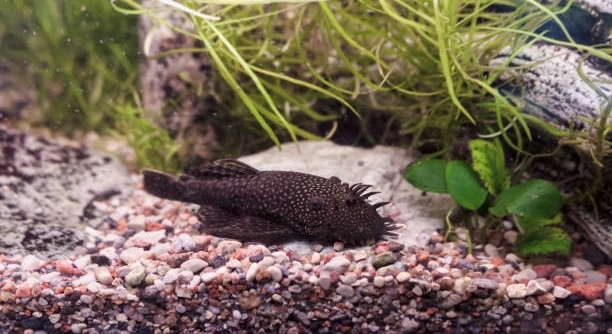
Plecos are hardy fish, but like any pet, they can show signs of illness. It’s important to recognize when something is wrong to take action promptly. Knowing these signs can help ensure your pleco stays healthy.
Recognizing when your pleco is unwell involves observing their behavior, appearance, and eating habits. Changes such as lethargy, loss of appetite, or abnormal swimming patterns can indicate stress or illness that needs attention.
Monitoring these clues ensures you can take appropriate steps for your pleco’s health and well-being.
Unusual Swimming Patterns
A pleco’s swimming behavior is an important indicator of its health. If your pleco begins to swim erratically or stays near the surface for extended periods, it might be feeling unwell. They usually swim calmly along the bottom of the tank, where they feel secure. If your pleco starts darting around or lingering at the top, this could signal stress or discomfort.
Sometimes, plecos may float sideways or upside down, which is abnormal. This can be a sign of an internal issue, such as a swim bladder problem, or it could be related to water conditions. Monitoring their movement can give you a good idea of their overall well-being.
When observing swimming patterns, also consider whether your pleco is having difficulty maneuvering. If they appear to be struggling to move or are staying in one place for too long, there could be an underlying health concern. Always ensure the water conditions are optimal to avoid added stress.
Loss of Appetite
If your pleco starts eating less or stops eating altogether, this could be a warning sign of illness. Plecos are usually bottom feeders and will eagerly consume algae, vegetables, or sinking pellets.
A sudden decrease in appetite may indicate stress, water quality issues, or even an internal health problem. It’s crucial to assess the tank’s water parameters, such as temperature, pH, and ammonia levels, as these factors can directly affect your pleco’s appetite.
If your pleco shows no interest in food for more than a day, it’s essential to investigate further. The right water quality and diet are key to keeping them healthy.
Abnormal Body Appearance
If you notice any changes in your pleco’s body appearance, such as lesions, discoloration, or swelling, these can be signs of illness. A healthy pleco typically has smooth, clean skin and vibrant colors. Any abnormal growths or marks should be treated as potential red flags.
Swelling, particularly around the abdomen, can indicate internal issues like constipation, a parasitic infection, or a bacterial problem. Discoloration or pale skin often suggests poor water quality or stress. Keep a close eye on any physical changes to your pleco, as early detection can lead to better outcomes for treatment.
Infections can also cause the skin to appear ragged or damaged. If you see unusual marks or wounds, it’s crucial to isolate the affected pleco to prevent the spread of illness to other fish. Regular water changes and proper tank maintenance will help keep their skin healthy.
Respiratory Distress
Plecos are sensitive to water quality, and poor conditions can affect their breathing. If you notice your pleco breathing rapidly at the surface or struggling to get air, it may be suffering from poor water quality, low oxygen levels, or gill disease.
In cases of poor oxygenation, adding an air stone or increasing the water movement can help. It’s important to regularly check the levels of ammonia, nitrites, and nitrates in the tank, as high concentrations can lead to stress and respiratory issues. Sometimes, plecos will scrape their gills on the substrate if they are trying to get more oxygen, which is another sign of distress.
You should also check the pleco’s gills for any visible abnormalities, such as clamping, redness, or mucus buildup. These can indicate gill infections or other respiratory issues. Ensuring proper filtration and aeration is crucial for preventing breathing problems.
Lethargy
When a pleco becomes lethargic, it’s often a sign that something is wrong. Healthy plecos are typically active and spend time grazing on surfaces or swimming around the tank. If your pleco is sitting still for long periods, it may be feeling unwell.
Lack of energy could be caused by poor water conditions, stress, or illness. If your pleco doesn’t respond to stimuli or is hiding for extended periods, it’s important to investigate the cause. Often, improving water quality can help, but further observation is necessary to determine if there’s an underlying health problem.
Skin Shedding
Shedding is a natural process for plecos, but excessive shedding can indicate a problem. If your pleco seems to be losing skin in large patches, this could be due to a parasitic infection, fungal growth, or a reaction to poor water conditions.
Frequent shedding can also occur if the water temperature is too high or fluctuating. Consistent water quality is vital to prevent stress, which can lead to skin issues. Ensure your pleco’s tank is properly maintained and check for any unusual behavior alongside skin shedding.
Abnormal Feces
Examining your pleco’s feces is an important way to gauge their health. Healthy plecos typically produce small, firm waste. However, changes in feces, such as stringy, white, or discolored stool, can be signs of illness or infection.
These changes often occur alongside other symptoms like loss of appetite or lethargy. In some cases, parasites or internal infections can cause unusual feces. If you notice these signs, it’s important to address them promptly by adjusting water quality and potentially treating your pleco for parasites.
FAQ
What should I do if my pleco isn’t eating?
If your pleco isn’t eating, the first thing to check is the water quality. Poor water conditions can stress out your fish and cause a loss of appetite. Make sure the temperature, pH, ammonia, nitrite, and nitrate levels are within the proper range for plecos. If the water parameters are fine, try offering different types of food, such as algae wafers, vegetables, or sinking pellets. Sometimes, a change in diet can spark their appetite. If the issue persists, monitor for other symptoms and consider consulting a veterinarian to rule out any health problems.
How can I tell if my pleco is stressed?
Stress in plecos is often indicated by unusual behavior. If your pleco is hiding more than usual, swimming erratically, or showing signs of lethargy, it could be stressed. Stress can be triggered by poor water quality, tank mates that are too aggressive, or sudden changes in the environment. Ensure your tank is large enough for your pleco, with plenty of hiding spaces and peaceful companions. Regular water changes, stable temperature, and minimal disturbances will help reduce stress. Pay attention to the pleco’s appearance, too, as stress can lead to physical symptoms like faded colors or damaged fins.
What temperature is best for my pleco?
The ideal temperature for most plecos falls between 74°F and 80°F (23°C to 27°C). If the water temperature fluctuates too much or is outside this range, your pleco may become stressed, lose its appetite, or even become ill. Use a reliable aquarium heater to maintain consistent temperatures, and make sure to check the tank’s thermometer regularly. Avoid placing the aquarium near drafts or direct sunlight, as these can cause temperature changes that may harm your pleco.
Why is my pleco staying at the surface?
Plecos typically prefer the bottom of the tank, where they feel more secure. If your pleco is constantly at the surface, it may be struggling with poor water conditions, especially low oxygen levels. Consider adding an air stone or improving water circulation to help increase oxygenation. If the water quality is good and the pleco is still staying at the surface, there might be an underlying health issue such as swim bladder disorder or stress. Monitor for other signs of illness and take action as needed.
Is it normal for my pleco to hide all the time?
Yes, plecos are nocturnal and tend to hide during the day, especially in a well-lit tank. They feel safer in dark, quiet spaces, so providing caves, driftwood, or other hiding places will help your pleco feel secure. However, if your pleco is hiding constantly and not coming out even during feeding times, it could indicate stress or illness. Check the water conditions and observe any changes in behavior or appearance. If the hiding behavior persists along with other symptoms, consult a vet for advice.
How do I prevent my pleco from becoming sick?
Preventing illness in plecos is largely about maintaining a stable, clean environment. Regular water changes, proper filtration, and monitoring water parameters will go a long way in preventing stress and illness. Ensure your pleco’s tank is large enough, as overcrowding can cause stress and health problems. Provide a varied and balanced diet with algae wafers, vegetables, and other suitable foods. Avoid overfeeding, as this can pollute the water and lead to health issues. Keep a close eye on your pleco’s behavior and appearance to catch any problems early.
What are common diseases in plecos?
Plecos are susceptible to various diseases, including skin infections, parasites, and swim bladder disorders. One of the most common diseases is white spot disease (Ich), which presents as small white cysts on the skin. Other issues include fungal infections, often caused by poor water quality, and internal parasites, which can cause loss of appetite and abnormal feces. A swim bladder disorder may cause your pleco to float sideways or upside down. Keeping the tank clean and treating any symptoms promptly can help prevent these issues.
Can plecos live with other fish?
Plecos are generally peaceful and can live with many other fish species. However, they may be territorial and might not get along with very aggressive or territorial fish. Plecos do well with other bottom-dwelling fish or peaceful tank mates. Ensure that there is plenty of space for everyone, and provide hiding spots for your pleco. Keep in mind that larger species of plecos may become territorial as they grow, so it’s important to monitor their interactions with other fish in the tank.
How often should I feed my pleco?
Plecos are typically fed once a day, though some owners feed them every other day depending on their specific needs. It’s important to feed them a varied diet, including algae wafers, vegetables, and sinking pellets. Overfeeding can lead to poor water quality and health problems, so it’s essential to remove any uneaten food after a few hours. Plecos may graze on algae in the tank, but it’s still necessary to supplement their diet with other foods. Monitor your pleco’s weight and overall condition to ensure it’s getting enough food.
Why is my pleco’s color fading?
Fading colors in a pleco can be a sign of stress, poor water quality, or illness. Stressful conditions, such as sudden changes in the environment, high levels of toxins in the water, or poor tank mates, can cause your pleco to lose its vibrant colors. Illnesses like bacterial or fungal infections can also lead to color changes. Check your tank’s water parameters, make sure the pleco is not stressed, and look for any signs of disease. If the fading continues despite proper care, consider consulting a vet.
Final Thoughts
Recognizing when a pleco is unwell can make a significant difference in its recovery. Many symptoms are subtle, such as changes in behavior or appearance. By closely monitoring your pleco, you can spot these early signs and address any issues before they become serious. It’s crucial to keep the tank environment stable and clean to ensure the health of your pleco. Regular water changes and maintaining proper water parameters will go a long way in preventing common health issues.
Proper diet and tank conditions are just as important. Plecos need a varied diet, including algae wafers, vegetables, and sinking pellets. Overfeeding can lead to poor water quality, which can cause health problems. Similarly, it’s essential to provide adequate space and hiding places for your pleco, as they are sensitive to stress. Stress can weaken their immune system, making them more vulnerable to illness. Creating a peaceful, secure environment will help your pleco feel comfortable and thrive.
Finally, while plecos are hardy fish, they are still susceptible to illness. If you notice any concerning changes, such as loss of appetite, skin shedding, or abnormal behavior, it’s best to take immediate action. Improving water quality and adjusting their diet might help, but if the issue persists, seeking advice from an experienced veterinarian is recommended. Early detection and prompt treatment are key to ensuring that your pleco remains healthy and happy for years to come.

Hello,
If you enjoy the content that we create, please consider saying a "Thank You!" by leaving a tip.
Every little bit helps us continue crafting quality advice that supports the health, happiness, and well-being of pets around the world, for pets of all shapes, sizes, and species.
We really appreciate the kindness and support that you show us!