
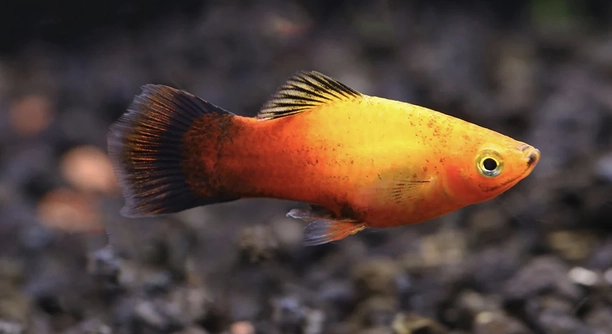
Have you ever watched your platy swim in strange patterns or pause to inspect things and wondered what’s going through its mind?
Platys often show curiosity through specific behaviors like pausing near new objects, following motion, and exploring unfamiliar tank areas. These actions indicate an active interest in their surroundings and are common signs of mental stimulation in healthy fish.
Learning to notice these subtle signs can help you better understand and support your platy’s natural curiosity in its daily environment.
Watch for Extra Swimming Near New Objects
When a platy feels curious, it often swims around new items added to its tank. Whether it’s a new decoration, plant, or structure, the fish may circle it repeatedly or pause in front of it for a few seconds at a time. This behavior shows it’s investigating and trying to understand what has changed in its environment. Platys are highly visual and respond quickly to anything new that appears. While some may hide when stressed, a curious platy will usually be active and alert, using its fins and body to hover and shift angles as it explores. This behavior is healthy and shows the fish feels safe enough to interact with its surroundings. Avoid overcrowding the tank, and keep additions minimal to help the fish process changes one step at a time.
A curious platy won’t hide when something changes. Instead, it becomes more active and drawn to the source of change.
Consistent tank conditions help support this curious behavior. Avoid rearranging items too frequently, as this can create confusion. Let the platy take its time to adjust, and you’ll notice how it returns to the object repeatedly. These small actions help you tell whether your platy is engaging or just reacting to stress.
Following Your Finger or Movement
Platys that follow your finger as you move it outside the tank are often feeling inquisitive and interactive. This reaction shows visual recognition and attentiveness to motion.
This behavior is common in platys that are well-adjusted and comfortable in their space. A platy watching and swimming alongside your hand, especially when it’s close to the glass, may be associating your presence with feeding time or simply exploring visual changes. Some may even tilt their bodies slightly as they swim to keep focus on the movement. This is different from begging behavior, which usually comes with rapid, excited swimming. A curious platy will appear calm but focused, tracing your finger with its eyes and keeping up at a steady pace. If you see this often, it means your fish is alert, stimulated, and aware of its environment. Keep interactions short and positive. Too much tapping or fast hand movements can cause stress and should be avoided.
Hovering Near the Tank Glass More Than Usual
When a platy starts hovering near the tank glass, especially in one area, it could be showing signs of interest in what’s outside its tank. This isn’t always linked to feeding—it can signal curiosity too.
This behavior tends to happen when there’s activity nearby, such as someone walking past or objects being moved around the tank. A curious platy will stay near the glass, sometimes moving side to side slowly or pausing often, as if it’s trying to follow or understand what it sees. This differs from anxious swimming, which looks more frantic. It may even stay still while tilting its head slightly upward. If this happens often, try gently interacting by standing nearby or moving slowly—watch how your platy responds. If it continues watching or adjusting its position, it’s engaging with its surroundings and not reacting out of fear or stress.
To encourage this curiosity, keep the tank in a space with moderate activity. Too much motion or sound can overwhelm the fish, but occasional movement outside the glass can keep it stimulated. Avoid placing the tank in total isolation, as still environments can lead to boredom. A curious platy responds best in a calm but active home setting.
Inspecting Bubbles or Filter Flow Closely
Platys often get curious about changes in water flow or air bubbles. They may swim directly into the current, pause near the filter, or follow the trail of bubbles slowly. This behavior signals exploration, not discomfort or panic.
If your platy returns to the filter area again and again, moving around it slowly or hovering close to the output, it may be inspecting the source of movement or sound. This is especially true if you’ve recently cleaned or adjusted the equipment. The same goes for air stones or bubble walls—platys may chase bubbles or examine them up close. It’s their way of checking new or unfamiliar features in the tank. Keep an eye out for jerky or erratic swimming, which might signal something is wrong, but slow, steady movement near these features usually means your fish is simply engaged. Always check that the flow isn’t too strong for small-bodied platys.
Nosing Around in the Substrate
A curious platy may gently nose around the gravel or sand, pausing to inspect small particles or leftover food. This is normal and shows the fish is exploring, not scavenging out of hunger.
If you recently cleaned or rearranged the substrate, this behavior may increase. It often fades as the fish adjusts.
Watching Other Fish Closely
Platys that watch or slowly follow other tank mates are often showing interest, not aggression. This includes hovering nearby or mirroring movement without chasing.
This behavior is common when new fish are introduced or when a platy is learning about its environment. It usually settles once the fish feels familiar with its surroundings. As long as there’s no fin nipping or quick darting, it’s likely safe. Observing without causing tension shows that your platy is socially aware and engaged. If this behavior becomes obsessive or aggressive, it may be a sign of stress or territorial issues, so monitor interactions regularly to keep a peaceful balance in the tank.
Resting Mid-Water with Occasional Movement
If your platy hovers in one spot mid-water, gently moving its fins and occasionally shifting position, it’s likely observing something or focusing on its surroundings. This is a calm, alert behavior often seen when platys are feeling relaxed and curious.
FAQ
How can I tell if my platy is curious or stressed?
A curious platy will explore calmly, show interest in new objects, and follow movement slowly. Stressed fish tend to hide, dart around frantically, or lose color. Watch for relaxed fin movement and steady swimming to know it’s curiosity, not fear.
Why does my platy follow my finger outside the tank?
Platys recognize motion and associate it with feeding or interaction. Following your finger shows alertness and interest in changes around the tank. It’s a sign your fish is comfortable and mentally engaged with its environment.
Is it normal for my platy to inspect the filter or bubbles?
Yes, platys often investigate new or moving objects in their tank, including filters and air bubbles. This exploration is a natural behavior reflecting curiosity about their environment. Just make sure the filter flow isn’t too strong.
What should I do if my platy is constantly nosing the substrate?
This usually means your platy is exploring or searching for leftover food. It’s healthy behavior, but ensure the substrate is clean and free from harmful debris. Avoid overfeeding, as excess food can cause water issues.
How can I encourage my platy’s curiosity?
Keep the tank environment stimulating by adding safe decorations or plants occasionally. Avoid sudden changes or overcrowding. Moderate activity outside the tank, like gentle hand movements, also helps keep your platy alert and engaged.
Can curiosity in platys lead to aggression?
Curiosity itself is not linked to aggression. However, if a platy becomes overly focused on other fish, it may lead to chasing or territorial behavior. Monitor interactions and separate fish if aggression develops.
Does tank placement affect my platy’s behavior?
Yes, tanks placed in moderately active areas encourage curiosity without causing stress. Too much noise or sudden movements can scare platys, while complete isolation might lead to boredom. Find a balanced spot for your tank.
Are platys curious all the time?
Curiosity varies by individual and situation. Platys tend to explore more when they feel safe and comfortable. They may be less active or curious during feeding times or if they’re resting. Watch your fish’s behavior over time for patterns.
How often should I rearrange the tank to keep my platy interested?
Frequent rearranging can stress your platy. Small changes every few weeks are enough to stimulate curiosity. Sudden or major changes should be avoided to prevent confusion and stress.
Can curiosity improve my platy’s health?
Yes, mental stimulation through curiosity helps reduce boredom and stress, which supports overall health. A curious platy is more likely to remain active and show natural behaviors, contributing to its well-being.
If more questions arise, feel free to ask anytime. Understanding your platy’s curious side makes caring for it more rewarding.
Final Thoughts
Observing a platy’s curious behavior can deepen the connection between owner and fish. These small moments of exploration show that platys are not just passive tank decorations but active creatures interested in their environment. Recognizing the signs of curiosity helps owners provide a better home that meets their fish’s needs. When a platy investigates new objects, follows movement, or inspects tank features, it reflects a healthy and stimulated mind. Understanding these clues allows for more informed care and can improve the overall wellbeing of the fish.
Creating a balanced tank environment plays a key role in encouraging curiosity. Platys thrive in spaces where they feel safe yet mentally engaged. Introducing gentle changes like new plants or decorations, while avoiding sudden or frequent disruptions, supports their natural instincts to explore. Maintaining clean water and stable conditions is equally important. Stress can reduce a platy’s curiosity and lead to unhealthy behavior, so ensuring a calm setting helps them express their natural interest in the world around them. Small details like moderate lighting and a good filter flow also contribute to their comfort and willingness to explore.
Curiosity in platys is a positive sign of good health and proper care. Paying attention to these behaviors makes it easier to spot any changes that could indicate problems. A curious platy that interacts with its environment tends to be active and alert. If curiosity fades or unusual behaviors arise, it may be time to review tank conditions or health status. Overall, supporting your platy’s curiosity benefits both the fish and the owner. It leads to a more lively and enjoyable aquarium experience where the fish’s natural traits can shine.

Hello,
If you enjoy the content that we create, please consider saying a "Thank You!" by leaving a tip.
Every little bit helps us continue crafting quality advice that supports the health, happiness, and well-being of pets around the world, for pets of all shapes, sizes, and species.
We really appreciate the kindness and support that you show us!