
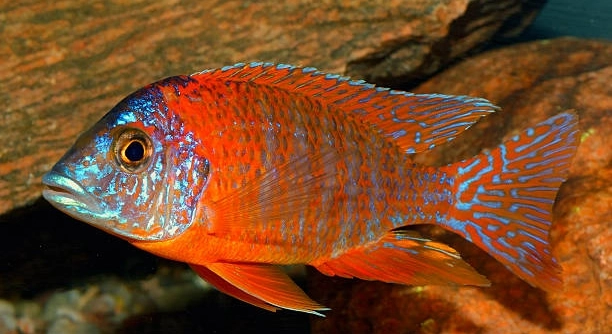
Cichlids are fascinating fish known for their intelligence and strong personalities. In home aquariums, these behaviors can become more noticeable as they establish spaces. Observing their actions carefully can reveal subtle signs of territorial behavior.
Cichlids claim territory through a combination of physical displays, aggressive interactions, and environmental manipulation. Common indicators include chasing intruders, flaring fins, digging in substrate, guarding specific areas, and vocal or visual signaling. Recognizing these behaviors is essential for proper aquarium management.
Understanding these cues helps maintain harmony in your tank and prevents conflicts that can stress both fish and owners. Observing and responding appropriately ensures a healthier environment for your cichlids.
Digging and Rearranging Substrate
Cichlids often dig in the substrate as a way to mark and defend territory. They may move gravel, sand, or small rocks to create pits, clear areas for nests, or expose hidden spaces. This behavior is particularly noticeable during breeding periods, but it can happen anytime a fish feels the need to establish control over its surroundings. Digging can also serve to create hiding spots or remove debris, which adds to the sense of ownership over a specific section of the tank. Watching a fish rearrange the substrate can help you identify which areas are most important to it. Over time, consistent digging in certain spots is a strong indication that these spaces are considered part of its territory. Adding extra substrate, rocks, or decorations can reduce stress for other fish and prevent disputes. Observing these patterns allows you to manage the tank more effectively.
Substrate digging is a natural behavior but signals strong territorial instincts.
Noticing frequent digging areas can guide adjustments in tank layout to ensure peaceful coexistence and reduce tension among fish.
Guarding Hiding Spots
Guarding hiding spots is a clear sign a cichlid is protecting its territory. Fish will actively monitor caves, plants, or decorations and chase others that come too close.
Cichlids treat these spaces as personal zones, using them to rest, spawn, or retreat when stressed. A fish guarding a spot may circle the area, flare its fins, and respond aggressively to intruders. This behavior intensifies if the space contains eggs or fry, showing a strong instinct to protect offspring. Even in community tanks, territorial cichlids can become very attached to specific hiding areas, making it important to provide multiple shelters for all fish. Monitoring which areas are guarded most frequently allows you to distribute resources more evenly and reduce conflict. Overcrowding can exacerbate aggression, while extra hiding spots give fish alternatives to confrontation. Recognizing this behavior helps maintain a balanced environment, supporting both the cichlid’s natural instincts and the overall health of the tank. Proper management ensures that all fish feel secure while preventing dominance disputes from escalating.
Chasing Shadows and Reflections
Cichlids may attack their own reflections or shadows, seeing them as rivals encroaching on territory. Mirrors, glass, or shiny objects can trigger repeated displays of aggression.
This behavior occurs because the fish perceives a threat in its environment. Reflections in tank glass often appear like intruding fish. The fish may flare fins, circle the reflection, or peck at the glass repeatedly. Over time, this can stress the fish and lead to injuries if it repeatedly strikes hard surfaces. Observing these interactions helps determine how territorial a fish is and whether adjustments to tank placement or décor are necessary. Using visual barriers or moving reflective objects can reduce these confrontations and allow the fish to feel secure without constant provocation. Understanding how cichlids respond to visual stimuli is key to preventing unnecessary stress and promoting healthier behavior patterns within the tank.
Chasing reflections is a strong sign of territorial instincts and heightened alertness.
Reducing reflective surfaces and providing hiding spots minimizes stress and aggression, helping maintain peace in the tank environment.
Vocalizations and Body Language
Cichlids use sounds and subtle movements to communicate territory claims. Growls, grunts, or head shakes signal dominance or warning to other fish.
These vocalizations are often paired with body language such as raised fins, rapid movements, and side displays. Fish may vibrate or quiver near territory boundaries, letting others know they are prepared to defend space. Even without physical contact, these signals are effective at deterring intruders and reducing direct confrontations. Recognizing patterns in sound and posture can reveal which areas are highly valued by the fish and which individuals are most dominant. Over time, careful observation of these cues allows for adjustments in tank layout, such as adding more shelters or partitioning spaces, which can prevent ongoing disputes. Paying attention to both auditory and visual signals provides a fuller understanding of territorial behavior and helps maintain a balanced, stress-free environment.
Guarding Eggs and Fry
Cichlids become highly protective when eggs or fry are present. They stay close, chasing or nipping other fish that approach.
Parents may fan eggs with fins, move fry to safer spots, and constantly patrol their territory. This behavior ensures offspring survival and signals strong territorial instincts.
Territorial Circling
Cichlids often swim in repeated loops around their claimed area. Circling marks boundaries and warns intruders without direct attacks. Fish may flare fins, pause, and return to the same path, reinforcing control over specific spaces. Observing circling patterns shows which areas are most important to each fish.
Digging Near Structures
Cichlids frequently dig near rocks, plants, or decorations. This activity strengthens their claim and prepares nesting or hiding areas.
Hiding and Retreating Spots
Fish retreat to specific shelters to assert territory while monitoring the tank. These zones become central to their sense of control.
FAQ
How can I tell if my cichlid is being territorial or just aggressive?
Territorial behavior is often focused on a specific area, object, or hiding spot. The fish will consistently chase intruders, flare fins, dig in the substrate, or guard nests. General aggression without a pattern may indicate stress, overcrowding, or health issues rather than territory defense. Observing which areas the fish defends helps distinguish between normal territoriality and random aggression.
Is chasing other fish always harmful?
Not always. Short bursts of chasing are natural and part of establishing boundaries. Problems arise if the chasing is constant or injures other fish. Providing hiding spots and visual barriers reduces stress and allows fish to maintain territory without continuous confrontations.
Why does my cichlid flare its fins so often?
Flaring is a visual signal meant to assert dominance and communicate strength. It may occur near territory boundaries, nesting areas, or during interactions with other fish. Regular flaring is a healthy sign of active territorial behavior. However, constant flaring without relief could indicate stress or overcrowding.
How should I manage multiple territorial cichlids in one tank?
Provide plenty of space and shelters for each fish. Rocks, plants, and partitions help divide the tank into separate zones. Observing interactions allows you to adjust the environment and prevent repeated conflicts. Avoid overcrowding, as it increases aggression and stress among territorial cichlids.
Do cichlids guard eggs and fry differently than other spaces?
Yes. When eggs or fry are present, territorial instincts intensify. Parents may fan eggs, move fry to safe spots, and chase away all nearby fish. Guarding behavior is most aggressive during breeding periods but decreases once fry grow or disperse.
Can reflections or shadows cause territorial issues?
Reflections in glass or shiny decorations can trigger chasing and flaring. The fish perceives its reflection as an intruder. Reducing reflective surfaces or adding visual barriers can prevent unnecessary stress and repeated aggressive displays.
How can I reduce stress in territorial cichlids?
Providing multiple hiding spots, adequate space, and visual barriers helps fish feel secure. Maintaining proper water quality and feeding schedules also reduces tension. Observing each fish’s preferred areas allows adjustments that minimize disputes and maintain a stable environment.
Do all cichlids display territorial behavior in the same way?
No. Behavior varies by species, age, and gender. Males are generally more aggressive and dominant, while females may guard nests or hiding spots. Observing patterns specific to your species ensures proper management and minimizes conflicts in the tank.
Is digging and rearranging substrate harmful?
Digging is normal and helps cichlids claim territory or prepare nests. It becomes a problem only if it damages plants, decorations, or creates unsafe conditions. Monitoring substrate activity and providing extra materials can prevent issues.
How do I know when territory disputes are becoming dangerous?
Frequent injuries, torn fins, constant chasing, or hiding indicate conflicts have escalated. Separating aggressive fish, increasing hiding spots, or enlarging the tank helps prevent serious harm. Early intervention keeps all fish safe and maintains harmony in the aquarium.
What role do vocalizations play in territorial behavior?
Sounds like grunts, growls, or head shakes are warnings to other fish. Paired with fin displays or circling movements, they communicate dominance without physical attacks. Recognizing these cues helps identify territory boundaries and understand interactions between fish.
Can rearranging the tank reduce territorial stress?
Yes. Moving rocks, plants, and decorations creates new zones, divides space, and reduces repeated conflicts. Adjusting the environment encourages natural behaviors while minimizing stress and aggression among territorial cichlids.
How do I balance a community tank with territorial cichlids?
Select compatible species, provide plenty of space, and ensure multiple shelters. Observing which fish dominate certain areas allows adjustments to prevent continuous disputes. Maintaining stable water conditions and feeding routines also reduces stress and promotes peaceful coexistence.
Are territorial displays a sign of healthy cichlids?
Yes, in moderation. Flaring, chasing, digging, and guarding reflect natural instincts. Excessive or uncontrolled aggression, however, can indicate overcrowding, stress, or health problems. Regular observation ensures these behaviors remain natural rather than harmful.
How often should I monitor territorial behavior?
Daily observation is ideal. Noting patterns in chasing, flaring, guarding, and substrate digging allows early detection of issues. Adjustments to tank layout, shelter placement, or population density can prevent conflicts and maintain a stable environment for all cichlids.
Final Thoughts
Understanding territorial behavior in cichlids is essential for maintaining a healthy aquarium. These fish are naturally protective of their space, and recognizing their actions can prevent unnecessary stress and conflicts. Behaviors such as chasing, flaring fins, digging, and guarding eggs or hiding spots are not signs of poor care but normal instincts. Observing your cichlids closely allows you to identify which areas they value most. Providing sufficient space, multiple shelters, and visual barriers helps reduce aggressive encounters while still allowing the fish to express their natural behaviors. This balance supports both the physical and emotional well-being of your fish and ensures a more stable and peaceful environment in the tank. Over time, understanding these patterns becomes easier, and you can anticipate how your cichlids will interact with each other and their surroundings.
Territorial behavior can vary widely between species, individual fish, and even genders. Males tend to display more aggressive and dominant behaviors, while females often focus on guarding nests or fry. Some species are more prone to constant patrolling or chasing, while others only assert dominance during breeding periods. Recognizing these differences is important for effective tank management. Even within the same species, individual personality and health status can influence behavior. A fish that is stressed, overcrowded, or unwell may show exaggerated aggression or heightened territorial displays. Maintaining consistent water quality, providing adequate nutrition, and ensuring proper tank size are all crucial factors in moderating territorial behavior. Adjustments to the environment, such as rearranging rocks or adding plants, can make a significant difference in how fish interact. Taking a structured approach helps prevent repeated conflicts and supports the overall health of the aquarium.
Caring for territorial cichlids requires observation, patience, and proactive management. Monitoring patterns such as chasing, flaring, digging, and guarding helps you identify which behaviors are natural and which may indicate stress or overcrowding. Providing multiple hiding spots, visual barriers, and adequate space allows the fish to establish territories without constant conflict. Awareness of species-specific behavior and individual tendencies makes it easier to manage interactions in a community tank. Early intervention, such as separating overly aggressive fish or redistributing decorations, can prevent injuries and reduce tension. By understanding and respecting the natural instincts of cichlids, you create an environment where they can thrive safely. Consistent care, observation, and thoughtful tank setup contribute to a peaceful and healthy aquarium, allowing these intelligent and vibrant fish to display their natural behaviors while minimizing stress and conflict.

Hello,
If you enjoy the content that we create, please consider saying a "Thank You!" by leaving a tip.
Every little bit helps us continue crafting quality advice that supports the health, happiness, and well-being of pets around the world, for pets of all shapes, sizes, and species.
We really appreciate the kindness and support that you show us!