
Have you ever wondered how to tell if your rasboras are truly happy living together in their tank environment?
Rasboras that thrive in a group display synchronized swimming, vibrant coloration, active feeding, confident exploration, visible relaxation, responsive behavior, and consistent interaction. These signs show they are well-adjusted and feel secure in their social setting.
Noticing these clues can help you better understand their needs and support a healthy and enriching community tank life.
Synchronized Swimming Shows Comfort
When rasboras are comfortable and secure in their group, they often swim together in a smooth, coordinated way. This movement is not random. It’s a sign they are relaxed and in tune with one another. A tight, synchronized group helps protect them from perceived threats, even in a safe tank. This natural schooling behavior also reduces stress. You’ll notice they move quickly but fluidly, shifting directions at the same time. It shows confidence and strong social bonding. If your rasboras are darting apart frequently or lingering alone, they may be uncomfortable. Healthy schooling is more than beautiful to watch—it’s a strong sign your fish feel safe and happy. Try not to disrupt their space or routines too often, as this balance can be delicate. Keep lighting, décor, and feeding consistent to support their sense of security. Their schooling rhythm is a reliable clue that everything is working well in their environment.
Schooling helps them feel safe and mirrors their natural behavior in the wild.
Watching rasboras swim together is calming. It’s one of the clearest ways to know they are doing well. Their unity, movement, and confidence can be easily seen, even by those new to keeping fish.
Bright Colors Mean Good Health
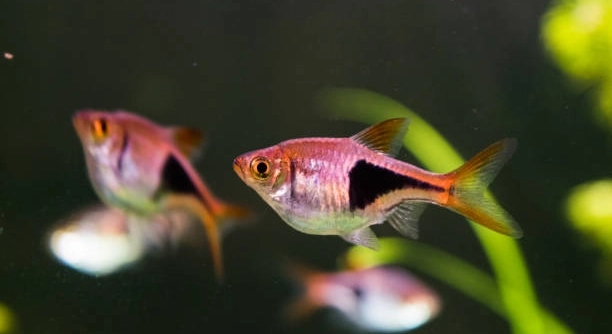
Bright and rich coloration is often a clear sign your rasboras are thriving.
Healthy rasboras develop deeper reds and stronger patterns when conditions are right. Their color is affected by diet, lighting, tank size, and especially stress levels. When they feel secure in a group and are not exposed to aggressive tank mates or poor water quality, their natural colors shine through. It’s best to feed them a varied diet with high-quality flakes or micro-pellets. Frozen or live foods can also boost their health. A well-maintained tank with clean, stable water helps their coloring stay sharp. Avoid overcrowding, as this leads to stress, which dulls their appearance. If a rasbora becomes pale, it could be reacting to changes in water parameters or isolation. Always compare them with their usual shade rather than relying on pictures. Observation over time will help you understand what is normal. Color changes can be early indicators that something needs adjusting in the tank.
Active Feeding Shows Confidence
Rasboras that eat quickly and swim freely during feeding time show confidence and good health. If they race to the surface or middle to grab food, they are likely comfortable and thriving in their group.
Feeding behavior can reveal a lot. Healthy rasboras in a stable group setting will actively chase food with little hesitation. They should swim together, not hide or wait until food sinks. Shy or slow feeders might be stressed or sick. It’s helpful to feed them at the same time each day in small amounts. This keeps their environment predictable and reduces competition. Use high-quality, appropriately sized food that floats or sinks slowly. If one rasbora regularly avoids food or stays apart, monitor it closely. This could point to an issue with social dynamics or water conditions. Active group feeding is a strong sign that your rasboras feel secure and are enjoying their setup.
A consistent feeding routine also supports their social bonds. When rasboras feel safe and expect food at the same time each day, they stay more synchronized as a group. Avoid sudden changes in food type or timing. These shifts can disrupt their feeding habits and cause unnecessary stress. Calm, confident eaters usually mean everything is going right in the tank.
Exploration Means Low Stress
Exploration is another easy clue. Rasboras that swim around the tank and check out every area tend to be calm and comfortable in their group. Skittish or hiding fish may feel unsafe or stressed.
Rasboras are naturally curious and tend to move through all levels of the tank when conditions are right. You’ll often find them cruising from the middle to the top, weaving around plants and decorations, and interacting with one another. This behavior usually happens after they’ve fully settled into their environment and feel secure among their tank mates. If they stay in just one section, especially a corner or near the substrate, they may be stressed by a dominant fish, poor water quality, or a sudden environmental change. A well-decorated tank gives them plenty of spaces to explore while still feeling protected. Active movement shows their comfort, but it also helps keep them fit and alert.
Relaxed Body Language
Relaxed rasboras have smooth, even swimming patterns with no sudden darting or jerky motions. Their fins stay open and steady, not clamped or twitching. Calm behavior like this usually means they feel safe and secure in their group.
When rasboras hover gently or glide through the water without hesitation, it’s a positive sign. They aren’t hiding, gasping, or pushing against the glass. You’ll often see them resting mid-water or near plants with subtle fin movements. This calmness reflects a well-balanced tank and stable social dynamics.
Responsive to Tank Mates
Rasboras that respond naturally to others—matching swimming speed, adjusting position, or forming quick schools—are comfortable and socially engaged. These small interactions help maintain group stability. If one fish constantly chases or avoids another, something may be off. Balanced interactions show your rasboras feel at ease and are functioning well as a group.
Consistent Daily Behavior
When rasboras stick to familiar patterns each day, it’s a sign they’re adjusted. They tend to feed at the same time, swim in groups, and explore in predictable ways. Disruptions in this behavior may point to stress or changes in the tank that need attention.
FAQ
Why do rasboras need to be kept in groups?
Rasboras are naturally schooling fish, which means they rely on groups for safety and social interaction. Being in a group helps reduce stress and mimics their natural environment. When kept alone or in very small numbers, they can become shy, stressed, or even unhealthy. Groups encourage natural behaviors like synchronized swimming and social bonding. These behaviors are essential for their well-being and longevity.
How many rasboras should be kept together?
A minimum of six rasboras is recommended to form a proper group. Smaller numbers often lead to stress and unusual behavior because they lack enough companions to feel secure. More fish can improve social dynamics, but overcrowding should be avoided. Ensure your tank size supports the group comfortably, with enough swimming space and hiding spots. This balance helps rasboras stay active and healthy.
What are the signs of stress in rasboras?
Stress in rasboras can show up as hiding, loss of color, clamped fins, erratic swimming, or refusal to eat. Sometimes they become lethargic or isolate themselves from the group. Stress often results from poor water quality, aggressive tank mates, or insufficient group size. Catching these signs early allows you to make changes to improve their environment and health.
How important is water quality for a group of rasboras?
Water quality is critical for rasboras’ health, especially in groups. Poor water conditions can quickly affect multiple fish, causing illness and stress. Regular testing and water changes keep ammonia, nitrite, and nitrate levels low. Stable temperature and pH levels are also key. A clean tank with proper filtration supports their immune system and promotes natural behavior.
Can rasboras live with other fish?
Yes, rasboras generally do well with peaceful tank mates that won’t outcompete or harass them. Ideal companions include small tetras, gouramis, or peaceful bottom dwellers. Avoid aggressive or much larger fish that may bully or eat the rasboras. Keeping compatible species helps maintain a calm, balanced tank environment for everyone.
What kind of diet supports a thriving group of rasboras?
A varied diet with quality flakes, micro pellets, and occasional frozen or live foods like daphnia or brine shrimp supports their color and energy. Feeding small amounts two to three times daily prevents overfeeding and water pollution. Well-fed rasboras are more active, colorful, and confident in their group.
How can I encourage schooling behavior in my rasboras?
Provide enough space for swimming and include plants or decorations that offer shelter but don’t overcrowd the tank. Stable water conditions and a consistent feeding routine help rasboras feel secure. Keeping them in groups of six or more naturally encourages schooling. Avoid sudden changes in lighting or environment that may cause stress.
What should I do if one rasbora is isolated or not schooling?
Isolation can signal illness, stress, or bullying. Check water quality immediately and observe for signs of disease. Ensure the fish isn’t being picked on by others. If needed, isolate the affected fish in a separate tank for treatment. Sometimes adjusting tank mates or improving hiding spots helps the whole group feel more comfortable.
How does tank setup affect group behavior?
A well-planned tank with hiding places, open swimming areas, and proper lighting supports natural rasbora behavior. Plants, driftwood, and rocks create security and encourage exploration. Too little space or poor decoration can cause stress and break social bonds. Consistent maintenance and thoughtful design improve group harmony.
Can rasboras breed in a group setting?
Yes, rasboras often breed in groups, especially when they feel safe and healthy. They scatter eggs among plants or substrate. To protect eggs, some owners move adults to a separate breeding tank. Breeding behavior is another sign your group is thriving and well cared for.
When keeping rasboras, observing their behavior closely helps you understand how well they are doing in your tank. Group living is very important for these fish because it supports their natural instincts and promotes their overall well-being. Signs like synchronized swimming, bright colors, active feeding, and calm exploration show they are comfortable and healthy. Each of these behaviors points to a balanced environment where the fish feel safe and secure. Maintaining good water quality, proper tank size, and a consistent feeding routine all contribute to creating this supportive space for them.
It is also important to remember that rasboras are social creatures that rely on each other. A group that interacts well together will show fewer signs of stress and illness. When you notice one fish isolating itself or losing its color, it could be a sign that something needs attention. Checking water parameters and tank conditions regularly helps prevent problems before they become serious. Providing hiding spots and a well-structured tank layout encourages exploration and calm body language, which further supports their health. Paying attention to these details will ensure that your rasboras can live their best life in the group setting.
In the end, successful care of rasboras means meeting their social and environmental needs consistently. They thrive best when their natural behaviors are respected and supported through proper tank setup and maintenance. Keeping a close eye on their daily actions and changes helps you react quickly to any concerns. A healthy, happy group of rasboras brings beauty and liveliness to your aquarium, making all your efforts worthwhile. With patience and care, you can create a stable home where your rasboras can flourish together.

Hello,
If you enjoy the content that we create, please consider saying a "Thank You!" by leaving a tip.
Every little bit helps us continue crafting quality advice that supports the health, happiness, and well-being of pets around the world, for pets of all shapes, sizes, and species.
We really appreciate the kindness and support that you show us!