
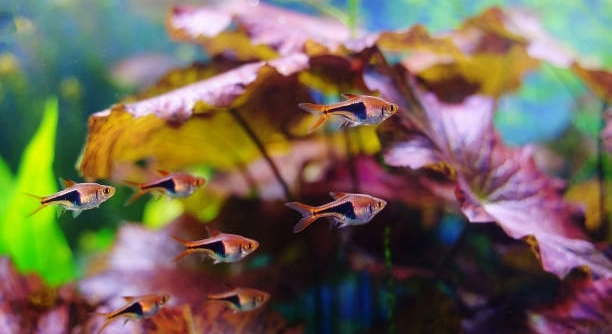
Are your rasboras acting a little different lately, showing more color or becoming extra active around each other in the tank?
Rasboras often display clear signs when ready to breed, including intensified coloration, increased activity, and visible pairing behavior. Recognizing these clues can help aquarists create the right environment for a successful breeding experience.
Recognizing these small changes can help you support your rasboras during this stage and possibly lead to healthy fry in your tank.
Increased Coloration
When rasboras are getting ready to breed, one of the first things you may notice is a change in their color. Males especially start to display brighter, more intense shades, particularly around the belly and fins. This deepened coloration is their way of attracting a mate and signaling reproductive readiness. In species like the Harlequin Rasbora, the black triangle on their body becomes more defined. These color shifts aren’t permanent—they usually fade if breeding doesn’t happen or after the breeding phase is over. If your rasboras are healthy, fed a balanced diet, and kept in a stable environment, these visual cues can be easy to spot. Tank conditions such as soft, slightly acidic water and steady temperatures between 75–80°F can also enhance their colors naturally. Observing these changes closely can help you prepare for what’s next, like possible egg-laying or changes in swimming patterns. Color change is often the first clear sign.
Color changes tend to appear gradually and are stronger in males. Keep an eye out for deep oranges or bright reds during feeding and morning hours.
If your rasboras are showing richer colors than usual, they may be preparing to breed. This is a natural shift tied to health, maturity, and water quality.
Increased Activity and Chasing
Rasboras that are about to breed become noticeably more active in the tank. You may see them swimming more quickly or displaying frequent bursts of energy during the day.
This activity often includes gentle chasing behavior, mostly from males following females around the tank. It’s not aggressive—just a signal that the males are trying to show interest. If the female is ready, she won’t swim away constantly, and you might see the pair swimming closely, sometimes in circles. This behavior often happens after a water change or when the temperature slightly rises. These conditions mimic breeding triggers found in the wild. Activity usually peaks early in the day and may continue for several days. Some aquarists also notice the rasboras becoming more interactive with each other and staying closer in small groups. It helps to reduce tank stress by keeping things calm—avoid tapping the glass or making big changes during this time. The more comfortable they feel, the more natural this behavior will be.
Pairing Off
When rasboras are ready to breed, they start forming pairs. You’ll often see one male and one female swimming close together, breaking away from the rest of the group for short periods.
This pairing behavior usually comes after a period of chasing and increased interaction. The male may gently swim beside the female or slightly underneath her, nudging or brushing her side. These subtle movements signal interest and are part of the rasboras’ natural courtship process. It doesn’t always lead to immediate spawning, but it’s a strong sign they’re getting close. If the tank has multiple males, you may notice some light competition, with the most colorful or active male pairing with the female. Once paired, they often return to the same areas of the tank repeatedly—especially spots with fine-leaved plants or shaded zones. These quiet zones can become the future spawning sites if conditions are just right.
Some pairs may stay together for several hours, often returning to the same spots in the tank. If the female looks rounder than usual, egg-laying may begin soon. Providing soft plants or spawning mops gives the female a safe place to lay her eggs. A dimly lit environment can help them feel secure.
Females Appear Rounder
As breeding time gets closer, female rasboras become noticeably rounder, especially around the belly. This isn’t due to overfeeding—it’s the eggs building up inside her. The shape change is gentle but easy to spot.
When comparing females to males, the difference in body shape becomes clearer. Males tend to stay slender, while females develop a fuller abdomen that makes them look slightly heavier from the side view. You might notice this more clearly when they’re swimming near the glass or hovering still. This roundness usually appears alongside other signs like pairing off or being followed by a male. It’s helpful to avoid overfeeding during this time since it can confuse the signs. Focus on giving them small amounts of high-quality food such as live or frozen daphnia and baby brine shrimp. This keeps them in top condition and helps egg development without adding unnecessary fat to the fish.
Frequent Visits to Specific Areas
Rasboras ready to spawn often return to the same part of the tank. These spots are usually calm and shaded, with fine-leaved plants, moss, or spawning mops. They prefer gentle lighting and low current zones.
You may also see both fish hovering in one area repeatedly throughout the day. This behavior shows they’re scouting a potential place to lay eggs. If the female spends extra time near this spot while the male circles nearby, it’s a good sign spawning might be close.
Early Morning Activity
Most rasboras breed early in the morning, often just after the tank lights turn on or the room brightens naturally. You might see a burst of movement, with the male nudging the female toward plants or tank corners. During this time, eggs may be released, and the male quickly fertilizes them. Rasboras don’t provide care for their eggs, so it’s common for them to swim away immediately after spawning. Some even try to eat the eggs if left in the tank. If you want to raise the fry, it’s best to remove the adults once eggs are spotted.
Subtle Shivering or Vibrating
During courtship, males may show a soft shivering or vibrating motion near the female. This movement isn’t aggressive and usually happens during close swimming or while they’re paused near plants. It’s a common pre-spawning sign in rasboras.
FAQ
How long does it take for rasboras to spawn after showing breeding signs?
Once rasboras begin showing breeding signs—like brighter colors, pairing, and increased activity—it can take anywhere from a few days to a week for spawning to happen. The process moves faster if the tank conditions support it. This includes slightly acidic water, a temperature between 75–80°F, and dim lighting. Feeding them high-protein foods like live or frozen daphnia or brine shrimp can also help speed things up. If all signs are present but spawning doesn’t occur, double-check water quality and ensure stress is minimal in the tank. Avoid sudden changes and loud activity near the aquarium.
Do rasboras eat their eggs?
Yes, rasboras often eat their eggs if given the chance. They don’t provide any care after spawning. That’s why breeders usually separate the adults from the eggs soon after spawning is complete. If you plan to raise fry, set up a breeding tank with fine-leaved plants or a spawning mop to catch the eggs, then move the adults out right away. Another option is to use a mesh or grate that allows the eggs to fall through while keeping the adults from reaching them. This increases the chances of the eggs surviving and hatching.
Can rasboras breed in a community tank?
While rasboras may attempt to breed in a community tank, it’s not ideal. The eggs are small, and other fish will likely eat them quickly. Even the adult rasboras will consume them. If you’re serious about breeding, use a separate tank with proper lighting, plants, and water conditions. It gives the fish privacy and a safer space for spawning. A breeding tank also allows you to monitor signs more easily and remove the adults once eggs are laid. It doesn’t need to be large—a 10-gallon tank is often enough for a pair or small group.
What’s the best substrate for a rasbora breeding tank?
Rasboras don’t need a specific substrate for breeding, but using a dark-colored or bare-bottom tank helps you see the eggs more easily. Fine-leaved plants, mosses like Java moss, or artificial spawning mops are more important than substrate. These give the female a place to scatter her eggs. Avoid gravel that makes it hard to spot or clean the eggs. A bare-bottom tank is also easier to clean and reduces the risk of fungus or bacteria harming the eggs. If you use substrate, choose one that doesn’t trap debris and is easy to keep clean.
How many eggs do rasboras lay?
Rasboras usually lay between 50 to 100 eggs in one spawning session, depending on the female’s size and health. The eggs are tiny, clear to pale in color, and are often scattered over plants or left to sink to the bottom. Not all the eggs will be fertilized, and some may not survive. To improve the chances, ensure the water is clean, use a sponge filter for gentle filtration, and avoid sudden changes in temperature or pH. Once eggs are laid, removing the adults quickly is one of the most effective ways to protect them.
How long does it take for rasbora eggs to hatch?
Rasbora eggs hatch in about 24 to 36 hours, depending on the water temperature. Warmer temperatures within the recommended range can speed up hatching slightly. After hatching, the fry will rest on surfaces like plants or tank glass for another 24 to 48 hours while they absorb their yolk sacs. During this time, they don’t need food. Once they become free-swimming, you can start feeding them infusoria or other tiny fry foods. Keep the tank quiet and clean to help survival rates. Daily partial water changes with gentle siphoning also help maintain good conditions.
What’s the best way to feed rasbora fry?
Start feeding rasbora fry once they become free-swimming, usually around 3 days after hatching. At this stage, their mouths are very small, so infusoria is ideal for the first few days. After that, you can introduce baby brine shrimp or crushed fry powder. Feed tiny amounts several times a day to support healthy growth. Avoid overfeeding, as uneaten food can pollute the water. A sponge filter helps with gentle circulation and keeps the water clean. Keep the tank covered, as fry are sensitive to changes in light and temperature. Consistency is key in this stage.
Final Thoughts
Breeding rasboras can be a rewarding experience if you take the time to understand their behavior. Watching them become more colorful, active, and form pairs gives you clear clues that they are ready. These signs are easy to miss if you’re not looking closely, but once you know what to watch for, it becomes much easier. Creating a calm and steady environment helps support this process. Slight changes in water temperature, gentle lighting, and a quiet tank space all make a big difference. Even something as simple as feeding them high-quality food can play a big role in getting them into breeding condition.
If you plan to raise fry, preparing ahead of time is important. Rasboras don’t protect their eggs, and most of the time, they’ll eat them if left in the same tank. Having a breeding tank ready with soft plants or a spawning mop gives the eggs a better chance. Once the eggs are laid, removing the adults is usually the best way to keep the eggs safe. From there, you’ll need to watch the water quality and keep the environment clean and stable. When the fry hatch, they’ll need very small food and gentle care. It’s a slow process, but watching tiny fry grow is a good sign that you’ve set things up right.
Breeding rasboras isn’t overly difficult, but it does take patience and attention to detail. The process works best when you stay consistent with your tank maintenance, feeding, and daily observation. You don’t need fancy equipment, but having the basics—a small breeding tank, clean water, live or frozen food, and some quiet time for your fish—can go a long way. Once you’ve seen a successful breeding cycle from start to finish, it becomes easier each time. You learn how your fish behave, what signs to look for, and what conditions work best for them. Whether you’re doing this for fun, learning, or just want to see your fish thrive, breeding rasboras offers a simple but interesting way to connect with your aquarium in a new way.

Hello,
If you enjoy the content that we create, please consider saying a "Thank You!" by leaving a tip.
Every little bit helps us continue crafting quality advice that supports the health, happiness, and well-being of pets around the world, for pets of all shapes, sizes, and species.
We really appreciate the kindness and support that you show us!