
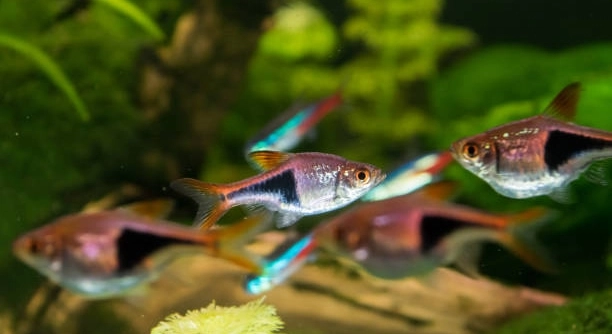
Rasbora are small, active fish that often need time to adjust when introduced to a new tank. Their behavior can show signs of learning and adapting to the environment around them. Watching these changes can help understand their comfort level.
Rasbora gradually learn their tank by exploring, recognizing safe areas, and adjusting their swimming patterns. These behaviors indicate growing familiarity with the space and signals that the fish are becoming comfortable in their new habitat.
Observing these subtle clues helps create a better environment for rasbora and supports their well-being in captivity.
Exploring the Tank Gradually
When rasbora are first placed in a new tank, they usually begin by cautiously exploring their surroundings. At first, they might stay near the tank’s edges or hide behind plants and decorations. This is a natural behavior as they assess potential threats and find safe spots. Over time, they swim more confidently around the tank, moving away from hiding spots and checking out open spaces. Their movements become smoother and less erratic, showing that they are getting used to the environment. Watching this gradual exploration helps confirm that the fish feel safer and are adapting well. Each small swim outside a hiding place is a sign of growing trust in their new home. Keeping the tank stable with proper water parameters supports this learning phase and helps the fish stay healthy.
This slow adjustment is key to helping rasbora feel at ease and settle comfortably in the tank.
As the rasbora explore, they also start to recognize landmarks like plants or rocks. This recognition guides their swimming routes and helps them find food or resting places more easily. They may also begin schooling in tighter groups, which offers a sense of security. Noticing these patterns shows the tank is becoming familiar to them.
Changes in Swimming Patterns
Rasbora’s swimming habits change noticeably as they adapt to the tank.
At first, their swimming can be quick and jittery, often near the tank bottom or corners. As they become more comfortable, their swimming becomes calmer and more purposeful, with longer, steady movements throughout the tank. They start exploring different water levels instead of staying low. The schooling behavior also improves, with fish swimming closely together in synchronized movements. This signals growing confidence and social comfort. Watching these changes helps owners understand that the fish are learning the tank layout and feel less stressed. Consistent feeding schedules and a calm environment encourage these positive swimming adjustments. Observing these shifts can help identify when the fish are ready to interact more or when the tank setup needs adjustments to support their comfort further.
Interaction with Tankmates
Rasbora adjust their behavior based on the other fish around them. They tend to be peaceful and look for harmony in the tank, avoiding aggression or conflict whenever possible.
When placed with compatible tankmates, rasbora will swim calmly and often join schools with similar species. They show less hiding and more open swimming, which indicates comfort and acceptance. If tankmates are aggressive or overly active, rasbora may become stressed, retreating to hiding spots or showing erratic swimming. Observing how rasbora respond to other fish helps identify if the social environment is suitable or needs changes. Providing a balanced community supports their learning and reduces stress.
Tankmates also influence feeding behavior and activity levels. Rasbora that feel safe around other fish are more likely to feed confidently and explore all parts of the tank. This interaction shows their increasing adaptation and comfort within the environment.
Recognizing Feeding Spots
Rasbora quickly learn where food is usually offered in the tank.
They start to associate certain areas or times with feeding, often gathering near those spots when food is expected. This behavior shows they are adapting to the routine and environment. The anticipation of food encourages them to explore more openly and stay active.
Rasbora also develop a feeding hierarchy within their group, which helps reduce competition and stress. Watching them respond eagerly to feeding times and places is a good sign of their comfort and learning progress. This behavior reflects their growing understanding of the tank’s rhythm and supports healthy development.
Use of Hiding Spots
Rasbora use hiding spots to feel safe while adjusting to the tank. Initially, they may spend a lot of time in these areas.
As they get more comfortable, they visit hiding places less often and spend more time swimming openly.
Response to Light Changes
Rasbora quickly notice changes in light within their tank. They may become less active or seek shelter when lights are bright or suddenly turned on. This reaction shows their sensitivity to the environment and how they learn to avoid stress.
Signs of Stress Reduction
Over time, rasbora show fewer stress behaviors like darting or clamping fins. This indicates they are adapting well to their surroundings and learning the tank’s layout.
Familiarity with Tankmates
Rasbora grow more comfortable with their tankmates, swimming closer and showing less fear.
FAQ
How long does it take for rasbora to learn their tank?
Rasbora usually start showing signs of adapting within a few days, but full comfort can take several weeks. It depends on the tank setup, water conditions, and tankmates. Patience is important, as sudden changes can stress them and slow down the adjustment process.
What are the first signs that rasbora are getting used to the tank?
Early signs include less hiding and more confident swimming around the tank. They begin exploring new areas and swim away from the edges. Group swimming or schooling also becomes more organized as they feel safer together.
Why do rasbora hide so much at first?
Hiding is a natural defense behavior. New surroundings feel unfamiliar and potentially dangerous, so they seek shelter to feel protected. Over time, as they learn the tank and feel secure, hiding decreases.
Can rasbora get stressed from tankmates?
Yes, aggressive or very active tankmates can cause stress. Rasbora prefer peaceful companions. Stress signs include frantic swimming, constant hiding, or loss of appetite. Choosing calm, compatible fish helps rasbora feel safe and adapt faster.
How can I help my rasbora learn the tank faster?
Keep tank conditions stable with clean water and consistent temperature. Add plenty of plants and decorations for hiding and landmarks. Feed them regularly at the same spot and time to create a routine. Avoid sudden changes to reduce stress.
What does it mean if rasbora swim near the surface?
Swimming near the surface can be normal if they are exploring or feeding. However, if it is constant, it might indicate low oxygen or poor water quality. Checking tank conditions is important to ensure their health.
Why do rasbora school more as they get used to the tank?
Schooling is a social behavior that provides security. As rasbora learn the tank and feel safer, they group more tightly. This helps reduce stress and encourages natural behavior.
How do feeding behaviors show that rasbora are learning the tank?
When rasbora come quickly to feeding spots, it shows they recognize the routine and are comfortable. They may also compete less aggressively as they settle into the feeding order.
Is it normal for rasbora to react to sudden light changes?
Yes, they are sensitive to light and may dart or hide when lights turn on suddenly. Gradually adjusting lighting or providing shaded areas helps them stay calm.
What are common mistakes that slow down rasbora adaptation?
Frequent water changes, moving decorations often, or introducing aggressive tankmates can cause stress. Inconsistent feeding and poor water quality also slow down their learning and comfort.
Can rasbora remember their tank setup?
Rasbora have good spatial memory. They remember hiding spots, feeding areas, and safe zones. This memory helps them navigate confidently and feel secure.
How can I tell if my rasbora are happy in their tank?
Happy rasbora swim actively, school closely, feed eagerly, and explore the tank without excessive hiding. Their fins stay open and colors look vibrant.
What should I do if my rasbora seem stressed?
Check water parameters immediately and improve water quality if needed. Reduce stress by adding more hiding spots or rearranging decorations less frequently. Avoid sudden changes and ensure tankmates are peaceful.
Do rasbora learn to recognize their owner?
While not as interactive as some fish, rasbora can associate the owner with feeding times. They may swim toward the front of the tank when you approach, showing recognition of the routine.
Can changes in tank size affect how rasbora learn their environment?
Yes, larger tanks take longer for rasbora to fully learn because there is more space to explore and remember. Smaller tanks allow quicker adaptation but need enough space for swimming and schooling.
How important is tank decoration in rasbora learning?
Decorations provide landmarks and hiding spots that help rasbora feel safe and navigate the tank easily. A well-decorated tank supports their learning and reduces stress by breaking open space.
Are there signs that rasbora are still stressed after a long time?
If rasbora continue hiding, darting, or refusing to eat weeks after introduction, stress may still be present. Reviewing tank conditions and community setup is important to fix any ongoing issues.
How does temperature affect rasbora’s adaptation?
Stable, suitable temperatures help rasbora stay healthy and adapt faster. Sudden drops or spikes cause stress and delay learning. Maintaining recommended temperature ranges is crucial for their well-being.
Can lighting schedule impact rasbora’s comfort?
Yes, a consistent lighting schedule helps regulate their activity and rest. Irregular or too bright lighting can cause stress and affect their behavior. Using timers ensures steady day-night cycles.
What role does water quality play in rasbora learning the tank?
Good water quality reduces stress and illness, allowing rasbora to focus on exploring and adapting. Poor water conditions cause discomfort, hiding, and poor health, which interfere with learning. Regular testing and maintenance are necessary.
Rasbora are gentle fish that need time and patience to get used to a new tank. Their behavior changes slowly as they explore their environment and become more comfortable. Watching their movements, how they interact with tankmates, and their response to feeding can give clear signs that they are learning and adapting well. It is important to create a stable and peaceful environment for them to feel safe. This helps reduce stress and supports their natural behaviors like schooling and exploring.
A well-planned tank with plenty of hiding spots and landmarks helps rasbora learn their surroundings faster. Consistent water quality, proper lighting, and a calm atmosphere are key factors in making them feel at home. Rasbora tend to react to sudden changes or aggressive tankmates, which can slow down their adjustment. Keeping their routine predictable, especially feeding times and locations, encourages them to explore more confidently. Over time, these fish show less hiding and more open swimming, signs that they trust their new space.
Patience is essential when caring for rasbora. Each fish may adapt at its own pace, so it is important to observe their behavior carefully and make changes if needed to improve their comfort. Understanding these small clues helps create a better environment and promotes the health and happiness of the fish. With the right care, rasbora can thrive and display their natural, active behavior, making them a rewarding addition to any aquarium.

Hello,
If you enjoy the content that we create, please consider saying a "Thank You!" by leaving a tip.
Every little bit helps us continue crafting quality advice that supports the health, happiness, and well-being of pets around the world, for pets of all shapes, sizes, and species.
We really appreciate the kindness and support that you show us!