
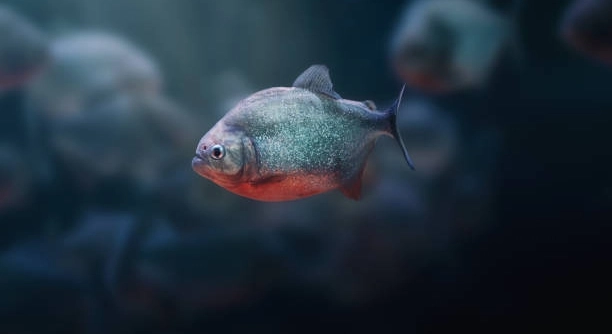
Piranhas are known for their sudden bursts of activity, especially when it comes to feeding. Recognizing when they are ready to eat again helps maintain their health and keeps their behavior predictable. Feeding at the right time is key for these fish.
Piranhas show clear signs when they are ready to feed again. These signs include increased movement, alertness, changes in coloration, and specific behaviors like circling or approaching the feeding area. Identifying these clues helps provide food at appropriate times.
Knowing these indicators ensures proper care and a healthy feeding routine for your piranhas. The following guide outlines seven clear signs to watch for before feeding them again.
Increased Activity and Movement
When piranhas are ready to eat again, they often become noticeably more active. This increased movement is a clear indicator that their hunger levels are rising. You might observe them swimming more rapidly or swimming closer to the front of the tank. They may also start to explore their environment with more energy than usual. This restlessness is their way of signaling that feeding time is near. Watching for these changes can help you time their meals better. Feeding them when they are alert and active supports their digestion and overall health. It also reduces the chances of leftover food that could pollute the tank. Keeping an eye on their activity patterns helps maintain a balanced feeding routine.
Piranhas often swim near the feeding area or glass, showing anticipation. This behavior signals readiness for food.
Recognizing this activity is important because it prevents overfeeding and maintains water quality. If piranhas seem sluggish or uninterested, it might be too soon to feed. Feeding during high activity ensures they eat all the food, avoiding waste. Regularly observing your piranhas’ swimming patterns creates a consistent schedule that matches their natural hunger cycles. This promotes better health and reduces stress for the fish. Over time, you learn their unique signs of hunger, allowing you to respond appropriately. Increased movement before feeding time is one of the simplest, most reliable signs to watch.
Changes in Coloration
Piranhas may show slight changes in color when they are ready to eat again. These changes are subtle but noticeable to a careful observer. The colors on their bodies and fins can become more vivid or intense. This shift in coloration often indicates increased blood flow and excitement as they anticipate food. It reflects their heightened alertness and readiness to feed. Paying attention to these color shifts helps identify when feeding is appropriate. Feeding at this stage ensures the fish are in optimal condition to process food. It also enhances their natural behaviors and appearance.
Color changes often occur around the head and fin edges, becoming more vibrant.
Coloration shifts are important to monitor because they provide a visual cue of the fish’s internal state. A more colorful piranha is generally a healthy and eager feeder. These changes can also reflect water quality and tank conditions. If colors are dull or faded, it might indicate stress or illness rather than hunger. Feeding when colors brighten supports their metabolism and stimulates natural instincts. Over time, observing these changes alongside other signs gives a clearer picture of feeding readiness. This helps avoid unnecessary feedings and keeps the fish environment stable. The color shift is a subtle but valuable indicator to include in regular observations.
Approaching the Feeding Area
Piranhas often move toward the feeding area when they are ready to eat again. This behavior is a clear sign they expect food soon.
This movement is an instinctive response linked to their feeding schedule. When piranhas anticipate feeding, they gather near the part of the tank where food is usually delivered. This behavior shows they remember feeding times and associate certain locations with food. Watching this pattern helps you time feedings correctly. It also prevents overfeeding because you respond only when the fish show interest. Feeding piranhas when they approach the feeding area encourages natural behavior and helps maintain tank cleanliness by reducing leftover food. This simple observation improves care and feeding routines.
Approaching the feeding area can also mean the fish are socially signaling to each other. Piranhas are social animals, and when one starts moving to the feeding spot, others often follow. This group behavior makes feeding times more predictable. It also helps maintain order in the tank by reducing aggressive competition. Observing this group movement adds another layer of understanding to their feeding readiness.
Increased Alertness and Eye Movement
Piranhas display heightened alertness when ready to feed. Their eyes become more focused, and they track movements closely.
This alertness is part of their natural hunting instinct. When piranhas prepare to eat, they fixate on anything moving near the tank, especially around feeding spots. Their eye movement becomes sharper and more intentional, signaling readiness to strike. This behavior contrasts with their usual relaxed or indifferent state when not hungry. Being aware of this alertness helps prevent feeding too early or late. Feeding at this time supports their natural rhythm and reduces food waste. Eye movement is an important non-verbal cue for understanding piranha hunger levels.
Sharp eye movement also reflects the fish’s mental engagement with their environment. This state improves feeding efficiency and reduces stress during mealtime. Piranhas that are alert and focused generally eat more consistently. Over time, observing these signs lets you predict feeding times more accurately. The combination of alertness and focused eye movement forms a reliable indicator of hunger readiness in piranhas. This behavior helps maintain a healthy feeding cycle and tank environment.
Circling Behavior
Piranhas often swim in circles when they are ready to eat again. This repetitive movement signals anticipation and hunger.
Circling helps piranhas stay active and alert before feeding. It also establishes their presence near the feeding area, preparing them for the upcoming meal.
Increased Gill Movement
When piranhas are ready to feed, their gills move faster. This faster breathing indicates rising energy and preparation for food intake.
Faster gill movement increases oxygen supply, which supports higher activity levels during feeding. Monitoring this sign helps time feedings appropriately.
Social Interactions Before Feeding
Piranhas tend to engage more with each other before eating. This includes nudging or swimming closely as they signal feeding time.
This social behavior reduces aggression during feeding and helps maintain group dynamics. It is a useful sign that they are ready to eat again.
How often should piranhas be fed?
Piranhas should typically be fed once every one to two days. Overfeeding can cause water quality problems and health issues. A consistent feeding schedule helps maintain their health and behavior. Feeding too frequently may lead to obesity and leftover food that pollutes the tank. It’s important to observe their hunger signals before feeding.
What types of food are best for piranhas?
Piranhas are carnivorous and prefer a diet rich in protein. Common foods include fish fillets, shrimp, worms, and specialized carnivore pellets. Fresh or frozen foods are ideal, but avoid processed or fatty items. Variety in their diet ensures balanced nutrition and keeps them interested during feeding.
Can piranhas be overfed?
Yes, overfeeding piranhas is a common issue. It leads to poor water quality and increases the risk of illness. Excess food decomposes, raising ammonia and nitrate levels, which are harmful. Feeding only what they can consume in a few minutes prevents this problem.
How do I know if my piranha is hungry?
Signs include increased activity, approaching the feeding area, circling behavior, and sharper eye movement. They may also show changes in color or faster gill movement. Watching for these signals before feeding ensures you meet their needs without overfeeding.
Is it necessary to fast piranhas occasionally?
Yes, occasional fasting helps maintain digestive health and prevents overfeeding issues. Skipping one feeding day per week can be beneficial. It mimics natural feeding cycles and allows their system to clear any undigested food.
What happens if piranhas are fed too late?
Feeding too late can cause stress and aggression as hunger builds. It may also disrupt their natural rhythms and reduce appetite during the next feeding. Maintaining a consistent schedule aligned with their hunger cues promotes calmer behavior and better feeding responses.
How to introduce new food to piranhas?
Introduce new food gradually by mixing it with their usual diet. Monitor their acceptance and adjust amounts accordingly. Sudden changes may cause rejection or digestive upset. Gradual introduction helps the fish adapt and prevents waste.
Should feeding times vary or stay consistent?
Consistency is preferred for piranhas. Feeding at the same time daily helps establish a routine and reduces stress. It aligns with their natural anticipation and activity patterns. Inconsistent feeding times can cause irregular behavior and feeding issues.
Can piranhas eat plant-based foods?
Piranhas are primarily carnivorous, and plant-based foods are not recommended as a main diet. They lack the digestive enzymes needed for plants. Occasional ingestion of algae or vegetation is natural but should not replace animal protein.
How much food should I give at each feeding?
Offer only the amount piranhas can consume within five minutes. This usually means small pieces equal to the size of their head per fish. Feeding more leads to waste and water pollution. Monitoring their eating speed helps adjust portions properly.
Final Thoughts
Feeding piranhas requires careful observation and understanding of their behavior. Recognizing signs that indicate when they are ready to eat helps maintain their health and prevents overfeeding. Watching for changes such as approaching the feeding area, circling, and increased gill movement provides clear clues. These behaviors show the fish’s natural readiness to feed and allow you to time their meals effectively. Consistent feeding practices support the fish’s well-being and keep the tank environment stable.
It is important to remember that piranhas need a balanced diet based mainly on protein. Providing a variety of foods like fish fillets, shrimp, and specialized pellets ensures they get the necessary nutrients. Avoid giving too much food at once to reduce waste and water contamination. Overfeeding can lead to health problems and tank pollution, which negatively affects the fish. Occasional fasting days are beneficial and mimic natural conditions, helping with digestion and overall health.
Maintaining a regular feeding schedule aligned with the piranhas’ hunger cues promotes better behavior and reduces stress. Feeding at consistent times encourages natural routines and improves the fish’s appetite. Observing their body language and activity before feeding helps you respond appropriately. With proper care, including attention to these feeding clues, piranhas can thrive in captivity. Keeping these points in mind will support their long-term health and create a balanced aquarium environment.

Hello,
If you enjoy the content that we create, please consider saying a "Thank You!" by leaving a tip.
Every little bit helps us continue crafting quality advice that supports the health, happiness, and well-being of pets around the world, for pets of all shapes, sizes, and species.
We really appreciate the kindness and support that you show us!