
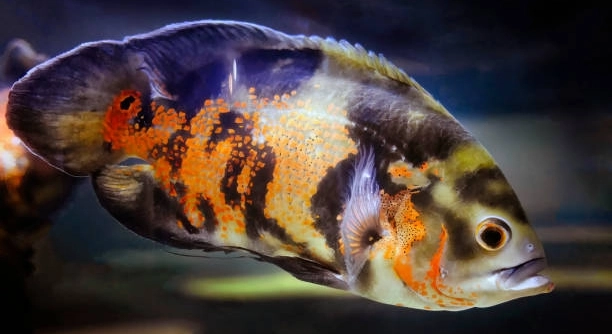
Oscar fish are vibrant and curious, making them popular pets. However, they may show signs of stress or boredom, indicating they need a new routine. Identifying these clues is essential for their well-being and happiness.
Oscar fish often display specific behaviors when they require a change in their routine. These include signs of aggression, lethargy, or a lack of interest in feeding. Adjusting their environment, feeding schedule, or tank companions can significantly improve their health and behavior.
Understanding these signs will help ensure a positive and engaging routine for your Oscar fish, contributing to their long-term happiness and health.
Signs of Stress in Oscar Fish
Oscar fish are sensitive to changes in their environment, and stress can lead to a variety of health issues. The first sign of stress is often a change in their behavior. They may become more aggressive, especially toward tank mates. Aggression can also be directed at their reflection or other objects in the tank. Another clear sign of stress is a lack of appetite, which could be due to the discomfort caused by their surroundings. Oscar fish may also start hiding in corners or behind decorations, avoiding interaction with their environment.
If your Oscar is displaying any of these signs, it is crucial to assess their tank conditions. Changes in water temperature, filtration, or even the addition of new fish can contribute to their discomfort. If left unaddressed, prolonged stress can result in illness or even death.
To improve their environment, keep the tank clean and well-maintained. Ensure water parameters, such as pH, hardness, and temperature, are within the recommended range for Oscar fish.
Diet and Feeding Routine
Oscar fish are known for their hearty appetite. However, if they are not eating regularly, it’s often a sign that something isn’t right.
Feeding habits can also indicate if they need a new routine. If your fish are not responding to food or are excessively slow to eat, this can point to boredom or a lack of stimulation. Providing variety in their diet and feeding them at different times of day can help engage them more.
A consistent feeding routine is important, but too much or too little food can also stress your fish. Adjust their portions based on their size and activity level.
Tank Setup and Space
Oscar fish need plenty of space to swim and explore. If they’re confined in a small tank, they can become stressed and develop aggressive behavior. A 75-gallon tank is the minimum size recommended for one adult Oscar. Smaller tanks restrict movement, leading to frustration and stress. Overcrowding can make matters worse, as it limits their ability to establish territories and increases competition for resources.
Ensure the tank has ample hiding spots, but avoid overcrowding it with decorations. While they enjoy having areas to retreat to, they also need open space to swim freely. Tank mates should be chosen carefully. Avoid keeping Oscars with smaller, more delicate fish.
Proper filtration is vital as Oscar fish produce a lot of waste. Without efficient filtration, the water quality will deteriorate quickly, causing health issues. Regular water changes are essential to maintain a healthy environment.
Temperature and Water Quality
Oscar fish are sensitive to temperature changes. They thrive in warm water, typically between 74°F and 81°F. If the temperature fluctuates too much, it can lead to stress or illness. Using a reliable aquarium heater ensures that the water stays within this optimal range.
In addition to temperature, maintaining good water quality is crucial. Ammonia, nitrites, and nitrates can build up in the tank and harm the fish. Regular testing of water parameters is necessary to keep these toxins in check. If the water quality is poor, your Oscar might exhibit signs of illness, including lethargy or loss of appetite.
Tank Mates and Social Dynamics
Choosing the right tank mates for your Oscar fish is essential. They are territorial and can become aggressive, so select companions that can handle their temperament. Larger, more robust fish are ideal. Avoid small or shy fish that might get bullied.
It’s important to monitor the interactions between your Oscar and other fish. Even with compatible tank mates, Oscar fish can display aggression. If aggression becomes a problem, it may be necessary to separate them or rearrange the tank to disrupt established territories.
Light and Day-Night Cycle
Oscar fish need a consistent light cycle to feel secure and healthy. Too much light can stress them, while too little can disrupt their natural behavior. A 12-hour light and 12-hour dark cycle is ideal for most fish, including Oscars.
Provide a timer for the lights to maintain a routine. Regular periods of darkness help Oscar fish rest and recuperate. Avoid excessive exposure to bright lights, especially during the night. Constant lighting can interfere with their natural instincts and cause stress.
Routine Adjustments
Oscars benefit from changes to their routine every so often. Introducing new decorations, rearranging the tank, or switching up their feeding schedule can help prevent boredom. A lack of novelty can lead to decreased activity and poor health.
Adjustments don’t have to be drastic, but regular changes can keep your Oscar fish engaged. Keeping their environment dynamic ensures they stay mentally stimulated and physically active, which is key to their overall well-being.
FAQ
How often should I feed my Oscar fish?
Oscar fish are hungry and will eat a lot if given the chance. They should be fed 2-3 times a day, but portion control is important. Overfeeding can lead to water quality problems and health issues like obesity. Make sure to offer a balanced diet, including pellets, frozen food, and occasionally live food. Remove any uneaten food to prevent it from polluting the water.
Can I keep Oscars with other fish?
Yes, but it requires careful selection. Oscars are territorial and aggressive, especially when they feel threatened. It’s best to keep them with larger, robust fish that can handle their aggressive nature. Avoid small fish that could be seen as food, as well as overly passive fish. Fish like cichlids, large tetras, or catfish can be good options. Always monitor their behavior closely when introducing new tank mates.
What is the ideal tank size for an Oscar fish?
Oscar fish require a large tank to thrive. A minimum of 75 gallons is recommended for one adult Oscar. Smaller tanks will limit their ability to swim freely and may lead to stress or aggression. If you have more than one Oscar, the tank should be even larger to accommodate their needs. Keep in mind that Oscar fish grow to about 12-14 inches in length.
Why is my Oscar fish hiding?
Hiding can be a sign of stress, illness, or an uncomfortable environment. Oscar fish are curious and active by nature, so if they’re hiding, something may be wrong. It could be due to aggression from tank mates, improper water conditions, or a lack of hiding spots. Check water parameters, ensure proper filtration, and observe if the tank mates are causing stress. If the hiding continues, it could be an indication of illness, and a trip to the vet may be necessary.
How can I tell if my Oscar is sick?
Sick Oscar fish may exhibit changes in behavior, such as lethargy, loss of appetite, or erratic swimming. Look for physical signs like faded colors, clamped fins, unusual growths, or wounds. The fish might also rub against objects in the tank if they’re dealing with external parasites. If you notice these signs, check water quality first. If the fish is still not improving, a vet specializing in fish health should be consulted.
Can Oscars live with plants?
Oscar fish can live with plants, but they may not be the best tank mates for delicate ones. Oscars are often diggers, and they may uproot or damage plants in their tank. Hardy, robust plants like Java ferns or Anubias are better suited for an Oscar tank. Keep in mind that some Oscars may also eat plants if they’re hungry enough. It’s a good idea to use strong, well-established plants that can tolerate the Oscar’s activities.
How do I maintain water quality in an Oscar tank?
Maintaining good water quality is crucial for Oscar fish health. Regular water changes, ideally 25-30% weekly, are essential to remove waste and toxins. A high-quality filtration system is also necessary to handle the large amount of waste Oscars produce. Regularly test the water for ammonia, nitrites, and nitrates to ensure they are within safe levels. Keeping the water temperature between 74°F and 81°F, and maintaining a neutral pH range of 6.5 to 7.5, will help keep your Oscar happy and healthy.
Why is my Oscar fish not eating?
There are several reasons why an Oscar might stop eating. Stress from changes in the tank, poor water quality, or aggressive tank mates can reduce their appetite. Illness or discomfort could also be factors. If your Oscar stops eating for an extended period, check the water quality and consider if any environmental changes have occurred. If the issue persists, a visit to the vet may be necessary to rule out health problems.
Can I breed Oscar fish in captivity?
Breeding Oscar fish is possible in captivity, but it requires specific conditions. Oscars typically breed in pairs, and you’ll need a large tank (at least 75 gallons) to allow space for the breeding process. They will lay eggs on a flat surface, like a rock or decoration. The male fertilizes the eggs, and the female guards them until they hatch. After hatching, the parents will care for the fry. However, breeding Oscars can be challenging, and it’s important to be prepared for the responsibility of raising the fry.
What should I do if my Oscar fish is aggressive?
Aggression in Oscars is common, especially if they feel threatened or are housed with incompatible tank mates. If your Oscar is becoming overly aggressive, consider rearranging the tank to disrupt established territories. You may also need to separate the aggressive Oscar from its tank mates or find a more suitable companion. If aggression persists, it could be a sign of stress or illness, so ensure the water conditions are optimal and that the fish has plenty of space to roam.
How can I tell the gender of my Oscar fish?
Telling the gender of an Oscar fish can be tricky, as males and females look quite similar. However, there are a few signs to look for. Males tend to be slightly larger and have a more prominent nuchal hump (a bump on the head), especially as they mature. Females often have rounder bodies, particularly when full of eggs. Unfortunately, these differences aren’t always easy to spot until the fish are older. If you plan to breed Oscars, the gender difference becomes more apparent during the breeding process.
Final Thoughts
Caring for an Oscar fish requires attention to detail and commitment. These fish are known for their size, intelligence, and strong personalities, which makes them fascinating to keep. However, with their robust nature comes the responsibility of providing an environment that meets their needs. Ensuring that they have enough space, the right tank mates, and a healthy diet is crucial for their well-being. Oscars thrive in a large tank with good filtration, and they need a consistent routine to stay active and happy. Regular water changes, proper feeding habits, and monitoring their behavior can help prevent many common issues that arise in aquarium care.
One of the most important aspects of Oscar fish care is understanding their social behavior. While they can coexist with other fish, their aggressive nature often requires careful planning when choosing tank mates. They need space to establish their territories and feel secure in their environment. Introducing new fish should be done cautiously to prevent stress or injury to both the Oscar and other tank inhabitants. Rearranging decorations or adding new hiding spots can help break up territorial disputes. Keeping them in a tank where they can express their natural behavior will help reduce aggression and make them more comfortable.
Maintaining their health also extends beyond just water quality and diet. Oscars are sensitive to changes in their environment, and sudden shifts can cause stress, leading to a decrease in appetite or health issues. Paying attention to their behavior and physical appearance can give you early signs of potential problems, allowing for timely intervention. By keeping an eye on their habits and environment, you can enjoy watching your Oscar thrive for years. With the right care, an Oscar fish can be a rewarding and captivating companion in your home aquarium.

Hello,
If you enjoy the content that we create, please consider saying a "Thank You!" by leaving a tip.
Every little bit helps us continue crafting quality advice that supports the health, happiness, and well-being of pets around the world, for pets of all shapes, sizes, and species.
We really appreciate the kindness and support that you show us!